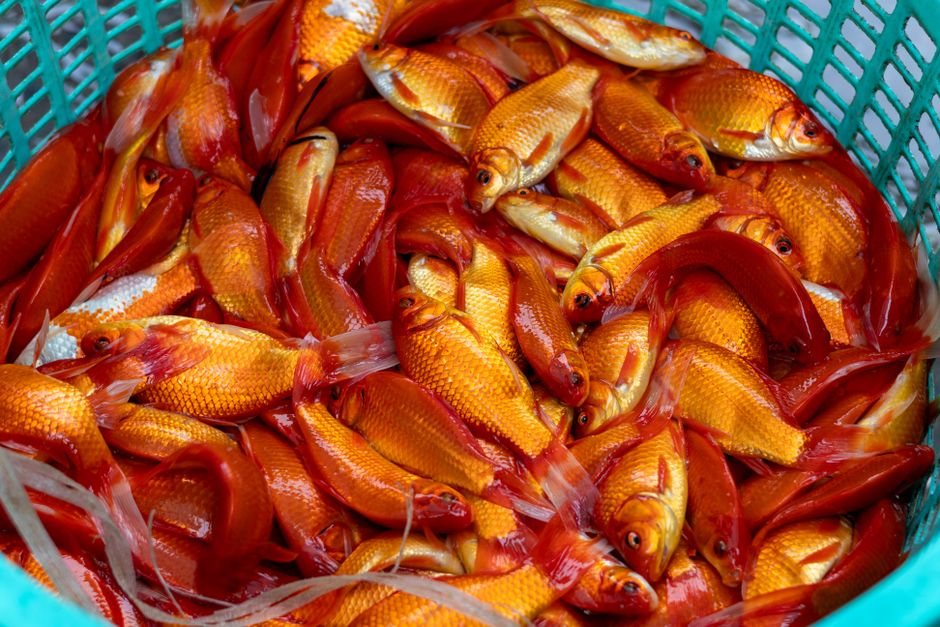
Releasing Goldfish into the Wild: What Really Happens
What Happens When You Release a Pet Goldfish?
Releasing goldfish into the wild turns a small aquarium pet into an invasive species that disrupts local waterways. When placed in lakes and rivers, goldfish grow significantly larger, outcompete native fish for food, destroy plant beds, and spread harmful diseases.
Many pet owners assume that letting a goldfish go in a local pond gives it freedom. It feels like a kind act, especially when a child outgrows a pet or an aquarium becomes too much work to clean. Unfortunately, setting any pet fish free creates severe ecological problems for local wildlife.
Recent studies from university researchers show that goldfish are surprisingly hardy survivors. Once they enter natural waters, they do not just survive. They thrive at the expense of native species and alter the entire aquatic habitat around them.
How Do Goldfish Survive and Grow in Natural Waterways?
Goldfish survive easily in the wild because they belong to the carp family, which can tolerate extreme temperature swings, low oxygen levels, and murky water. In an open lake with unlimited food, their growth is no longer limited by a small tank, allowing them to reach massive sizes.
In a home aquarium, feeding schedules and tank dimensions keep fish relatively small. In contrast, natural ponds and rivers provide a steady diet of insect larvae, small crustaceans, algae, and fish eggs. This endless food supply allows goldfish to grow several times larger than their tank-bound relatives.
High Tolerance for Tough Conditions
Goldfish can withstand freezing winters by slowing their metabolism and surviving under thick ice where oxygen levels drop to near zero. They also handle warm, stagnant summer waters that would kill sensitive native game fish. This extreme adaptability gives them an unfair advantage over local wildlife.
Because they are broad generalist feeders, they eat almost anything they find along the bottom. They constantly forage, which gives them the energy to grow fast and outlive many native competitors in the same body of water.
Why Are Invasive Goldfish Harmful to Native Ecosystems?
Invasive goldfish harm freshwater ecosystems by uprooting aquatic vegetation, muddying the water, and consuming food resources that native fish rely on to survive. Their feeding style destroys nursery habitats for native species and degrades water quality.
Goldfish are bottom feeders that root through sediment to find food. As they dig through the mud, they pull up rooted plants that provide shelter for young fish and amphibians. This constant rooting releases trapped nutrients like phosphorus into the water column, fueling harmful algae blooms that block sunlight.
The muddy water created by foraging goldfish makes it difficult for sight-feeding predators, such as bass and pike, to hunt effectively. Over time, clean, clear lakes can turn into cloudy, brown ponds dominated entirely by carp and goldfish.
Competition and Disease Spread
Goldfish also consume the eggs and fry of native fish and frogs. Just as pet parents must monitor issues like a turtle swimming in circles to spot respiratory illness, natural waterways face major health risks when non-native animals introduce novel parasites. Goldfish can carry exotic bacteria, flukes, and viruses that wild fish populations have no natural immunity against.
Once these pathogens enter a river system, they can wipe out vulnerable native populations quickly. The combination of direct predation, habitat loss, and disease makes goldfish one of the most destructive introduced species in freshwater environments.
How Quickly Can Wild Goldfish Multiply?
Goldfish multiply very quickly because a single mature female can lay thousands of eggs multiple times each breeding season. Without natural predators to keep their numbers in check, a tiny group of released fish can explode into an uncontrollable population in just a few years.
When spring water temperatures rise, goldfish gather in shallow waters to spawn. Their sticky eggs attach to submerged plants, tree roots, and rocks, protecting them from drifting away. The fry hatch rapidly and grow fast enough to avoid many smaller predators.
Because adult goldfish have few natural enemies in urban and suburban ponds, their survival rates are remarkably high. Wildlife agencies often spend thousands of dollars trying to remove tens of thousands of pounds of goldfish from public retention ponds and lakes.
What Should You Do Instead of Releasing Goldfish into the Wild?
Instead of releasing goldfish into the wild, you should rehome your fish through a local aquarium club, surrender it to an independent pet shop, or find an experienced hobbyist with an outdoor pond. Never dump aquarium fish, snails, or tank plants into public waters, storm drains, or toilets.
Finding a new home for an unwanted fish takes only a little extra effort. Responsible pet ownership means caring for an animal throughout its life or transferring it safely to someone who can.
- Contact local independent fish stores, as many will accept healthy fish surrenders to resell or adopt out.
- Post on local pet adoption boards, aquarium society forums, or community social media groups.
- Reach out to schools, nature centers, or science classrooms that maintain large display tanks.
- Ask owners of private, contained garden ponds if they have room for another fish.
As a key welfare rule, always research a species' full adult size and long lifespan before bringing it home. Understanding the care requirements early prevents the difficult situation of managing an oversized fish later on.
If a fish is gravely ill or suffering and rehoming is impossible, speak with an exotic animal veterinarian about humane euthanasia options. Never flush a live fish down the toilet, as this causes severe suffering and can still introduce pathogens into the municipal water system.
Final Thoughts
Releasing goldfish into the wild may seem harmless, but it creates lasting damage for native aquatic wildlife and freshwater ecosystems. By rehoming your pet responsibly, you protect local rivers and ponds from destructive invasive fish. Check out more RarePetCare guides to learn practical tips for keeping your aquatic and exotic pets thriving.
Frequently Asked Questions
Can goldfish survive in cold wild lakes during winter?
Yes, goldfish can survive under frozen lake surfaces by drastically slowing their metabolism in low-oxygen water.
How big can a pet goldfish get in the wild?
Without the space limits of a small home tank, wild goldfish can grow to over a foot long and weigh several pounds.
Is it illegal to release pet goldfish into public waterways?
In many states and countries, releasing non-native aquarium fish into public waters is illegal and carries fines.
Do goldfish turn back into carp in the wild?
Goldfish are a domesticated type of carp, and their offspring in the wild often revert to a dull olive or brown color over generations.