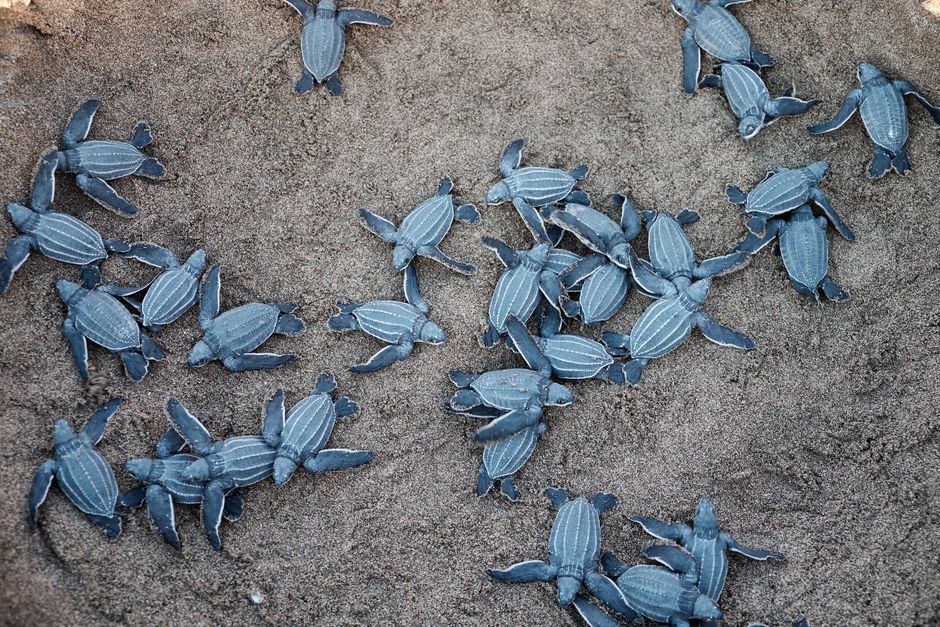
Turtle Swimming in Circles: Causes and Rescue Care
Seeing a turtle swimming in circles is a clear sign that the animal is experiencing acute distress, neurological damage, an ear infection, or a severe buoyancy problem. When a turtle loses the ability to steer in a straight line, it cannot forage for food, evade predators, or surface normally to breathe. Quick intervention from a qualified wildlife rehabilitator or an experienced exotic vet is critical to save its life.
This disorienting behavior can happen to both wild sea turtles and captive aquatic pets. A famous real-life example involved Timmy, a massive 270-pound female loggerhead turtle found swimming erratically miles off the Florida Keys. Rescuers from the Coast Guard and marine turtle hospitals stepped in to investigate possible boat strikes, toxic algae exposure, and even intense mating encounters. Understanding what causes this unusual behavior helps pet parents and animal lovers recognize emergencies when they happen.
Why Is a Turtle Swimming in Circles?
A turtle swimming in circles usually suffers from an asymmetrical health issue such as an inner ear infection, brain trauma, or uneven lung buoyancy that affects only one side of its body. Because reptiles rely on equal limb power and balanced internal air distribution to swim straight, any disruption causes them to pull constantly toward their weaker or heavier side.
When one flipper or leg receives weaker nerve signals, the stronger limb overpowers it with every stroke. This creates a continuous turning loop that the animal cannot correct on its own. In wild waters and home aquariums alike, several distinct medical conditions trigger this disorienting swimming pattern.
Physical Trauma and Neurological Damage
Blunt force trauma is one of the most common reasons a turtle begins to turn in endless circles. In marine environments, boat propeller strikes and collisions with watercraft frequently cause concussions, fractured shells, and spinal injuries. If the impact damages the brain or the nerves controlling one side of the body, the turtle loses motor coordination.
Pet turtles can also suffer head trauma if they fall from an open basking platform or get pinned under heavy aquarium decor. Swelling inside the skull puts pressure on delicate brain tissue, making it impossible for the animal to orient itself in the water column.
Buoyancy Disorders and Respiratory Infections
A turtle relies heavily on its paired lungs, which sit directly beneath the top shell, to maintain a level position in the water. If one lung becomes inflamed, congested, or punctured, the turtle tilts heavily to one side. This lopsided float forces the animal to paddle constantly with one limb just to keep its head above water, creating a tight circular path.
Pneumonia and lower respiratory tract infections are primary culprits for buoyancy troubles in aquatic reptiles. Left untreated, trapped air or fluid accumulation in the lung cavity makes normal diving completely impossible.
How Rescuers Diagnose Turtles Swimming Erratically
Marine rescue teams diagnose a turtle swimming erratically by conducting detailed physical exams, neurological reflex tests, blood panels, and advanced imaging scans. These steps allow veterinary specialists to pinpoint hidden fractures, internal bleeding, lung asymmetry, and toxin exposure.
When heavy marine turtles like loggerheads are rescued, moving them safely is a massive operation. Just as wildlife workers coordinate during an emergency rescue team handling large animals, turtle rescue teams must use padded stretchers, specialized lifting gear, and moist blankets to protect the animal during transport.
Once the turtle arrives at a specialized hospital, veterinarians follow a thorough diagnostic routine to find the root cause of the circling behavior:
- Physical evaluation to check flipper strength, eye responsiveness, and shell integrity
- Radiographs and CT scans to detect internal air pockets, lung fluid, or deep fractures
- Blood chemistry panels to screen for systemic infections and organ failure
- Water toxicology screening to rule out red tide toxins or industrial contaminants
Once the primary cause is identified, veterinarians can start targeted therapies. Treatment often includes anti-inflammatory medications to reduce brain swelling, targeted antibiotics for infections, and physical therapy in shallow recovery tanks.
Common Causes in Captive Aquatic Turtles
In captive pet turtles, swimming in circles is most commonly caused by middle ear abscesses, advanced respiratory infections, and severe nutritional deficiencies. Substandard tank conditions, inadequate water filtration, and cold temperatures weaken the immune system and make captive reptiles susceptible to these issues.
Ear abscesses, also known as aural abscesses, occur when bacteria travel up the Eustachian tube into the middle ear chamber. The resulting infection produces hard, cheese-like pus behind the tympanic membrane, creating painful pressure and ruining the turtle's sense of balance.
Pet parents should watch for these accompanying signs if their turtle starts swimming abnormally:
- Visible swelling or bulging lumps on the sides of the head behind the eyes
- Lopsided floating, where one side of the shell stays higher than the other
- Mucus, discharge, or bubbles around the nostrils and mouth
- Frequent open-mouth breathing, gasping, or wheezing sounds while resting on the dock
- Complete loss of appetite and refusal to leave the basking area
Unlike wild turtles exposed to ocean predators, pet turtles face chronic environmental stress when their enclosures lack proper thermal gradients or UVB lighting. Any pet parent should research a reptile species thoroughly before bringing one home, ensuring they have an established relationship with an exotic veterinarian who can treat complex health problems.
What to Do If You Find a Distressed Turtle
If you encounter a wild turtle swimming in circles, keep your distance, record your exact coordinates, and immediately notify local wildlife authorities or marine stranding networks. Do not attempt to pull a large wild sea turtle out of the water yourself, as stressed reptiles can bite and improper handling can worsen spinal injuries.
If your own pet aquatic turtle starts swimming in loops or tilting sideways, you must take prompt action. Remove the turtle from deep water immediately and place it in a secure, shallow container with just enough warm water to cover the bottom of its plastron. This keeps the turtle hydrated while preventing it from drowning due to exhaustion.
Keep the temporary quarantine area warm and quiet to minimize stress, just as you would when managing other exotic pet emergencies or spotting strange behaviors like unusual behavioral symptoms in invertebrates. Call an exotic reptile vet right away to schedule an urgent exam. Ear infections and respiratory illnesses rarely resolve on their own and require professional medical care.
Final Thoughts
Observing a turtle swimming in circles is always a serious warning sign that the animal requires urgent medical attention and supportive care. Whether it is a wild sea turtle suffering from a boat strike or a pet slider fighting an ear abscess, rapid diagnosis gives the animal the best chance at a full recovery. Explore our other RarePetCare guides to learn more about keeping exotic reptiles healthy, safe, and thriving.
Frequently Asked Questions
Can an ear infection make a turtle swim in circles?
Yes, an ear abscess causes severe swelling and pressure in the middle ear chamber, which disrupts the turtle's equilibrium and causes it to swim in circles.
What should I do if my pet turtle is floating sideways?
Place the turtle in shallow, warm water so it cannot drown from exhaustion, and contact an exotic animal veterinarian immediately to check for a respiratory infection.
Do boat strikes cause sea turtles to circle?
Yes, boat strikes can cause brain trauma, nerve damage, or cracked shells that weaken one side of the body, leading to erratic circular swimming.
Can a turtle recover from a buoyancy disorder?
Many turtles make a full recovery once the underlying lung infection, trapped gas, or trauma is treated with veterinary care and antibiotics.
Explore More Reptiles Guides
 🦎Reptiles
Can Tortoises Eat Tomatoes? Safe Diet Guide
Wondering if tortoises can eat tomatoes? Learn why the plant is toxic, how fruit affects digestion, and what greens are safer for your pet.
 🦎Reptiles
What Is a Baby Turtle Called? The Real Name Explained
Discover the true name for a baby turtle, why common naming myths exist, and how young hatchlings develop into adulthood.
 🦎Reptiles
How to Sex a Lizard: Complete Identification Guide
Discover how to sex a lizard accurately at home using visual traits, femoral pores, and safe handling techniques.