Are Colorful Snakes Venomous? What Science Says
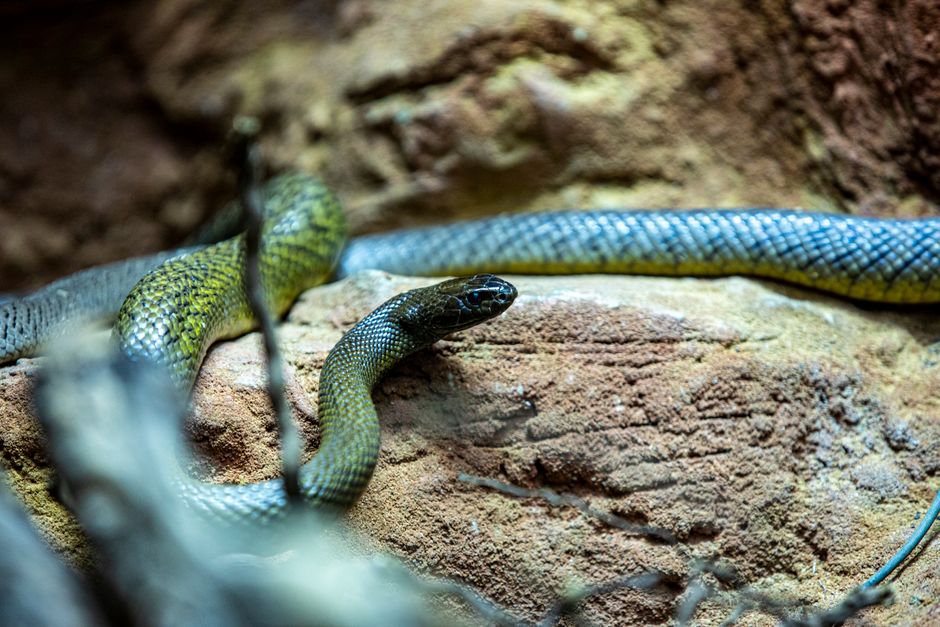
When you see a brilliant reptile in the wild, you might wonder: are colorful snakes venomous? A landmark study published in the Journal of Animal Ecology confirmed that the most brightly colored snake species are indeed significantly more likely to be venomous than duller species. Bright patterns often serve as an evolutionary billboard that warns predators to stay far away.
For reptile enthusiasts, understanding snake color patterns is both fascinating and practical. Nature uses vivid pigments to send clear warnings, save energy, and survive across diverse wild habitats.
Are Colorful Snakes Venomous in the Wild?
Yes, colorful snakes are much more likely to be venomous than neutral or dull-colored species. Biologists found a strong statistical link between vibrant, contrasting scale patterns and the presence of venom glands. This pattern mirrors what scientists see in poison dart frogs, where vivid skin warns predators of toxic chemicals.
In evolutionary biology, this survival strategy is known as aposematism. Instead of relying on camouflage to hide, a dangerous animal uses bright colors like red, yellow, and orange to advertise its toxicity. Predators learn quickly after a single bad encounter. Over generations, animals that look clearly dangerous are left alone, giving them a distinct survival advantage.
Dull snakes, by contrast, rely almost entirely on crypsis, which means blending in with dirt, dry leaves, or tree bark. Because venom production requires a huge amount of metabolic energy, venomous species often gain more by preventing a fight through warning coloration than by striking blindly.
How Do Warning Colors Protect Brightly Colored Snakes?
Warning colors protect brightly colored snakes by creating a memorable visual signal that predators instinctively avoid. High-contrast patterns break up body outlines while remaining instantly recognizable from a safe distance. Birds, mammals, and other reptiles remember these vivid patterns and choose easier, safer prey instead.
Red, yellow, and black are the most common colors associated with danger in the natural world. These shades stand out sharply against green leaves and brown forest soil. When a predator spots these tones, it triggers hesitation, which gives the snake time to retreat without wasting venom.
The Role of Coral Snake Mimicry
Not every bright snake carries venom, because harmless species often copy the colors of dangerous ones. This biological trick is known as Batesian mimicry. Harmless milk snakes and king snakes display red, black, and yellow banding that closely resembles venomous coral snakes, tricking predators into leaving them in peace.
Even so, the presence of harmless mimics exists only because the dangerous model is so well-known and feared in that ecosystem. Without the venomous original paving the way, the copycat color pattern would offer no survival benefit at all.
Why Some Venomous Species Stay Camouflaged
Not every venomous snake chooses bright warning patterns. Ambush hunters like copperheads, puff adders, and rattlesnakes rely on earthy browns and grays to blend invisibly into leaf litter. These species depend on surprise rather than intimidation to catch small rodents and birds.
Color strategy often comes down to hunting style. Active foragers that move constantly through daylight are far more likely to carry bright warning colors, while still ambush predators rely on stealth.
What Makes Snake Scales Look So Vivid?
Snake scales get their vivid shades from specialized cells called chromatophores, located beneath the outer skin layer. These cells contain distinct pigments and light-scattering structures that work together to create red, yellow, blue, black, and iridescent reflections across the scales.
Three primary cell types determine scale appearance:
- Melanophores produce dark brown and black pigments that absorb light and create strong contrast.
- Xanthophores and erythrophores store yellow, orange, and red pigments that create warning signals.
- Iridophores contain crystalline plates that reflect light, producing greens, blues, and shimmering shine.
When these pigment cells combine in specific layers, they create striking displays. Genetic studies show that natural selection refines these cell arrangements over millions of years to maximize visibility to predators. When scientists are naming a new snake species, color variation and scale structure often provide the first clues to its unique evolutionary branch.
What Does Snake Coloration Mean for Pet Owners?
For pet owners, a bright pattern on a captive-bred snake does not mean your pet is dangerous. The vast majority of colorful snakes kept in home vivariums, such as corn snakes, milk snakes, and ball python morphs, are completely harmless, non-venomous species bred specifically for their friendly temperament and eye-catching hues.
Selective breeding in captivity has produced incredible color variations that would never survive in the wild. Bright albino, piebald, and highlighter-orange morphs thrive in our care because they face zero danger from natural predators. When you bring an exotic reptile home, research the species' adult care needs before buying, and ensure you can support its lifelong habitat requirements.
Wild snakes require a different mindset entirely. If you encounter a colorful snake outdoors, always give it plenty of space. Never try to identify or handle an unfamiliar wild snake based purely on scale color, since regional color variants can easily confuse even seasoned field observers.
Do Non-Venomous Snakes Ever Defend Themselves Without Mimicry?
Yes, non-venomous snakes possess several clever defense mechanisms that do not rely on warning colors or venom. Many harmless species use behavioral tricks like tail buzzing, musking, flattening their heads, or unusual physical movements to startle threats. Some species, like those highlighted in our guide on dwarf reedsnake rolling behavior, even cartwheel away down slopes to escape danger quickly.
Other harmless reptiles rely on foul-smelling cloacal secretions or hiss loudly to imitate pit vipers. These physical defenses show that survival in the reptile world takes many creative paths beyond bright pigments alone.
Final Thoughts
Scientific research makes it clear that when you ask are colorful snakes venomous, the odds lean strongly toward yes in wild ecosystems. Nature uses bright scale colors as an honest warning system that keeps both predators and snakes safer. Take some time to explore more RarePetCare guides to learn about keeping your companion reptiles healthy, happy, and thriving.
Frequently Asked Questions
Why are venomous snakes more colorful than non-venomous snakes?
Venomous species often develop bright warning colors to advertise their danger, which teaches predators to leave them alone without a fight.
Can you tell if a snake is venomous just by its color?
No, you cannot rely only on color because harmless mimic snakes often display the exact same bright patterns as dangerous species.
Are brightly colored pet snakes dangerous to handle?
Common bright pet snakes like corn snakes and milk snakes are non-venomous, harmless, and safe to hold with proper gentle handling.
What colors are most common on venomous warning snakes?
Red, yellow, orange, and high-contrast black bands are the most common colors associated with venomous warning signals in nature.
Explore More Reptiles Guides
 🦎Reptiles
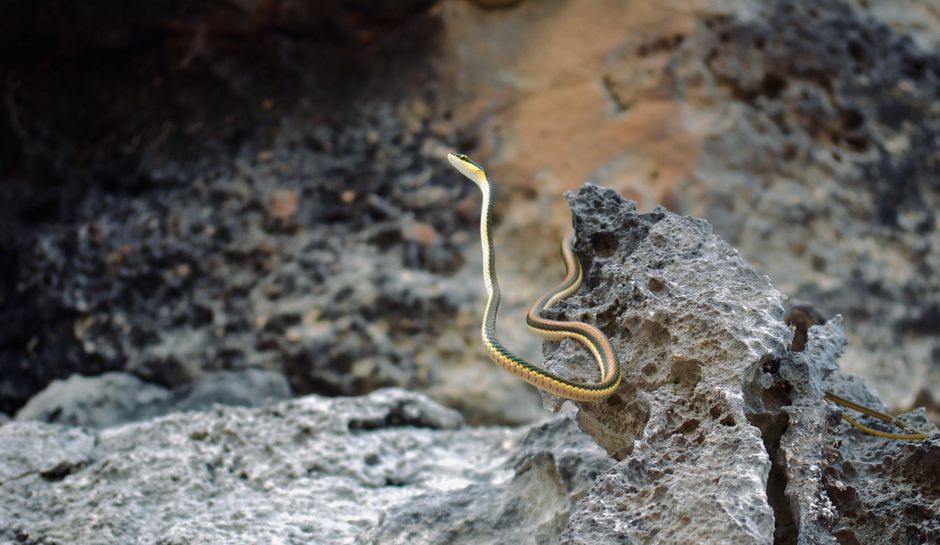
Dwarf Reedsnake Rolling: Why This Tiny Snake Cartwheels
Dwarf reedsnakes roll four times faster than they slither to escape danger, steering their heads while cartwheeling down forest slopes.
 🦎Reptiles
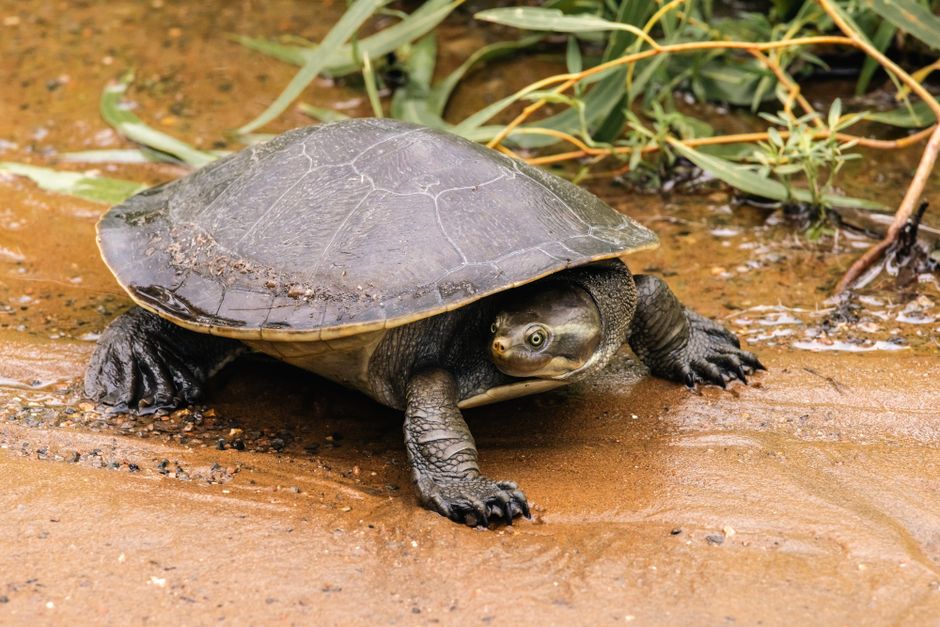
Long-Necked Turtle Drought Survival: Mud Rescue
When water vanished from an Australian wetland, scientists dug long-necked turtles from hardened mud to save them from sudden disaster.
 🦎Reptiles
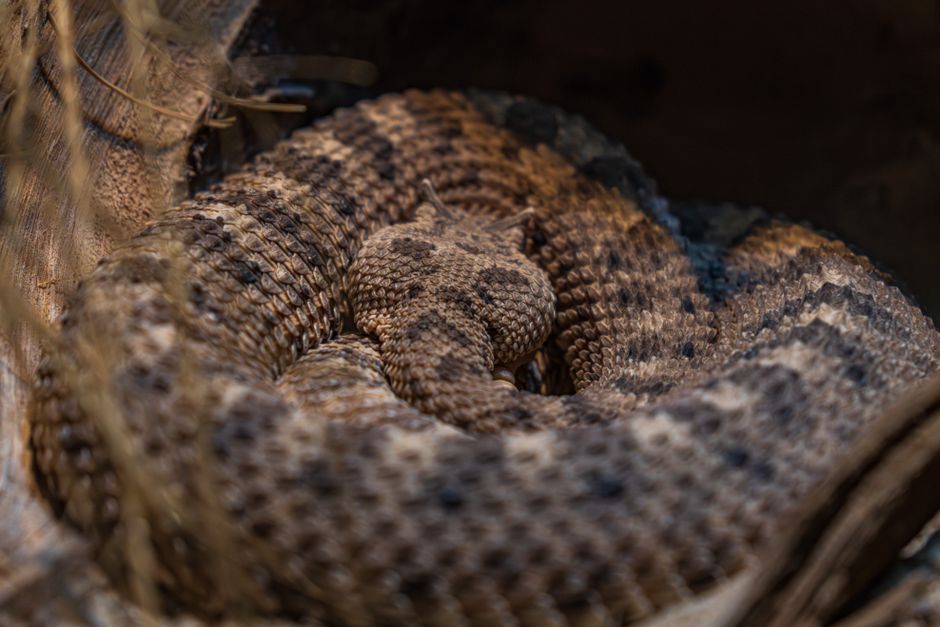
Naming a New Snake Species: Why It Took 7 Years
A scientist waited seven years to name a rare Ethiopian snake, balancing animal welfare and reptile taxonomy along the way.