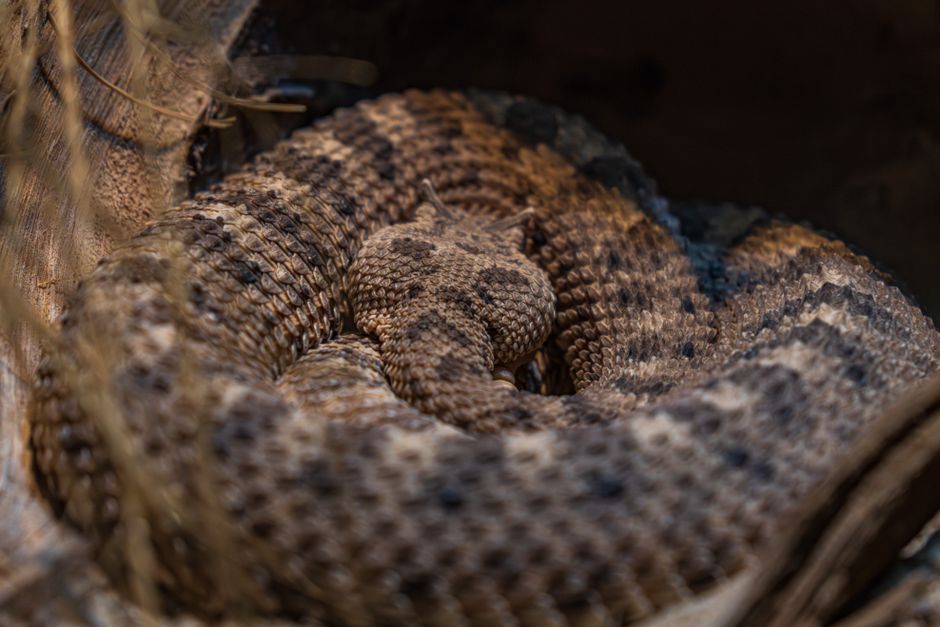
Naming a New Snake Species: Why It Took 7 Years
Finding a strange reptile in the wild is exciting, but officially identifying it is rarely quick. When a researcher discovered a tiny serpent in Ethiopia, naming a new snake species turned into a patient seven year journey filled with ethical questions and careful observation. Naming a new snake species is the scientific process of formally describing, verifying, and publishing the unique physical traits and genetic profile of a newly recognized serpent so it can be added to the official tree of life.
Most people imagine that scientists find a reptile, snap a few photos, and immediately publish their findings. In reality, proving that an animal is truly unique requires undeniable evidence. Here is the true story behind this seven year wait and what it reveals about modern herpetology and reptile care.
Why Did Naming a New Snake Species Take Seven Years?
Naming a new snake species took seven years because the scientist chose to raise a single wild-caught juvenile to adulthood rather than euthanizing it immediately for museum analysis. Traditional taxonomy usually relies on preserved adult specimens to measure head scales, body proportions, and reproductive organs. Because this Ethiopian reptile was only a tiny baby when found, the researcher faced a tough ethical dilemma.
Preserving a newborn snake would have destroyed its fragile body without offering enough physical detail to establish a valid description. The researcher chose an alternate path. He brought the young snake into captivity and cared for it daily, waiting for it to reach mature size. That dedication meant seven years of routine cleanings, regular feedings, and close health checks before formal scientific measurements were possible.
How Do Biologists Prove a Snake Is Truly a New Discovery?
Biologists prove a snake is new by carefully comparing its scale counts, skeletal anatomy, color patterns, and DNA against all closely related species. If the animal displays distinct physical traits and clear genetic divergence, researchers can draft a formal description. This process requires great care so that scientists do not accidentally give a new label to an existing animal.
Scale counting, known as lepidosis, is one of the most reliable tools in reptile taxonomy. Herpetologists inspect specific areas of the body to spot unique patterns:
- Ventral scale counts running along the belly from neck to vent
- Subcaudal scales located beneath the tail
- Dorsal scale rows encircling the midbody
- Supralabial and infralabial scales bordering the upper and lower jawline
Juvenile snakes often change their colors and body shapes as they grow. Watching this Ethiopian snake mature gave researchers a rare look at how its scale patterns and colors shifted with age. That observation produced far better data than a single preserved juvenile ever could.
Why Captive Care Plays a Role in Reptile Science
Keeping a wild specimen healthy in a home or lab terrarium demands real skill and dedication. The researcher had to recreate suitable environmental conditions, manage proper humidity, and source appropriate food items without knowing the exact requirements of an unnamed species. Snake keepers know that routine husbandry is the foundation of long term health, especially when tracking appetite and shedding cycles over multiple seasons.
If you keep pet snakes at home, you know how crucial stability is for an exotic pet. Pet parents who plan holidays often review how long can you leave a snake alone to ensure their heating and water systems do not fail. For this researcher, leaving the snake unattended was never an option because seven years of research depended on the daily survival of one animal.
What Ethical Dilemmas Do Field Herpetologists Face?
Field herpetologists frequently face ethical dilemmas regarding whether to collect live animals, preserve them as museum specimens, or leave them in their natural habitat. Traditional methods often require preserving a holotype, which is the single physical specimen used to formally define the species. When a scientist encounters an extremely rare or solitary animal, taking that life creates a serious moral conflict.
In this Ethiopian snake discovery, the researcher chose life over fast publication. He refused to end the life of a fragile juvenile purely to speed up an academic paper. Instead, he gave the snake a full life while gathering behavioral notes, shed skins, and precise growth records along the way.
Responsible reptile care always puts animal welfare first. As a basic welfare note, anyone considering an exotic reptile must thoroughly research the full adult size, habitat, and dietary needs of the animal before bringing it home, or consult an exotic animal veterinarian for specialized health guidance. Taking an animal into human care carries a deep responsibility, whether for academic research or family companionship.
How Can You Tell If a Rare Snake Is Legal to Keep?
You can tell if a rare snake is legal to keep by checking local wildlife regulations, state permit requirements, and international trade treaties like CITES. Many newly discovered or regionally threatened species are strictly protected from commercial trade. Knowing the law protects wild populations and prevents reptile owners from facing heavy fines.
Different regions enforce wildly different pet rules. For instance, island ecosystems maintain strict bans on non-native reptiles. You can read our guide on snakes in Hawaii pet laws and penalties to understand why certain jurisdictions prohibit snakes entirely. Before you purchase any unusual reptile, always verify its legal status in your town and state.
What Lessons Does This Discovery Offer for Reptile Keepers?
This discovery proves that patience, steady observation, and high standards of husbandry are essential for understanding unusual reptiles. Watching an animal grow over seven years revealed subtle changes in feeding rhythms, shedding frequency, and activity patterns that a brief field study could never document. Snake enthusiasts can apply those exact same principles to their own terrariums.
Great reptile keeping is about noticing small details every single day. Here are key observations that help identify health and behavioral changes in any snake:
- Changes in muscle tone, posture, and regular resting positions
- Variations in how cleanly and completely the snake sheds its skin
- Alertness and tongue flicking response during regular enclosure checks
- Consistent weight gains or losses tracked on a digital gram scale
By keeping consistent notes, the scientist turned a simple pet care routine into groundbreaking science. Dedicated pet parents can use that same focused attention to give their own companion animals a thriving life.
Final Thoughts
Naming a new snake species requires immense patience, steady captive care, and deep respect for the animal. By waiting seven full years, one dedicated researcher proved that scientific progress does not have to come at the expense of an animal's life. Explore our other RarePetCare guides to learn more fascinating reptile facts and master the care of unique species at home.
Frequently Asked Questions
What is a holotype specimen in snake research?
A holotype is the single physical specimen chosen by scientists to serve as the permanent reference example for a newly named species.
Why do scientists count snake scales?
Scientists count scales because scale arrangements along the belly, head, and back are consistent within a species and help distinguish between similar reptiles.
Can scientists identify a new snake species using only DNA?
Genetic testing is a major piece of evidence, but taxonomists almost always require physical scale data and morphological descriptions alongside DNA before officially naming a snake.
Where are most new snake species found today?
Most new snake discoveries occur in isolated tropical forests, rocky plateaus, and biodiversity hotspots across Africa, South America, and Southeast Asia.
Explore More Reptiles Guides
 🦎Reptiles
Snakes in Hawaii: Pet Laws and Penalties Explained
Learn why snakes in Hawaii are strictly illegal, the heavy penalties violators face, and how the state reptile amnesty program works.
 🦎Reptiles
How Long Can You Leave a Snake Alone? Safe Travel Guide
Planning a trip? Learn how long you can safely leave your pet snake alone, key enclosure checks, and when you must hire a pet sitter.
 🦎Reptiles
17-Foot Python in the Everglades: Inside the Giant Catch
Hunters captured a massive 17-foot python in the Everglades after an intense battle in waist-deep water.