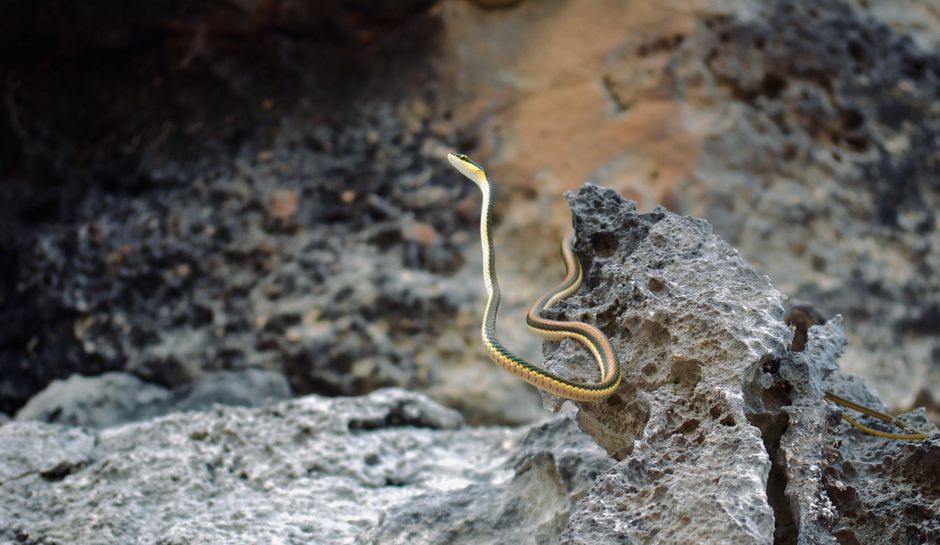
Dwarf Reedsnake Rolling: Why This Tiny Snake Cartwheels
Have you ever seen a reptile turn itself into a moving wheel to escape danger? Dwarf reedsnake rolling is a rare escape mechanism where the small reptile coils its body and launches into a rapid sideways cartwheel. Instead of gliding away across the ground, the snake curls into a tight loop and launches forward at speeds four times faster than regular slithering.
For reptile lovers and field researchers alike, watching a limbless animal somersault across leaf litter sounds like fiction. Yet nature has equipped this tiny Southeast Asian colubrid with one of the most unusual survival tactics on Earth. By turning its entire body into a rolling loop, the snake can outrun threats that would easily catch it during a standard crawl.
What is dwarf reedsnake rolling behavior?
Dwarf reedsnake rolling is an active escape maneuver where the snake throws its body loops into repeated cartwheels across the forest floor. This motion allows the small reptile to flee from predators much faster than it could by crawling normally through open ground.
When a dwarf reedsnake feels threatened, it does not simply coil into a defensive ball and wait. Instead, it pulls its tail forward, springs off the forest floor, and propels its body sideways. Each rotation turns the animal like a tumbling hoop, carrying it across logs, dirt patches, and slopes in a fraction of a second.
Researchers studying this motion noticed that it is not just random falling. The snake actively controls the movement, using momentum to carry itself forward while keeping its direction steady. Field observations show that the animal can link multiple rolls together in a continuous chain to cover ground rapidly before ducking under dead leaves.
Why do dwarf reedsnakes roll instead of slither?
Dwarf reedsnakes roll because their small bodies move too slowly when crawling across open debris where predators can spot them. Cartwheeling creates sudden visual confusion, covers open ground rapidly, and lets the snake vanish into deep cover before an attacker can strike.
These snakes spend most of their lives hidden beneath decaying wood, soft soil, and rotting leaves. Because they are adapted for burrowing rather than sprinting across flat ground, their regular crawling speed is quite modest. If a bird, mammal, or larger reptile uncovers them, regular slithering leaves them exposed to quick strikes.
Rolling also breaks the normal visual search image that predators rely on when hunting. Most snake hunters anticipate side-to-side slithering along the ground. A round, spinning shape that bounces across the terrain can startle a predator just long enough for the snake to reach safety.
Steering and stabilizing the head
One of the most impressive discoveries about this movement is how the snake keeps its balance during the roll. Even while tumbling sideways at top speed, the snake can stabilize and lift its head in the direction of travel.
Keeping its head raised allows the snake to see where it is going while in mid-roll. Rather than tumbling blindly into rocks or tree roots, the animal tracks the terrain ahead. This lets the snake steer toward safe hiding spots, such as hollow logs or deep crevices in the dirt, before completing its escape.
How fast do dwarf reedsnakes move when rolling?
Dwarf reedsnakes move approximately four times faster when rolling compared to their normal slithering speed. This dramatic burst of speed lets them cross exposed ground in seconds, especially when rolling down sloped forest terrain.
In scientific trials and wild sightings, researchers measured the difference between the snake crawling along a flat surface and actively cartwheeling. The mechanical advantage of rolling reduces friction against the ground. Instead of dragging its belly scales across rough debris, the snake contacts the earth only briefly during each rotation.
Gravity also gives the snake a tremendous boost whenever it flees down an incline. By tucking into a loop and launching down a hill, the dwarf reedsnake uses the slope to gain extra speed with minimal muscular effort. This makes the rolling maneuver an ideal escape trick for hilly, forested landscapes where steep banks are common.
However, this high-energy defense comes at a cost. Cartwheeling demands intense bursts of energy from the snake's muscles. Because of the physical strain, reedsnakes typically use this maneuver only when direct contact or sudden exposure leaves them with no other choice.
Can dwarf reedsnakes be kept as pets?
Dwarf reedsnakes are not suitable pets for home terrariums because they are secretive, burrowing animals with specialized wild diets and fragile environmental needs. Most reptile hobbyists keep established captive-bred species rather than delicate wild colubrids from tropical Asian forests.
If you love unusual reptiles, captive-bred colubrids such as corn snakes, king snakes, or hognose snakes are far better options for your home. These established species thrive under human care, accept commercially available frozen-thawed rodents, and adjust well to terrarium life. In contrast, wild-caught reedsnakes usually refuse food in captivity and succumb quickly to stress and dehydration.
Responsible pet keeping means prioritizing the welfare of the animal above all else. Always research a species thoroughly before bringing one home, and consult an exotic-animal veterinarian whenever you have questions about specialized reptile care. If you are curious about how field scientists document and classify rare reptiles in the wild, check out our guide on naming a new snake species to see how these discoveries take shape.
For owners who already keep companion reptiles at home, learning about natural activity rhythms is equally important. Knowing how species balance energy and activity can help you decide how long can you leave a snake alone without interrupting their habitat conditions or routine.
What other animals use rolling to escape danger?
Rolling as an escape tactic is rare in the animal world, but several invertebrates and a few mammals also curl up to roll away from predators. The dwarf reedsnake is unique because it is one of the only known reptiles that actively somersaults to escape threats.
Most animals that use rolling fall into two distinct groups. Some curl into passive armor spheres, while others actively propel their bodies into motion. Here are several well-known examples from across the animal kingdom:
- Golden rolling spiders cartwheel down sand dunes to outrun predatory wasps.
- Certain caterpillar species curl their bodies into rings and roll down steep slopes when poked.
- Armadillos and pangolins roll into tight armored balls to shield their soft bellies, though they rely on armor rather than speed.
- Web-toed salamanders coil into tight rings to tumble down hillsides when fleeing birds.
What sets the dwarf reedsnake apart from almost all of these creatures is its level of motor control. While most rolling animals simply tuck in their limbs and let gravity do the work, the reedsnake provides its own propulsion and keeps its head raised to watch where it lands.
Final Thoughts
Observing dwarf reedsnake rolling highlights just how creative nature can be when small animals must defend themselves from larger predators. The ability to launch into a fast cartwheel, stabilize the head, and flee four times faster than slithering shows how diverse snake locomotion really is. Take a look at our other RarePetCare guides to learn more about remarkable reptile adaptations and tips for caring for your exotic pets at home.
Frequently Asked Questions
Can all snakes roll to escape danger?
No, rolling escape behavior is extremely rare among snakes and has only been documented in a few specialized colubrid species like the dwarf reedsnake.
Do dwarf reedsnakes get dizzy when they cartwheel?
Scientists believe the snakes avoid disorientation by stabilizing and lifting their heads toward their destination while their body rotates.
Where do dwarf reedsnakes live in the wild?
Dwarf reedsnakes are native to Southeast Asia, where they spend most of their time burrowing beneath forest leaf litter and soft soil.
Are dwarf reedsnakes venomous to humans?
No, dwarf reedsnakes are harmless to humans and rely on hiding and escape behaviors rather than dangerous venom to survive.
Explore More Reptiles Guides
 🦎Reptiles
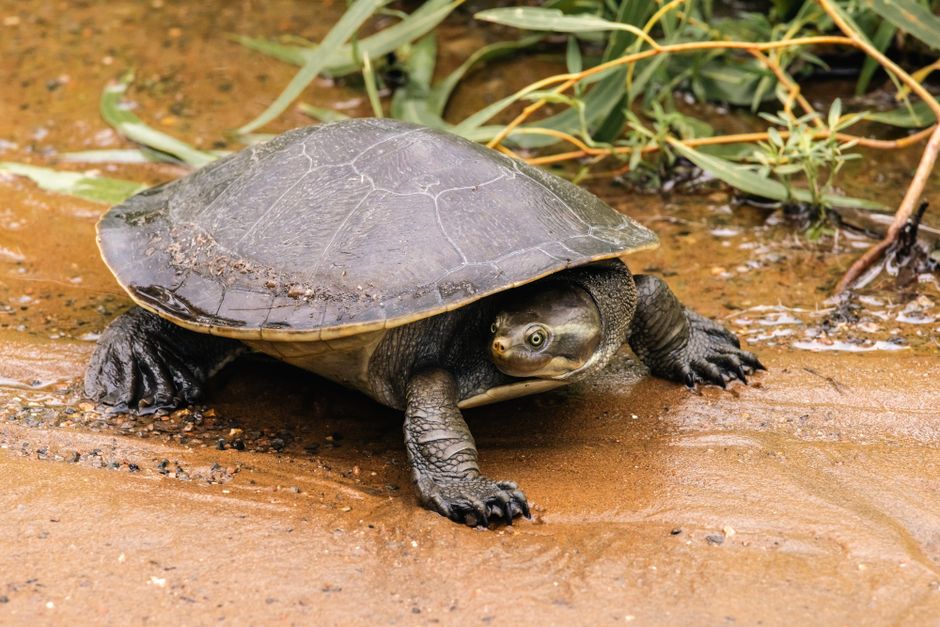
Long-Necked Turtle Drought Survival: Mud Rescue
When water vanished from an Australian wetland, scientists dug long-necked turtles from hardened mud to save them from sudden disaster.
 🦎Reptiles
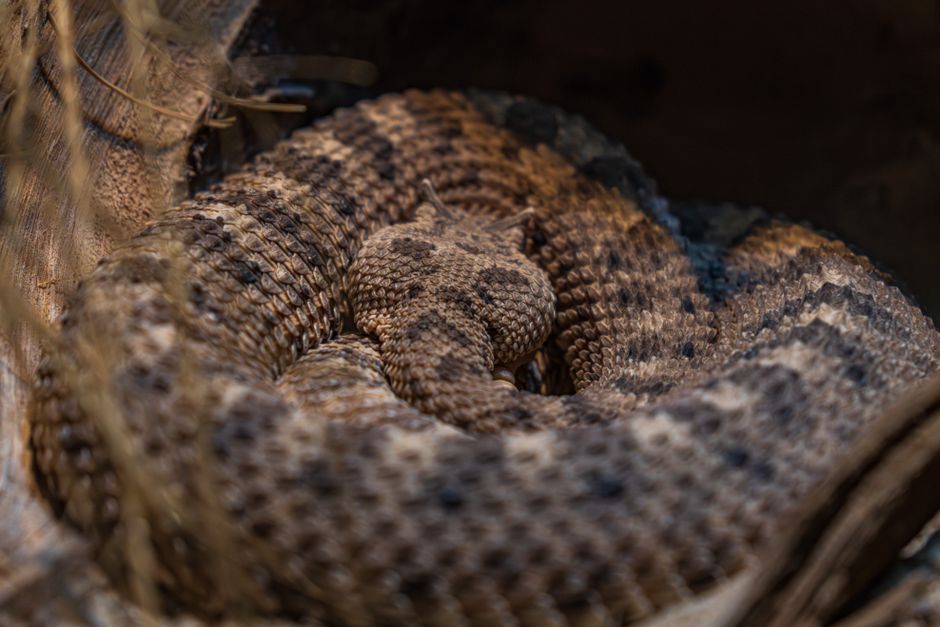
Naming a New Snake Species: Why It Took 7 Years
A scientist waited seven years to name a rare Ethiopian snake, balancing animal welfare and reptile taxonomy along the way.
 🦎Reptiles
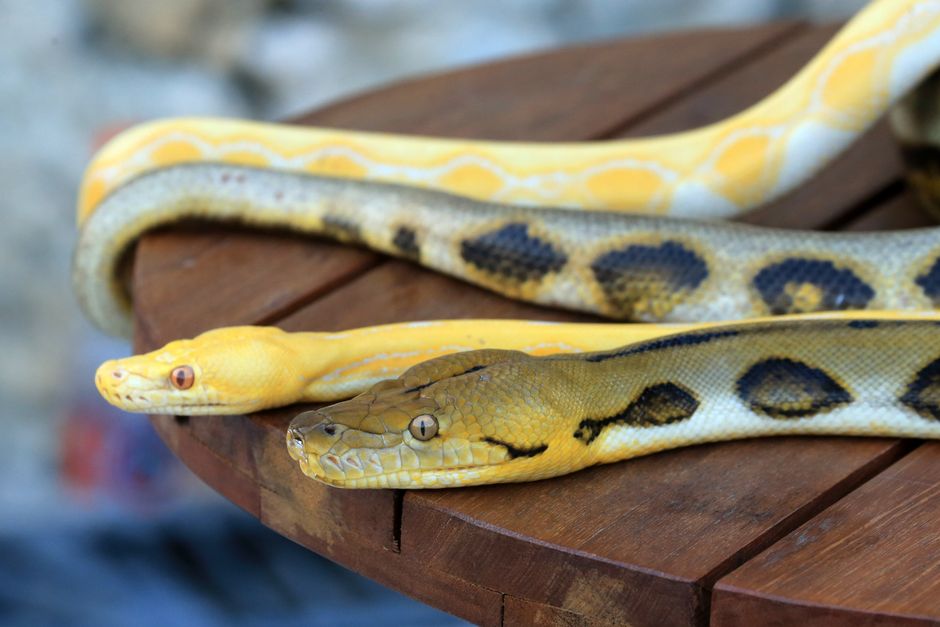
Snakes in Hawaii: Pet Laws and Penalties Explained
Learn why snakes in Hawaii are strictly illegal, the heavy penalties violators face, and how the state reptile amnesty program works.