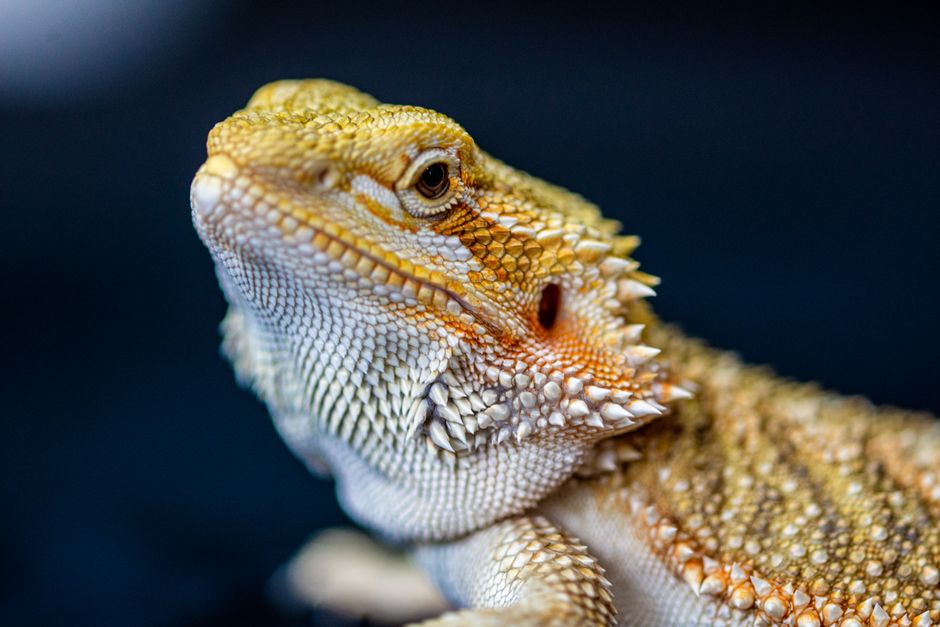
Bearded Dragon Brumation Signs: What to Look For
Seeing your active lizard suddenly slow down can be scary for any reptile parent. The most common bearded dragon brumation signs include sleeping for days at a time, hiding in the coolest corner of the tank, refusing favorite insects, and producing fewer bowel movements. Brumation is a natural dormancy period triggered by seasonal light and temperature changes, allowing healthy adult dragons to conserve energy through colder months.
Understanding this cycle helps you give your pet proper support without panicking. When you know what normal seasonal rest looks like, you can keep your scaly companion safe and tell the difference between healthy sleep and a real medical problem.
What Are the Most Common Bearded Dragon Brumation Signs?
The earliest signs of brumation are a noticeable drop in activity, an urge to burrow into dark hiding spots, and a sharp decrease in appetite. A dragon entering this dormant state will ignore live feeders, spend less time basking under heat lamps, and sleep heavily throughout the day.
Your lizard may start walking toward the cooler side of the habitat as soon as lights turn on. They might scrape at the substrate, tuck their head into a cave, or squeeze beneath a piece of driftwood. Unlike a sudden illness, this shift usually happens over several days or weeks as outdoor daylight hours shorten.
Their digestion slows down to match their reduced activity. Because the lizard is not warming up under the heat lamp, their gut cannot process solid food. As a result, they stop eating and produce very little waste. Pet parents often notice their dragon looking drowsy, with half-closed eyes, even when gently touched.
Is Your Bearded Dragon Brumating or Sick?
A brumating bearded dragon maintains a healthy body weight and clear eyes, while a sick dragon loses weight quickly, shows dark stress marks, or displays discharge around the nose and mouth. Brumation looks like calm, deep sleep, whereas illness causes weakness, sunken fat pads on the head, and sudden weight loss.
Just as pet parents must learn why a budgie stays puffed up when feeling unwell, reptile keepers must monitor subtle posture cues. Reptiles are masters at hiding weakness from predators. A healthy dragon in dormancy stays firm to the touch, keeps good muscle tone, and responds slowly if disturbed.
Warning Signs That Mean a Vet Visit
Never assume your pet is simply sleeping if you spot physical symptoms of illness. A sick dragon forced to cool down can suffer severe complications. Contact an exotic-animal veterinarian right away if you observe any of the following problems:
- Rapid weight loss or a visibly thin, pinched tail base.
- Sunken eyes or flat, hollow fat pads behind the eyes.
- A continuous pitch-black beard while resting or lying flat.
- Mucus, bubbles, or crust around the nostrils, mouth, or eyes.
- Wheezing, open-mouth gasping, or clicking sounds when breathing.
- Foul-smelling, loose, or runny droppings before entering the hide.
Always research a species' full adult needs before buying, and schedule an annual checkup with a qualified exotic vet to rule out parasites before any rest cycle begins. High parasite loads can overwhelm a sleeping dragon whose immune system is running at low speed.
How Long Does Bearded Dragon Brumation Last?
Bearded dragon brumation typically lasts anywhere from a few weeks to four months, depending on the individual lizard, room temperatures, and seasonal lighting. Some dragons nap lightly for three weeks and resume their normal routine, while others stay tucked away for an entire winter.
Every animal has a unique biological clock. Age plays a major role, as young dragons under one year old rarely brumate and should be checked by a vet if they turn sluggish. Older adults often settle into a reliable schedule each year, slowing down in late autumn and waking up in early spring.
Do not be surprised if your dragon wakes up occasionally during the cycle. Many lizards emerge every week or two to drink water, look around their enclosure, and reposition their bodies before heading back to sleep. This intermittent waking is completely normal and shows your pet is resting comfortably.
How to Care for a Brumating Bearded Dragon
To care for a brumating dragon, leave enclosure heating elements on their regular timer schedule, maintain a quiet room, and avoid force-feeding any food. Forcing an inactive dragon to eat is dangerous because undigested food can rot inside their stomach when basking temperatures are not utilized.
Keep a digital scale nearby to track their condition. Weigh your lizard once every two weeks while they rest, handling them gently with minimal disturbance. A healthy dragon should lose almost no weight across several weeks of dormancy, because their metabolic rate drops to near zero.
Offering Fresh Water and Spot Checks
Even though your dragon is resting, their body still requires small amounts of hydration. Follow these low-stress maintenance steps throughout the resting period:
- Keep a shallow dish of fresh, clean water on the cool side of the enclosure at all times.
- Offer drops of water on the tip of the dragon snout using a clean dropper if they wake up.
- Clean away any droppings immediately to keep the enclosure hygienic.
- Check the tank thermometer regularly to verify standard day and night gradients.
- Avoid waking the lizard for handling, holding, or outdoor walks while they are asleep.
By keeping disturbances low, you let your dragon move through their natural cycle without added stress. Once their internal clock signals that the season has shifted, they will return to their basking station on their own.
What Should You Do When Your Bearded Dragon Wakes Up?
When your dragon wakes up for good, give them time to bask under full heat, offer warm hydration, and introduce light meals slowly. The digestive system needs time to restart after weeks of dormancy, so do not offer a huge feast on the very first day.
Start by offering a warm, shallow soak in clean water to encourage drinking and help clear their vent. Keep the water level shallow enough that your lizard can easily keep their head dry. Many dragons take a long drink during this first bath and pass a hard urate plug left over from the resting period.
After bathing, place your lizard directly under the basking lamp. Wait until they have spent several hours warming up before offering food. Begin with easily digested greens and a small portion of gut-loaded feeder insects, gradually increasing meal size over the next week as their energy and appetite return to normal levels.
Final Thoughts
Recognizing early bearded dragon brumation signs gives you peace of mind and helps you protect your pet through every season. By tracking their weight, keeping fresh water available, and watching for red flags, you can support your scaly friend through a peaceful winter rest. Explore our other reptile care guides on RarePetCare to learn more about keeping your exotic companions thriving year-round.
Frequently Asked Questions
At what age do bearded dragons start to brumate?
Most bearded dragons do not brumate until they reach sexual maturity, usually between ten and eighteen months of age. If a baby or juvenile dragon acts lethargic or refuses to eat, consult an exotic veterinarian promptly.
Should you turn off heat and UVB lights during brumation?
No, you should keep your regular heat and UVB lights running on a consistent day and night schedule. The dragon needs the choice to warm up if they wake, and sudden darkness can disrupt their biological rhythms.
Can you handle your bearded dragon while they are brumating?
You should minimize handling and let your dragon sleep undisturbed, except for a quick biweekly weigh-in to confirm they are not losing body mass. Excessive touching or moving can cause unnecessary stress and disrupt their rest.
Why does my bearded dragon wake up and then go back to sleep?
It is completely normal for a dragon to wake up periodically during brumation to adjust their sleeping position, drink water, or bask briefly. They will often return to their hide box after a short period to continue sleeping.
Explore More Reptiles Guides
 🦎Reptiles
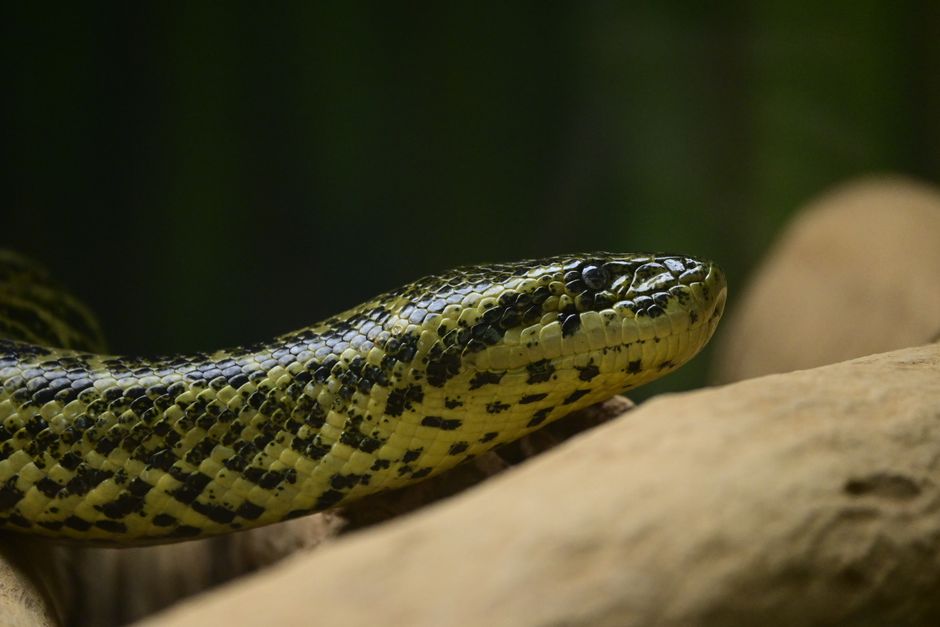
Swimming with Green Anacondas: What Science Shows
Discover what really happens during face-to-face underwater encounters with massive green anacondas in the wild.
 🦎Reptiles
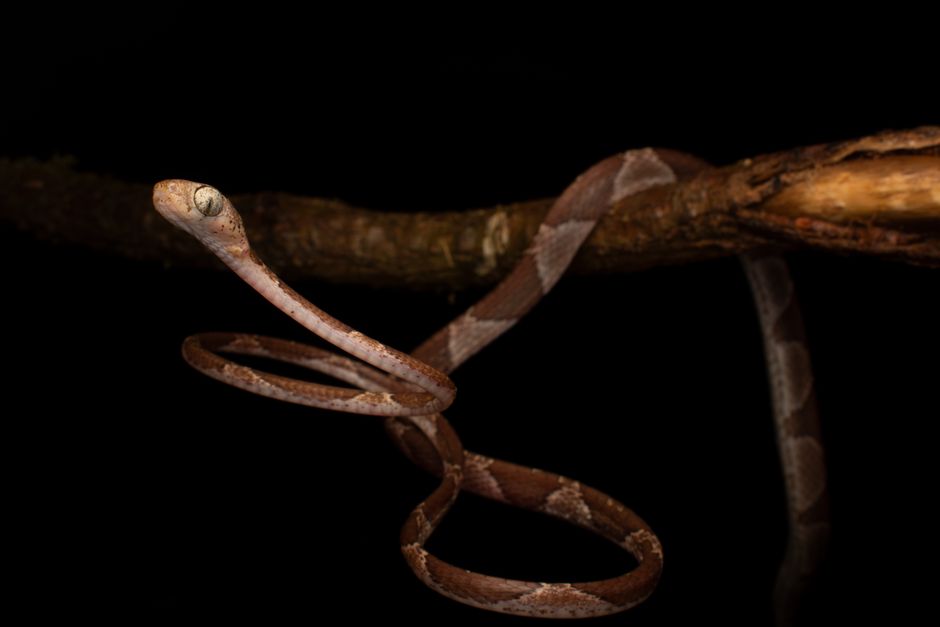
Why Baby Snakes Twist Into Spirals in Eggs
Discover the biological forces that make snake embryos curl into tight coils long before they ever move on their own.
 🦎Reptiles
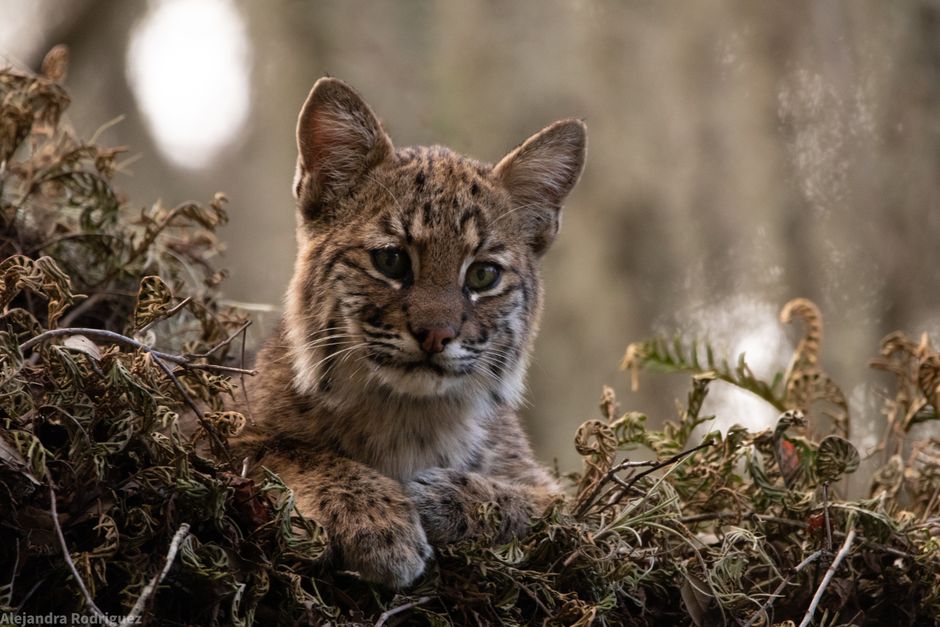
Bobcat vs Rattlesnake: How Bobcats Hunt Them
Camera trap photos captured a rare bobcat vs rattlesnake faceoff, showing how agile wildcats take down heavy venomous snakes.