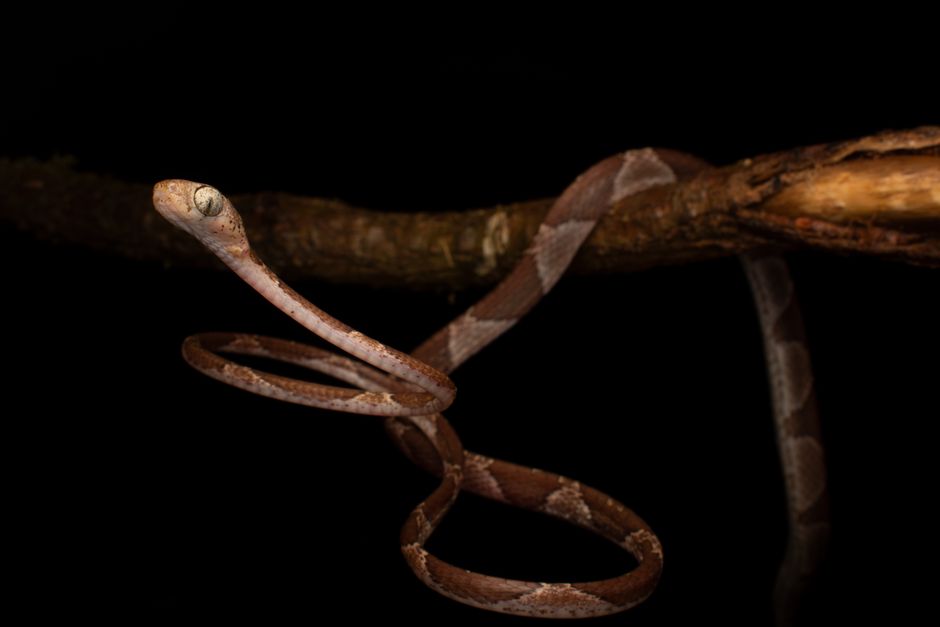
Why Baby Snakes Twist Into Spirals in Eggs
If you have ever candled a clutch of reptile eggs, you may have seen tiny coils forming deep within the shell. The reason why baby snakes twist into spirals before they can move comes down to cellular surface tension rather than muscle action. Specialized tissues pull the growing body into a tight spiral long before nerves or muscles form, allowing the animal to pack its long body safely into a compact egg.
For reptile owners and breeders, watching an egg develop is one of the most exciting parts of reptile care. Understanding this early growth phase gives you a whole new appreciation for how delicate these creatures are from day one.
Why Baby Snakes Twist Into Spirals Before Muscles Grow
Baby snakes twist into spirals before developing muscles because physical forces between expanding layers of tissue mechanically pull the embryo into a curve. As the cells divide and grow at uneven rates across different sides of the body wall, mechanical tension forces the growing spine to fold inward. This means the embryo coils naturally as an automatic physical reaction rather than an intentional muscular movement.
Early in embryonic life, a snake does not have functional motor nerves or muscle fibers strong enough to curl its spine. Instead, the growing embryo relies on mechanical constraints within the egg and variations in tissue growth rates. As the dorsal and ventral sides of the body form, one side lengthens slightly faster than the other, causing a gentle bending action that gradually tightens into a neat coil.
Scientists studying reptile biology discovered that external embryonic membranes also exert a gentle inward pull. These membranes cradle the tiny body and guide it along a circular track. Without this physical guidance, an elongated animal would run into the hard boundaries of the shell and risk severe spinal deformities.
How Do Snake Embryos Fit Inside Small Eggs?
Snake embryos fit inside small eggs by utilizing a compact spiral geometry that maximizes space and prevents developmental kinks. By coiling tightly around their central yolk sac, developing snakes can grow many times longer than the shell itself without running out of room. This spiral posture also keeps the fragile yolk stalk protected in the center of the egg.
Snakes have hundreds of vertebrae, making them unusually long compared to other vertebrates at the same developmental stage. If a baby snake grew straight, it would need an egg several times larger than the mother could physically carry. Coiling solves this geometric dilemma completely.
The Role of the Yolk Sac
The yolk sac acts as the center anchor point for the entire coiled body. As the embryo lengthens, it wraps closely around this nutrient source, which keeps the delicate blood vessels safe from pinching or tearing. As the yolk shrinks near hatching time, the snake simply tightens its resting posture until it is ready to pip the shell.
Egg incubation conditions can have a huge effect on how well this process works. Temperature drops or moisture swings can cause uneven growth, which is why monitoring your incubator daily is essential for healthy hatchlings. Similar developmental irregularities can occur across many reptiles, as seen in cases like the two-headed turtle, where early embryonic division does not complete properly.
What Happens If a Snake Embryo Cannot Coil?
If a snake embryo cannot coil properly, it usually develops severe spinal kinks, failed blood circulation, or fatal embryonic arrest. Proper coiling allows the vascular network to spread evenly around the yolk and shell membrane so the embryo can absorb oxygen and nutrients. When an embryo fails to form a spiral, localized pressure points can cut off blood flow and cause the embryo to perish.
Breeders occasionally see hatchlings born with spinal kinks or fused ribs. While some of these issues are genetic, many stem from poor incubation humidity or physical shocks that disrupted the delicate membranes during early coiling. If the egg dries out, the inner membranes stick to the embryo and stop it from curving smoothly.
Here are several key incubation factors that protect developing embryos during this stage:
- Stable incubation temperatures that prevent rapid, uneven cellular division.
- Proper ambient humidity so the inner shell membranes remain flexible and slippery.
- Gentle handling during the first two weeks, avoiding any turning or rolling of the eggs.
- Adequate air exchange to keep oxygen flowing through the porous eggshell.
Always research a species' full adult needs before buying or breeding, and provide clean, steady environments for both parents and eggs. If you ever suspect health issues in your breeding stock, consult an exotic-animal veterinarian for specific guidance.
How Does Snake Embryo Coiling Compare to Other Reptiles?
Snake embryo coiling differs from other reptiles because snakes must arrange a drastically elongated body axis without limbs to steady their position. Lizards and turtles curl slightly within their shells, but their shorter spines and developing limb buds limit how many rotations they make. Snakes, by contrast, can form multiple overlapping loops that look like a wound spring inside the shell.
Even giant constrictors start out using this exact same microscopic folding process. Whether looking at a tiny garter snake or learning how a mongoose faces a python in the wild, every snake species relies on this ancient mechanical blueprint to survive the egg stage.
Flexibility from the Earliest Days
The skeletal tissue in an early snake embryo is made entirely of soft, flexible cartilage rather than rigid bone. This softness allows the body to bend at extreme angles without snapping or damaging internal organs. Bone mineralizes much later in incubation, only after the coil is fully established and the body is safely tucked away.
Because cartilage bends so easily, the mechanical forces of the growing body wall are all that is needed to create the spiral. No complex nerve signals or conscious effort are required from the baby snake.
How Breeders Can Support Healthy Embryo Growth
Breeders can support healthy embryo growth by setting up a reliable incubator well before eggs are laid and keeping the eggs completely undisturbed once placed inside. Minimizing temperature swings and maintaining high humidity keeps the internal egg fluids fluid and free-moving, which lets the embryo coil without friction. Checking temperatures with calibrated digital probes ensures the environment stays within safe parameters.
Once a snake deposits her clutch, the orientation of the eggs must stay fixed. Unlike bird eggs, reptile embryos fuse to the top wall of the egg shortly after laying. Turning or rotating the egg can tear delicate membranes and detach the embryo from its air pocket, ending its development immediately.
Keep these best practices in mind when setting up your incubation container:
- Mark the top of each egg lightly with a pencil so you never accidentally roll it.
- Use a quality incubation medium that holds moisture without getting soggy.
- Keep the incubator in a quiet room with minimal foot traffic and no direct sunlight.
- Candle eggs sparingly to avoid heat spikes from bright inspection lamps.
Final Thoughts
Understanding why baby snakes twist into spirals gives keepers a clear window into the incredible engineering of reptile biology. From physical tissue tension to space-saving geometry, nature finds clever ways to help long-bodied animals thrive inside small eggs. Explore our other RarePetCare guides to learn more about reptile care, breeding tips, and exotic pet health.
Frequently Asked Questions
Do baby snakes move inside the egg?
Yes, baby snakes begin moving inside the egg during the later stages of development once their muscles and nervous systems form. In the earliest stages, however, their curled posture is caused strictly by tissue growth forces rather than active movement.
Can you rotate snake eggs during incubation?
No, you should never rotate snake eggs during incubation because the embryo attaches to the inside wall of the egg shortly after laying. Rolling or turning the egg can drown the embryo in its own fluids or tear vital blood vessels.
Why do some baby snakes hatch with kinks?
Baby snakes can hatch with spinal kinks due to genetic mutations, incubation temperatures that fluctuated too widely, or dry conditions that prevented proper coiling inside the egg. Maintaining steady heat and humidity helps prevent these structural deformities.
How long does it take for a snake embryo to hatch?
Incubation times vary widely depending on the species, with most common pet snakes taking between fifty and seventy days to hatch. Species-specific care guides and consultation with an experienced reptile vet will give you precise timing for your clutch.
Explore More Reptiles Guides
 🦎Reptiles
Bobcat vs Rattlesnake: How Bobcats Hunt Them
Camera trap photos captured a rare bobcat vs rattlesnake faceoff, showing how agile wildcats take down heavy venomous snakes.
 🦎Reptiles
Two-Headed Turtle: Causes, Survival, and Care
Discover what causes a two-headed turtle to hatch, the survival hurdles they face, and how caretakers support these rare hatchlings.
 🦎Reptiles
Baby Sea Turtles in a Pool: Why It Happens and Next Steps
Discover why baby sea turtles wander into backyard swimming pools, what chlorine does to them, and how to safely respond.