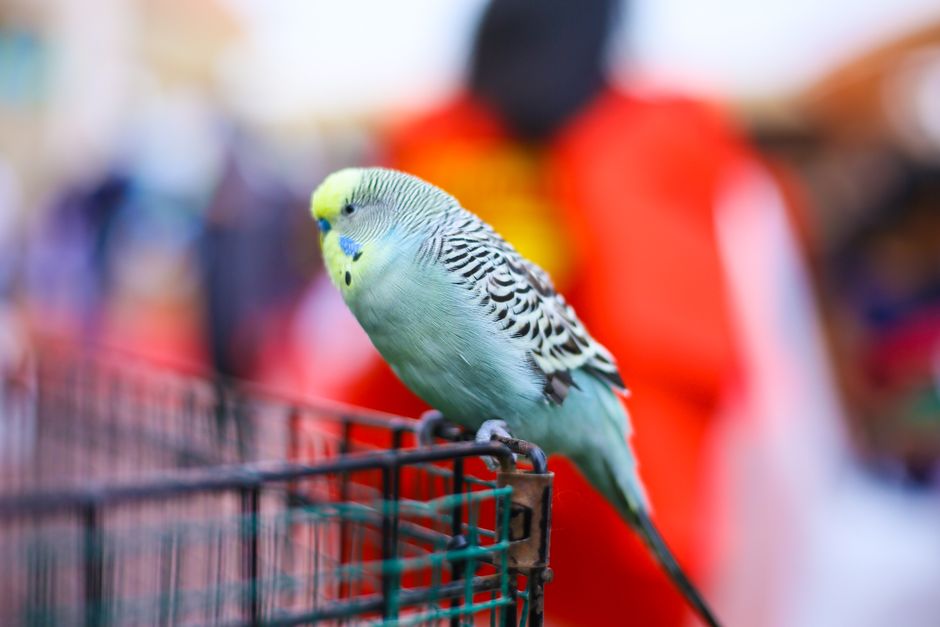
Why Is My Budgie Puffed Up? Causes and Next Steps
A budgie with fluffed feathers can look adorable, like a tiny round ball of pastel colors. If you find yourself asking, why is my budgie puffed up, the answer usually comes down to either normal relaxation, temperature control, or a sign of illness. A relaxed budgie puffs up briefly before sleep or grooming, while a sick bird stays puffed for hours to trap body heat and conserve energy.
Budgies are prey animals by nature, which means they hide weakness as long as possible. Spotting subtle changes in body language makes all the difference. In this guide, we will walk through the exact reasons your bird fluffs up, how to tell calm behavior from sickness, and what practical steps you should take right away.
Why Is My Budgie Puffed Up During the Day?
A budgie puffs up during the day to regulate its body temperature, prepare for a nap, or conserve energy when feeling sick. Trapping air between feathers helps your bird stay warm, which is why healthy birds fluff up in cool rooms and sick birds fluff up even in mild conditions. If your bird shakes out its feathers, chirps, and hops back to its food dish after a quick fluff, it is simply resting or preening.
Context is everything when observing your pet. Healthy budgies routinely fluff up for short periods before settling down for a mid-afternoon snooze. They might grind their beaks contentedly, tuck one foot up into their belly feathers, and close their eyes for twenty minutes. This relaxed posturing shows that your bird feels secure in its living space.
Problems arise when the fluffed posture does not go away. A bird that remains stationary, sitting on both feet with feathers puffed out and tail bobbing, is not having a casual nap. That posture tells you the bird is fighting off chills or physical distress and needs immediate help.
How Can You Tell If a Puffed Budgie Is Sick?
You can tell a puffed budgie is sick if the puffiness lasts for hours and comes with changes in droppings, low energy, sitting on the cage floor, or a clicking sound while breathing. Unlike a sleepy bird, a sick budgie stays puffed even when you walk up to the cage, showing little to no interest in treats, toys, or daily flock chatter.
Watch the eyes and posture closely. A tired but healthy bird opens bright, clear eyes when you say hello, then might stretch a wing and a leg before getting moving. A sick bird often keeps its eyes half-closed or dull, letting its head sink low between its shoulders. It may also balance poorly on its perch, choosing a wide stance or retreating to the bottom grate where it takes less effort to stand.
Changes in droppings are another clear warning sign. Normal droppings have three parts: a firm dark green or brown stool, white chalky urates, and clear liquid urine. If you notice runny watery waste, bright yellow urates, or whole undigested seeds, your budgie needs prompt attention. Check the feathers around the vent as well, since stained or matted feathers indicate digestive upset.
Critical Warning Signs to Check
- Sitting puffed at the bottom of the cage instead of roosting on a perch
- Tail bobbing up and down noticeably with every breath
- Crust, wet discharge, or feather loss around the nostrils and eyes
- Loss of appetite, refusing favorite millet sprays, or regurgitating whole seeds
- Sleeping with both feet flat on the perch rather than tucking one foot up
Can Room Temperature Cause Feather Puffing?
Yes, cool ambient room temperatures or cold air drafts can cause a budgie to puff up its feathers to trap a protective layer of warm air against its skin. Budgies thrive best in draft-free living spaces that stay between 65 and 75 degrees Fahrenheit, and sudden temperature drops force them to stay puffed simply to maintain core body heat.
Drafts are especially dangerous for companion birds. An open window, an air conditioning vent blowing directly on the cage, or a chilly exterior door can quickly strip heat from a small bird body. If your bird shivers slightly while puffed, the room is likely too cold. Move the cage away from exterior walls and drafty hallways to create a more stable environment.
In the wild, budgies and other native Australian birds depend on balanced regional ecosystems, where shifts like how insect declines affect wildlife can alter food availability and nesting habits, but pet birds rely entirely on us for their immediate climate and comfort. If winter weather brings a chill into your home, consider using a bird-safe ceramic heat emitter placed outside the cage or covering three sides of the cage with a thick towel to block wandering breezes.
What Should You Do If Your Budgie Stays Puffed?
If your budgie stays puffed for more than an hour or two without obvious cause, isolate the bird in a quiet, warm room and schedule an appointment with an avian veterinarian immediately. Small birds have high metabolic rates, meaning an illness can escalate into a critical emergency in less than twenty-four hours without proper medical care.
Start by setting up a hospital cage or making the current cage easy to rest in. Lower perches closer to the floor so your bird does not risk a fall if it loses balance. Place shallow food and water dishes right next to where the bird is sitting, making it effortless to stay hydrated and eat without burning valuable calories. Never force liquid medicine down a bird beak with an eye dropper, as fluid can easily enter the trachea and cause aspiration.
As an essential welfare note, every bird owner should establish a relationship with an exotic-animal veterinarian before problems start, because generic dog-and-cat clinics often lack the tools to test and treat delicate avian species. Your vet can perform crop swabs, fecal tests, and safe examinations to pinpoint the issue, whether it is a bacterial infection, respiratory disease, or dietary deficiency.
Final Thoughts
Learning why is my budgie puffed up comes down to watching context, posture, and daily energy levels. While brief puffing means your feathered friend is cozy and ready to sleep, persistent puffiness is a clear call for warmth, rest, and veterinary support. Keep exploring RarePetCare for more practical bird care guides, safe habitat setups, and daily wellness tips for your companion flock.
Frequently Asked Questions
Why does my budgie puff up when I talk to it?
Budgies puff their neck and head feathers when listening to familiar voices as a sign of relaxation, affection, and social engagement.
How long should a budgie stay puffed up normally?
A healthy budgie usually puffs up for ten to thirty minutes during a nap, or just a few seconds while stretching and preening.
Is a puffed budgie in pain?
Prolonged puffing combined with squinted eyes, hunched posture, and silence often signals pain, discomfort, or progressive illness in birds.
What should I feed a sick puffed budgie?
Offer warm, easily digestible foods like plain cooked oats or millet sprays alongside fresh water, then seek avian veterinary guidance right away.
Explore More Birds Guides
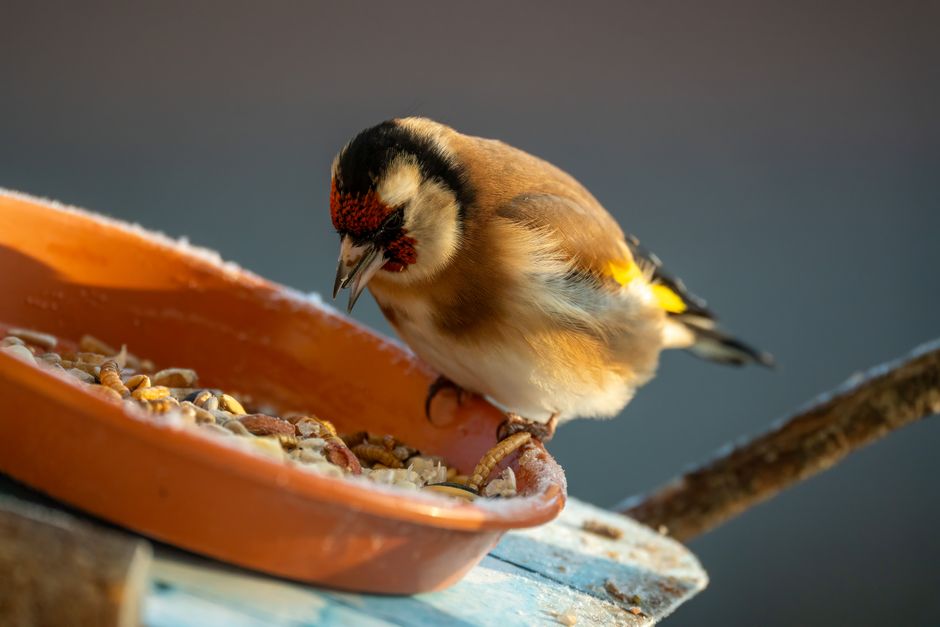 🦜Birds
Bird Flu Backyard Feeders: Is It Safe to Feed Birds?
Feeding wild birds brings nature close, but bird flu risks at backyard stations mean pet parents must take precautions.
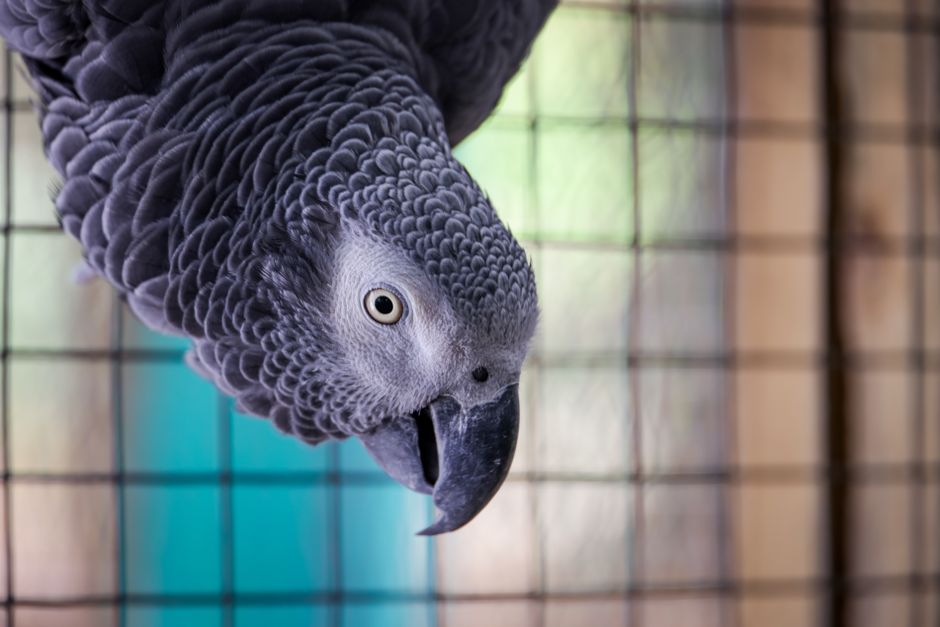 🦜Birds
Wild Parrots of San Francisco: Rescue and Urban Life
A wild red-masked parakeet was freed by firefighters in San Francisco, showing the unique challenges feral parrot flocks face in the city.
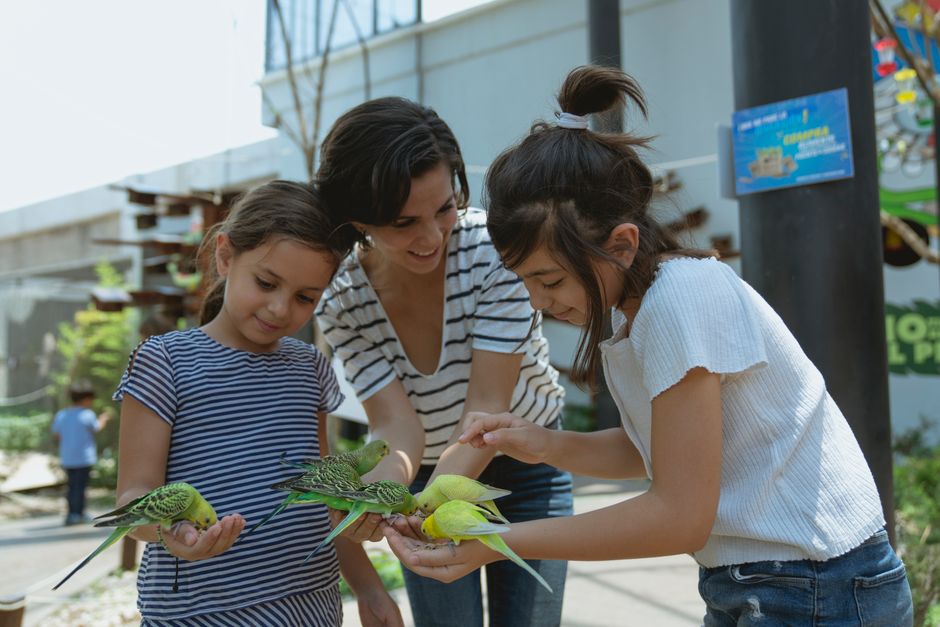 🦜Birds
How to Bond with a Bird: Safe Steps for Pet Parents
Learn how to bond with a bird using gentle body language, predictable routines, and positive reinforcement to build lifelong trust.