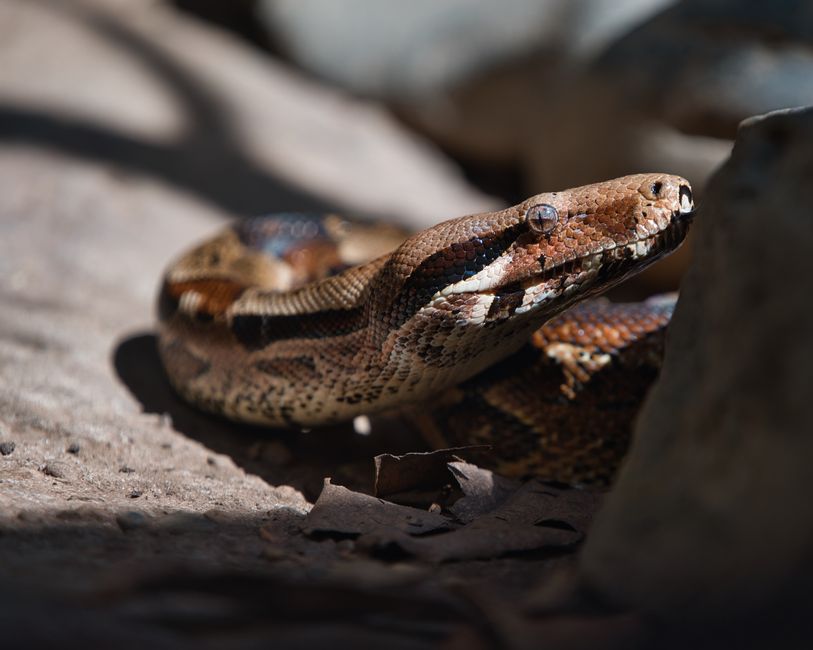
Broad-Headed Snake Release: Saving an Australian Icon
Reptile conservation reached a milestone in Australia with the return of four captive-bred juvenile broad-headed snakes to their natural bushland. A broad-headed snake release is a managed wildlife conservation effort designed to reintroduce captive-born juvenile Broad-headed Snakes (Hoplocephalus bungaroides) into historical native habitats, helping restore dwindling wild numbers through long-term scientific tracking and habitat protection. This targeted broad-headed snake release shows how dedicated research can pull rare species back from the brink of localized extinction.
For reptile lovers and pet parents who admire unusual cold-blooded creatures, seeing conservationists step in to save a shy, venomous elapid is truly exciting. It takes immense dedication, careful environmental control, and years of fieldwork to get captive-born snakes ready for life outdoors.
Why is the broad-headed snake release so important?
The broad-headed snake release is important because it represents the first time captive-bred juveniles of this threatened species have been returned to the wild to restock depleted native numbers. Led by University of Technology Sydney wildlife ecologist Professor Jonathan Webb, who has studied these snakes for more than 34 years, the project tests whether captive breeding can prevent the snake from disappearing entirely.
Broad-headed snakes are small, striking elapids known for their black bodies marked with bright yellow bands. They are native to the sandstone basins around Sydney and nearby regions in New South Wales. Over several decades, their wild territory has shrunk due to urban expansion, bush rock removal, and illegal reptile poaching.
Releasing four healthy juveniles may sound like a modest step, but each young animal represents years of specialized husbandry and genetic planning. In small, vulnerable populations, adding even a few healthy females and males can prevent localized extinction. Researchers monitor these young snakes closely to learn how well captive-born reptiles locate food, escape predators, and settle into natural shelters.
Sandstone Rock Disturbance and Habitat Loss
The biggest challenge facing this species is the loss of loose sandstone rocks, often called bush rock. Landscapers and collectors have taken these flat rocks from wild ridges for decades to decorate suburban garden beds.
When people disturb or take these sun-warmed rocks, they destroy the exact thermal shelters the snakes need during cold winter months. Without these natural hot spots, broad-headed snakes cannot keep their bodies warm enough to digest meals or hide from predators like kookaburras and feral carnivores.
What makes the broad-headed snake unique among reptiles?
The broad-headed snake is unique because it shifts between two completely different living spaces during the year, spending winters under sun-baked sandstone slabs and moving into hollow eucalyptus trees for summer. This seasonal pattern requires specific microclimates that very few other Australian snakes rely on.
During chilly winter weather, these snakes curl up beneath thin layers of rock that warm quickly under the morning sun. Once warmer spring temperatures arrive, they leave the rocky ledges and climb high into the forest canopy. High inside tree hollows, they hunt small arboreal mammals, frogs, and sleeping lizards.
Their primary food source as juveniles consists of native geckos that share their rocky crevices. While companion pet parents might watch leopard gecko tail wagging in a cozy home terrarium, wild geckos in Australia serve as the primary fuel source for young broad-headed snakes. If the local gecko population drops due to habitat disturbance, young snakes quickly run out of food.
Because broad-headed snakes produce venom and have specific wild needs, they are not suitable for regular home terrariums. Always research a species full adult needs and legal requirements before acquiring any pet reptile, and consult an exotic-animal veterinarian whenever you have health questions about captive animals.
How does captive breeding help wild snake populations survive?
Captive breeding helps wild snake populations survive by protecting vulnerable eggs and newborns from extreme weather, parasites, and hungry predators during their most fragile stage of life. In nature, juvenile mortality among small snakes can exceed eighty percent during their first winter.
By raising young broad-headed snakes in carefully managed facilities, biologists ensure that every hatchling gets regular meals, stable heat gradients, and parasite-free conditions. Once the young snakes reach a sturdy size, they have a much higher chance of enduring their first year outdoors.
Preparing captive-bred reptiles for life in the wild is not simple, though. Field biologists and reptile experts must track several essential factors before opening the transport boxes:
- Physical condition and healthy body weight to ensure sufficient fat stores during seasonal changes.
- Natural feeding behavior, confirming the snake strikes and consumes live, moving prey without human assistance.
- Appropriate sheltering instincts, checking that juveniles actively seek out tight rock crevices rather than remaining exposed.
- Thermal health, verifying that the animals know how to move between warm and cool zones to regulate their internal temperature.
By meeting these marks, biologists give the released juveniles the best possible start in their ancestral territory.
Can captive reptile care support broader conservation efforts?
Captive reptile care supports broader conservation efforts by revealing the precise humidity, temperature, and dietary needs of delicate species that are difficult to study in dense wild brush. Insights discovered by dedicated breeders and caretakers often help field scientists design better artificial shelters and conservation programs.
For example, researchers working on the broad-headed snake project have placed artificial concrete rocks in natural habitats to replace stolen bush rock. Understanding the thermal properties that captive reptiles prefer helped engineers cast synthetic shelters that mimic the heat retention of natural sandstone slabs.
Responsible reptile stewardship also promotes appreciation for wildlife protection laws. Strict regulations prevent wild harvesting, just like common pet trade rules protect animals domestically. You can see similar conservation principles in action when exploring why selling small pet turtles is banned under federal regulations to protect public health and animal well-being.
When keepers understand how deeply each reptile species connects to its home ecosystem, they become stronger voices for preserving natural environments worldwide.
Final Thoughts
The successful broad-headed snake release in Australia proves that steady field research paired with careful captive management can give endangered reptiles a fighting chance. Protecting natural rock formations and preventing habitat destruction will ensure these four young snakes thrive in their wild home for decades to come. Explore more RarePetCare guides to learn about responsible reptile husbandry, unique animal behaviors, and ongoing wildlife stories.
Frequently Asked Questions
What is the broad-headed snake release project?
It is an Australian conservation program led by Professor Jonathan Webb that returns captive-bred juvenile broad-headed snakes to restored sandstone habitats.
Why are broad-headed snakes endangered?
They face severe population declines due to urban development, illegal bush rock harvesting, and poaching.
Are broad-headed snakes venomous?
Yes, broad-headed snakes are venomous members of the elapid family and possess venom capable of causing serious harm to humans.
What do broad-headed snakes eat in the wild?
Juveniles primarily feed on small rock-dwelling geckos, while adult snakes eat geckos, skinks, frogs, and small mammals.
Explore More Reptiles Guides
 🦎Reptiles
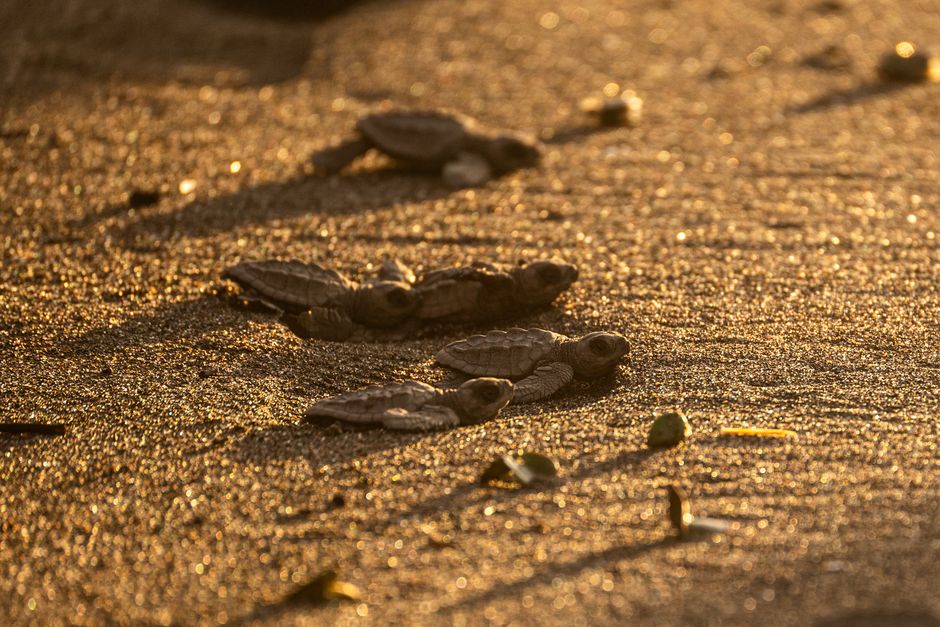
Sea Turtle Eggs in California: The Rare Hatching Story
Rare olive ridley sea turtle eggs laid on Southern California beaches have hatched after receiving specialized care in Long Beach.
 🦎Reptiles
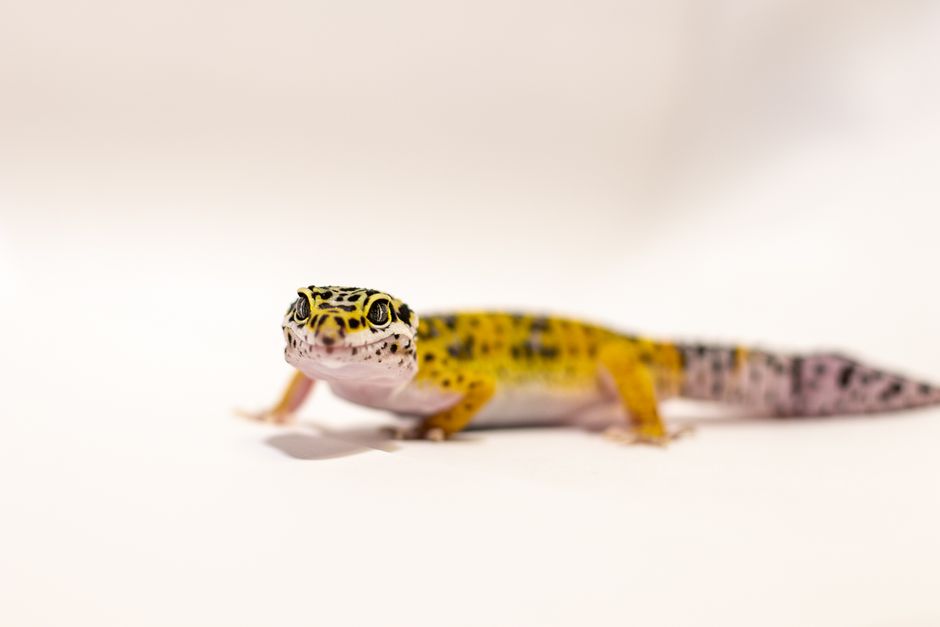
Leopard Gecko Tail Wagging: Causes and Meaning
Discover why leopard geckos wag their tails, from predatory excitement to defensive warnings, and learn how to read their body language.
 🦎Reptiles
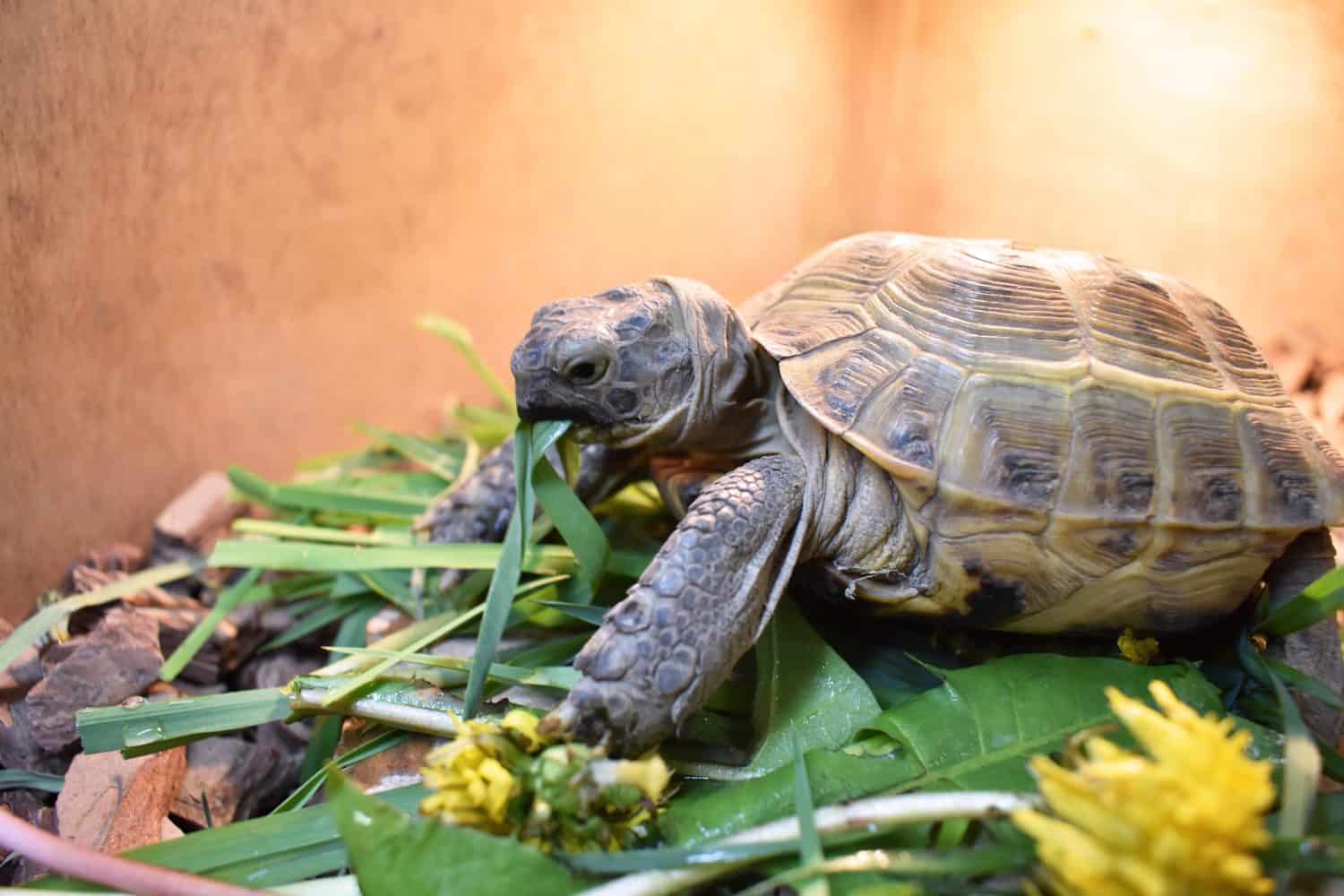
Why Selling Small Pet Turtles Is Banned in the US
Learn why the United States banned sales of small pet turtles under four inches and how the law protects public health.