Sea Turtle Eggs in California: The Rare Hatching Story
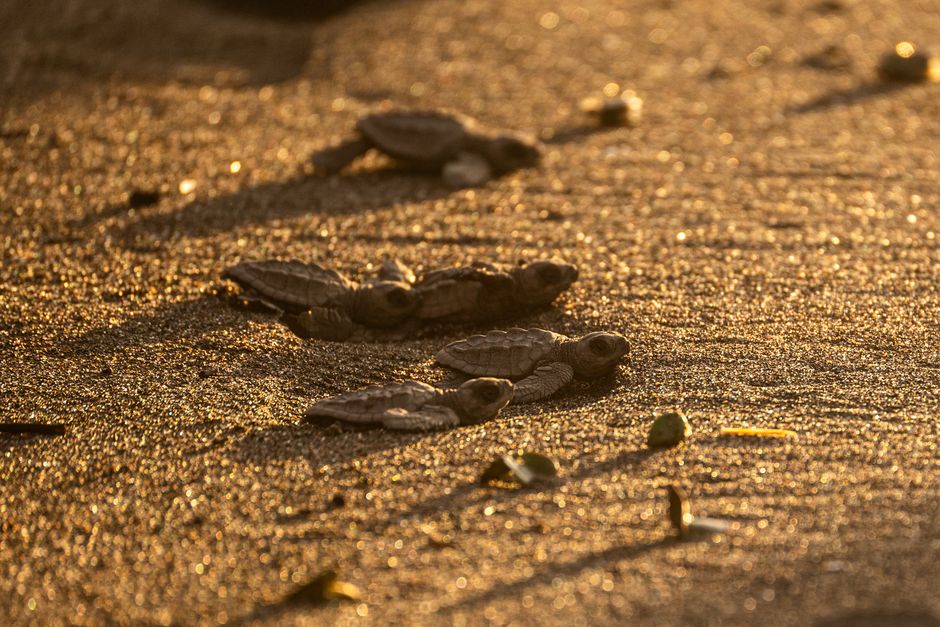
Finding viable sea turtle eggs in California is an extraordinary wildlife event because Pacific sea turtles almost never nest on local beaches. In late summer, female olive ridley sea turtles deposited clutches of eggs on Sunset Beach and Huntington Beach in Orange County, prompting marine biologists to step in. After careful incubation under expert supervision at the Aquarium of the Pacific in Long Beach, the healthy hatchlings emerged and returned to the ocean.
For reptile enthusiasts, this surprising event offers a fascinating window into sea turtle nesting ecology and the critical work done by wildlife specialists. Here is the full story of how these eggs were discovered, why the event surprised researchers, and what it means for marine reptile conservation along the Pacific coast.
Why Finding Sea Turtle Eggs in California Is So Unusual
Finding sea turtle eggs in California is very unusual because local beaches have cold surface water and chilly sand that cannot support normal egg incubation. Most marine turtles require warm, tropical or subtropical sand temperatures to successfully develop and hatch their clutches. Southern California sits well north of the typical nesting range for the olive ridley sea turtle, making this nesting event a true biological oddity.
Olive ridleys are primarily warm-water reptiles that gather in massive groups, known as arribadas, along the Pacific shores of Mexico and Central America. When individual females swim past Baja California into cooler coastal regions, they rarely attempt to nest. A wandering female might occasionally follow warm ocean currents northward, similar to sightings of a sea turtle in Monterey Bay, but laying eggs on urban California shores is almost unheard of.
Southern California beaches face heavy human foot traffic, night lighting, and unpredictable fall temperatures. Had the eggs stayed buried in the cold sand along Huntington and Sunset beaches, they would not have survived the cooling autumn weather. Biologists knew right away that human intervention was the only viable path to save the clutches.
Tropical Nesting Habits vs Cold Pacific Waters
Sea turtle eggs rely entirely on external ambient heat within the sand nest to drive embryonic development. In tropical regions, sun-baked sand maintains a warm, stable microclimate for about two months. In Southern California, coastal fog, marine layers, and dropping night temperatures create sand conditions far too chilly for reptilian embryos to mature.
Without sustained warmth, the metabolic development of the embryos stalls. This temperature barrier is why California has never had established sea turtle rookeries. The fact that an olive ridley chose these shores highlights how dynamic and unpredictable marine reptile behavior can be when ocean currents shift.
How the Olive Ridley Hatchlings Were Rescued and Incubated
Wildlife experts rescued the clutches by carefully excavating the nests and transporting them directly to the Aquarium of the Pacific in Long Beach for controlled incubation. Specialized biologists monitored temperature, moisture, and airflow within dedicated incubators to mimic the natural tropical sand environment. Thanks to this prompt relocation, the eggs developed normally and produced a healthy group of active hatchlings.
Excavating a sea turtle clutch is a delicate, precise process. Once an egg is laid, the developing embryo attaches to the inner membrane within hours. Any rough movement, rotating, or bumping can detach the embryo and prove fatal. Biologists marked each egg's orientation, packed them in protective containers with damp sand, and drove them carefully to the facility.
Inside the facility, animal care teams maintained ideal conditions around the clock. They checked humidity levels to ensure the shells did not dry out or absorb too much moisture. When the young turtles finally pipped their shells, staff gave them time to absorb their remaining yolk sacs before preparing them for release.
Steps Wildlife Teams Take When Nests Are Threatened
Relocating an endangered or threatened marine turtle nest requires legal authorization and strict scientific protocols. Trained biologists follow specific steps to maximize survival rates during an emergency rescue:
- Careful documentation of the nest site, depth, and egg count to collect scientific data.
- Gentle extraction without turning or shaking the fragile eggs.
- Placement in temperature-controlled incubators that maintain appropriate moisture and warmth.
- Regular health exams of newborn hatchlings by licensed veterinary staff prior to release.
- Timing releases carefully to match optimal tides, water temperatures, and minimal predator activity.
These organized steps give vulnerable clutches the highest possible chance of reaching the open sea alive and healthy.
What Happens When Baby Sea Turtles Return to the Ocean?
Once baby sea turtles hatch and absorb their yolk sacs, biologists release them directly into suitable ocean waters where they immediately enter a frenzied swimming stage. This natural survival instinct drives the young turtles to swim continuously away from shore toward open-ocean drift lines. In these offshore weed lines, they find tiny food items and essential shelter from hungry nearshore predators.
The early life of an olive ridley sea turtle is spent drifting in major pelagic currents. Young hatchlings feed on small invertebrates, jellyfish, fish eggs, and tiny crustaceans floating near the ocean surface. They spend several years maturing in these offshore current systems before migrating back toward coastal foraging grounds as larger juveniles.
Survival in the open ocean is tough for any young marine reptile. Out of hundreds of hatchlings that enter the surf, only a tiny fraction will survive the journey to adulthood. Releasing captive-incubated hatchlings gives them an important head start, ensuring they enter the sea well-hydrated, rested, and physically prepared for the swim.
How Beachgoers Can Protect Nesting Sea Turtles
Beachgoers can protect wild sea turtles by giving them wide berth, keeping lights off at night, and immediately notifying state wildlife officials if a nesting turtle or track is spotted. Disturbed turtles will abandon their nesting attempts and dump their eggs in the water where they cannot develop. Staying quiet and keeping pet dogs leashed keeps the nesting female calm and safe.
Urban beaches present many hazards for wandering reptiles. Bright flashlights, beach bonfires, and streetlights disorient both nesting adults and emerging hatchlings, leading them toward roads instead of the water. Trash like plastic bags and discarded fishing line can also entangle or choke marine life.
Pet keepers should always remember that wild reptiles belong in their native ecosystems, just as private owners must research a species' full adult needs before buying any pet reptile or turtle. Just as federal regulations explain why selling small pet turtles is banned in the US to protect both human health and animal welfare, wild marine species require strict legal protections so they can thrive in peace. If you ever encounter a sea turtle on a local beach, never touch the animal or attempt to move the eggs yourself. Contact local stranding networks or wildlife authorities right away.
Final Thoughts
The successful rescue, incubation, and release of sea turtle eggs in California stands as a remarkable milestone for local marine conservation. Dedicated intervention by the Aquarium of the Pacific gave these rare olive ridley hatchlings the fighting chance they needed to reach the open sea. By respecting coastal wildlife habitats and reporting unusual sightings, ocean lovers can continue to help safeguard vulnerable reptiles along our shared coastlines.
Want to discover more about unique reptile behaviors, species profiles, and expert husbandry advice? Explore the rest of our comprehensive RarePetCare guides to deepen your animal knowledge today.
Frequently Asked Questions
Do sea turtles usually lay eggs on California beaches?
No, sea turtles rarely lay eggs in California because the sand and coastal waters are too cold for proper egg development.
What species laid the eggs found on Sunset and Huntington beaches?
The eggs were laid by an olive ridley sea turtle (Lepidochelys olivacea), a species typically found nesting in tropical waters.
Who incubated the sea turtle eggs found in Southern California?
Marine biologists and veterinary teams at the Aquarium of the Pacific in Long Beach incubated and cared for the eggs.
What should you do if you see a sea turtle on a California beach?
Keep your distance, do not touch the animal, turn off bright lights, and immediately call local marine wildlife authorities.
Explore More Reptiles Guides
 🦎Reptiles
Broad-Headed Snake Release: Saving an Australian Icon
A historic broad-headed snake release in Australia provides vital hope for a threatened elapid and teaches big lessons about reptile care.
 🦎Reptiles
Leopard Gecko Tail Wagging: Causes and Meaning
Discover why leopard geckos wag their tails, from predatory excitement to defensive warnings, and learn how to read their body language.
 🦎Reptiles
Why Selling Small Pet Turtles Is Banned in the US
Learn why the United States banned sales of small pet turtles under four inches and how the law protects public health.