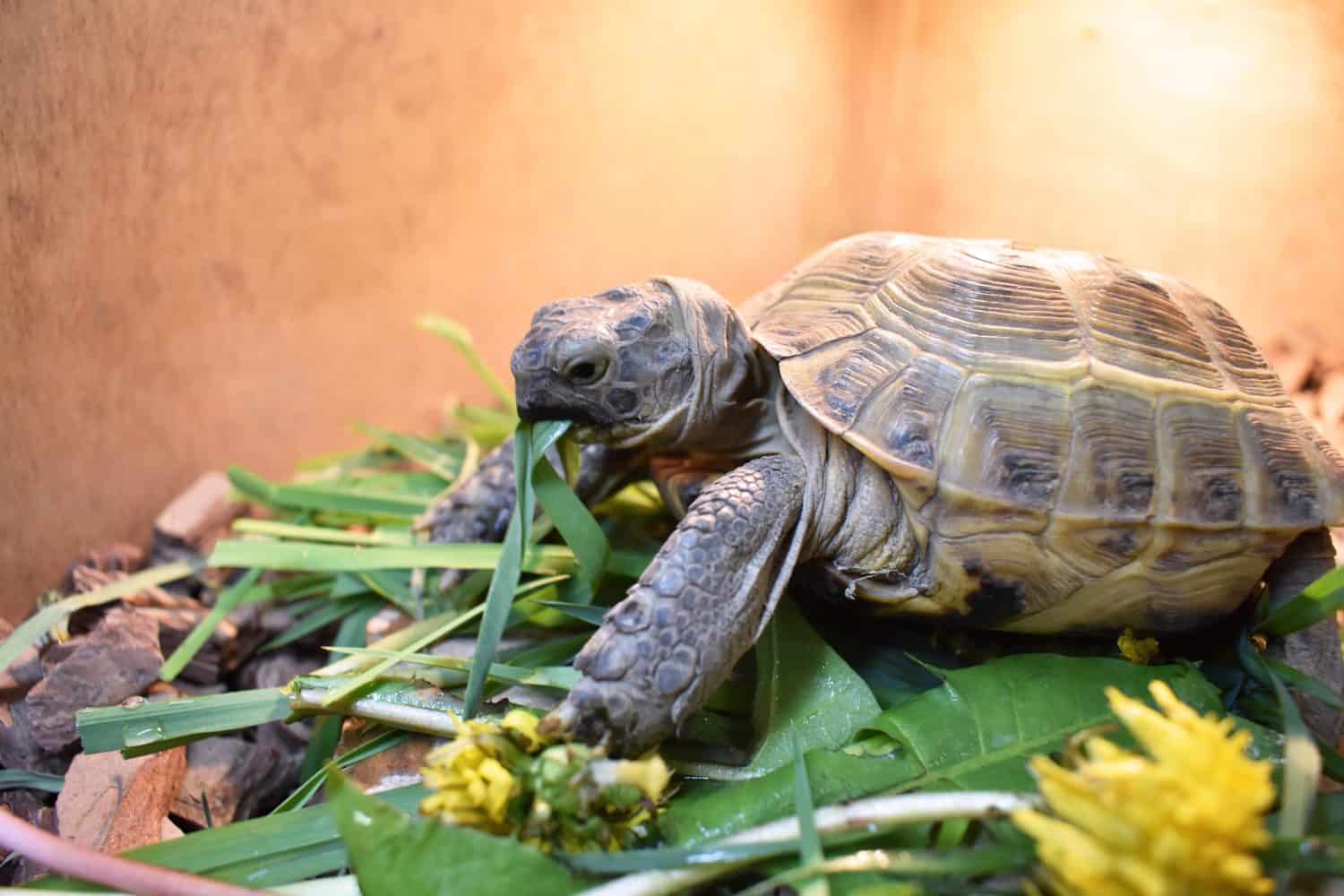
Why Selling Small Pet Turtles Is Banned in the US
Decades ago, souvenir shops and carnivals handed out tiny baby turtles in shallow plastic bowls with plastic palm trees. Today, you rarely see tiny hatchlings for sale in pet shops. Understanding why selling small pet turtles is banned comes down to public safety and reptile welfare. The federal government stepped in to stop widespread bacterial infections caused by small turtles handling, passing a landmark rule that remains active today.
Selling pet turtles with shells measuring under four inches has been illegal under federal law since 1975 to prevent severe Salmonella outbreaks, especially among young children. Small turtles often carry bacteria on their skin and shells without showing symptoms, creating a hidden health hazard when kept as casual toys.
Why Selling Small Pet Turtles Is Banned Under Federal Law
Selling small pet turtles is banned under federal law because tiny reptiles carry Salmonella bacteria that frequently sicken infants and young children. In 1975, the United States Food and Drug Administration established the federal restriction commonly called the four-inch turtle law. The rule prohibits the commercial sale and public distribution of viable turtle eggs and live turtles with a carapace length under four inches.
Health agencies documented widespread salmonellosis linked directly to baby turtles throughout the late 1960s and early 1970s. Tens of thousands of children became sick each year after handling these tiny pets. Young kids frequently put small objects in their mouths, held baby turtles close to their faces, or forgot to wash their hands after touching enclosure water.
By setting a minimum size of four inches, regulators aimed to make pet turtles too large for small children to put in their mouths or treat like pocket trinkets. Larger turtles also require dedicated aquariums and serious equipment, which encourages parents to think twice before making an impulse purchase. Like the illicit trade outlined in our look at tarantula smuggling, illegal pet sales often flourish when buyers do not understand the rules or the risks involved.
How Small Turtles Spread Salmonella to Humans
Small turtles spread Salmonella through direct physical contact with their shells, skin, and contaminated habitat water. Reptiles shed Salmonella bacteria in their feces naturally without ever becoming sick themselves. When a keeper touches a turtle, water droplets containing bacteria cling to their skin and easily transfer to food, utensils, or faces.
Why Children Face the Highest Risk
Children under five years old suffer the highest rates of severe illness from reptile-associated bacteria because their immune systems are still developing. Young kids naturally explore the world by putting hands and objects into their mouths. A child might pet a hatchling turtle, kiss its shell, or stick their fingers in the tank water before eating a snack. In severe cases, Salmonella causes high fever, painful stomach cramps, bloody diarrhea, and dangerous dehydration that requires hospital care.
The Myth of Germ-Free Turtles
In the 1970s, some commercial breeders tried treating turtle eggs with antibiotics to hatch germ-free stock. This experiment failed quickly. The treatments caused antibiotic-resistant bacteria to develop, and turtles picked up new bacterial strains from their tanks within weeks. Today, health officials treat all reptiles as potential carriers of bacteria, which makes basic hygiene non-negotiable for every owner.
Exceptions to the Four-Inch Turtle Law
The four-inch turtle law contains limited legal exemptions for bona fide scientific, educational, and exhibition purposes, as well as commercial export abroad. The federal ban specifically targets commercial retail sales meant for pets. Businesses cannot simply label turtles as educational display items to dodge the rule when selling to casual shoppers.
- Legitimate research laboratories and universities can acquire small turtles for scientific studies.
- Accredited zoos, nature centers, and educational museums may obtain young specimens for public educational displays.
- Breeders can legally export hatchlings overseas if the receiving country allows the import.
- State and local wildlife laws may impose even stricter bans that override federal exemptions entirely.
Flea markets and roadside vendors sometimes claim that giving away a baby turtle with the purchase of an overpriced plastic dish bypasses the law. Federal inspectors treat giveaways tied to commercial transactions as sales, making these schemes completely illegal.
Caring for Pet Turtles Safely and Ethically
Caring for pet turtles safely requires strict personal hygiene habits and a long-term commitment to complex habitat needs. Keeping any reptile requires regular habitat maintenance, just like managing environmental moisture during bearded dragon shedding. Before bringing any turtle home, pet parents must research a species' full adult size and prepare to consult an exotic-animal veterinarian for routine health care.
- Wash hands thoroughly with soap and warm water for at least twenty seconds after touching turtles or cleaning tanks.
- Keep pet turtles and tank gear completely out of kitchens, dining areas, and bathrooms where human food is prepped.
- Clean filters, rocks, and accessories outside using a dedicated bucket rather than washing them in home sinks.
- Supervise children whenever they interact with reptiles to ensure hands stay away from mouths and faces.
Proper husbandry keeps both the reptile and the family safe. Water filtration systems must match the heavy waste output of aquatic species. Full-spectrum ultraviolet lighting and dedicated heat lamps remain essential for proper shell growth and immune strength. While oceanic giants face distinct environmental pressures, as seen with sea turtles in Monterey Bay, captive freshwater turtles depend entirely on human keepers to maintain clean, safe conditions.
Final Thoughts
Learning why selling small pet turtles is banned helps owners appreciate the balance between public health rules and ethical animal keeping. Banning baby turtle sales dramatically reduced preventable childhood infections while pushing reptile keepers toward safer, more responsible ownership habits. Take time to explore more RarePetCare guides to learn about responsible reptile husbandry, safe handling tips, and expert habitat setups.
Frequently Asked Questions
Is it illegal to own a turtle smaller than four inches in the US?
Owning a small turtle is generally not illegal under federal law, but selling or distributing them commercially as pets is strictly banned.
Why was four inches chosen as the legal size limit for pet turtles?
Regulators chose four inches because turtles of that size are too large for young children to put into their mouths or handle carelessly.
Can you get Salmonella from touching turtle tank water?
Yes, turtle tank water carries high levels of Salmonella bacteria shed through reptile waste, which easily spreads to hands and surfaces.
Do all pet turtles carry Salmonella bacteria?
Most turtles carry Salmonella naturally in their intestinal tracts without showing any signs of illness, meaning keepers must treat all turtles as carriers.
Explore More Reptiles Guides
 🦎Reptiles
Leopard Gecko Tail Wagging: Causes and Meaning
Discover why leopard geckos wag their tails, from predatory excitement to defensive warnings, and learn how to read their body language.
 🦎Reptiles
Sea Turtle in Monterey Bay: Why Tropical Reptiles Drift North
A rare olive ridley sea turtle appeared in Monterey Bay, highlighting how ocean temperatures impact tropical reptile survival.
 🦎Reptiles
Alligator at Orlando Airport: Why Runways Attract Them
Learn why alligators end up on the runway at Orlando airport, how ground crews handle them, and what keeps these reptiles moving.