Leopard Gecko Tail Wagging: Causes and Meaning
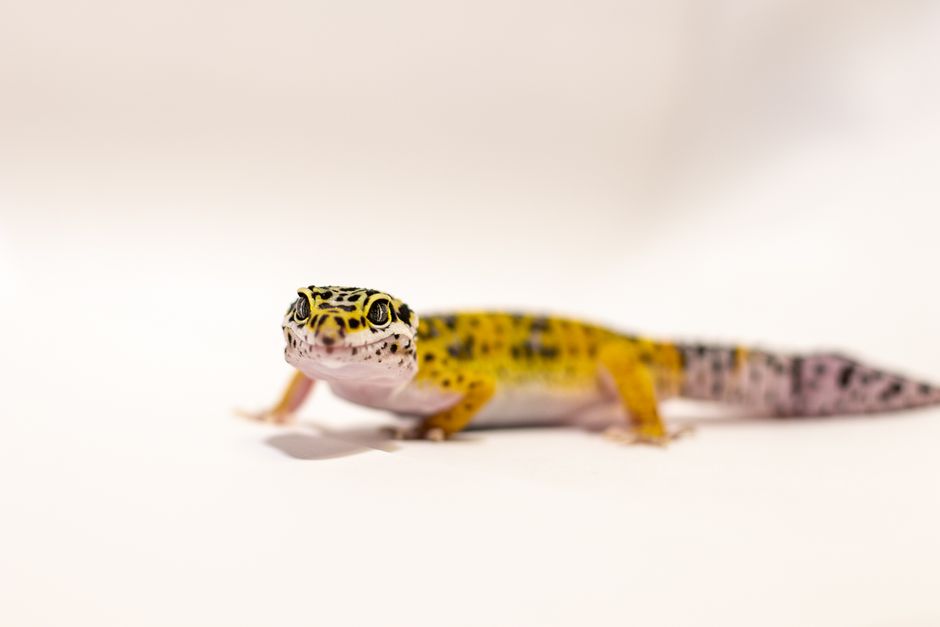
Catching your reptile twitching or swishing its tail can catch you off guard. Leopard gecko tail wagging is a distinct form of reptilian body language where a gecko twitches, swishes, or rattles its tail to communicate high excitement during hunting, warn potential predators when feeling threatened, or signal interest during breeding interactions.
Understanding this movement helps you become a far better pet parent. When you can decode what your gecko feels, you can handle them with confidence, avoid unnecessary bites, and create a calm home where they thrive.
Why Is My Leopard Gecko Tail Wagging During Feeding?
Leopard gecko tail wagging happens during feeding because your reptile experiences a rush of predatory excitement right before striking at its prey. This fast, low twitch concentrates blood flow and energy while the gecko locks its eyes onto a moving insect like a cricket or dubia roach.
You will usually see this movement right before the strike. The tip of the tail begins to vibrate or twitch rapidly against the ground. The gecko stays low, tenses its front legs, and fixes its gaze on the food. Once the tail starts moving, the strike happens within two or three seconds.
Young geckos show this behavior more often than mature adults. Hatchlings and juveniles get easily overstimulated by moving bugs. As geckos grow older, many become calmer hunters and only give a tiny flick of the tail before lunging forward.
This hunting twitch is completely harmless and shows your pet has a healthy appetite. You do not need to intervene or change anything when you spot it. Simply let your gecko finish hunting at its own pace so it can eat without disruption.
What Does a Slow Leopard Gecko Tail Wag Mean?
A slow leopard gecko tail wag means your gecko feels threatened, startled, or territorial and is warning you or another animal to back away. Unlike the fast hunting twitch, this movement is high, deliberate, and shaped like an upright wave.
When a gecko feels cornered, it raises its tail off the substrate and waves it back and forth through the air. This posture directs attention toward the tail instead of the head. In nature, a predator will strike at the moving tail, allowing the gecko to drop it and escape safely.
Pay attention to the rest of the body when you notice this slow wave. A stressed gecko will often show clear accompanying signs:
- Standing tall on all four legs to look larger and more intimidating.
- Opening its mouth wide to hiss or let out a squeak.
- Arching its back toward the source of movement.
- Backing away slowly into a dark hide.
If you see your pet waving its tail slowly while you reach inside the tank, stop your hand immediately. Pull your hand back slowly without making sudden movements. Give your gecko twenty to thirty minutes to settle down in a quiet room before trying to interact again.
Why Do Leopard Geckos Rattle Their Tails Like a Rattlesnake?
Leopard geckos rattle their tails against cage walls or cage decor to create a buzzing sound that deters predators or signals rival lizards during territorial disputes. This behavior involves an extremely rapid vibration that sounds surprisingly like a tiny rattlesnake.
Male geckos use this rapid rattle most frequently. If a male catches the scent of another male nearby, he will vibrate his tail tip against the dry substrate or plastic decor to announce his territory. You might also hear it if you keep two tanks close together and the geckos can see each other through the glass.
Tail Rattling During Mating
Breeding encounters trigger intense tail rattling as well. When an adult male approaches an adult female, he vibrates his tail aggressively to announce his presence and court her. The sound can be loud enough to hear from across the room.
Keep in mind that leopard geckos are strictly solitary animals in captivity. Housing two geckos together causes constant territorial stress, aggressive rattling, and physical fighting. Each gecko should always have its own separate enclosure with proper hiding spots.
Can Leopard Gecko Tail Wagging Lead to Tail Dropping?
Yes, defensive leopard gecko tail wagging can lead to tail dropping if the perceived threat continues to press forward or grabs the lizard. Tail dropping, known scientifically as caudal autotomy, is a last-resort defense mechanism that lizards use when they believe their lives are in immediate danger.
A dropped tail will thrash wildly on the floor for several minutes after detaching. This violent movement distracts a predator while the gecko runs away to hide. While geckos can regrow their tails over several months, the process requires immense nutritional energy and leaves the animal vulnerable.
A gecko tail stores vital fat and moisture reserves that keep your pet healthy during lean periods. Losing that storage tank creates significant physical strain on the body. If your pet ever drops its tail, you must keep its enclosure spotless, switch to paper towel bedding, and consult an exotic-animal veterinarian for specific guidance on wound care and nutrition.
Never grab a gecko by its tail, and never corner a pet that is actively waving its tail in distress. Always scoop your gecko up gently from underneath the belly with an open palm once the animal is completely calm.
How to Calm a Gecko Showing Defensive Tail Movements
The best way to calm a gecko showing defensive tail movements is to remove your hands, dim the room lights, and eliminate outside noise so the animal feels safe again. Giving your pet space allows its stress hormones to decline naturally.
Most defensive reactions stem from sudden changes in the environment. Review this checklist to make sure your setup supports a calm, secure reptile:
- Provide at least three distinct hides: one warm hide, one cool hide, and one humid hide filled with moist moss.
- Cover three sides of glass terrariums with dark paper to reduce outside visual stress.
- Avoid making fast, overhead movements with your hands that resemble a swooping predatory bird.
- Keep curious household pets like cats and dogs away from the reptile room.
If you maintain a bioactive terrarium with a living cleanup crew, make sure the tiny custodians are thriving without bothering your pet. When small balance issues arise, such as wondering why are my isopods dying in dry patches, address enclosure humidity and leaf litter levels promptly to keep the entire habitat stable.
Good husbandry forms the foundation of gentle reptile behavior. Before bringing home any new reptile, always research the full adult space, heating, and dietary needs of the species so you can offer proper care for decades to come.
Final Thoughts
Recognizing the difference between predatory excitement and defensive fear makes leopard gecko tail wagging easy to understand. Watch the speed and height of the tail to know whether your pet is ready for a meal or simply needs some quiet space. Explore our other guides on RarePetCare to discover more tips on reptile behavior, habitat care, and daily handling.
Frequently Asked Questions
Why is my leopard gecko wagging its tail at me?
Your gecko is likely startled or frightened by your presence, waving its tail slowly to warn you to back away.
Do female leopard geckos wag their tails?
Yes, female geckos wag their tails when hunting insects or when defending themselves against perceived threats.
How fast do leopard geckos wag their tails when hunting?
The hunting tail wag is a rapid, buzzing vibration that lasts just two to three seconds right before the gecko strikes.
Will a leopard gecko bite after tail wagging?
A gecko that is waving its tail defensively may bite if you continue to reach for it or corner it.
Explore More Reptiles Guides
 🦎Reptiles
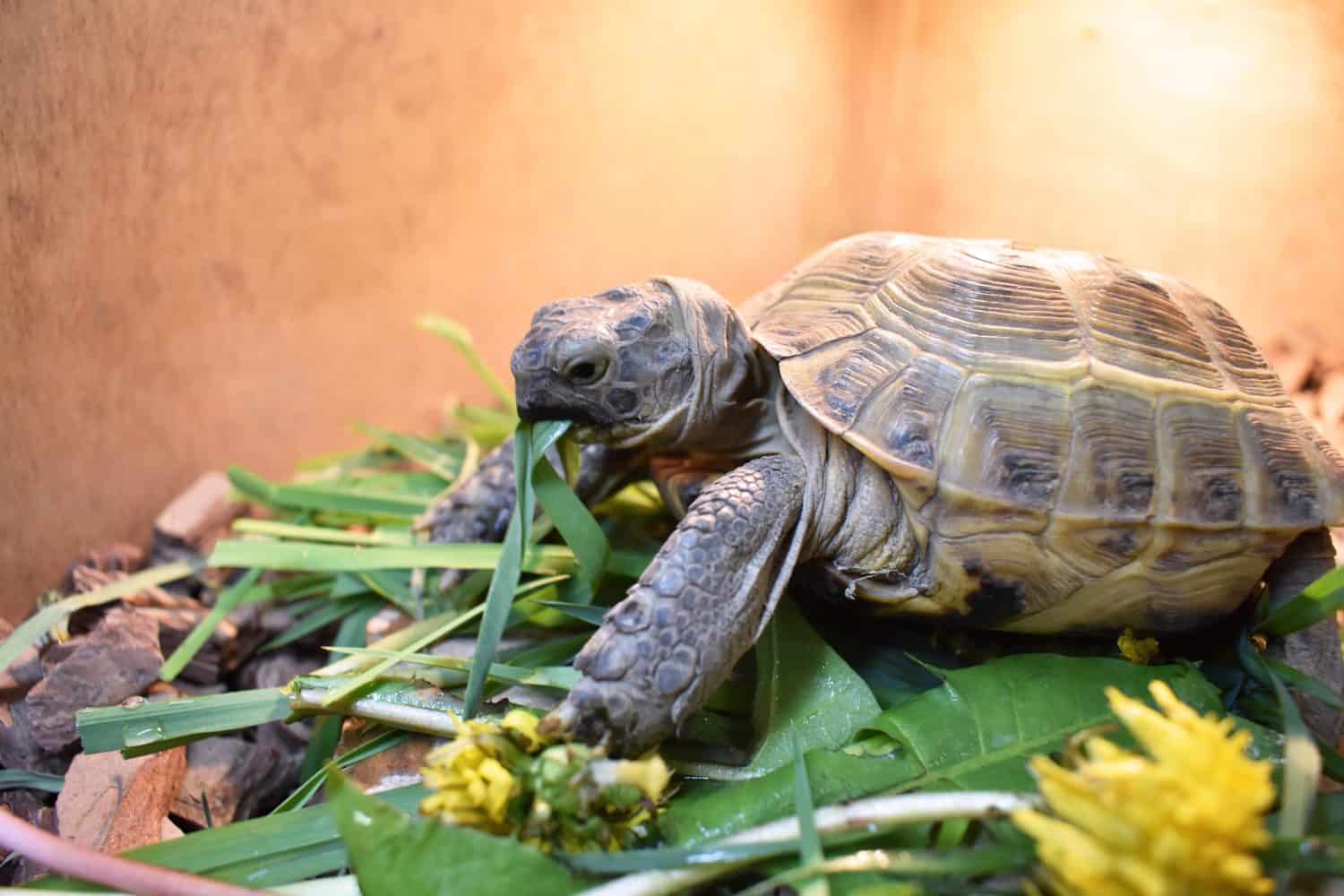
Why Selling Small Pet Turtles Is Banned in the US
Learn why the United States banned sales of small pet turtles under four inches and how the law protects public health.
 🦎Reptiles
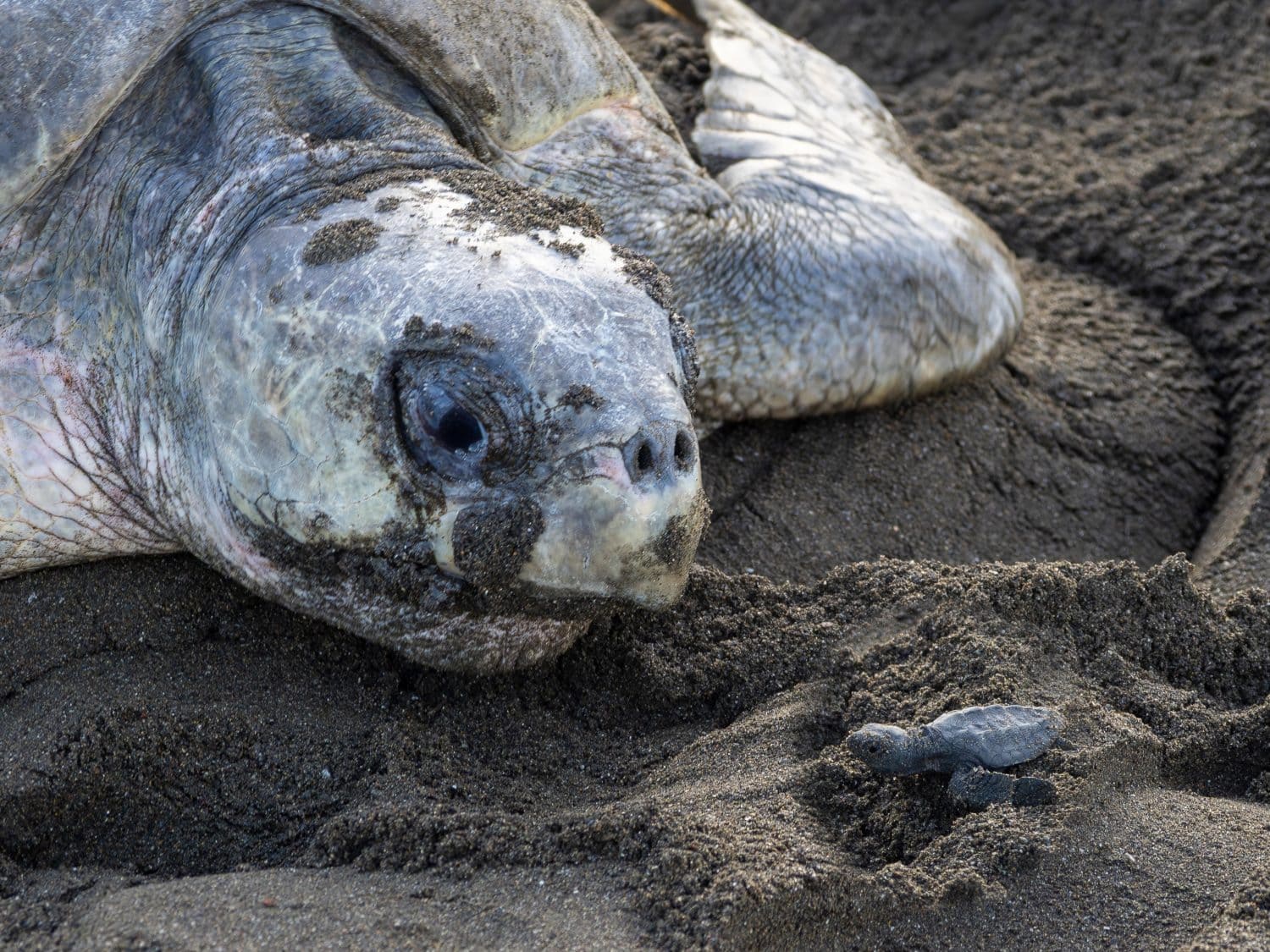
Sea Turtle in Monterey Bay: Why Tropical Reptiles Drift North
A rare olive ridley sea turtle appeared in Monterey Bay, highlighting how ocean temperatures impact tropical reptile survival.
 🦎Reptiles
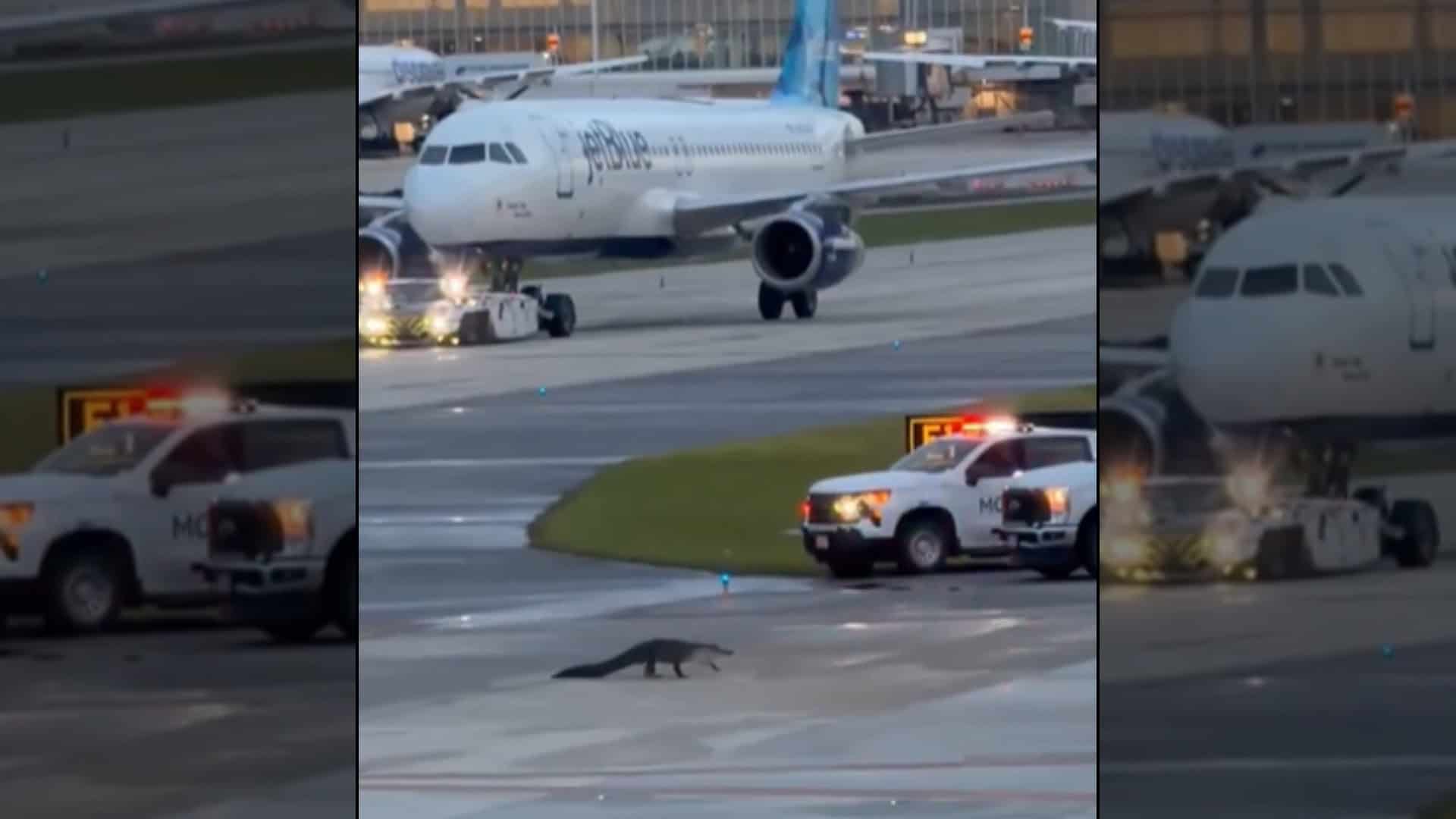
Alligator at Orlando Airport: Why Runways Attract Them
Learn why alligators end up on the runway at Orlando airport, how ground crews handle them, and what keeps these reptiles moving.