Burmese Pythons in Florida: What to Do If You Spot One
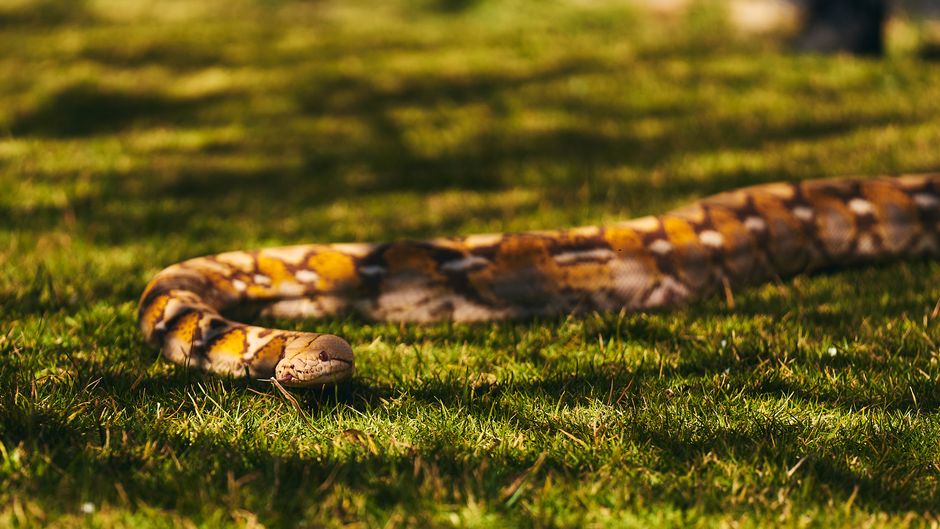
Drivers traveling through South Florida often do a double take when an eight-foot snake stretches across the asphalt. Burmese pythons in Florida are an established invasive species that thrive across subtropical wetlands and regularly venture near busy roadways. These large constrictors alter local ecosystems, create sudden road hazards, and present ongoing challenges for regional wildlife managers.
Seeing a massive reptile slithering past your car tires can feel surreal. While these moments quickly draw curious onlookers, handling wild constrictors carries genuine risk for both people and the surrounding habitat.
Why Are Burmese Pythons in Florida Crossing Roads?
Burmese pythons cross Florida roads primarily to regulate their body temperature, search for fresh food sources, and locate mates during their breeding season. Asphalt absorbs and holds heat from the sun throughout the day, turning roadways into giant heating pads that ectothermic snakes use to warm their bodies during cooler morning and evening hours.
As ectothermic animals, snakes cannot produce their own body warmth. When air temperatures dip or water in the marshes cools down, a dark strip of road offers an easy way to raise their core temperature quickly. This behavior is called basking, and it helps the reptile digest prey and maintain energy levels.
Roads also cut straight through prime hunting grounds. As these heavy-bodied snakes expand beyond marshlands in search of birds and small mammals, crossing open pavement becomes necessary. Wet summer seasons can push water levels higher, forcing snakes out of inundated swamps and onto elevated levees, banks, and rural highway shoulders.
What Should You Do If You Encounter a Python on the Road?
If you encounter a python on the road, you should slow down, remain safely inside your vehicle, and report the animal directly to state wildlife officials. You should never try to pull, grab, or pin a wild constrictor unless you have received hands-on wildlife management training and carry proper containment tools.
Crowds often gather when a giant snake stops traffic. Approaching the animal puts you at risk of defensive bites, which can cause deep tissue puncture wounds and severe bacterial infections. Quick movements or sudden attempts to grab the tail can also push the snake into oncoming lanes, creating dangerous conditions for other motorists.
If traffic allows, pull completely off the roadway onto a wide shoulder and turn on your emergency hazard lights. Keep your distance and monitor where the animal moves so you can guide official responders when they arrive on the scene.
Safe Steps to Report a Sighting
Taking organized action ensures the animal is removed safely without putting bystanders in danger.
- Note your exact location, nearby mile markers, or GPS coordinates on your phone.
- Take a clear photo or short video from inside your vehicle to confirm the species.
- Call the state wildlife hotline or record the encounter in an official invasive species reporting application.
- Warn approaching pedestrians or cyclists to maintain a generous distance until assistance arrives.
How Did Burmese Pythons Become Invasive in Florida?
Burmese pythons became invasive in Florida when imported captive snakes escaped or were deliberately released into the wild during the late twentieth century. South Florida provides year-round warmth, abundant water, and plentiful prey, creating conditions where escaped reptiles can thrive and reproduce without facing natural predators.
The pet trade introduced thousands of young hatchling pythons to buyers who were often unprepared for their rapid growth. A tiny hatchling can quickly grow into a heavy constrictor that demands custom-built enclosures and specialized feeding routines. When private owners felt overwhelmed by housing demands, some made the irresponsible choice to release their pets into local canals and wetlands.
Hurricanes also played a notable role by damaging reptile facilities, allowing captive snakes to disperse into the swamps. As responsible pet parents, we must research an animal's adult requirements thoroughly before bringing home any exotic species. Caring for common companion reptiles means understanding housing commitments, just as owners study how to travel with a reptile before taking their animals on the road. Releasing an exotic pet into the wild is illegal and causes lasting harm to native wildlife.
Are Burmese Pythons Dangerous to Humans and Pets?
Burmese pythons are not naturally aggressive toward humans, but they pose a serious physical danger to free-roaming domestic pets and native wildlife. While these snakes typically avoid human contact, a cornered or frightened eight-foot python will strike defensively and can easily overpower a small dog or cat.
These constrictors hunt by ambush, waiting quietly in tall brush or along water edges where animals come to drink. For pet parents living in or traveling through rural Florida, letting dogs run off-leash near marshy banks or dense scrub presents genuine danger. The snake strikes quickly, coils its body around its target, and subdues prey in minutes.
Protecting Your Pets from Wildlife Encounters
Preventing an encounter is far simpler than breaking a strike from an ambush predator. Keeping your pets close when outdoors prevents accidental confrontations with snakes, alligators, and other local wildlife.
Always walk your dogs on a standard, non-retractable leash in wetland parks and rural areas. Avoid walking near canal edges after dusk when constrictors become more active. At home, keep your grass mowed short, clear away woodpiles, and seal crawlspaces to prevent wild reptiles from using your yard as shelter.
Final Thoughts
Seeing Burmese pythons in Florida on public roads illustrates the lasting impact that non-native species can have on fragile environments. Responsible pet keeping, secure enclosures, and prompt reporting of wild sightings help protect both our domestic pets and wild habitats. Explore more RarePetCare guides to learn best practices for keeping companion reptiles healthy, secure, and thriving at home.
Frequently Asked Questions
Can an 8-foot Burmese python swallow a human?
No, an eight-foot python cannot swallow an adult human or child. While capable of delivering a painful defensive bite, snakes of this size hunt animals like marsh rabbits, rodents, and wading birds.
Are people allowed to catch pythons in Florida?
Yes, Florida allows humanely capturing and removing pythons on designated public lands without a hunting permit. However, only individuals with proper safety training and handling experience should attempt to capture them.
What do wild pythons in Florida eat?
Wild pythons feed on native mammals, birds, and occasional reptiles, including raccoons, opossums, cotton rats, and wading birds. Their feeding habits have significantly reduced small mammal numbers across South Florida.
Who should you call if you spot a python in Florida?
You should report sightings directly to the Florida Fish and Wildlife Conservation Commission exotic species hotline or log the details through their official mobile app. Providing precise location coordinates helps wildlife teams track the animal.
Explore More Reptiles Guides
 🦎Reptiles
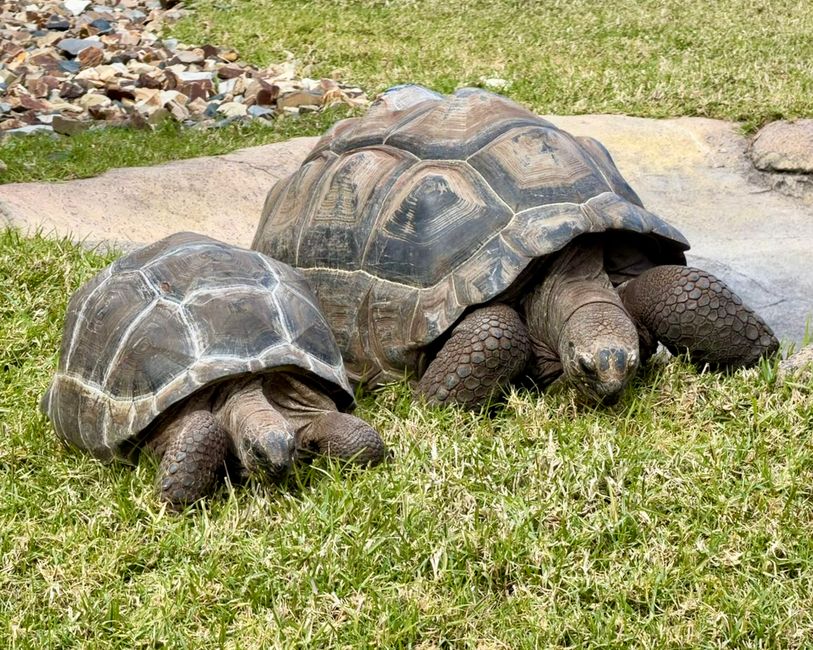
How Much Does a Tortoise Cost? Complete Budget Guide
Curious how much does a tortoise cost? Learn the real expenses of purchase prices, housing, lighting, food, and long-term veterinary care.
 🦎Reptiles
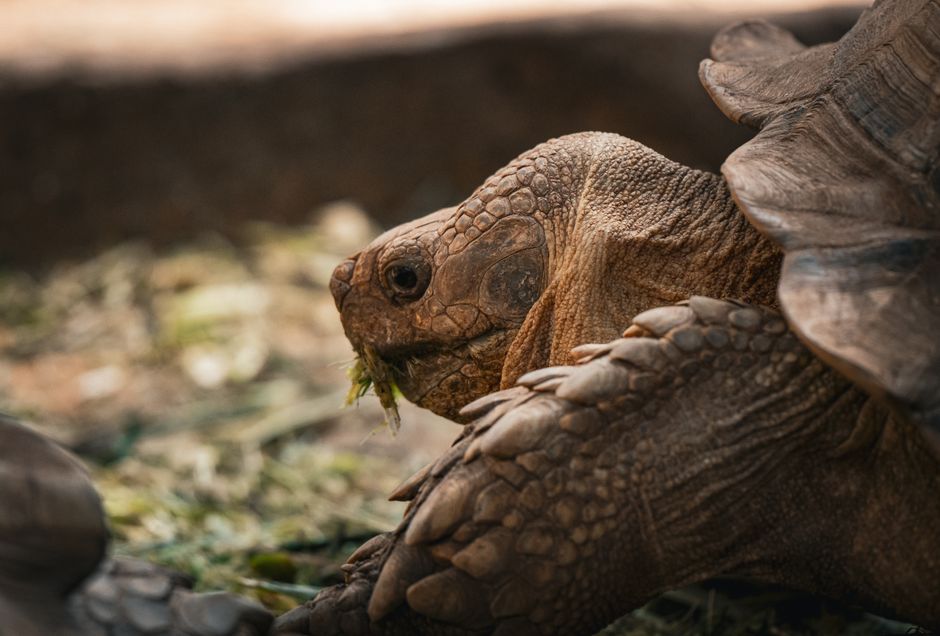
World's Oldest Land Animal: Jonathan's DNA Secrets
Discover the world's oldest land animal, Jonathan the giant tortoise, and how his resilient biology helps explain reptile longevity.
 🦎Reptiles
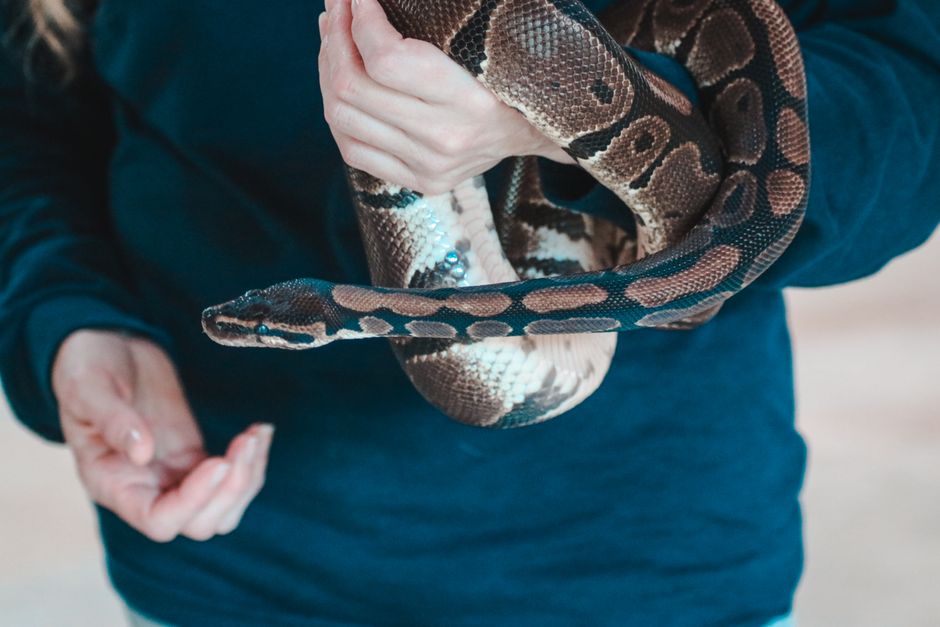
How to Travel with a Reptile: Safe Transit Guide
Learn how to travel with a reptile safely using secure carriers, stable temperatures, and stress-free packing methods.