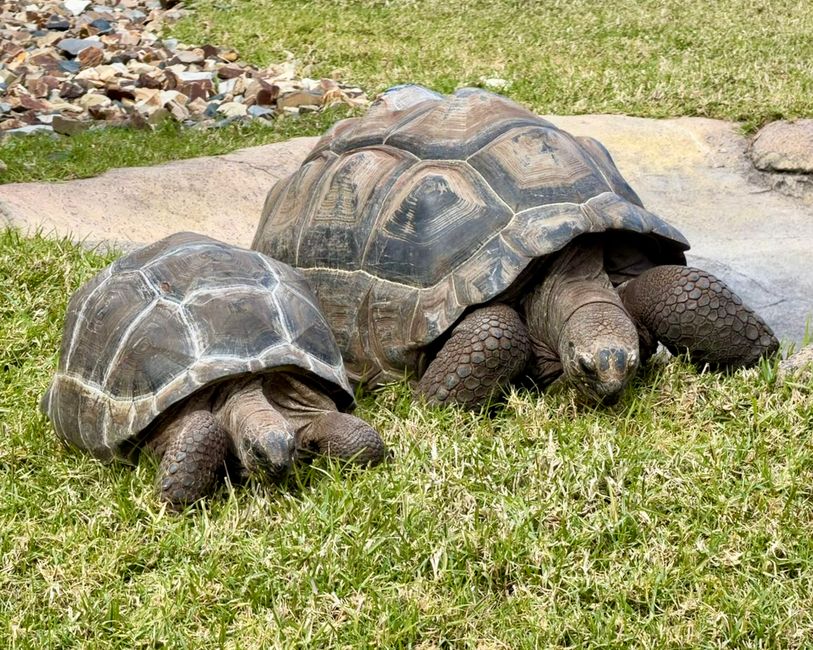
How Much Does a Tortoise Cost? Complete Budget Guide
Bringing a shelled friend into your home is an exciting commitment that often spans several decades. So, how much does a tortoise cost over its lifetime? The total price tag includes the upfront adoption or purchase fee, the initial enclosure and lighting setup, ongoing fresh groceries, and regular veterinary checkups. Planning your budget before bringing one home ensures your new pet stays healthy and comfortable from day one.
How Much Does a Tortoise Cost to Buy Initially?
The upfront purchase price of a tortoise generally ranges from fifty dollars to several hundred dollars, depending entirely on the species, age, and breeder. Common beginner species like Russian or Greek tortoises sit at the lower end of the pricing scale. Rare or slow-growing species can cost substantially more from reputable breeders.
Hatchlings often cost less upfront than well-established juveniles or sub-adults. However, young hatchlings are far more delicate and require precise microclimates to thrive. Investing in an older juvenile from a trusted captive breeder often saves you money on emergency veterinary care later. You can also explore local reptile rescues. Adoption fees are typically reasonable, and rescues often ensure the animal has already received an initial health screening.
Always verify that your chosen pet is captive-bred rather than wild-caught. Wild-caught tortoises often carry internal parasites that require immediate, expensive medical care. Supporting captive breeding programs protects wild populations and gives you a much healthier companion.
What Are the Setup Costs for a Tortoise Habitat?
Setting up a proper habitat usually costs between two hundred and six hundred dollars for the enclosure, heating, and specialized lighting. Your initial setup is the single largest upfront expense beside the animal itself. Cutting corners on basic environmental equipment leads to severe respiratory or skeletal problems down the road.
Tortoises need ample ground space rather than vertical climbing room. Glass fish tanks are rarely suitable because they restrict airflow and confuse tortoises with transparent boundaries. Custom wooden tortoise tables, large heavy-duty plastic storage tubs, or secure outdoor runs offer much better living quarters.
Essential Equipment Checklist
- Specialized UVB light fixtures and high-output bulbs to support calcium absorption
- Basking heat lamps, ceramic heat emitters, and porcelain safety sockets
- Digital thermometers, infrared temperature guns, and reliable hygrometers
- Safe substrate mixes like clean topsoil, coconut coir, or cypress mulch
- Shallow water dishes, flat slate feeding stones, and sturdy hiding shelters
High-quality UVB bulbs are not optional. Tortoises cannot synthesize vitamin D3 without proper UVB exposure, which leads to metabolic bone disease. These bulbs lose their effective ultraviolet output every six to twelve months, even if they still produce visible light, so factor regular bulb replacements into your seasonal budget.
What Does It Cost to Feed a Tortoise Monthly?
Feeding an average tortoise costs between twenty and forty dollars per month, primarily spent on fresh leafy greens, weeds, and grocery store produce. Unlike dogs or cats that eat dry kibble, herbivorous tortoises need varied, moisture-rich greens to maintain smooth shell growth and good digestion.
You can significantly reduce this grocery bill by foraging clean, pesticide-free edible weeds from your own garden. Dandelions, clover, plantain weed, and safe hibiscus flowers provide optimal fiber at zero financial cost. When shopping at the supermarket, focus on dark leafy greens such as turnip greens, collard greens, endive, and escarole. Avoid feeding large amounts of light lettuces like iceberg, which provide water but very little nutrition.
In addition to fresh greens, your pet needs a small investment in nutritional supplements. A simple jar of pure calcium powder and a balanced reptile multivitamin last several months and cost very little. Lightly dusting meals a few times per week prevents mineral deficiencies and keeps the beak and shell strong.
How Much Are Veterinary Care and Medical Bills?
An annual wellness exam with an experienced exotic-animal veterinarian typically runs between seventy-five and one hundred and fifty dollars. Routine visits should include a physical checkup, weight tracking, and a fecal parasite screening to confirm your pet is free of harmful internal worms.
Emergency veterinary visits can cost hundreds or even thousands of dollars if an unexpected illness strikes. Respiratory infections, shell rot, egg binding, and impaction require specialized diagnostic tests, x-rays, and prescription antibiotics. Before bringing your pet home, research your area to find a qualified veterinarian who treats reptiles. Standard dog and cat clinics usually lack the diagnostic tools and training required for chelonians.
Setting up a dedicated emergency savings fund is one of the smartest moves you can make. Putting away ten to twenty dollars each month gives you peace of mind whenever your pet seems sluggish, refuses food, or displays unusual discharge around the nose or eyes. For more detailed breakdown numbers on lifetime care, our tortoise ownership expenses guide covers long-term financial planning.
What Are the Ongoing Utility and Maintenance Costs?
Running heat lamps and lighting fixtures every day adds roughly ten to twenty-five dollars to your monthly electric bill. Tortoises are cold-blooded creatures that depend on constant, reliable environmental heat to digest their food and stay active throughout the day.
Your ongoing maintenance routine also involves replacing worn-out bedding and substrate every month or two. Buying bulk bags of organic topsoil or compressed coconut husk blocks keeps these costs manageable. You will also need reptile-safe disinfectants to clean out water bowls, food slates, and soiled corners of the pen on a weekly basis.
If you plan to travel for work or vacations, you must also plan for boarding or pet-sitting fees. Unlike a cat that can get by with an automatic feeder, a tortoise needs daily water changes, fresh salads, and monitored light cycles. Finding a pet sitter who understands reptile husbandry ensures your setup continues running safely while you are away. If you ever need to relocate your pet during a move, our guide on safe reptile transit explains the right travel gear.
Final Thoughts
Understanding how much does a tortoise cost ensures you provide a thriving, stress-free environment for decades to come. While the initial setup and proper lighting require an investment, their day-to-day feeding and care remain very affordable for prepared keepers. Explore our other RarePetCare guides to learn more about setting up habitats, species diets, and daily reptile wellness.
Frequently Asked Questions
What is the cheapest tortoise species to keep as a pet?
Russian and Greek tortoises are generally the most affordable species because they remain relatively small, need modest enclosures, and are widely available from captive breeders.
How often do you need to replace tortoise heat and UVB bulbs?
Most UVB bulbs must be replaced every six to twelve months, while standard basking heat bulbs only need replacement when they burn out.
Can I keep a tortoise outdoors to save on electricity costs?
Yes, building a secure, predator-proof outdoor enclosure during warm months provides natural sunlight and free grazing, which significantly lowers your lighting and food bills.
Do pet tortoises require health insurance?
While specialized exotic pet insurance exists, many keepers choose instead to maintain a personal emergency savings account to cover unexpected veterinary visits.
Explore More Reptiles Guides
 🦎Reptiles
World's Oldest Land Animal: Jonathan's DNA Secrets
Discover the world's oldest land animal, Jonathan the giant tortoise, and how his resilient biology helps explain reptile longevity.
 🦎Reptiles
How to Travel with a Reptile: Safe Transit Guide
Learn how to travel with a reptile safely using secure carriers, stable temperatures, and stress-free packing methods.
 🦎Reptiles
Bearded Dragon vs Leopard Gecko: Which Pet Is Best?
Compare space, diet, handling, and daily care to choose the right beginner lizard between a bearded dragon and a leopard gecko.