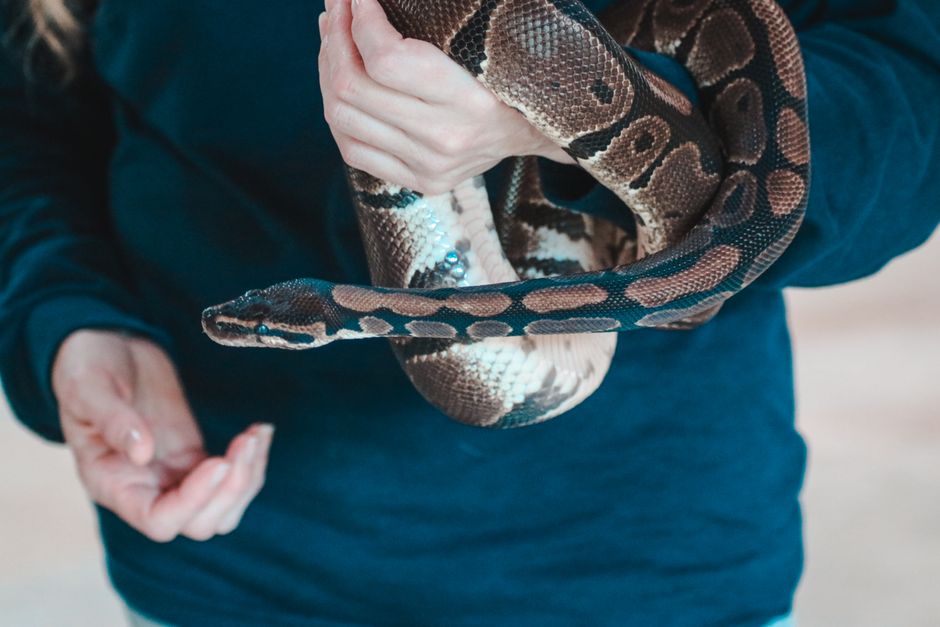
How to Travel with a Reptile: Safe Transit Guide
Planning a road trip or moving to a new home with your scaled companion can feel intimidating. Knowing how to travel with a reptile requires preparing a secure carrier, maintaining safe ambient temperatures, and minimizing sensory stress so your pet arrives healthy and relaxed. With the right setup, you can transport snakes, lizards, and turtles across short errands or cross-country moves without unnecessary risk.
Reptiles depend entirely on their environment to regulate body temperature and process stress. A sudden chill, an overheated car, or a container sliding across a seat can quickly lead to respiratory infections or trauma. Taking time to pack proper gear and plan your stops makes transit straightforward for both of you.
Can you travel long distances with a reptile?
Yes, you can travel long distances with a reptile by car as long as you provide a secure, dark travel container, maintain species-appropriate temperatures, and skip feeding right before departure. Most reptiles tolerate road travel remarkably well when they are kept warm, secure, and undisturbed.
Long car trips are generally much safer than air travel for exotic pets. In your own vehicle, you control the climate, the noise level, and the physical stability of the carrier. You also avoid the strict airline restrictions and cargo hold hazards that endanger sensitive cold-blooded animals.
Before you commit to a long journey, consider whether bringing your pet is truly necessary. A weekend getaway is rarely worth the stress of transit for a lizard or snake. If you are only leaving for two or three days, hiring a knowledgeable pet sitter is almost always the kinder choice. For permanent relocations or vet visits, careful planning keeps transit risks low.
How do you prepare a reptile carrier for travel?
To prepare a reptile carrier for travel, select a sturdy plastic bin or hard-sided carrier with locking latches and small ventilation holes, then line the bottom with soft paper towels. The goal is to create a snug, dim space where your pet cannot slide around, escape, or rub their snout raw against wire mesh.
Never transport a reptile inside a glass terrarium. Heavy glass tanks can easily crack during sudden stops, and loose decor like heavy rocks, hide boxes, or ceramic bowls can slide around and crush your pet. Always move the enclosure completely empty and pack your pet in an independent, lightweight travel box.
- Choose an escape-proof container: Plastic storage tubs with locking handles work well for lizards and chelonians, while breathable cotton snake bags placed inside a rigid tub are standard for snakes.
- Line the base for traction: Use several layers of unprinted paper towels or plain butcher paper so your pet can grip the floor without catching their claws on loose towel loops.
- Avoid loose accessories: Remove water bowls, basking platforms, and heavy logs during transit so nothing shifts inside the container.
- Keep it dark: Cover the outside of clear bins with a light blanket or pillowcase to block passing headlights and visual motion that trigger predatory panic.
If your pet shows signs of intense agitation during transit, reviewing our reptile calming kit guide can help you recognize subtle stress behaviors and soothe an overwhelmed animal safely.
How do you keep a reptile warm while traveling?
You can keep a reptile warm while traveling by preheating your car cabin, insulating the travel tub inside a styrofoam cooler, and using shipping heat packs wrapped in thick towels. Never place a reptile directly against an active heat source, as contact burns happen quickly when an animal cannot easily walk away.
Standard car heaters can easily keep a vehicle interior in the mid-70s, which is adequate for most species during transit. For colder climates or extended trips, specialized 40-hour or 72-hour UniHeat shipping warmers provide steady, gentle heat. Avoid instant hand warmers from sporting goods stores, because they spike to dangerous temperatures and deplete oxygen rapidly inside small sealed spaces.
Monitoring temperatures on the road
Always place the sensor probe of a digital thermometer inside the transport box right next to your pet. This gives you instant, accurate readings without needing to open the container and let warm air escape. Check the digital display every hour while driving to make sure the container stays within your species' safe resting zone.
Never place your reptile carrier in direct sunlight through car windows. Even on a cool afternoon, sunlight streaming through glass can heat a plastic tub into a lethal greenhouse within twenty minutes. Place the carrier on the floorboard behind the front seats or secure it with a seatbelt in the shaded center of the back seat.
What should you do about feeding and water during the trip?
You should stop feeding your reptile one to two days before traveling, and avoid offering meals while actively on the road. Reptiles need stable, dedicated basking temperatures to digest food properly, and cold transit conditions can cause undigested meals to rot in their stomach.
A healthy reptile can easily go several days without food, so fasting during a move is completely safe. For animals prone to dehydration, offer a thorough drinking session or a supervised soak the day before you pack up. Do not leave open water dishes inside the travel carrier, as water inevitably sloshes out, soaks the bedding, and chills your pet.
For multi-day hotel stays, set up a temporary enclosure with a portable heat lamp so your pet can warm up in the evening. Offer water in a shallow dish for thirty minutes while supervised, clean up any messes, and let them rest quietly overnight. As a matter of basic animal welfare, research your specific species' exact environmental requirements beforehand and consult an exotic-animal veterinarian if your pet has existing health conditions before starting any major journey.
Arrival and settling into the new home
When you reach your destination, set up your reptile's permanent habitat before doing anything else. Plug in heat elements, verify surface temperatures with a temperature gun, and make sure fresh water is ready. Moving can cause mild temporary appetite loss, whether you keep a hardy lizard or compare gentle beginner species like in our Bearded Dragon vs Leopard Gecko comparison guide.
Transfer your pet directly from the travel carrier into their warm enclosure, turn down the room lights, and leave them alone for the first twenty-four hours. Resist the urge to handle them or show them off to family. Quiet time in a warm, familiar-smelling space is the fastest cure for transit fatigue.
Final Thoughts
Learning how to travel with a reptile comes down to careful preparation, steady temperatures, and gentle handling. By securing your pet in a dim container and monitoring their environment closely, you can make every journey safe and comfortable. Explore our other RarePetCare guides to discover more practical ownership advice and species-specific care tips for your exotic pets.
Frequently Asked Questions
Can you take a reptile on an airplane?
Most commercial airlines prohibit reptiles in the passenger cabin, though a few cargo carriers accept them under strict weather and packaging regulations. Car transit is almost always safer and far less stressful for reptiles.
How long can a reptile stay in a travel container?
Healthy reptiles can safely remain in a secure travel carrier for up to 24 to 48 hours as long as ambient temperatures remain stable. On longer journeys, provide overnight rest stops in a temporary habitat with access to heat and water.
Should you hold or handle your reptile in the car?
No, you should never handle your reptile inside a moving vehicle. Sudden stops or unexpected movements can cause your pet to bolt under pedals or dashboard crevices, creating serious safety hazards.
Do reptiles get carsick?
Reptiles do not experience motion sickness the same way mammals do, but vibrations and shifts can cause severe stress. Keeping their carrier dark, padded, and firmly wedged in place prevents balance anxiety.
Explore More Reptiles Guides
 🦎Reptiles
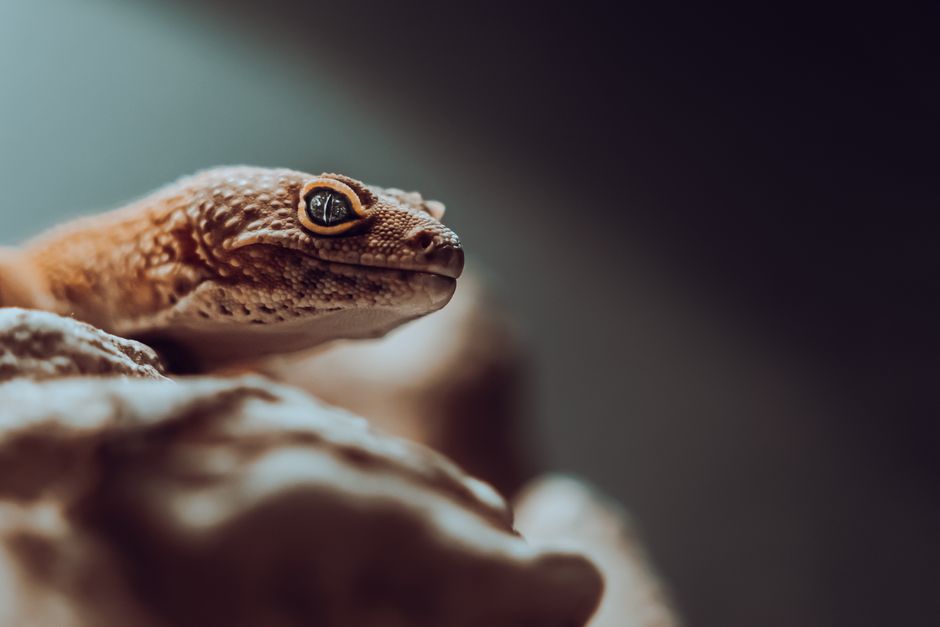
Bearded Dragon vs Leopard Gecko: Which Pet Is Best?
Compare space, diet, handling, and daily care to choose the right beginner lizard between a bearded dragon and a leopard gecko.
 🦎Reptiles
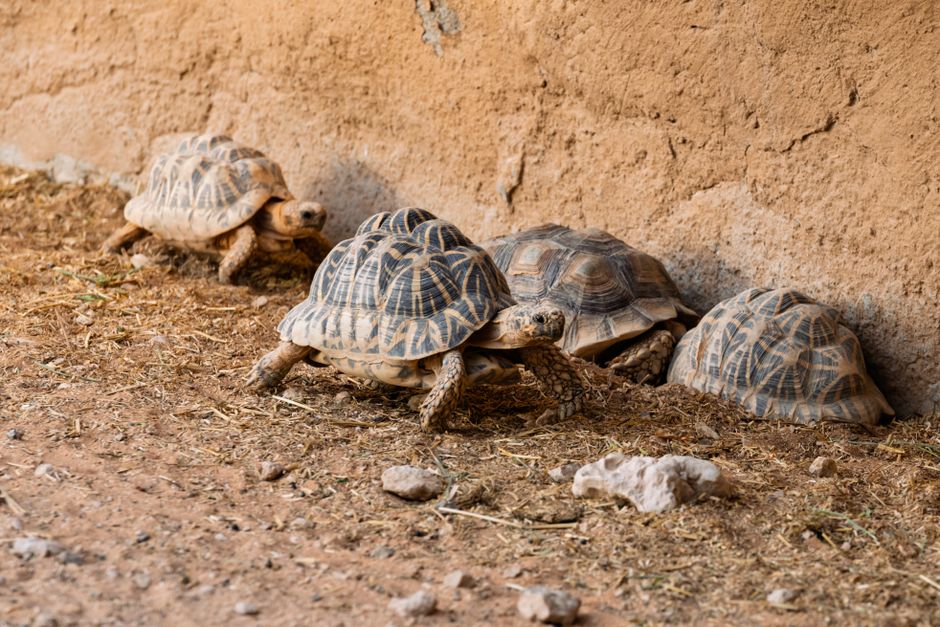
Tortoise Costs: Complete Guide to Ownership Expenses
Discover the true lifetime expenses of owning a tortoise, from initial habitat setup to ongoing food, lighting, and veterinary care.
 🦎Reptiles
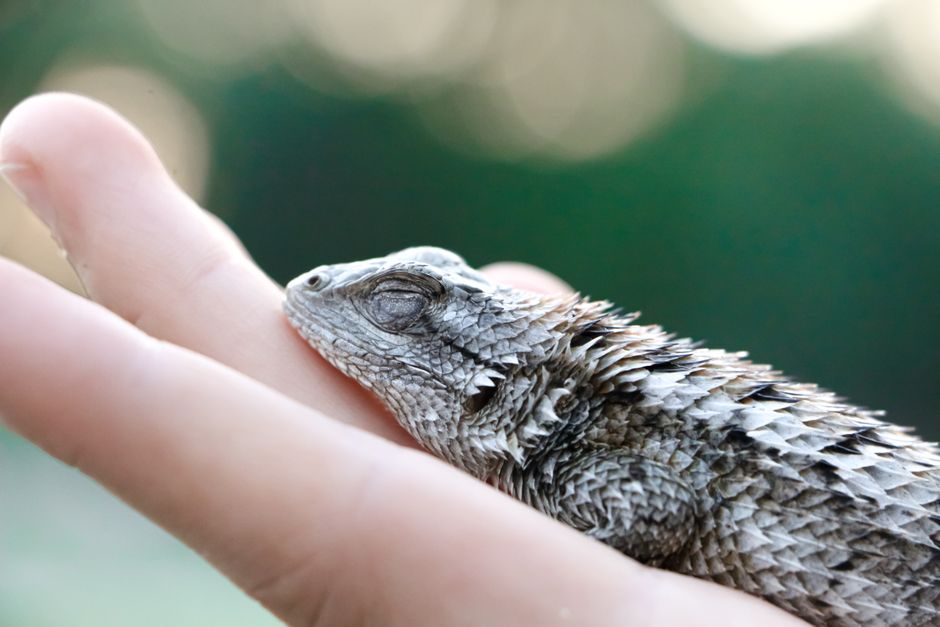
Reptile Calming Kit Guide: Signs, Uses, and Care
Discover how a reptile calming kit works, key signs of stress in pet reptiles, and practical tips to keep your scaled companion feeling safe.