World's Oldest Land Animal: Jonathan's DNA Secrets
Imagine sharing your backyard with a creature that hatched before the invention of the lightbulb. The world's oldest land animal is Jonathan, a giant tortoise living on the remote South Atlantic island of Saint Helena, who has survived nearly two centuries of human history while outliving dozens of leaders. His astonishing survival offers pet parents and reptile lovers fascinating clues about how slow, steady biology protects cold-blooded pets across entire generations.
Who Is the World's Oldest Land Animal?
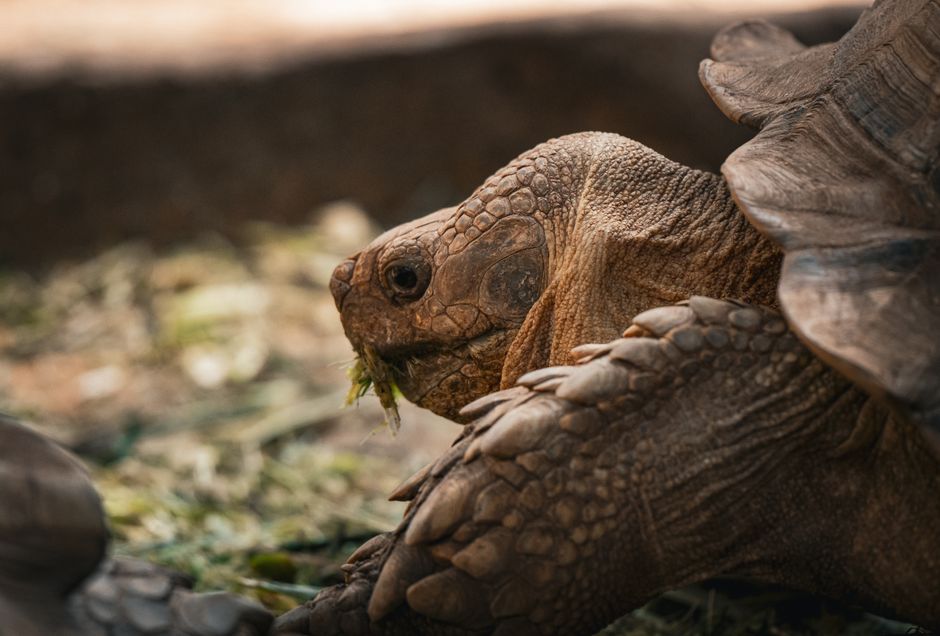
The world's oldest land animal is Jonathan, a famous giant tortoise currently living on the grounds of Plantation House on Saint Helena island. Arriving on the island during the late nineteenth century as a fully grown adult, Jonathan has quietly survived nearly two centuries, outlasting global empires, world conflicts, and thirty-one local governors.
Jonathan spends his sunny days grazing on lush grass, soaking in the tropical warmth, and socializing with fellow companion tortoises. His quiet life shows how low-stress conditions and consistent routines help large chelonians thrive well beyond normal expectations.
While his eyesight has softened and his sense of smell has declined over the decades, his appetite remains strong. Dedicated caretakers feed him fresh fruits, vegetables, and high-fiber greens by hand to keep his weight stable. His peaceful routine proves that age does not have to ruin a reptile's quality of life when attentive care is present.
Why Do Giant Tortoises Live So Long?
Giant tortoises live exceptionally long lives due to their slow metabolic rates, strong cellular defenses, and protective physical anatomy. Their bodies run at a deliberate pace that produces far less cellular wear and tear compared to warm-blooded mammals.
In the wild, these gentle giants face very few natural predators once they reach mature size. A thick, bony shell provides defense against external danger, which reduces evolutionary pressure to reproduce quickly and die young. Instead, nature rewards them for taking their time, maturing slowly over decades, and laying clutches across many seasons.
Tortoises also possess impressive DNA protection systems. When cells divide, their genetic structures resist the mutations and oxidative damage that usually cause organ failure in older animals. This natural resilience keeps their internal systems functioning smoothly well into their second century.
How Slower Metabolism Protects Reptile Bodies
Cold-blooded animals do not burn calories just to maintain a steady body temperature. Because giant tortoises rely on the sun for warmth, their cells work at a calmer pace without producing massive amounts of damaging free radicals.
This gentle pace of life puts minimal strain on vital organs like the heart, liver, and kidneys. When every heartbeat and cellular division happens with measured calm, tissue decay slows to a crawl. Reptile keepers see this same basic rule in pet species, where calm handling and stable environments support long lives.
What Did Scientists Discover in Jonathan's DNA?
Recent genetic sequencing of Jonathan revealed that his DNA holds active switches that keep his cells repairing themselves like those of a much younger animal. Researchers analyzing his genetic profile discovered that his body manages to prevent typical age-related damage by maintaining efficient cellular clean-up systems.
Every living creature carries chemical switches on their genes that turn specific protective traits on or off as time passes. In most animals, these switches degrade with age, leading to inflammation, cellular exhaustion, and organ decline. In Jonathan, however, these genetic switches continue functioning with surprising youthfulness, allowing his tissues to regenerate and resist disease.
Observing the world's oldest land animal gives researchers a clearer picture of how nature resists degeneration. By studying his specific markers, biologists hope to understand why certain species resist cancerous cell growth and cardiovascular breakdown. For exotic pet lovers, it confirms that reptiles possess deeply specialized survival adaptations unlike anything found in the mammal world.
Caring for Long-Lived Pet Tortoises at Home
Caring for pet tortoises requires planning for a commitment that can easily span several decades, if not generations. Before bringing any chelonian home, pet parents must research a species' full adult needs, adult size, and housing requirements to ensure they can provide lifelong care.
Most captive tortoises will not reach two hundred years like Jonathan, but common companion species like Russian, Greek, or Sulcata tortoises routinely live between forty and eighty years. That means your pet might stay with you through multiple stages of life, moves, and family milestones. Review our tortoise costs guide to budget realistically for heating equipment, spacious enclosures, vet visits, and fresh food over the coming decades.
Providing proper care starts with creating an enclosure that matches your pet's native climate. A small glass tank quickly becomes cramped and stressful for a walking tortoise. Outdoor enclosures with secure fencing, edible weeds, and shaded retreat areas give pet tortoises the exercise and mental stimulation they need to thrive.
Daily Habits That Support Tortoise Longevity
Pet owners can support their tortoises' cellular health and daily comfort by focusing on these essential husbandry practices:
- Offer constant access to fresh, clean water in a shallow dish, along with weekly warm soaks to promote healthy kidney filtration.
- Feed a diet based heavily on pesticide-free grasses, leafy weeds, and calcium-rich greens rather than sugary fruits or grocery store lettuces.
- Provide reliable access to unfiltered outdoor sunlight or high-output UVB lighting to keep bones and shells dense and healthy.
- Set up a clean, dry substrate that allows natural digging and burrowing without causing skin irritation or impaction risks.
- Schedule annual checkups with an exotic-animal veterinarian who specializes in chelonian medicine to catch underlying problems before they worsen.
Common Health Challenges in Aging Tortoises
Older tortoises commonly develop gradual sensory loss, shell damage, reduced joint mobility, and chronic respiratory issues as the decades pass. Catching these changes early requires keepers to monitor daily routines, weigh their pets monthly, and inspect their shells closely during feeding sessions.
Eye problems often appear in elderly tortoises, sometimes starting as slight cloudiness or difficulty targeting food items on the ground. If your pet begins missing greens or bumping into enclosure walls, arrange their living space consistently so they can find their way around by memory. Keep feeding stations in the exact same spot every day to eliminate stress.
Shell maintenance is another critical priority for older chelonians. Over many years, shells can collect scrapes, fungal patches, or thinning spots from moisture problems and dry air. Keep the humidity balanced according to your specific species, and never apply chemical polishes or heavy oils to their shells without specific veterinary instructions.
Watch your tortoise's breathing closely as well. A healthy tortoise breathes silently through clear nares without bubbling, wheezing, or open-mouth gasping. If you notice persistent lethargy, nasal discharge, or sudden appetite loss, consult an exotic-animal veterinarian immediately for proper diagnosis and medical support.
Final Thoughts
Learning about the world's oldest land animal reminds us of the incredible resilience and slow beauty found throughout the reptile kingdom. With balanced nutrition, peaceful housing, and dedicated daily attention, pet parents can help their own tortoises enjoy vibrant, comfortable lives for decades to come. Explore more RarePetCare guides to discover practical tips, habitat inspiration, and expert advice for all your exotic companions.
Frequently Asked Questions
How old is Jonathan the tortoise?
Jonathan the giant tortoise is estimated to have hatched around 1832, making him roughly 190 years old.
Where does Jonathan the giant tortoise live?
Jonathan lives on the grounds of Plantation House, the official residence of the governor on the South Atlantic island of Saint Helena.
What does Jonathan the giant tortoise eat?
Caretakers feed Jonathan a nutritious diet of fresh grass, apples, carrots, cucumbers, cabbage, and seasonal fruits to support his nutritional needs.
Can pet tortoises live over 100 years?
While giant species can surpass a century, most common pet tortoises live between 40 and 80 years when given proper diet, lighting, and vet care.
Explore More Reptiles Guides
 🦎Reptiles
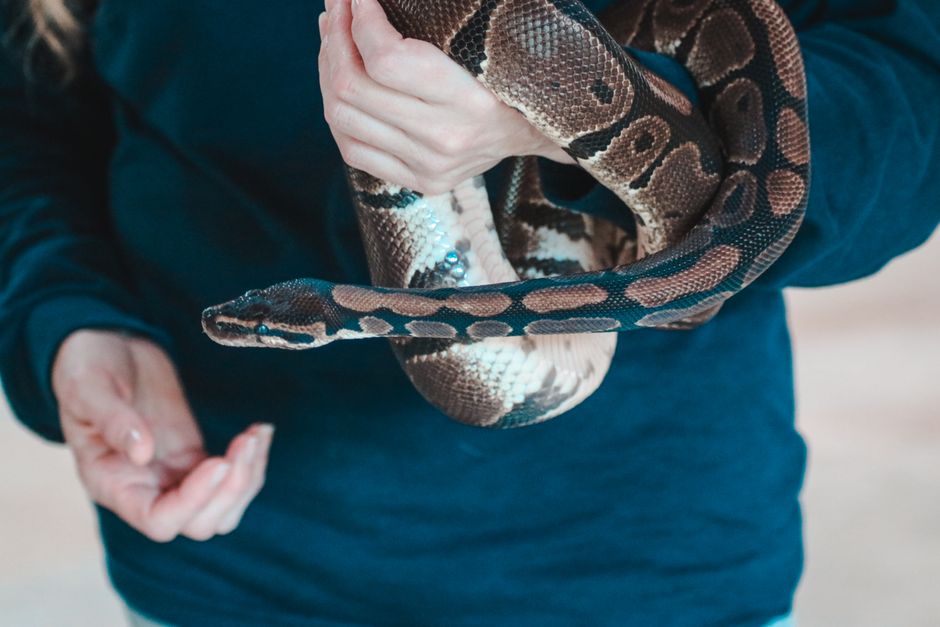
How to Travel with a Reptile: Safe Transit Guide
Learn how to travel with a reptile safely using secure carriers, stable temperatures, and stress-free packing methods.
 🦎Reptiles
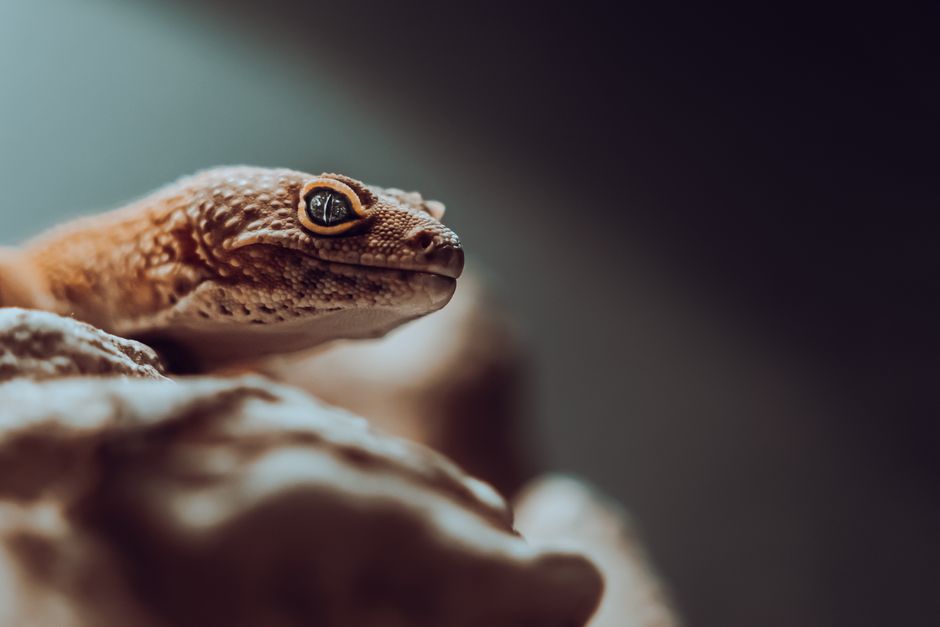
Bearded Dragon vs Leopard Gecko: Which Pet Is Best?
Compare space, diet, handling, and daily care to choose the right beginner lizard between a bearded dragon and a leopard gecko.
 🦎Reptiles
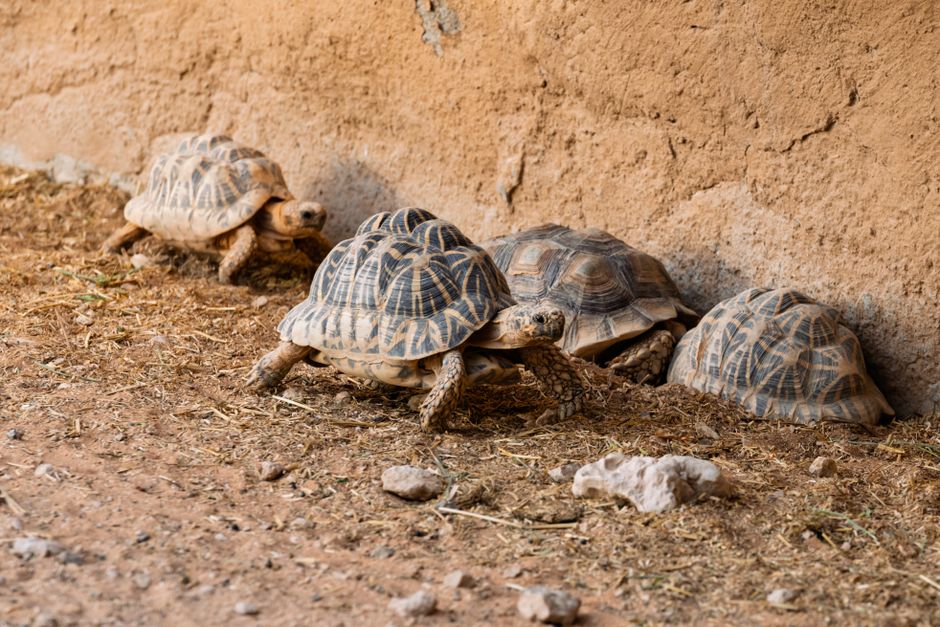
Tortoise Costs: Complete Guide to Ownership Expenses
Discover the true lifetime expenses of owning a tortoise, from initial habitat setup to ongoing food, lighting, and veterinary care.