Can Rattlesnakes Swim? Backyard Pool Safety Guide
A viral video of a massive rattlesnake gliding across a backyard swimming pool on Hilton Head Island shocked thousands of homeowners. If you have ever asked, can rattlesnakes swim, the answer is a clear yes. Rattlesnakes are naturally buoyant, capable swimmers that cross saltwater creeks, marshes, and backyard swimming pools with ease while searching for food, shelter, or a mate.
Seeing a heavy-bodied pit viper leisurely paddling through clear pool water feels unnatural, but it is standard reptile biology. For homeowners in coastal regions and warm rural areas, understanding this behavior is critical for keeping family members and pets safe.
Can Rattlesnakes Swim Across Pools and Lakes?
Yes, rattlesnakes can swim across freshwater pools, calm lakes, rivers, and even coastal saltwater inlets. They inflate their single functioning lung, which acts like an internal life vest and keeps their upper body floating high on top of the water surface. Their muscular coils move in an undulating, side-to-side motion that propels them forward with steady control.
Many people assume only water snakes swim, often confusing rattlesnakes with species like the water moccasin. While pit vipers like cottonmouths are famous for their aquatic lives, rattlesnakes are equally capable in the water. You can learn more about how semi-aquatic vipers behave in our cottonmouth snake habitat guide. In coastal areas like the South Carolina Lowcountry, eastern diamondback rattlesnakes routinely swim between barrier islands to establish new territory.
When a rattlesnake swims, it usually keeps its head and the tip of its tail elevated above the water line. This posture protects its eyes, nose, and rattle from taking on too much water. However, if a snake feels threatened or needs to evade danger, it can submerge completely for short periods.
Why Rattlesnakes End Up in Backyard Pools
Rattlesnakes rarely jump into chlorinated swimming pools on purpose. Most of the time, the snake crawls along the coping edge of the pool while hunting mice or seeking shade, then slips on the slick tile and falls in. Because standard pool edges sit several inches above the water line, the trapped snake cannot get purchase to crawl back out.
Severe summer heat also plays a role in these encounters. During droughts or midsummer heatwaves, reptiles actively look for damp, cool pockets of air. The humidity rising off a swimming pool patio attracts thirsty reptiles, leading to accidental falls.
Can a Rattlesnake Bite While Swimming?
Yes, a rattlesnake can bite while swimming, and its venom remains fully active in the water. While a swimming snake lacks the stable ground leverage needed for a full forward lunge, it can still snap its jaws and deliver a defensive strike if you touch it or corner it against a wall.
A major hidden danger in pool encounters is the rattle itself. When the segmented keratin rattle gets soaked with water, it stops vibrating cleanly and becomes muffled or completely silent. Swimmers cannot rely on hearing an audible warning buzz before getting too close.
Rattlesnakes do not hunt humans and will never chase a swimmer across the pool. Their primary goal in the water is finding a dry ramp or ledge where they can pull themselves out. Bites only happen when a human steps on the snake, tries to grab it by hand, or traps it against the skimmer basket.
What to Do If You Spot a Snake in Your Pool
If you see a rattlesnake in your pool, step away from the water immediately and secure all pets and children inside the house. Do not attempt to kill the snake or grab it with your bare hands, as most snakebites occur when untrained individuals try to harass or remove venomous reptiles.
Once everyone is at a safe distance, assess the situation and choose a safe removal route:
- Call your local animal control or a certified wildlife relocation professional who handles venomous reptiles with professional snake tongs and transport tubes.
- If you must act before help arrives, stand on the deck well away from the snake and extend a long pool skimmer pole into the water so the animal can hook over the net and rest.
- Avoid splashing, throwing objects, or prodding the snake, which creates panic and forces the animal to dive under the surface where it becomes harder to track.
- Keep pets indoors until a professional has checked the entire yard, as snakes that escape the pool often hide under nearby patio furniture or deck stairs.
Keeping Dogs and Cats Safe Around Swimming Snakes
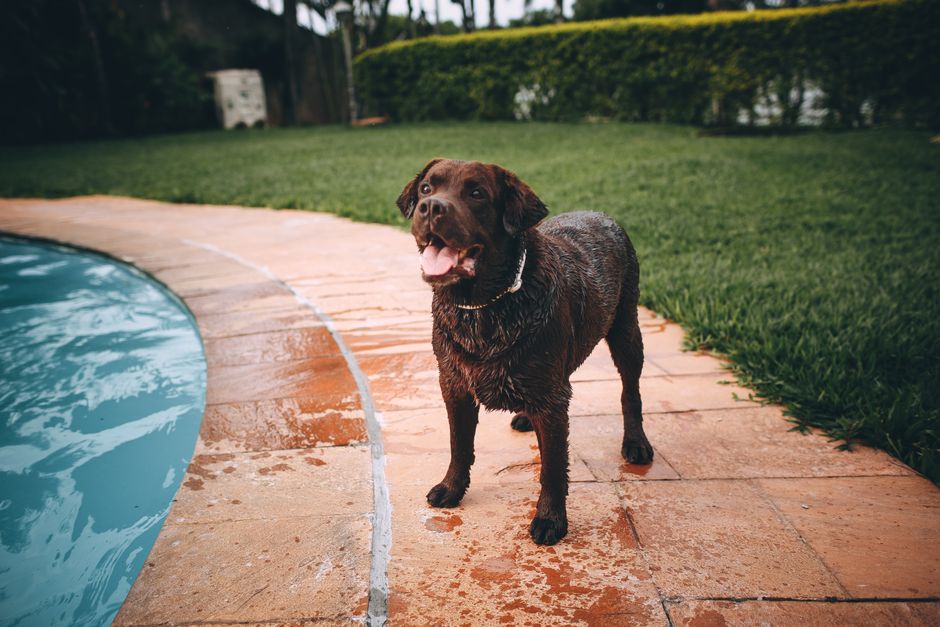
Dogs are naturally curious about floating objects, making pool encounters especially dangerous for family pets. A dog splashing into the pool after a swimming rattlesnake will almost certainly trigger a defensive bite to the face or snout. As part of basic animal welfare and safety, pet parents in snake-prone areas should never leave dogs unattended in fenced pool areas.
If you suspect your pet had contact with a venomous snake, do not wait for swelling or puncture marks to appear. Consult an emergency veterinarian immediately for supportive care and possible antivenom treatment.
How to Keep Rattlesnakes Out of Your Backyard and Pool
You can prevent rattlesnakes from visiting your pool area by eliminating the food, ground cover, and easy entry points that draw them near human dwellings. A snake will bypass a yard that offers nowhere to hide and nothing to eat.
Simple preventative property maintenance makes a dramatic difference:
- Seal gaps along the bottom of perimeter fences with fine wire mesh or hardware cloth dug slightly into the soil.
- Trim low bushes, ground cover plants, and dense ornamental grasses at least twenty feet away from your pool deck.
- Store firewood piles, lumber, and pool equipment bins off the ground to eliminate sheltered nesting spots for rodents.
- Install animal escape ramps inside your pool skimmers so small wildlife can exit without attracting predatory snakes.
- Keep yard turf cut short, which discourages snakes from crossing open lawns where they feel exposed to overhead birds of prey.
People often ask can rattlesnakes swim because they associate these pit vipers strictly with arid brush or rocky hills. The truth is that rattlesnakes are opportunistic survivors that adapt easily to damp coastal woods and backyard ponds. Taking simple precautions keeps your backyard safe without harming native wildlife.
Final Thoughts
Learning that can rattlesnakes swim may come as a surprise, but water is a completely normal highway for these cold-blooded hunters. By staying alert around pool decks, maintaining a clean perimeter, and letting wildlife professionals handle removals, you can share coastal landscapes safely. Explore our other guides on RarePetCare to learn more practical wildlife safety and pet care tips.
Frequently Asked Questions
Can a rattlesnake rattle underwater?
A rattlesnake can move its tail underwater, but the rattle cannot make a loud buzzing sound once the hollow segments become soaked.
Can rattlesnakes breathe underwater?
No, rattlesnakes breathe air with lungs and must keep their heads near the surface to breathe, although they can hold their breath briefly while submerged.
Will chlorine in a pool kill a rattlesnake?
Standard pool chlorine levels will irritate a snake's eyes and sensitive tissues over time, but the water will not kill the reptile quickly.
Why do snakes swim across residential pools?
Snakes usually enter pools accidentally after slipping off the edge while hunting rodents, seeking moisture during heat waves, or following scent trails.
Explore More Reptiles Guides
 🦎Reptiles
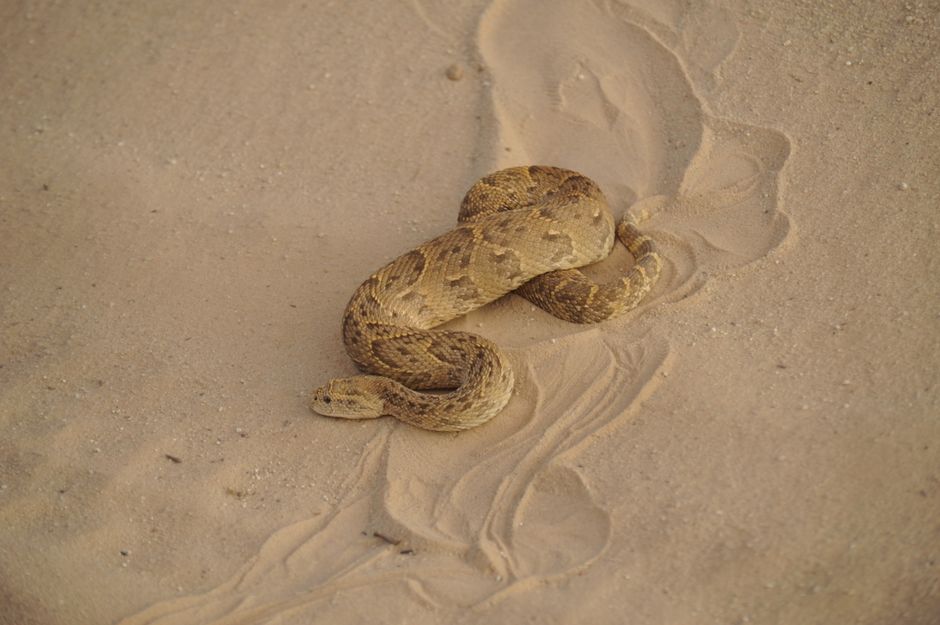
Largest Living Death Adder: Meet Record-Breaking Shazza
Meet Shazza, the record-breaking death adder measuring an astonishing 110 cm at the Australian Reptile Park.
 🦎Reptiles
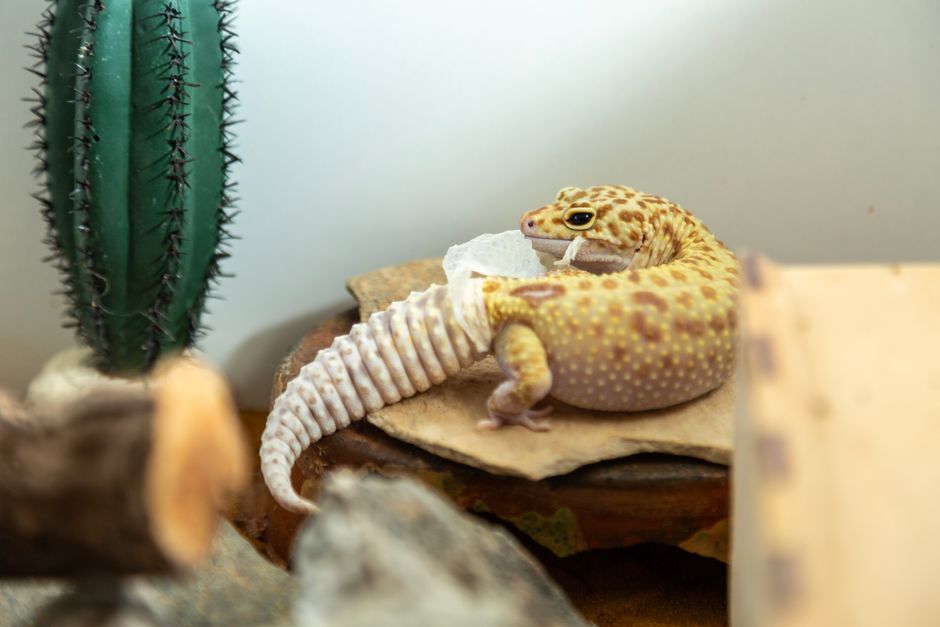
Leopard Gecko Stuck Shed: Safe Removal Guide
Learn how to spot, safely remove, and prevent leopard gecko stuck shed before it damages delicate toes, eyes, and tail tips.
 🦎Reptiles
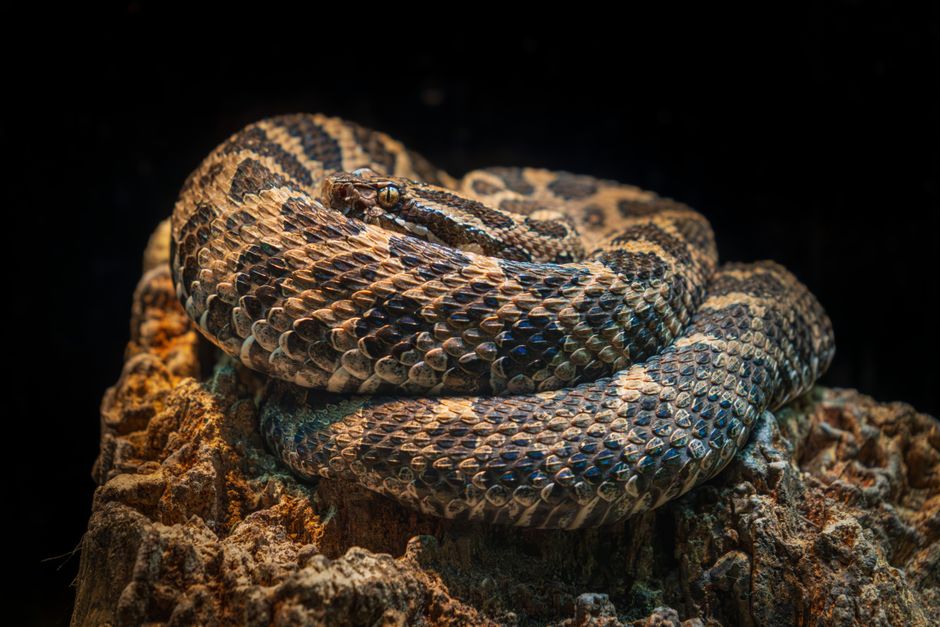
Cottonmouth Snake Habitat: Why They Leave Swamps
New Florida survey data reveals cottonmouth snakes are moving away from traditional swamps into drier upland terrain.