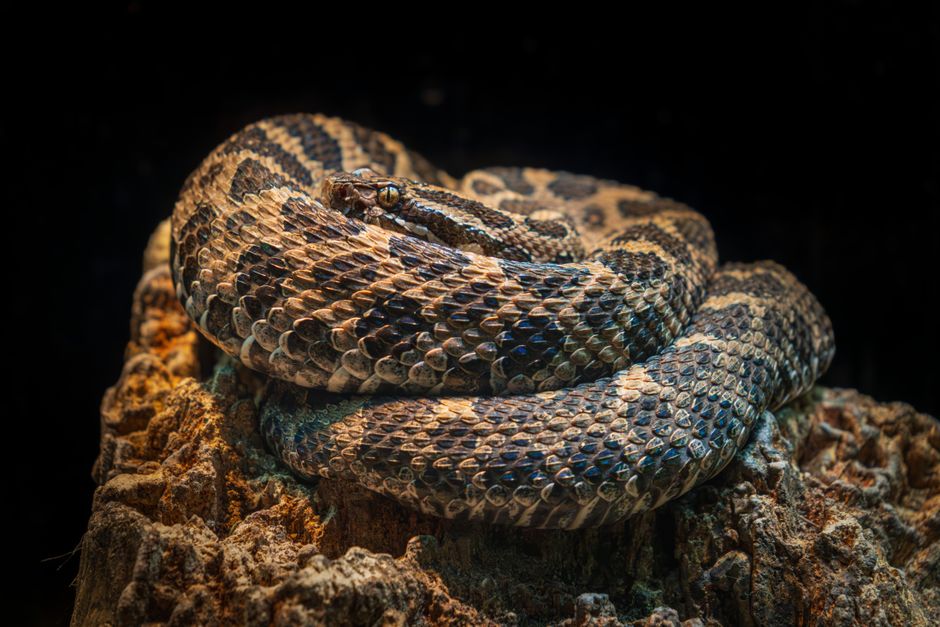
Cottonmouth Snake Habitat: Why They Leave Swamps
Recent field research in Florida is revealing an unexpected shift in how wild pit vipers move across their environment. A typical cottonmouth snake habitat consists of slow-moving freshwater swamps, marshes, and river edges across the southeastern United States, where these semi-aquatic vipers find food and water. However, updated field surveys show these snakes are showing up in drier upland zones far more often than scientists saw two decades ago.
Understanding where these native pit vipers spend their time helps reptile enthusiasts, outdoor lovers, and homeowners stay safe. It also sheds light on how wild snake populations adapt when local ecosystems shift.
What Is the Traditional Cottonmouth Snake Habitat?
The traditional cottonmouth snake habitat is wetland freshwater, including cypress swamps, retention ponds, drainage ditches, and marshes. These semi-aquatic pit vipers spend most of their lives close to water because their primary food sources include fish, frogs, baby turtles, and smaller snakes.
Unlike entirely terrestrial species, cottonmouths depend on damp environments to regulate their hydration and ambush prey along shorelines. Dense vegetation along water margins offers camouflage from predators like hawks, herons, and alligators. You will usually spot them coiled near water bodies, sunning on fallen branches, or resting on swamp banks during warm mornings.
While they are strong swimmers that float high on the water surface, they also venture onto land to bask or move between ponds. Large aquatic constrictors swim with great power, as detailed in our guide on swimming with green anacondas, but cottonmouths use a unique buoyant posture that keeps much of their body above the surface.
Why Are Florida Cottonmouth Snakes Moving to Drier Ground?
Florida cottonmouth snakes appear to be moving into drier uplands primarily due to shifting water tables, changing prey movements, and human development pressure. When local wetlands dry up during severe seasonal droughts, these snakes must travel over dry land to find food, shelter, and water.
Biologists tracking snake activity trap by trap have noticed cottonmouths occupying pine flatwoods and scrub habitats where researchers rarely saw them in the early 2000s. These drier habitats were historically dominated by strictly terrestrial snakes like rat snakes or racers.
The Role of Extreme Weather and Water Availability
Florida regularly experiences erratic rainfall patterns, swinging between long droughts and major tropical storms. When wetlands recede, fish and amphibians die off or concentrate into small puddles that dry quickly. Cottonmouths are opportunistic feeders, so they trail small rodents and lizards into higher elevations when aquatic food runs out.
Once heavy rains return, some snakes stay in their new upland homes rather than migrating back to deeper swamps. Higher ground offers stable underground rodent burrows, tree root cavities, and dense leaf litter that protect snakes from temperature swings.
Human Expansion and Drainage Projects
Urban development continues to alter natural water flow across the state. Canals, residential retention basins, and roads cut directly through historical wetlands, forcing wildlife to navigate fractured spaces. As natural marshes become isolated, cottonmouths search across upland corridors to locate suitable hunting grounds, bringing them into closer contact with suburban yards.
How to Identify a Cottonmouth Away From Water
Identifying a cottonmouth away from water requires looking for a thick, heavy body, a broad spade-shaped head, and a dark facial band running through the eye. When threatened, a cottonmouth opens its mouth wide to reveal a startling, bright white interior, which earned the species its common name.
Many harmless species are misidentified as cottonmouths when encountered in yards or gardens. People often confuse nonvenomous water snakes, racers, and hognose snakes with venomous vipers. Knowing the key physical traits keeps both people and wild snakes safe.
- Head shape: Cottonmouths have a blocky head with sharp ridges above the eyes that obscure their round pupils from an overhead angle.
- Body build: They have a very thick, muscular body with keeled, rough scales, whereas many harmless snakes are slender.
- Facial pit: Like all pit vipers, they possess heat-sensing pits situated between their nostrils and eyes.
- Defensive posture: Rather than fleeing immediately, a cornered cottonmouth often coils tightly, raises its head, and flashes its white mouth lining.
Juvenile cottonmouths look quite different from dark adults, sporting reddish-brown crossbands and bright sulfur-yellow tail tips. Young snakes use this bright tail as a lure to attract small frogs and lizards, similar to the innate behaviors young serpents show right out of the egg, as seen in our article on why baby snakes twist into spirals.
What Should Pet Owners and Gardeners Do If They Spot One?
If you spot a cottonmouth on your property, the best course of action is to give the snake at least six feet of space and let it move away on its own. Cottonmouths are not naturally aggressive animals, and bites almost always happen when someone tries to kill, capture, or poke the snake.
Keep curious dogs and cats indoors until you are certain the snake has cleared the area. If you keep outdoor enclosures for exotic pets or farm animals, make sure fence gaps are sealed and ground-level hiding spots are minimized. If an animal is bitten by a venomous snake, immediately transport them to an emergency exotic-animal veterinarian for antivenom evaluation.
Homeowners can reduce the chances of snakes lingering near their houses by removing brush piles, keeping grass trimmed short, and storing firewood elevated off the ground. Getting rid of spilled birdseed and open pet food bowls also eliminates rodents, which are the main reason snakes visit residential areas.
Is the Cottonmouth Snake Habitat Shift Permanent?
The cottonmouth snake habitat shift appears to be an ongoing ecological adaptation rather than a brief anomaly. Decades of repeat survey records show that wildlife communities change along with climate patterns, water management, and canopy growth.
Biologists expect cottonmouths to continue using diverse habitats as long as climate volatility alters wetland stability. These reptiles are remarkably tough survivors capable of eating nearly any small vertebrate they can overpower. Their willingness to venture into dry woods demonstrates their behavioral flexibility in a changing environment.
For reptile keepers and enthusiasts, this highlights how adaptable vipers can be. However, maintaining any venomous reptile requires specialized training, heavy security protocols, and strict legal permits. Responsible keepers must always research a species' full adult needs, housing demands, and medical safety risks before considering any reptile pet.
Final Thoughts
The changing patterns in cottonmouth snake habitat prove that nature is rarely static. As wetlands shift and upland borders change, these resilient pit vipers will continue using whatever territory gives them the best chance to find food and cover. Check out our other wildlife and exotic reptile guides on RarePetCare to learn more about snake biology, safety, and responsible care.
Frequently Asked Questions
Can cottonmouth snakes survive far away from water?
Yes, cottonmouths can survive away from permanent water for weeks or months if they find shade, moisture, and plenty of prey like rodents or lizards.
Will a cottonmouth chase you on dry land?
No, cottonmouths do not chase humans. They stand their ground or make bluff strikes when cornered, but their primary goal is to scare away threats so they can escape.
What attracts cottonmouth snakes to residential yards?
Cottonmouths visit yards in search of food and damp shelter, drawn by rodent populations, garden ponds, dense ground cover, and stacked debris.
How can you tell a cottonmouth from a harmless brown water snake?
Harmless water snakes have round pupils, lack facial pits, and show dark vertical bars across their lower lip scales, which cottonmouths do not have.
Explore More Reptiles Guides
 🦎Reptiles
Bearded Dragon Brumation Signs: What to Look For
Learn the most common bearded dragon brumation signs and how to tell normal winter rest from an underlying illness.
 🦎Reptiles
Swimming with Green Anacondas: What Science Shows
Discover what really happens during face-to-face underwater encounters with massive green anacondas in the wild.
 🦎Reptiles
Why Baby Snakes Twist Into Spirals in Eggs
Discover the biological forces that make snake embryos curl into tight coils long before they ever move on their own.