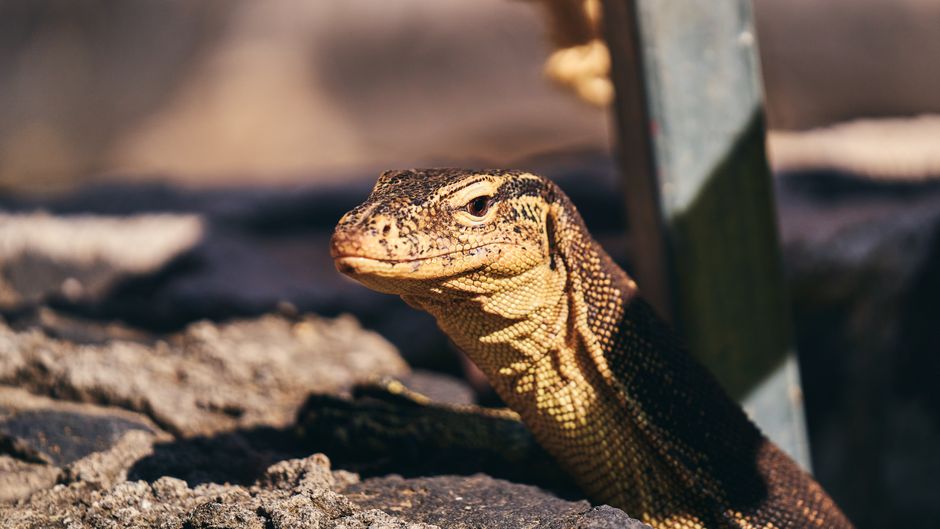
Leaving a Reptile Alone: Safe Vacation Guide
Planning a trip away from home brings up tough questions for exotic pet parents. Leaving a reptile alone is safe only when you plan around species-specific needs, reliable heating controls, and fresh water access. Most adult reptiles can manage a short weekend solo, but longer trips require careful enclosure automation or a trusted pet sitter.
How Long Can You Leave a Reptile Alone?
You can safely leave most healthy adult reptiles alone for two to three days without outside help, provided their heating and lighting run on dependable digital timers. Snakes that eat once every few weeks can often manage up to a week alone, while young lizards and tropical species requiring daily misting should never be left unmonitored for more than twenty-four hours.
Age plays a huge role in how long your pet can stay on its own. Baby and juvenile reptiles have fast metabolisms. They need daily feedings and frequent hydration checks. If a young animal skips multiple meals, its growth and immune system can suffer quickly.
Species type also changes the equation. Desert animals tolerate brief dry spells much better than rainforest species. Before booking travel, research your specific species carefully and consult an exotic-animal veterinarian if your pet has ongoing health conditions.
Essential Equipment for Leaving a Reptile Alone Safely
The safest way to prepare an enclosure for your absence is installing automated equipment that manages light, heat, and moisture without human intervention. Reliable gear prevents dangerous temperature drops and accidental overheating while you are away.
Digital Light and Heat Timers
Mechanical dial timers can stick or lose their schedule during brief power hiccups. Digital wall timers with battery backup keep your reptile on a consistent day and night cycle even if local power blinks off for a minute. Plug both your day basking lights and nighttime heat emitters into these units to keep natural circadian rhythms steady.
Thermostats with Safety Cutoffs
Never run a heat lamp, ceramic heat emitter, or heat mat without a proportional or pulse-proportional thermostat. A heating device that runs uncontrolled can overheat an enclosure quickly, leading to fatal heat stress. Choose a thermostat with high and low temperature alarms so the system cuts power if readings climb past safe limits.
Automated Misters and Auto-Top-Off Bowls
For high-humidity species like those covered in our Crested Gecko Care for Beginners guide, humidity drops are a serious risk. Automated misting systems pump fine water droplets on a set schedule. Combine this with heavy, tip-proof water dishes so your pet does not spill its entire drinking supply on the first afternoon.
Pre-Trip Enclosure Safety Checklist
Before you zip your suitcase and walk out the door, take thirty minutes to run through a physical check of the habitat. Catching a loose latch or a weak bulb before you leave prevents an emergency while you are miles away.
- Test every light, heat element, and thermostat probe to verify temperatures read accurately on your digital thermometer.
- Deep clean the water bowl, rinse away any slimy buildup, and fill it with fresh, conditioned water right before departure.
- Spot-clean the enclosure to remove droppings, shed skin, and leftover food items that could grow mold or breed bacteria.
- Lock all screen lids, sliding glass panels, and cable ports with cage clips or keyed locks to stop unexpected escapes.
- Place a simple Wi-Fi camera near the enclosure so you can check temperatures and animal posture from your phone.
Enclosure security is critical because reptiles are master escape artists when rooms get quiet. An unlatched door or loose screen top can lead to serious trouble, similar to the search challenges described in our Escaped Monitor Lizard Recovery Guide.
Feeding Rules Before You Walk Out the Door
Feeding schedules should be adjusted several days before your trip rather than the morning you leave. Giving a reptile a huge meal right before you walk away is one of the most common mistakes owners make.
Reptiles need steady, proper basking heat to digest their food. If a bulb burns out hours after you depart and your pet has a belly full of fresh food, that meal can sit undigested and rot in its stomach. Feed your snake or insect-eating lizard three to four days before leaving so you can verify regular digestion and waste elimination under normal conditions.
Never leave live crickets or mealworms loose inside the tank while you are away. Hungry crickets will chew on your sleeping reptile's eyes, toes, and skin folds, causing painful bites and open infections. If an animal needs greens while you are gone for two days, offer sturdy, slow-wilting varieties like collard greens rather than fragile lettuces that turn to foul sludge within hours.
When Should You Hire a Reptile Sitter?
You should hire a reptile sitter whenever your trip lasts longer than three days, or whenever your pet requires daily fresh food, medication, or manual misting. Having an actual person enter your home ensures that unexpected power outages, blown bulbs, or spilled water bowls get resolved immediately.
Not every standard dog walker understands reptile keeping. Look for a sitter with verifiable exotic animal experience, or ask a trusted friend whom you train in advance. Write down explicit, bullet-pointed instructions next to the enclosure.
Leave your exotic vet's phone number, the nearest 24-hour emergency clinic address, and a carrier container clearly labeled. Walk your sitter through basic tasks like swapping water and reading the digital thermometer. Tell them clearly: if an animal refuses a meal, do not leave uneaten live insects inside the habitat.
Final Thoughts
Successfully leaving a reptile alone comes down to redundancy, strict safety checks, and knowing your animal's personal limits. Test your equipment days ahead of time so you can travel without worrying about what is happening in the enclosure. Explore our other RarePetCare care guides to keep every exotic companion thriving all year long.
Frequently Asked Questions
Can you leave a snake alone for two weeks?
No, you should not leave a snake alone for two full weeks without someone checking its water bowl and heat equipment. Even though adult snakes can go weeks between meals, water bowls get fouled or tipped over, and heat bulbs can fail.
What happens if the power goes out while I am away from my reptile?
If power fails while you are away, your heating equipment turns off, which can cause enclosure temperatures to drop to room level. A Wi-Fi camera or smart plug alert lets you contact a local emergency contact to step in quickly.
Should I leave live insects in the tank while on vacation?
Never leave uneaten live insects in your reptile's enclosure while you are away. Crickets and beetles will bite your pet's skin, eyes, and toes when no other food is present, leading to serious wounds.
Can I use smart plugs for my reptile lights?
Yes, Wi-Fi smart plugs are an excellent choice for reptile lighting schedules. They allow you to automate day and night cycles and check whether your lights are drawing normal power from your smartphone.
Explore More Reptiles Guides
 🦎Reptiles
New Egg-Eating Snake Species Found in Ethiopia
A newly identified egg-eating snake from Ethiopia reveals fascinating adaptations and sheds light on this gentle, specialized reptile group.
 🦎Reptiles
Reptile Media Kit Guide: Read, Pitch, and Advertise
Discover what a reptile media kit is, how publications share audience reach, and how exotic pet brands and keepers can work with magazines.
 🦎Reptiles
Rare Lizards Most People Have Never Seen
Meet seven of the rarest, most unusual lizards on Earth and discover how specialized habitats shape their remarkable features.