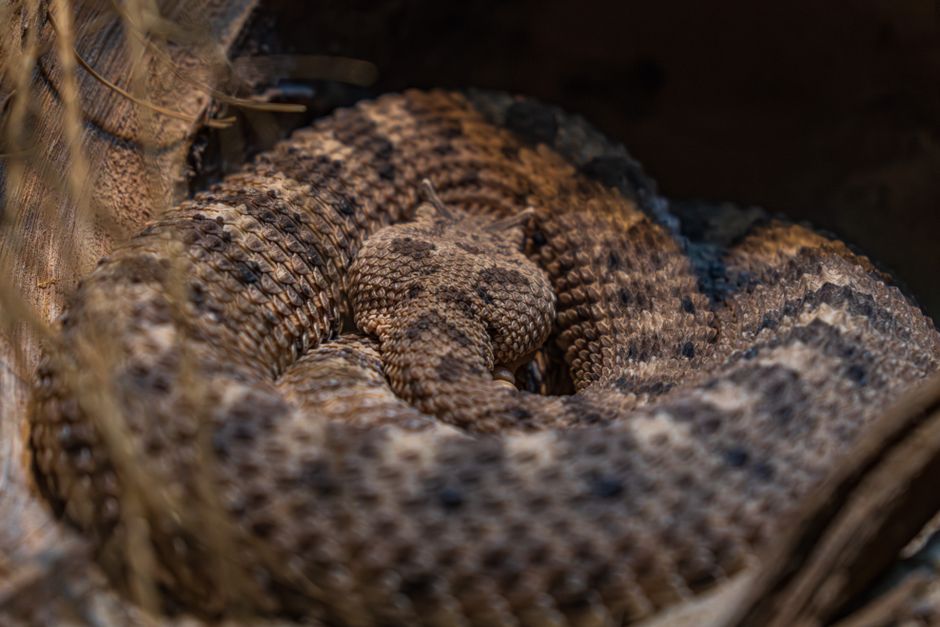
New Egg-Eating Snake Species Found in Ethiopia
A new egg-eating snake species has officially been identified in Ethiopia, giving reptile fans and biologists an exciting look at East African wildlife. A new egg-eating snake species refers to a distinct lineage within the genus Dasypeltis, a group of harmless, non-venomous colubrid snakes that survive entirely on bird eggs rather than live prey. This fascinating discovery proves that wild habitats still hold plenty of secrets for herpetologists to uncover.
How was the new egg-eating snake species discovered in Ethiopia?
The new egg-eating snake species came to light when a local field assistant collected a young female snake and presented it directly to field researchers working in Ethiopia. Field assistants possess deep local knowledge of regional terrain, making their contributions essential for scientific surveys in remote locations.
Once the researchers examined the specimen, they recognized distinct physical traits that set it apart from known populations. In herpetology, confirming a new animal involves a detailed look at scale counts, color patterns, skull structure, and genetic testing. By comparing these markers against existing museum records and published data, scientists confirmed that this individual belonged to a distinct branch of the genus Dasypeltis.
Ethiopia contains a wide variety of habitats, ranging from high plateaus to dry bushlands. These varied ecological zones often create isolated pockets where reptiles evolve independently over long stretches of time. Discoveries like this one show how valuable ongoing field surveys are, especially when local communities and scientists work hand in hand to document native species.
How do egg-eating snakes eat and digest whole eggs?
Egg-eating snakes feed by swallowing whole bird eggs, cracking them internally using specialized vertebral bones in their spine, and regurgitating the crushed shell. Because they lack standard teeth, these reptiles rely entirely on muscular contractions and modified throat anatomy to access the rich liquid contents inside.
When an egg-eating snake encounters a nest, it first inspects the egg with its tongue to ensure the contents are fresh. If the egg passes the test, the snake opens its jaws remarkably wide, stretching flexible skin and ligaments over the smooth surface. The egg travels slowly into the esophagus, where internal vertebral projections, called hypapophyses, press firmly against the shell.
The internal mechanics of swallowing eggs
The snake flexes its neck muscles, driving the bony spikes directly into the shell until it collapses inward. This allows the liquid yolk and albumen to flow directly into the stomach without puncturing delicate digestive organs. After the fluids drain completely, the snake compresses the remaining shell into an oblong pellet, moves it forward with muscular waves, and spits it out.
- Tongue inspection to confirm freshness and check for developing chicks.
- Slow swallowing using highly flexible jaw ligaments and throat tissue.
- Muscular compression against specialized spinal projections to puncture the shell.
- Complete ingestion of yolk followed by regurgitation of the crushed shell pellet.
This process leaves zero shell fragments inside the stomach, protecting the snake from internal tears or impactions. It is one of the most specialized feeding routines found anywhere in the animal kingdom.
Can you keep an egg-eating snake as a pet?
African egg-eating snakes are sometimes kept as captive pets, but their specialized diet makes them much harder to support than common captive reptiles. Finding an unbroken, continuous supply of properly sized, fresh, unfertilized bird eggs is the biggest hurdle every owner faces.
Adult snakes usually handle common quail eggs without trouble, but juvenile snakes need tiny finch, canary, or button quail eggs to survive. If you cannot purchase fresh, unwashed finch eggs on a predictable schedule, a young snake will slowly starve. Reptile owners must research a species' full adult needs before buying any reptile, and consult an exotic vet for health checks and nutritional advice.
For keepers who find specialized diets too demanding, starting with a simpler reptile guide like our crested gecko care for beginners can build essential husbandry skills first. Much like the rare lizards most people have never seen, uncommon snakes demand thoughtful preparation before bringing one home.
What makes egg-eating snakes different from other reptiles?
Egg-eating snakes differ from almost all other snakes because they possess virtually no teeth and rely on mimicry rather than venom or constriction to defend themselves. Their mouths contain only tiny, vestigial tooth buds, rendering them completely incapable of delivering an injurious bite to humans or predators.
Because they have no defensive strike, these snakes have developed ingenious survival tricks. When frightened, an egg-eating snake coils its body into tight loops and rubs its rough, keeled scales together. This friction produces a rapid, loud hissing sound that closely mimics the warning display of dangerous vipers found in the same geographical areas.
- Reduced, vestigial teeth that prevent painful bites.
- Rough, keeled scales that produce a loud warning rasp when rubbed together.
- Defensive head-flattening displays that copy the appearance of venomous vipers.
- Gentle, non-aggressive temperament when handled calmly in captivity.
These harmless snakes also mock strike with closed mouths, lunging forward to scare off threats without ever opening their jaws. Their entire survival strategy relies on bluffing, proving how effective behavioral adaptations can be in the wild.
Final Thoughts
The discovery of this new egg-eating snake species highlights the incredible biodiversity hiding in East African ecosystems. These gentle, egg-loving snakes continue to capture the imagination of reptile lovers around the globe thanks to their peaceful nature and specialized survival skills. Explore our other guides on RarePetCare to learn more about unusual reptiles, practical pet advice, and the wild wonders of the animal kingdom.
Frequently Asked Questions
What do egg-eating snakes eat in captivity?
Captive egg-eating snakes eat fresh, unfertilized bird eggs such as quail eggs for adults and button quail or finch eggs for juveniles.
Are egg-eating snakes venomous?
No, egg-eating snakes are completely non-venomous and belong to the harmless colubrid family.
Can an egg-eating snake bite a human?
An egg-eating snake cannot bite effectively because it lacks functional teeth and relies on bluff displays when threatened.
How often do egg-eating snakes need to feed?
Adult egg-eating snakes generally eat one or two appropriate eggs every couple of weeks, though feeding schedules depend on their seasonal cycles.
Explore More Reptiles Guides
 🦎Reptiles
Reptile Media Kit Guide: Read, Pitch, and Advertise
Discover what a reptile media kit is, how publications share audience reach, and how exotic pet brands and keepers can work with magazines.
 🦎Reptiles
Rare Lizards Most People Have Never Seen
Meet seven of the rarest, most unusual lizards on Earth and discover how specialized habitats shape their remarkable features.
 🦎Reptiles
Escaped Monitor Lizard: How to Find and Secure Them
Learn how to find an escaped monitor lizard, why they break out, and the best ways to keep your reptile enclosure completely secure.