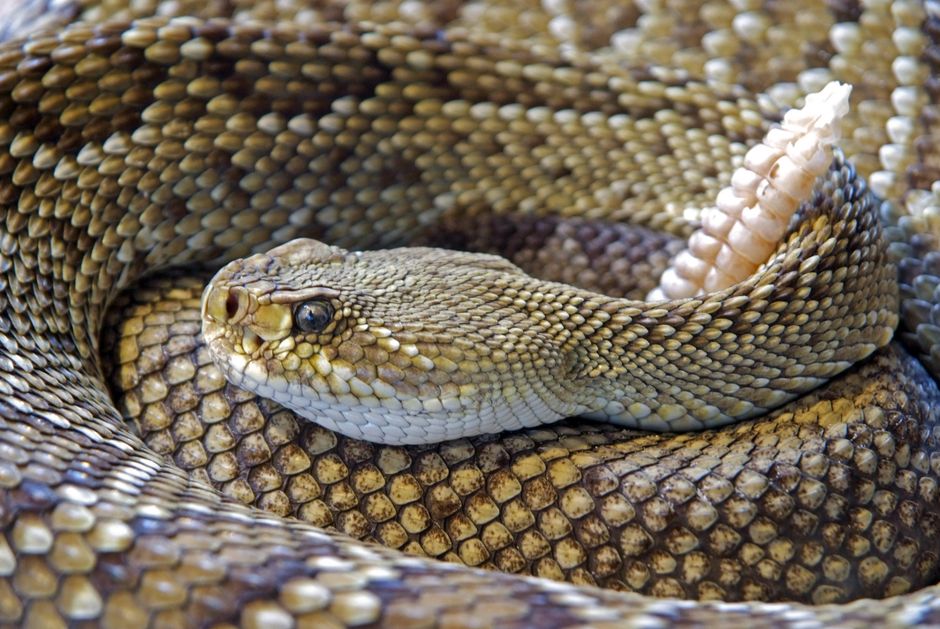
Can Western Diamondback Rattlesnake Venom Create Universal Antivenin?
Have you ever wondered how venomous species like the Western Diamondback Rattlesnake manage their own deadly toxins without harming themselves? Snake enthusiasts and pet parents alike often ask how these impressive creatures survive their own bites and how modern science uses snake research to protect human health. Let us take a closer look at what researchers are learning about rattlesnake venom and how new discoveries might help protect both people and animals in the future.
How Does Western Diamondback Rattlesnake Venom Work?
Western Diamondback Rattlesnake venom works by breaking down blood cells and body tissue to assist the snake in digesting its food efficiently. When a rattlesnake strikes, it injects venom deep into its prey using specialized hollow fangs. This venom contains a mix of enzymes that disrupt blood clotting and break down cellular structure. In nature, this chemical adaptation allows the rattlesnake to secure meals quickly without getting injured in a struggle.
While venom is primarily a hunting tool, it is also a complex substance made of dozens of proteins. Every component serves a specific purpose in immobilizing prey and beginning the digestive process before the snake even swallows. For those fascinated by exotic reptiles, learning about these complex biological systems is one of the most exciting parts of reptile study.
If you are interested in native reptiles, always remember that venomous snakes require experienced care, specific permits, and strict containment. Never attempt to handle wild venomous snakes in your backyard or community. If you ever have questions about local snake health or safely identifying a species, consult an exotic-animal veterinarian or local wildlife specialist for specific guidance.
Can Western Diamondback Rattlesnakes Poison Themselves?
No, Western Diamondback Rattlesnakes rarely poison themselves, although the exact ways they resist their own venom are still being studied by researchers. Scientists know that these snakes carry protective proteins in their bloodstream that bind to venom enzymes and neutralize them before damage occurs. However, a massive accidental bite or a heavy dose of venom directly into vital tissue could still cause medical issues for the snake.
Researchers are actively examining how rattlesnakes handle their own toxins during feeding, territory disputes, and accidental bites. By studying blood samples and tissue samples from pit vipers, scientists hope to pinpoint the exact immune mechanisms that protect them from accidental poisoning.
Why Scientists Study Snake Self Envenomation
Scientists study snake self envenomation because understanding natural immunity offers key insights for human medicine. When researchers discover how a snake stops its own toxins from destroying tissue, they can replicate those defenses to create new treatments for humans. This research helps turn complex wildlife biology into practical solutions for snake bite care worldwide.
Could Western Diamondback Rattlesnake Venom Help Create Universal Antivenin?
Yes, ongoing research into Western Diamondback Rattlesnake venom is helping scientists get closer to finding universal antivenin solutions that work against many different snake species. Currently, most traditional antivenin treatments are designed for specific snake bites, meaning hospitals must store many different vials to treat patients depending on which snake bit them. By focusing on shared proteins across pit viper venoms, researchers hope to produce broad spectrum treatments that work against a wide range of snake bites.
Developing a universal approach to snake bite envenomations is a major goal for medical researchers and global health organizations. A broader antivenin could simplify emergency medical responses, especially in remote regions where identifying the exact snake species is difficult and specific antivenins are unavailable.
What This Means for Reptile Keepers and Safety
For reptile owners and enthusiasts who enjoy reading our reptiles articles, these scientific discoveries highlight how vital snake conservation truly is. Advancements in venom research protect researchers, field biologists, rescuers, and outdoor workers who encounter wild snakes. Preserving rattlesnake habitats in the wild ensures that scientists can continue studying these important biological compounds.
What Should You Do If You Encounter a Western Diamondback Rattlesnake?
You should immediately give the Western Diamondback Rattlesnake plenty of space and walk slowly away without making sudden movements. Most rattlesnakes only strike when they feel cornered, threatened, or accidentally stepped on. Rattlesnakes use their tail rattle as a warning signal to let predators and people know they are too close, giving you time to retreat safely.
If you keep exotic pets at home or spend time outdoors with your dogs, keeping a safe distance from wild snakes is the best prevention. Never attempt to poke, catch, or move a rattlesnake yourself. Instead, contact a licensed local reptile rescue group or animal control service if a venomous snake ends up in a living area or yard where it poses a danger to family members or domestic pets.
Final Thoughts
Understanding how the Western Diamondback Rattlesnake manages its venom helps us appreciate the extraordinary defenses built into nature. As scientific research brings us closer to universal antivenins, both human medical care and wildlife conservation gain vital tools for the future. By respecting these reptiles in their natural habitats, we can keep our families safe while supporting important scientific discoveries.
Frequently Asked Questions
How does a rattlesnake rattle work?
A rattlesnake rattle is made of hollow interlocking segments of keratin that click together rapidly when the snake shakes its tail. This creates a distinct buzzing alert to warn larger animals to stay away.
What should you do if a pet gets bitten by a rattlesnake?
Seek emergency medical treatment at a veterinary hospital immediately if your pet is bitten by a rattlesnake. Keep your pet calm and restrict their physical movement to help slow down venom absorption.
Is a Western Diamondback Rattlesnake bite fatal to humans?
A bite can be dangerous or fatal without medical attention, but modern antivenin treatment makes severe outcomes very uncommon. Getting immediate medical care at a hospital is vital after any bite.
How do doctors treat snake bite envenomations?
Doctors treat snake bite envenomations primarily by administering intravenous antivenin to neutralize venom toxins in the bloodstream. They also provide supportive medical care to manage swelling, blood clotting, and wound healing.
Explore More Reptiles Guides
 🦎Reptiles
Marine Iguana: The Ocean-Feeding Lizard
Meet the marine iguana, the only lizard on Earth that dives into cold ocean waters to graze on underwater algae.
 🦎Reptiles
Hawksbill Sea Turtle Endangerment: What Happened
Learn the primary causes of hawksbill sea turtle endangerment, the history of the tortoiseshell trade, and how to protect them today.
 🦎Reptiles
Longest Wild Snake Ever Found: A Record Python
A record-setting giant reticulated python discovered in Indonesia reveals how large wild snakes can grow in undisturbed rainforests.