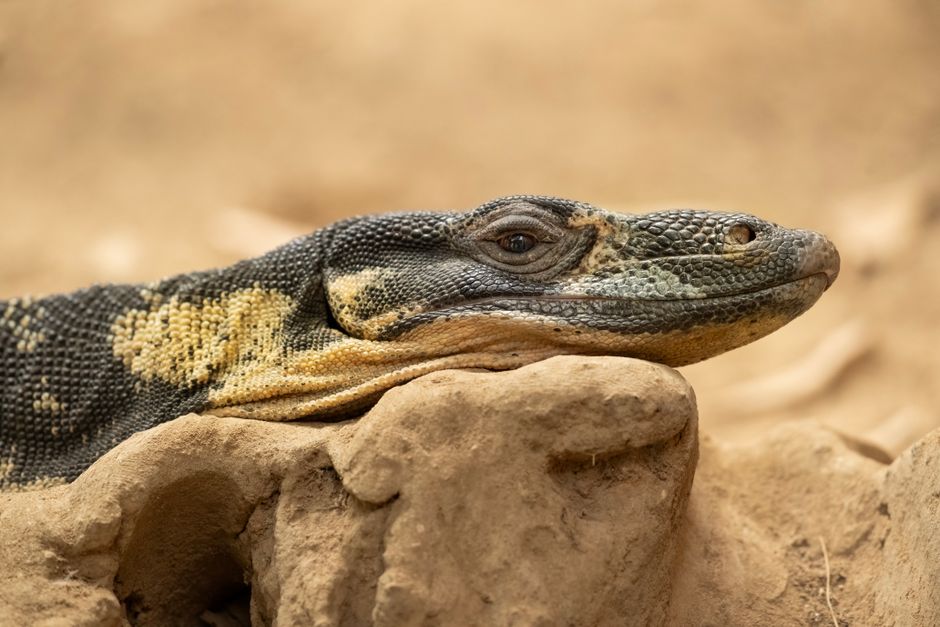
New Racerunner Lizard Species Discovered in Pakistan
Finding an unknown reptile in the wild is always a thrilling moment for naturalists and reptile enthusiasts alike. A new racerunner lizard species is an agile, ground-dwelling reptile documented across four localities in Pakistan's Chagai District. It stands out from related lacertid lizards thanks to a distinct maze-like pattern of winding brown markings that run along its back.
For passionate pet parents who love fast-moving lizards, learning how these desert dwellers live helps us appreciate their unique biology. Here is everything we know about this exciting scientific discovery and what it teaches us about wild desert reptiles.
Where was the new racerunner lizard species discovered?
The new racerunner lizard species was discovered in Pakistan, where researchers officially documented it across four distinct localities in the Chagai District. This desert district is located in the western province of Balochistan, a region known for extreme dry conditions, rocky terrain, and wide open plains.
Documenting the lizard at four separate sites is significant for herpetologists. It confirms that these animals form a stable, established population rather than representing an isolated stray or a one-off genetic mutation. Finding multiple groups gives researchers a much clearer picture of the geographical boundaries where the species lives.
Balochistan features harsh seasonal climate shifts. Summers bring intense heat, while winter nights can drop to freezing levels. In response, desert lizards often spend long stretches sheltered in underground burrows or beneath deep rock crevices. They emerge only during favorable parts of the day to bask and forage for insects. Because this region is vast and difficult to survey, many small reptiles have managed to live undetected for generations.
What does this new racerunner lizard look like?
This newly identified racerunner lizard is distinguished by a striking maze-like pattern of winding brown markings that spread across its back. Rather than having the plain longitudinal stripes or simple spots common to many lacertids, this species features an intricate network of wavy lines that mimic cracked desert earth.
The lizard possesses the classic physical build of an active racerunner. It has a streamlined body, smooth scales that minimize moisture loss, and a long, slender tail that provides balance when running at high speeds. Its long toes and muscular back legs allow it to dart across loose sand and gravel without slipping.
Natural camouflage and desert survival
Desert predators have exceptional eyesight, making reliable camouflage essential for ground-dwelling lizards. The winding brown markings break up the outline of the lizard's body against sunbaked dirt, gravel, and scattered desert brush. When danger approaches, the lizard can freeze in place, blending into the background so hawks and predatory snakes overlook it.
Watching how wild reptiles adapt their bodies to harsh environments is endlessly fascinating. For example, research into how short toes aided hurricane survival showed how tiny physical differences make a massive impact on whether wild lizards thrive. In this racerunner, its intricate markings act as a primary shield against predators before its sprint speed is ever put to the test.
Can you keep a racerunner lizard as a pet?
Newly discovered species like this Pakistani racerunner lizard are not available as pets and should remain protected in their wild habitats. Removing newly documented animals from their native territory can disrupt wild numbers before biologists even understand their breeding cycles, population health, or natural diet.
Responsible hobbyists prioritize ethical pet keeping. You should always verify that any exotic lizard you purchase is captive-bred through legal, established breeding programs. Always research a species' full adult needs before buying any pet reptile, and consult an exotic vet for health issues or specialized diet questions.
Basic captive requirements for active arid lizards
While this wild Pakistani species cannot be kept at home, many reptile keepers care for related arid lacertids and whiptail lizards. These high-energy reptiles have very specific care needs that differ significantly from slow-moving species like bearded dragons or geckos:
- Large enclosures with generous floor space so these rapid sprinters have plenty of running room without running into the glass.
- High-output UVB lighting and dedicated basking spots to help the lizard process dietary calcium and regulate its daily body temperature.
- Deep, arid-safe substrate blends, such as sand and clay mixes, that allow natural digging and support underground burrows.
- A varied diet of live, gut-loaded feeder insects lightly dusted with calcium and vitamin powders to support their fast metabolism.
- Multiple secure hides placed on both the warm and cool sides of the enclosure to give the lizard safe resting spots throughout the day.
Why are new wild reptile discoveries important for hobbyists?
New wild reptile discoveries give pet owners direct insights into wild microclimates, diet variety, and natural behaviors that help improve daily captive care standards. When field biologists publish detailed habitat descriptions, they share vital clues about humidity levels, substrate density, and temperature swings.
Reptile keepers can use this field data to create better, more naturalistic vivariums. Learning that a desert lizard relies on deep underground burrows to escape heat reminds pet owners why adequate substrate depth and cool hides are so important inside an enclosure. Without a cool retreat, even desert animals can easily suffer from heat stress in captivity.
Field discoveries also highlight the value of habitat conservation. When you keep exotic pets, you develop an appreciation for the wild lands these animals originate from. Supporting conservation research helps ensure that unique creatures continue to thrive in their natural homes for centuries to come.
Final Thoughts
The documentation of this new racerunner lizard species in Pakistan highlights the beauty and resilience of desert reptiles. By studying these agile lizards in their native Chagai District, we gain a deeper appreciation for reptile biodiversity across the globe. Take a look at our other RarePetCare guides to learn more about exotic reptile care and fascinating wildlife discoveries.
Frequently Asked Questions
What do racerunner lizards eat in the wild?
Racerunner lizards eat small invertebrates such as insects, spiders, and larvae that they hunt on the ground. They use their keen vision and quick bursts of speed to catch fast prey among rocks.
How fast can racerunner lizards run?
Racerunner lizards can reach impressive sprinting speeds, often darting across open ground at several miles per hour to evade predators. Their long tails and muscular hind legs help them balance and change direction instantly.
What family of reptiles do racerunner lizards belong to?
Racerunner lizards generally belong to the families Lacertidae or Teiidae, depending on their geographic origin. The Old World racerunners found in Asia and Europe are true lacertids adapted to arid terrain.
How can reptile keepers support wild lizard conservation?
Keepers can support wild populations by purchasing only captive-bred pets from ethical breeders and avoiding animals collected from the wild. Supporting verified field conservation groups also protects critical desert habitats.
Explore More Reptiles Guides
 🦎Reptiles
Silver Key Anoles: How Short Toes Aided Hurricane Survival
Silver Key anoles with shorter hind toes had higher hurricane survival rates, showing how wild lizards adapt to extreme weather.
 🦎Reptiles
Olive Ridley Sea Turtle in California: Rare Nesting
A rare olive ridley sea turtle laid eggs on a Southern California beach. Here is why this unusual Pacific nesting event caught global attention.
 🦎Reptiles
Olive Ridley Sea Turtle Eggs: Why Rescuers Move Them
Discover why wildlife experts relocate rare olive ridley sea turtle eggs when powerful ocean storms and high tides threaten coastal nests.