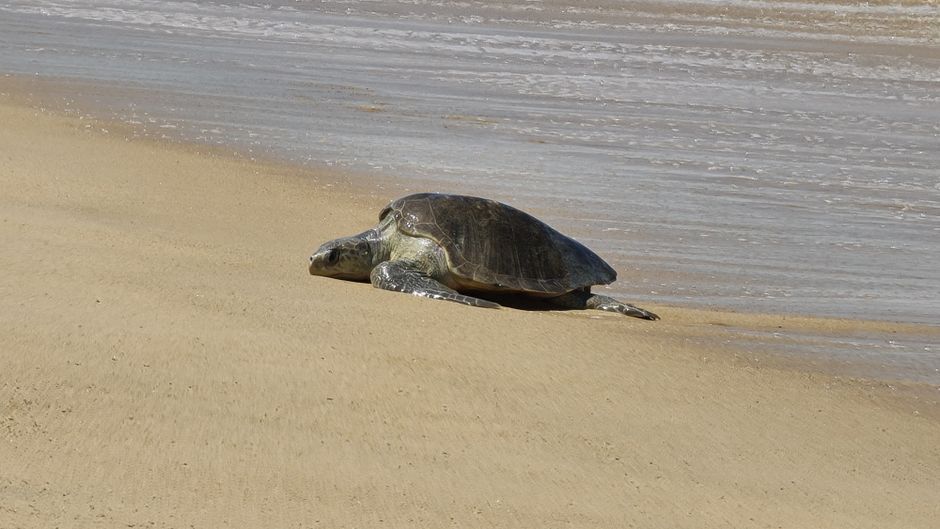
Olive Ridley Sea Turtle Nest Found in California
A sharp-eyed beach walker recently spotted something extraordinary on a Ventura County shoreline. An Olive Ridley sea turtle nest was found tucked into the sand, marking the third recorded nesting event for this tropical species in Southern California. An Olive Ridley sea turtle nest is an underground egg chamber dug into sandy beaches by adult female sea turtles, normally found along warm tropical coastlines rather than temperate Pacific waters. Finding one this far north is a thrilling surprise for reptile lovers and wildlife managers across the region.
As wild reptile populations shift their ranges, moments like this give us a rare look at ocean health and reptile biology in real time. Here is what happened on the beach, what wildlife agencies did next, and what you should do if you ever stumble across a wild sea turtle.
Why Is an Olive Ridley Sea Turtle Nest in California So Rare?
An Olive Ridley sea turtle nest is exceptionally rare in California because these reptiles naturally nest on tropical beaches in Mexico, Central America, and parts of India. California waters are normally far too chilly for adult nesting females, who prefer warm sand to incubate their clutches properly.
Olive Ridley turtles are famous for large synchronized nesting gatherings known as arribadas. Thousands of females haul out onto warm sand together in places like Costa Rica or Oaxaca. Seeing a lone female wander hundreds of miles north of her usual breeding grounds to lay eggs in Ventura County shows how dynamic marine life can be. Ocean currents, shifts in sea surface temperatures, and food availability may draw individual turtles outside their standard boundaries.
While juvenile and adult Olive Ridleys occasionally forage off the coast of Southern California during warm summer months, laying eggs ashore is completely out of the ordinary. You can learn more about previous sightings in our overview of Olive Ridley sea turtle in California rare nesting history. Beach sands in Ventura County tend to be cooler than tropical nesting beaches, which makes natural egg development difficult without special attention.
How Did Wildlife Officials Protect the Beach Site?
Wildlife officials protected the beach site by securing the immediate perimeter and calling in federal biologists to evaluate the eggs. California State Parks staff coordinated directly with the U.S. Fish and Wildlife Service to keep beachgoers, dogs, and vehicles away from the fragile clutch.
Because sea turtles face numerous threats worldwide, every nest is treated with extreme caution. The U.S. Fish and Wildlife Service oversees sea turtle protection on land, while the National Oceanic and Atmospheric Administration handles sea turtles in the open ocean. Once the agency confirmed the site, trained biologists assessed the depth of the chamber and the condition of the eggs.
The Role of Local Park Rangers
Local park rangers play a vital frontline role during sudden wildlife discoveries. They act quickly to establish physical barriers, monitor foot traffic, and educate curious visitors who gather to take photos. By keeping pets on leashes and guiding beach visitors away from the location, rangers prevent accidental trampling and sand compaction over the nest.
Federal Oversight and Egg Safety
Federal wildlife specialists must decide whether an unusual nest can remain in place or if it requires careful transfer. Cold sand temperatures, high tide lines, and foot traffic can quickly destroy developing embryos. When clutches face severe environmental hazards, authorized researchers sometimes relocate eggs to temperature-controlled facilities or safer beach stretches under strict federal permits.
What Should You Do If You Find a Sea Turtle Nest?
If you find a sea turtle nest on a public beach, stay back at least thirty feet, keep pets away, and call local wildlife authorities immediately. Touching the sand, digging up eggs, or walking over the tracks can destroy delicate embryos and disturb important biological evidence.
Reptile enthusiasts love observing wild animals, but wild marine reptiles require complete space and non-interference. Following the correct steps protects both the animals and the person reporting the find:
- Note your exact location using a GPS pin on your smartphone or landmark references.
- Keep people, children, and off-leash dogs far away from the depression and flipper tracks.
- Avoid using flash photography, bright flashlights, or laser pointers near the area.
- Call California State Parks, local animal control, or the regional stranding network right away.
- Remain on site at a respectful distance until official personnel arrive to take over.
These simple steps make an enormous difference. Prompt reporting by an observant walker was the exact reason this Ventura County discovery received immediate protection before high tides or beach activity could disturb it.
Can Olive Ridley Sea Turtles Be Kept as Pets?
No, Olive Ridley sea turtles cannot be kept as pets under any circumstances. All sea turtle species are federally protected under the Endangered Species Act, making it illegal to own, capture, disturb, buy, or transport them.
Beyond the legal bans, sea turtles have physical and environmental requirements that no home aquarium could ever meet. They grow to significant weights, require thousands of gallons of filtered salt water, and need vast ocean spaces to swim. Unlike smaller captive turtles or reptiles, these animals rely on complex marine ecosystems to thrive.
As a reminder for all reptile enthusiasts, research a species' full adult needs, legal status, and housing costs thoroughly before bringing any captive pet home, and always consult an exotic vet for health issues with domestic reptiles. If you enjoy aquatic or unusual species, captive-bred freshwater turtles, small captive lizards, or invertebrates make far more ethical choices. For example, learning about unusual wild traits in species like Silver Key anoles and hurricane survival can satisfy your curiosity about reptile resilience without interfering with wild populations.
What Does This Nest Tell Us About Pacific Marine Life?
This nest tells us that marine reptiles are capable of unexpected behavioral shifts in response to changing coastal conditions. While a single nesting site does not mean California is becoming a permanent breeding colony, it shows that adult turtles explore new coastal corridors when conditions allow.
Marine biologists track these unusual occurrences to better understand Pacific currents and turtle movements. Even solitary nesting events offer valuable biological data about genetics, nesting dates, and regional water temperatures. When citizen scientists and everyday beach visitors report what they see, they help researchers assemble a clearer picture of ocean health along the West Coast.
Final Thoughts
Finding an Olive Ridley sea turtle nest on a Southern California shore is a breathtaking reminder of how resilient and surprising wild reptiles can be. Quick reporting by an alert passerby allowed wildlife agencies to step in promptly and give this clutch the best possible chance. Discoveries like this remind us to stay observant and treat our coastal ecosystems with gentle respect. Explore our other guides on RarePetCare to learn more about reptile behavior, captive care tips, and wildlife conservation news.
Frequently Asked Questions
Where do Olive Ridley sea turtles usually nest?
Olive Ridley sea turtles usually nest on tropical beaches in Central America, Mexico, and India, where sands stay warm year-round.
Is it legal to touch a sea turtle nest in California?
No, it is illegal under state and federal law to touch, disturb, or harass any sea turtle nest or eggs.
Why don't sea turtles usually nest in California?
California coastal waters and sands are normally too cold for tropical turtle eggs to incubate and develop successfully.
Who manages sea turtle nests found on land?
The U.S. Fish and Wildlife Service oversees and manages sea turtles and their nests once they are on land.
Explore More Reptiles Guides
 🦎Reptiles
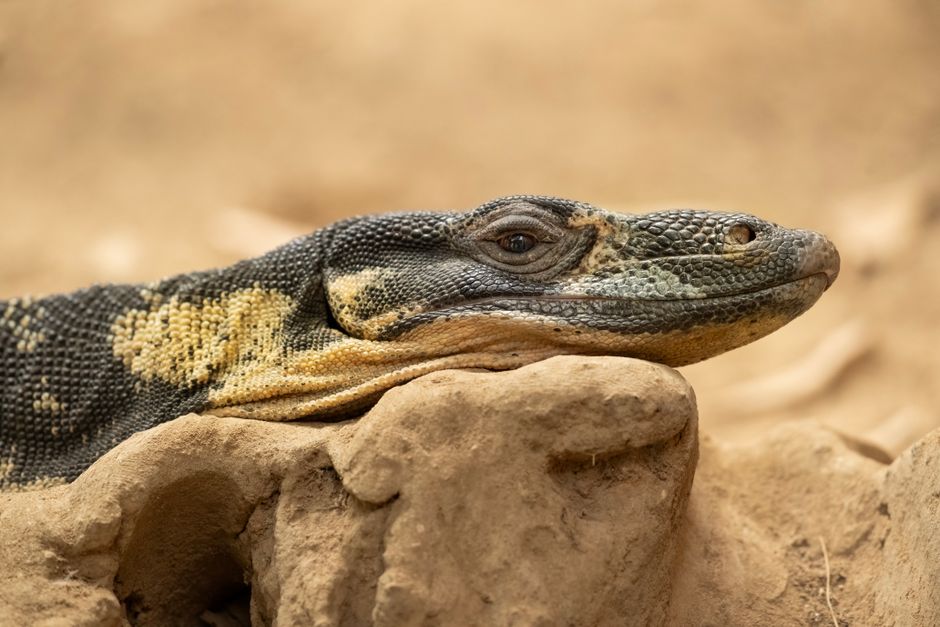
New Racerunner Lizard Species Discovered in Pakistan
Researchers in Pakistan have documented a new racerunner lizard species with unique maze-like markings across its back.
 🦎Reptiles
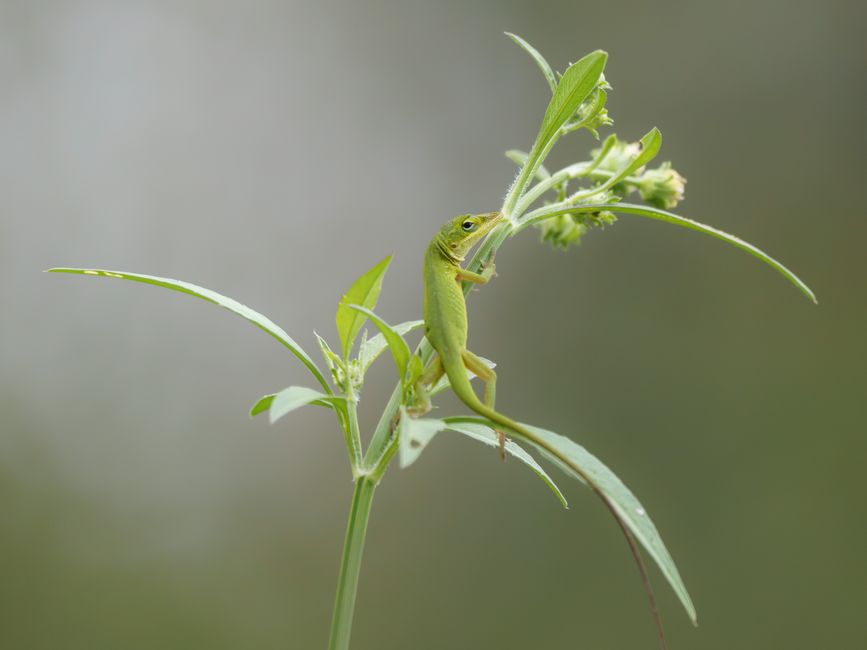
Silver Key Anoles: How Short Toes Aided Hurricane Survival
Silver Key anoles with shorter hind toes had higher hurricane survival rates, showing how wild lizards adapt to extreme weather.
 🦎Reptiles
Olive Ridley Sea Turtle in California: Rare Nesting
A rare olive ridley sea turtle laid eggs on a Southern California beach. Here is why this unusual Pacific nesting event caught global attention.