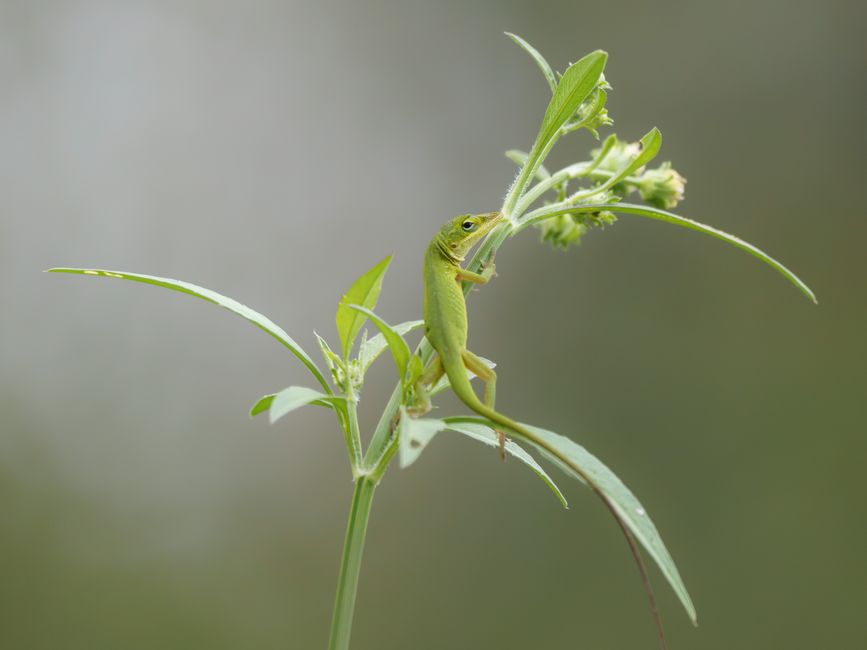
Silver Key Anoles: How Short Toes Aided Hurricane Survival
When extreme storms batter island ecosystems, survival often comes down to tiny physical advantages. Silver Key anoles hurricane survival research revealed that lizards with shorter fourth hind toes were far more likely to stay anchored during catastrophic winds. Scientists studying wild populations in the Turks and Caicos documented this rapid selection firsthand after major storms swept the region.
For reptile lovers and naturalists, this finding offers a fascinating look into natural selection in real time. It also shows how subtle anatomical differences make a life-or-death difference when tropical storms strike fragile island habitats.
Why Did Shorter Toes Help Silver Key Anoles Survive Hurricanes?
Shorter fourth hind toes gave Silver Key anoles a mechanical advantage by reducing drag and preventing high winds from prying their feet off tree branches. During intense storm gusts, long toes act like tiny levers that wind can easily catch, forcing the lizard to lose its grip and blow away into open water.
Field researchers noticed this pattern after tracking wild anole populations before and after Hurricanes Irma and Maria hit their native islands in 2017. Lizards that lived through the storms consistently possessed shorter rear toes than those that vanished. When hurricane-force winds buffet a tree canopy, maintaining a tight, low-profile grasp is essential.
The Physics of the Anole Perch
Anoles cling to branches using specialized toe pads covered in microscopic hair-like structures called setae. These structures rely on van der Waals forces to stick to bark and smooth foliage. However, when wind speed surges, the friction and surface adhesion must fight outward pulling forces.
A longer hind toe projects further outward from the branch. This extra length creates more surface area for wind to push against. Shorter toes let the lizard pull its limbs tightly against the branch, hugging the wood and cutting down air resistance.
What Makes the Silver Key Anole Unique?
The Silver Key anole, known scientifically as Anolis scriptus, is a small, hardy arboreal lizard native to the dry scrublands and coastal forests of the Turks and Caicos Islands. These active lizards spend their lives navigating narrow branches, sunning on tree trunks, and hunting small invertebrates.
Like many Caribbean anoles, they display notable sexual dimorphism. Males often grow larger than females and possess bright throat fans called dewlaps, which they display during territorial disputes and courtship rituals. Their coloration ranges from mottled greys and browns to subdued greens, providing camouflage against lichen-covered branches and limestone rocks.
Life on low-lying tropical cays means these reptiles have evolved under constant exposure to harsh sun, salt spray, and periodic tropical storms. Their overall body shape reflects a life spent balancing on thin perches rather than sprawling across the forest floor.
How Extreme Weather Shapes Wild Lizard Evolution
Extreme weather events act as powerful evolutionary filters that can alter the genetic makeup of an entire reptile population in just a few days. Instead of slow, gradual shifts over thousands of years, a single category four or five hurricane can wipe out individuals with vulnerable physical traits, leaving only survivors to reproduce.
This sudden shift is one of the clearest documented examples of rapid natural selection in wild vertebrates. Just as unusual physical defenses help species survive predators, like the way a cartwheeling snake escape behavior protects it on open ground, toe proportions give island lizards a fighting chance against violent gales.
When severe weather wrecks fragile island habitats, wildlife rehabilitation and field monitoring become critical tools. Organizations dedicated to exotic animal rescue and conservation frequently track how wild animal numbers recover after catastrophic storms hit delicate island chains.
What Physical Traits Help Lizards Grip in High Winds?
Survival in high winds depends on a combination of limb proportions, body posture, and specialized foot pads working together. Lizards that dwell in wind-swept canopies rely on several physical features to keep from being thrown from their perches:
- Larger front toe pads that maximize adhesive surface contact with bark.
- Shorter hind legs that keep the body pressed flat against the wood.
- A streamlined torso that reduces wind drag across the back and flanks.
- A flexible, muscular tail used to anchor the rear body during sudden gusts.
Researchers observed that when winds pick up, anoles instinctively tuck their hind limbs close while holding on tight with their front feet. If their rear toes stick out too far, the wind catches them from behind and peels them right off the perch.
What Lizard Keepers Can Learn From Anole Anatomy
Understanding wild anole anatomy helps reptile owners create safer, more enriching captive enclosures for all tree-dwelling lizards. Wild lizards depend on branches of varied textures and diameters to exercise their feet, maintain toe pad health, and support proper bone development.
When designing a terrarium for arboreal species, provide a mix of narrow and thick branches rather than identical smooth dowels. Natural cork bark, grapevine, and textured limbs let lizards engage their toe claws and sticky pads naturally, preventing repetitive stress on their foot joints.
As a key welfare note, always research a reptile species' adult size, temperature needs, and climbing behavior thoroughly before bringing one home. If your pet ever shows signs of swollen toes, stuck shed on foot pads, or difficulty gripping, consult an exotic-animal veterinarian promptly for guidance.
Final Thoughts
The story of Silver Key anoles hurricane survival highlights how tiny anatomical differences can decide the fate of wild creatures in an era of intense tropical storms. By studying how these resilient lizards adapt, biologists gain valuable insight into the future of island wildlife. Take some time to explore more RarePetCare guides to learn about fascinating reptile behaviors and responsible exotic pet care.
Frequently Asked Questions
What is the scientific name for the Silver Key anole?
The Silver Key anole is classified scientifically as Anolis scriptus.
Where do Silver Key anoles live in the wild?
They are native to the dry scrublands and coastal cays of the Turks and Caicos Islands.
Which hurricanes were studied during the anole toe research?
Researchers gathered survival data following Hurricanes Irma and Maria in 2017.
Why were long toes a disadvantage during hurricanes?
Longer toes created more surface area for violent wind gusts to catch, peeling the lizards off branches.
Explore More Reptiles Guides
 🦎Reptiles
Olive Ridley Sea Turtle in California: Rare Nesting
A rare olive ridley sea turtle laid eggs on a Southern California beach. Here is why this unusual Pacific nesting event caught global attention.
 🦎Reptiles
Olive Ridley Sea Turtle Eggs: Why Rescuers Move Them
Discover why wildlife experts relocate rare olive ridley sea turtle eggs when powerful ocean storms and high tides threaten coastal nests.
 🦎Reptiles
Venomous Sea Snakes in California: Why Are They Here?
Rare venomous sea snakes are washing up along the California coast. Learn why tropical marine reptiles travel north and how to stay safe.