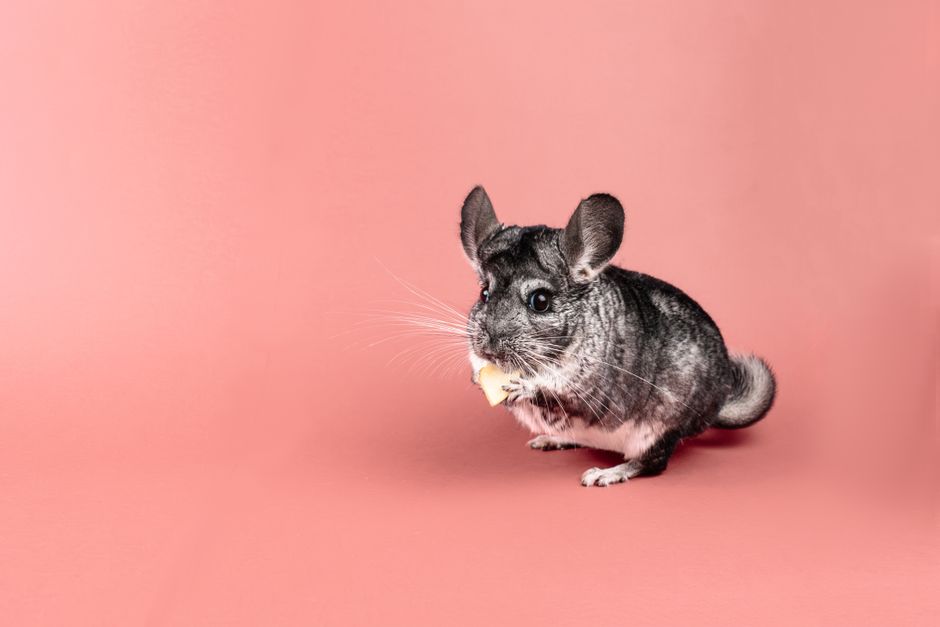
Chinchilla Barking: Why It Happens and How to Help
Hearing an alarm sound from your pet cage can stop you in your tracks. Chinchilla barking is a sharp, rhythmic call that sounds like a toy squeaker or a small duck, signaling that your pet feels startled, territorial, lonely, or uneasy in their space. It is a completely normal vocal tool that wild and domestic chinchillas use to warn herd mates about potential danger.
New pet parents often worry when they first hear this loud noise, especially late at night. Wild chinchillas are prey animals native to the rocky slopes of the Andes mountains. Because their survival depended on early warnings, they developed loud calls to alert others about hawks, foxes, and unusual movements. When your pet barks in your living room, they are simply tapping into that ancient survival system.
What Does Chinchilla Barking Mean?
Chinchilla barking primarily serves as an alarm call to alert the household or cage mates to perceived threats, though it can also express irritation, loneliness, or a sudden startle. When your chinchilla barks, they are communicating an urgent emotional state, asking you or their companions to pay attention.
Most barks come in short bursts of three to seven rapid sounds followed by silence. During this time, your pet will likely stand on their hind legs with their ears alert and whiskers twitching. They are scanning the room for movement or unusual sounds. Once they see that everything is safe, the barking usually stops on its own.
Understanding your pet means paying attention to their body posture alongside their vocal calls. Just as pet owners learn body cues during sugar glider bonding, learning your chinchilla's vocal patterns helps you understand their daily emotional world.
The Difference Between Warning Barks and Annoyance
A true warning bark is sharp, loud, and repeated in quick succession. Your pet usually stands stiffly, freezes in place, and watches a specific spot across the room. This bark means something unexpected frightened them, such as a falling book, a car backfire outside, or a shifting shadow.
An annoyance bark is softer, shorter, and often accompanied by a quick grunt or teeth click. You might hear this noise if you try to pick up your pet while they are eating, or if a cage mate steals a favorite chew stick. This sound is a clear way of saying please leave me alone right now.
Why Is My Chinchilla Barking at Night?
Chinchillas bark at night because they are crepuscular and active in dim lighting, making them sensitive to sudden nighttime noises, strange shadows, and unfamiliar smells while the rest of the house sleeps. A quiet house amplifies tiny sounds that humans sleep right through, such as the hum of a refrigerator or an insect flying near the enclosure.
Night terrors or sudden awakenings also happen. A chinchilla can wake up from a deep sleep, get disoriented in the dark, and let out several loud barks before recognizing their familiar surroundings. Drafts from an open window or air conditioning vent can also trigger sudden nighttime alarms.
Loneliness plays a role as well. Chinchillas are social herd animals by nature. If your pet is an only chinchilla, a series of midnight calls can simply be an attempt to check if anyone else is awake nearby. Talking softly from across the room can quickly reassure an isolated pet that they are not abandoned.
What Triggers a Chinchilla Alarm Call?
A chinchilla alarm call is triggered by sudden environmental disruptions, unfamiliar household pets, sudden changes in lighting, or territorial disputes with cage companions. Because their eyesight is better adapted for dim light than broad daylight, fast-moving shapes can easily trigger a defense reaction.
Here are the most common everyday triggers that cause your pet to sound the alarm:
- Sudden overhead movement, which mimics birds of prey and sparks an immediate flight reflex.
- Unfamiliar smells on your hands, such as perfume, citrus fruit, or the scent of a family cat or dog.
- High-frequency household sounds, including television speakers, vacuum cleaners, and doorbells.
- New items placed near the cage that alter the familiar look of their territory.
- Boredom or pent-up energy from spending too many hours without running or chewing.
Identifying which trigger caused the outburst makes it easy to prevent future scares. Keep a mental log of what was happening in the room right before the noise began.
How to Calm a Barking Chinchilla
To calm a barking chinchilla, speak in a gentle, low voice from a distance, avoid sudden movements, and allow the animal to remain inside their secure hide box until they relax. Rushing to grab or hold a frightened chinchilla will only make them feel cornered and escalate their fear.
Approaching your pet calmly shows them that there is no active predator in the room. Here are practical steps to help your pet settle down:
- Turn on a dim, warm light so your pet can clearly see their surroundings without blinding glare.
- Walk slowly toward the cage while speaking in a steady, reassuring tone to announce your presence.
- Offer a familiar wooden chew stick or a pinch of fresh hay to shift their focus toward foraging.
- Check the room for unwanted visitors, such as a curious house cat sitting near the cage wire.
- Give your pet fifteen to twenty minutes of quiet time to finish processing their alarm state.
Never punish or yell at your pet for making noise. Vocalizing is a natural defense response, and scolding will only teach your pet to view you as an unpredictable threat.
When to Call an Exotic Animal Veterinarian
While chinchilla barking is usually behavioral, repeated bouts paired with physical distress indicate a medical issue that requires a qualified veterinarian. If your pet barks while hunching over, grinding their teeth continuously, or refusing to touch their food, pain may be the true cause.
Responsible ownership requires planning ahead for specialized care. Always research an exotic pet's adult housing, dietary, and healthcare needs before bringing one home. Chinchillas have delicate digestive tracts and open-rooted teeth that grow constantly throughout life. If vocal calls are accompanied by drooling, soft stools, or lethargy, schedule an exam with an exotic-animal veterinarian right away to rule out dental spurs or gastrointestinal stasis.
Final Thoughts
Understanding chinchilla barking helps you build trust and provide a safe, peaceful home for your pocket pet. By paying attention to room triggers, soothing your companion with a gentle voice, and respecting their need for security, you can quickly turn scary moments into positive bonding experiences. Check out our other small mammal guides on RarePetCare to discover more expert care tips for your unique companions.
Frequently Asked Questions
Can a chinchilla bark when they are happy?
Happy chinchillas rarely bark, preferring soft chirps, gentle squeaks, or quiet clucking sounds while exploring or enjoying a dust bath. A sharp bark almost always signals alarm, caution, or a request for personal space.
Should I cover my chinchilla cage if they bark at night?
Draping a light sheet over part of the cage can help reduce drafts and block scary shadows that trigger nighttime barking. Always leave at least half the cage uncovered to ensure proper airflow and prevent overheating.
Why does my chinchilla bark in their sleep?
Chinchillas experience deep sleep cycles and can twitch, move their paws, and let out muffled barks during vivid dreams. These sleep calls are harmless and will stop as soon as your pet settles or wakes up.
Will getting a second chinchilla stop the barking?
A compatible companion can reduce loneliness barks, but two chinchillas may still bark to warn each other about sudden noises. Only introduce a second animal if you have the space, time, and budget for proper quarantine and slow bonding.
Explore More Small Mammals Guides
 🐹Small Mammals
Why Bears Stand Like Humans Under Water
Discover why bears stand upright under running water, how their anatomy mimics humans, and the vital role of zoo water enrichment.
 🐹Small Mammals
Sugar Glider Bonding: How to Gain Their Trust
Learn how to build trust with your sugar glider through scent swapping, bonding pouch time, and calm evening handling routines.
 🐹Small Mammals
Why Is My Guinea Pig Squeaking? 5 Big Reasons
Discover what your guinea pig squeaking really means, from joyful food wheeks to signs of fear or hidden illness.