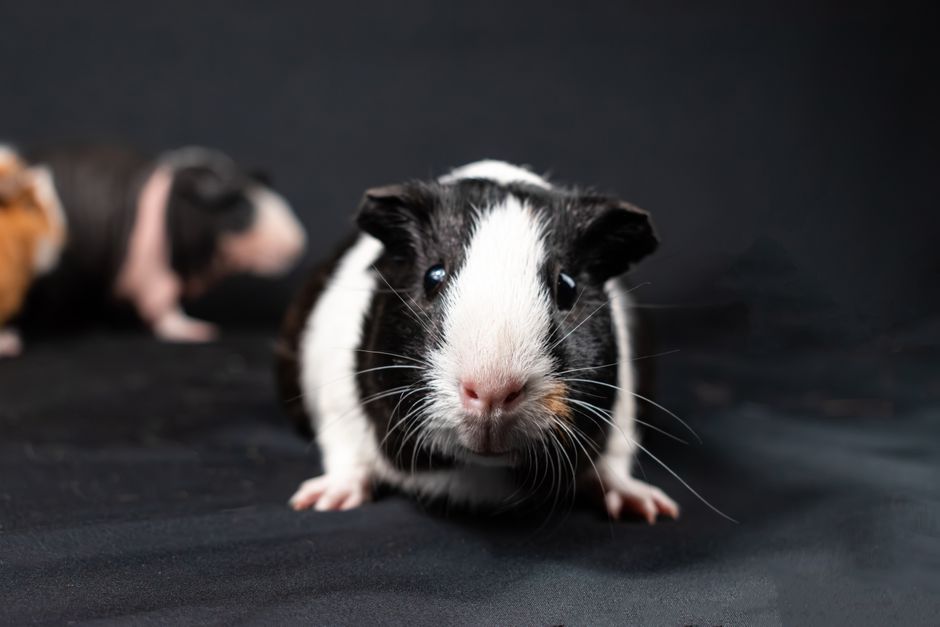
Why Is My Guinea Pig Squeaking? 5 Big Reasons
A squeaking guinea pig is usually trying to tell you something important. When you ask why is my guinea pig squeaking, the answer is that these vocal rodents squeak to demand food, express excitement, signal fear, or communicate pain to their human owners. Understanding the pitch, duration, and context of these sounds helps you decode your pet's needs quickly.
Guinea pigs, also known as cavies, are among the most talkative small pets you can bring home. Unlike quiet hamsters or rabbits, they have a rich vocal range that includes loud whistles, soft murmurs, and high-pitched alarms. Learning this language takes a little patience, but it will make you a much better caregiver.
Why Is My Guinea Pig Squeaking Loudly for Food?
Your guinea pig is squeaking loudly for food because it has learned to associate specific household sounds with delicious treats like fresh hay, herbs, or vegetables. This loud, repetitive, rising whistle is commonly called wheeking by cavy fans. It is a friendly, demanding vocalization that means your pet knows food is near and expects you to deliver it.
Wheeking often starts the moment you open the refrigerator door, crinkle a plastic bag, or chop vegetables on a cutting board. Cavies possess sharp hearing and quickly connect routine kitchen noises to snack time. In the wild, cavies do not wheek at this high volume, because drawing attention invites predators. Domestic guinea pigs developed this distinct habit specifically to communicate with their human companions.
If your pet wheeks whenever you walk into the room, take it as a compliment. It means they view you as a reliable provider of comfort and tasty greens. Just be careful not to overfeed treats every single time they beg, as balanced nutrition is essential for their digestion.
Can Fear or Startle Cause Guinea Pig Squeaks?
Guinea pigs squeak in sharp, piercing bursts when they are startled, cornered, or terrified by an unexpected threat. This distress squeak sounds like a sudden shriek or frantic yip, often paired with the animal freezing in place or bolting to the nearest hiding spot. It serves as an instinctive alarm call to warn other herd members of danger.
Fast movements, loud television sounds, barking dogs, or hands swooping down from above can easily trigger this fear response. Cavies are natural prey animals with sensitive instincts. When picked up too fast, they may feel like they are caught in the talons of a hawk, prompting a shrill panic cry.
How to Calm a Frightened Guinea Pig
When your pet lets out a fear squeak, move slowly and lower your voice right away. Avoid chasing the animal around the cage with your hands, which only increases panic and damages trust. Much like you might work patiently through vocal issues when learning how to stop conure screaming, calming a small pet requires calm routines and predictable handling.
Make sure the habitat has multiple covered hideouts where your pet can retreat safely. When you want to interact, place your hand flat on the cage floor with a bit of parsley or romaine lettuce. Let them approach you on their own schedule so they feel secure in their space.
Is Your Guinea Pig Squeaking from Pain or Illness?
A guinea pig squeaking in a short, high, tight pitch while moving, urinating, or being touched often indicates physical pain or medical distress. This pain squeak sounds sharper and more strained than an excited wheek, and it is usually accompanied by physical tension, hunched posture, or reluctance to move.
Cavies hide symptoms of disease as long as possible to avoid appearing weak to predators. Because of this survival trait, a vocal pain response usually means an issue has already progressed. You should pay close attention to when the sound happens so you can describe it accurately to a professional.
- Squeaking while urinating or passing droppings can signal bladder stones, a urinary tract infection, or gut impaction.
- Crying out when touched on the back or belly often points to parasitic mites, fungal skin issues, or painful internal inflammation.
- Whimpering or squeaking while chewing hay can mean overgrown molar spurs or severe dental disease.
- Limping accompanied by soft squeaks during movement points to joint injury, bumblefoot, or arthritis.
Always consult an exotic-animal veterinarian promptly if you notice these pain sounds alongside reduced appetite or lethargy. As an essential pet welfare standard, every cavy parent should establish a relationship with an experienced exotic vet before an urgent emergency arises.
What Does Happy or Social Guinea Pig Squeaking Sound Like?
Happy guinea pig squeaking sounds like a quiet, rhythmic bubbling or low-pitched chuckling that signals contentment, curiosity, and comfort. Pet parents call this sound chattering, muttering, or purring depending on the tone. Cavies make these gentle vocalizations while exploring a clean playpen, snuggling on your lap, or foraging alongside cage mates.
These soft noises are often paired with a classic cavy behavior called popcorning. Popcorning occurs when a joyful guinea pig suddenly leaps straight into the air, kicks its heels, and twists its body with boundless energy. When you hear quiet squeaks paired with energetic jumps, you can be certain your pet is thriving.
Guinea pigs are deeply social herd animals that need companionship to feel safe. Hearing these contented murmurs back and forth between bonded pairs shows that their social dynamic is healthy and peaceful.
How Do You Tell the Difference Between Squeaks and Chirping?
You can tell the difference between typical squeaks and chirping because chirping sounds almost identical to a wild songbird and occurs while the cavy stands in a trance-like state. Chirping is an extremely rare guinea pig sound that is distinct from wheeks, purrs, or pain cries, leaving many owners baffled when they first hear it.
During a chirping episode, the guinea pig stands rigidly upright, stares blankly into space, and rhythmically twitches its ears with each high note. Other cavies in the enclosure will usually stop moving and listen in silence. Nobody knows with absolute certainty why cavies chirp, though many experts believe it is an involuntary reaction to stress, environmental shifts, or deep confusion.
What to Do If Your Guinea Pig Chirps
If you catch your pet chirping in the middle of the night, keep the room calm and quiet. Do not rush over abruptly or try to grab them, which could startle them into a blind panic run. Instead, observe them from a slight distance until the session ends naturally.
Once the sound stops, gently speak to your pet and offer a small treat to help them snap out of their daze. Check the room for novel stressors, such as an unusual shadow, a new appliance hum, or drafty air that may have triggered the episode.
Final Thoughts
Figuring out why is my guinea pig squeaking comes down to reading vocal volume alongside body posture and daily habits. Whether your pet is wheeking eagerly for fresh cilantro, whistling softly in contentment, or signaling sudden fear, each squeak gives you direct insight into their emotional world. Explore our other guides on RarePetCare to discover more tips for keeping your exotic pets happy, healthy, and understood.
Frequently Asked Questions
Why does my guinea pig squeak when I pick it up?
Your guinea pig squeaks when picked up because it feels insecure, startled, or uncomfortable with how its body is supported. Support both the chest and hindquarters gently to help the animal feel safe.
Do guinea pigs ever squeak in their sleep?
Yes, guinea pigs occasionally make quiet squeaks, twitches, or whimpers during deep sleep cycles. These brief noises are completely normal and usually mean your pet is resting peacefully.
Why is my guinea pig squeaking constantly all day?
Constant squeaking usually points to persistent hunger, intense boredom, loneliness from lacking a cage mate, or chronic physical discomfort. Check their food, hay supply, and habitat setup, and see a vet if the sound continues.
Is guinea pig wheeking a sign of aggression?
No, wheeking is not aggressive and represents excitement or anticipation of food. Aggression sounds like rapid teeth chattering, low hissing, and deep rumbling rather than high-pitched squeaks.
Explore More Small Mammals Guides
 🐹Small Mammals
How to Stop Ferret Biting: Easy Training Steps
Learn how to stop ferret biting with gentle, practical training steps that teach bite inhibition and keep your fingers safe.
 🐹Small Mammals
Hedgehog Quilling Signs: How to Comfort Your Pet
Recognize hedgehog quilling signs early and discover gentle ways to keep your prickly companion calm and comfortable.
 🐹Small Mammals
Why Do Great Apes Seem So Human? Science Explains
From tender parenting moments to shared expressions, find out why great apes feel so remarkably familiar to us.