Why Bears Stand Like Humans Under Water
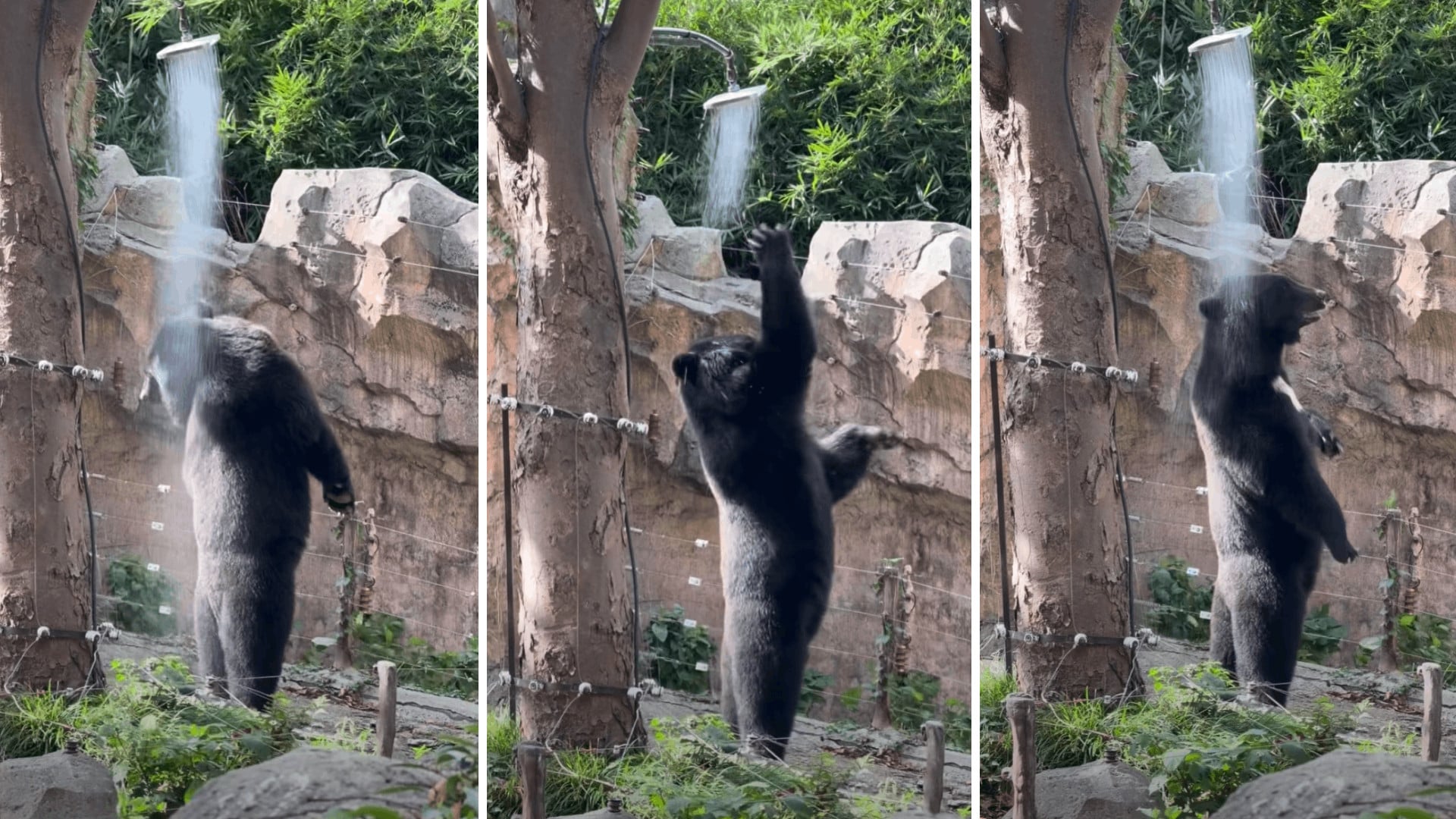
When a sanctuary installed an overhead showerhead inside a bear habitat, the animal stood straight up on two legs, dangled its front paws, and tilted its face toward the water. If you have ever wondered why bears stand like humans, the answer comes down to their flat foot anatomy, keen curiosity, and simple physical pleasure under cool running water. This upright posture looks startlingly human to us, but it is actually a normal physical skill that these large mammals use every single day in the wild and in rescue care.
Why Do Bears Stand on Their Hind Legs?
Bears stand on their hind legs primarily to get a better vantage point, smell distant scents, and cool off under falling water. Their sensory organs sit high up when they stand, which helps them scan their environment far better than remaining on all fours.
Unlike cats and dogs, bears are plantigrade animals. This means they walk on the soles of their feet, placing their heels flat against the dirt or rock surfaces just like a person does. Because their pelvic bones and spine allow them to support their massive weight vertically, an upright stance feels completely natural for them. When water falls from above, standing upright lets the cool streams reach their chest, abdomen, and face without splashing muddy ground back onto their thick fur.
Many people assume an upright bear is displaying aggression or preparing to attack. In reality, a standing bear is usually curious, relaxed, or trying to investigate a novel item in its environment. When a running hose or showerhead enters the picture, standing tall gives the bear direct access to the refreshing stream right where its coat is dense and heavy.
How Water Enrichment Works for Captive Bears
Water enrichment gives captive bears a way to clean their fur, regulate body temperature, and relieve stress through natural play. Wildlife sanctuaries use overhead showers, misters, and deep pools to keep these massive animals stimulated and physically active throughout the warmer months.
A thick double coat keeps a bear warm during bitter winters, but summer heat can quickly lead to discomfort and lethargy. Showers provide gentle, continuous hydrotherapy that penetrates deep beneath the coarse guard hairs. Caregivers often notice that bears will sit or stand beneath a running stream for an hour or more, zoning out in pure comfort.
Keepers design these water stations to be completely voluntary and safe for the animal. A sturdy shower fixture must withstand hundreds of pounds of pressure if the bear decides to lean or rub against the pipe. By offering water that flows from above, caregivers mimic natural waterfalls and summer rain showers, which wild bears frequently seek out during humid afternoons.
The Psychological Perks of Moving Water
Moving water provides sound, movement, and tactile pleasure that stationary ponds cannot duplicate. The rhythmic patter of water droplets helps mask stressful ambient noises from nearby roads or maintenance equipment. Watching a stream splash against rocks also triggers natural foraging and pawing behaviors, preventing the boredom that often troubles large mammals in human care.
Why the Upright Shower Stance Looks So Human
The upright shower stance looks human because bears share our plantigrade foot structure, flexible shoulders, and expressive body language when enjoying a bath. When a bear stands tall, lets its paws dangle limp, and lets water run over its snout, human observers instantly recognize their own daily habits reflected back at them.
This visual similarity is called anthropomorphism, which is our natural tendency to assign human traits and emotions to animals. Even experienced biologists pause when they see a bear lean back its head with half-closed eyes under a shower stream. The relaxed jaw and hanging arms look identical to a person taking a hot shower after a hard workout.
The physical mechanics make this posture the easiest way to wash. By standing vertically, gravity pulls the water downward through the thick layers of fur on the chest and belly. The bear does not need to roll onto its back or fight against the flow. It simply stands balanced on broad heels, enjoying the sensation while conserving its energy.
Common Ways Wildlife Sanctuaries Keep Large Mammals Cool
Sanctuaries use a combination of deep pools, ice blocks, frozen fruit treats, and overhead misters to help captive bears beat summer heat. Each tool targets a different sensory need, encouraging the animals to move around and stay mentally sharp.
- Overhead showerheads and automated sprinkler systems that offer continuous cooling.
- Deep swimming ponds with textured entry ramps to support heavy joints.
- Frozen enrichment blocks packed with berries, fish, and melon chunks.
- Shaded mud wallows that provide a protective, bug-repellent barrier over the skin.
- Rotated access to air-conditioned indoor dens during peak midday heat.
Each of these options serves a distinct medical and behavioral purpose. Mud protects against biting insects, while ice treats keep the digestive tract engaged. Overhead water fixtures remain a staff favorite because they produce immediate, visible signs of relaxation in the animals.
Any pet parent caring for unique species knows how vital environmental temperature control is. Whether you are studying exotic wildlife or learning about captive amphibian care, temperature shifts change everything about animal health. For instance, monitoring aquatic parameters in an aquarium is just as vital, as detailed in our guide on axolotl floating causes and fixes. Always consult an exotic-animal veterinarian or certified wildlife specialist before designing enrichment for any captive species, as safety requirements vary drastically between animals.
Why Wild Bears Also Seek Running Water
Wild bears do not have metal showerheads, but they seek out the exact same sensory experiences in nature. Mountain streams, river rapids, and cascading waterfalls attract bears for cooling off and catching migrating fish. Travelers who enjoy observing wildlife, similar to naturalists interested in field herping in Borneo, often record bears spending hours perched directly beside fast-flowing rapids.
In the wild, running water also serves as a natural brush. The strong pressure washes away loose undercoat fur during the spring shed. It also removes embedded ticks, dirt clods, and sap that accumulate in the animal's coat after months of traveling through dense timber.
What to Remember When Watching Viral Animal Moments
When watching viral animal videos, remember that funny human-like actions usually stem from instinctual survival traits, physical anatomy, or structured enrichment. Enjoying a cute video is harmless, but understanding the biology behind the clip makes the experience far more meaningful.
Bears are wild, unpredictable apex predators with complex social and biological needs. While a viral video of an upright bear in a shower looks hilarious, the animal is not putting on a show for the camera. It is simply an intelligent mammal taking full advantage of a clever enrichment device built by dedicated caregivers.
Supporting licensed rescue sanctuaries and accredited zoological facilities ensures that animals with past trauma or habitat loss receive these specialized amenities. Upright bathing shows that an animal feels secure enough in its enclosure to drop its guard and relax completely.
Final Thoughts
Learning why bears stand like humans reveals just how smart, adaptable, and sensory-driven these powerful creatures really are. From their flat-footed stance to their deep love of fresh water, their daily habits continue to surprise wildlife lovers around the globe. Take a moment to explore our other RarePetCare guides to learn more about fascinating animal behaviors, enrichment ideas, and responsible pet care tips.
Frequently Asked Questions
Can bears walk long distances on two legs?
No, bears rarely walk long distances on their hind legs because it strains their hips and spine. They typically take only a few upright steps before dropping back down onto all four paws.
Do all bear species have flat feet like humans?
Yes, all eight living bear species have plantigrade feet, meaning their heels rest flat on the ground. This foot structure gives them the stable platform required to stand upright effortlessly.
Is standing upright an aggressive signal for a bear?
Standing upright is almost always an investigative behavior rather than an act of aggression. Bears usually stand to catch scents on the wind, see past tall brush, or inspect an unfamiliar sound.
Why do captive bears enjoy overhead showers so much?
Captive bears enjoy overhead showers because the falling stream cuts through their dense double coats to cool their skin. The moving water also provides soothing physical sensations that relieve summer boredom.
Explore More Small Mammals Guides
 🐹Small Mammals
Chinchilla Barking: Why It Happens and How to Help
Learn why chinchillas bark, what triggers their sudden alarm calls, and how pet parents can help soothe an anxious pet.
 🐹Small Mammals
Sugar Glider Bonding: How to Gain Their Trust
Learn how to build trust with your sugar glider through scent swapping, bonding pouch time, and calm evening handling routines.
 🐹Small Mammals
Why Is My Guinea Pig Squeaking? 5 Big Reasons
Discover what your guinea pig squeaking really means, from joyful food wheeks to signs of fear or hidden illness.