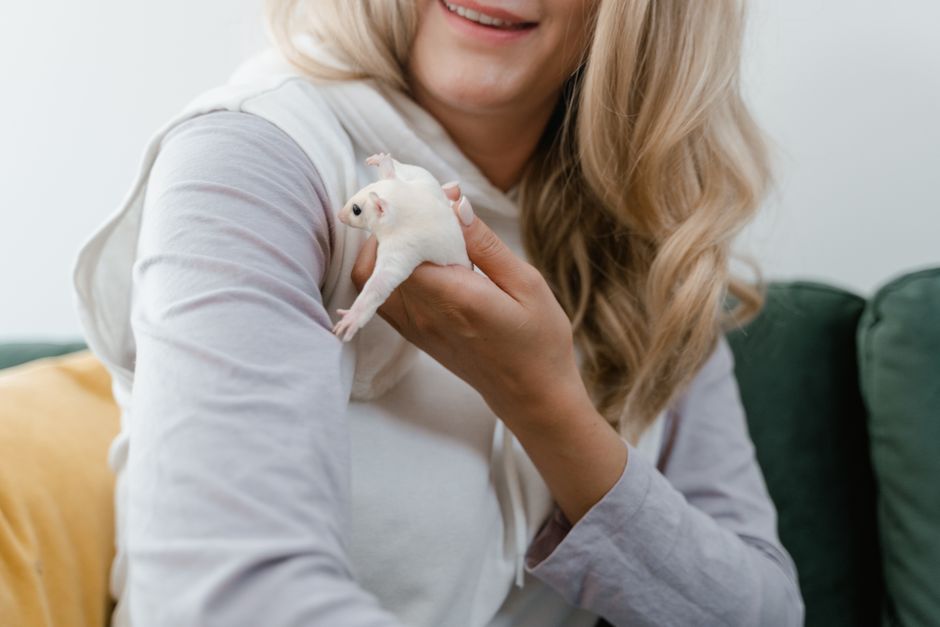
Sugar Glider Bonding: How to Gain Their Trust
Bringing home a sugar glider is exciting, but these tiny marsupials do not hand out their affection right away. Sugar glider bonding is the intentional process of helping your pet recognize your scent, voice, and touch as safe rather than threatening. Because gliders rely primarily on scent and sound rather than sharp vision, bonding requires daily, quiet patience over several weeks or months.
In the wild, sugar gliders live in tight family colonies called clans. When you adopt one, you are asking a prey animal to accept a giant predator as a colony mate. With steady routines, gentle hands, and tasty treats, you can turn a scared, noisy glider into a loving companion that rides inside your pocket all day long.
What is the fastest way to bond with a sugar glider?
The fastest way to achieve sugar glider bonding is through daily scent swapping paired with passive contact in a zippered bonding pouch. You should never force hands-on handling during the first two weeks, as grabby hands will only confirm the animal's fear of you.
Start by sleeping with a small square of anti-pill fleece against your skin for two or three nights. Place that scented fleece square directly into your glider's sleeping pouch inside the cage. This simple trick allows your pet to associate your personal scent with safety, warmth, and sleep while they rest during the day.
Swap the fleece piece every few days to keep the scent fresh. Speak softly near the cage whenever you walk past, especially during late afternoon wake-up hours. Just like diagnosing why an exotic pet acts out, such as a Pacman frog not eating due to environmental stress, a frightened sugar glider will shut down or vocalize loudly until their environment feels completely predictable.
Why does my sugar glider keep crabbing at me?
Sugar gliders crab because they feel terrified, cornered, or surprised by sudden movement. Crabbing is a harsh, mechanical grinding sound that gliders produce to intimidate predators and warn their colony mates of immediate danger.
When a new glider crabs at you from inside their nest, do not pull your hand back abruptly or jerk the pouch away. Flinching teaches the animal that crabbing successfully drives the threat away, which reinforces the behavior. Instead, freeze your hand in place, keep your posture relaxed, and talk in a calm, low tone until the noise stops.
Reading sugar glider body language
Crabbing is rarely an act of true aggression. Most crabbing comes straight from defensive terror. Gliders have poor depth perception in bright light, so large shadows moving toward them look like owls or snakes. Approaching them slowly from the side or below helps prevent a panic reaction.
Watch their ears and posture closely. Forward-facing ears and curious sniffing mean the glider is testing the air. Flat ears, a crouched stance, or rearing up on hind legs with open paws signal intense fear. If your pet lunges or nips while crabbing, simply rest your flat palm near them without grabbing, letting them realize that your presence does not cause harm.
How to use a bonding pouch correctly
A bonding pouch is a breathable fabric bag worn around your neck that keeps your sleeping sugar glider close to your chest throughout the day. Because sugar gliders are nocturnal, they spend daylight hours sleeping soundly, which makes daytime pouch wear the safest, lowest-stress way to build trust.
Place your sleeping glider into the pouch each morning before they fully wake up. Zip the pouch shut, ensuring the mesh ventilation window remains clear, and wear it inside your shirt or against your torso. Your heartbeat, body heat, and distinct scent will soak into their subconscious while they rest.
Safe pouch habits for beginners
Avoid tossing or swinging the pouch while walking through your house. Treat the bag as fragile cargo, especially during the first few weeks when your pet is still startled by heavy footsteps or loud door chimes.
You can gently rest your hand on the outside of the pouch while working at your desk, reading, or watching television. Over time, your glider will begin to curl up directly beneath your warm palm through the fabric. If they wake up and crab from inside the pouch, do not open it. Rest your flat palm over the exterior and speak softly until they drift back to sleep.
What is tent time for sugar gliders?
Tent time is a bonding session conducted inside a small, fully enclosed popup mosquito tent or clean bathroom where your sugar glider can explore you safely without escaping. It provides a secure neutral zone where you become the tallest climbing tree in the room.
Set up the popup tent in a quiet room with dim lighting during the glider's natural evening wake time. Sit quietly on the floor inside the tent with your legs crossed, holding a few favorite treats like pureed fruit or mealworms on your fingertips. Never chase or grab your glider across the tent floor. Let their natural curiosity drive them to climb onto your knees, back, and shoulders on their own schedule.
- Trim your glider's nails carefully or visit an exotic vet for help before tent sessions, which prevents painful scratches on your neck and arms.
- Wear a plain cotton shirt without loose strings or loops that tiny glider claws could snag on during climbing.
- Keep fresh treats on your open palm so your pet learns that approaching your skin produces immediate, delicious rewards.
- Avoid sudden head turns, loud laughs, or reaching over their back, which can reset their progress back to panic.
- End every tent session on a positive note after twenty or thirty minutes while your glider is calm and content.
Remember that sugar gliders are complex exotic pets with strict social needs. Always research a species' full adult housing and dietary requirements before taking on long-term ownership, and consult an exotic-animal veterinarian whenever you notice sudden personality changes or weight loss.
Final Thoughts
Successful sugar glider bonding is not an overnight trick, but a rewarding journey built on patience, scent work, and predictable routines. By respecting your glider's natural instincts and keeping daily sessions low-stress, you will soon enjoy a deep bond with a pocket pet that seeks you out for comfort and play. Explore our other RarePetCare guides to learn more about keeping exotic pets healthy, active, and thriving.
Frequently Asked Questions
How long does sugar glider bonding take?
Bonding typically takes anywhere from two weeks to several months depending on the glider's age, background, and your daily consistency.
Can you bond with an older sugar glider?
Yes, older gliders can bond just as deeply as joeys, though adult rescues often require extra patience and slower scent-swapping routines.
Should I wear gloves when handling my sugar glider?
Avoid thick gloves because they block your scent and prevent the glider from recognizing your hands, which prolongs the bonding process.
Why is my sugar glider biting during bonding?
Gliders bite when they feel cornered, startled, or when they smell sweet food on your fingers and mistake your skin for a treat.
Explore More Small Mammals Guides
 🐹Small Mammals
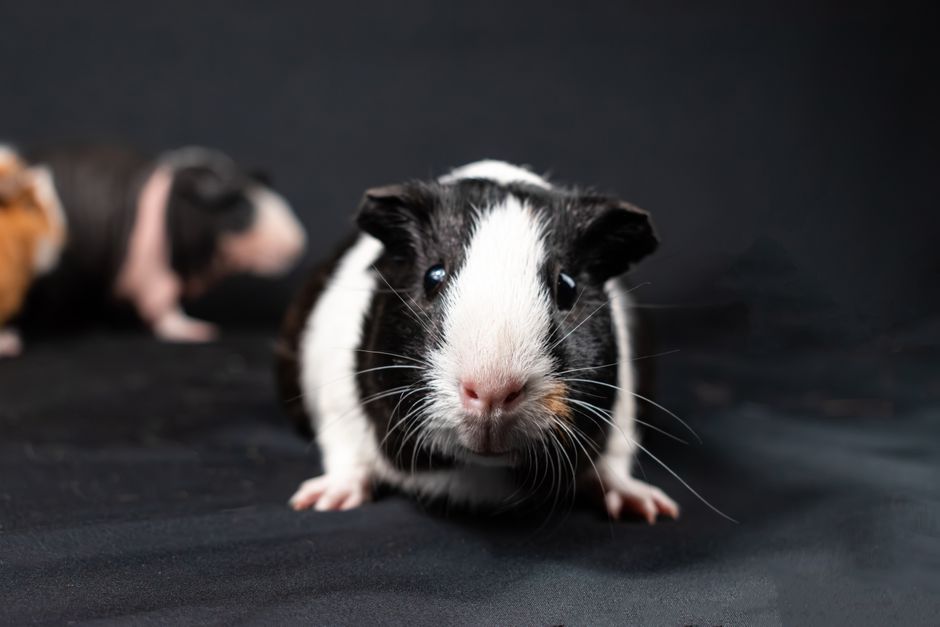
Why Is My Guinea Pig Squeaking? 5 Big Reasons
Discover what your guinea pig squeaking really means, from joyful food wheeks to signs of fear or hidden illness.
 🐹Small Mammals
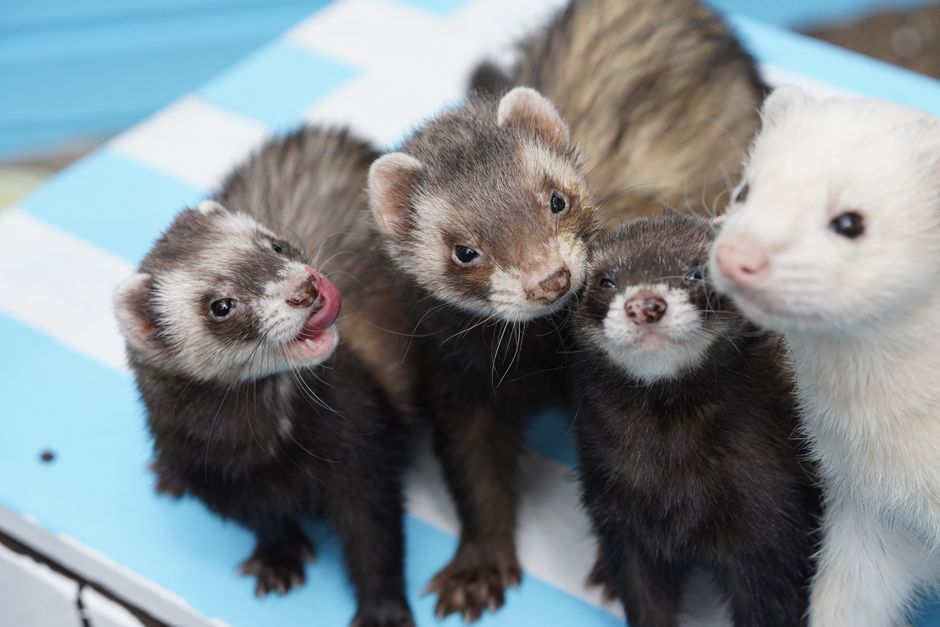
How to Stop Ferret Biting: Easy Training Steps
Learn how to stop ferret biting with gentle, practical training steps that teach bite inhibition and keep your fingers safe.
 🐹Small Mammals
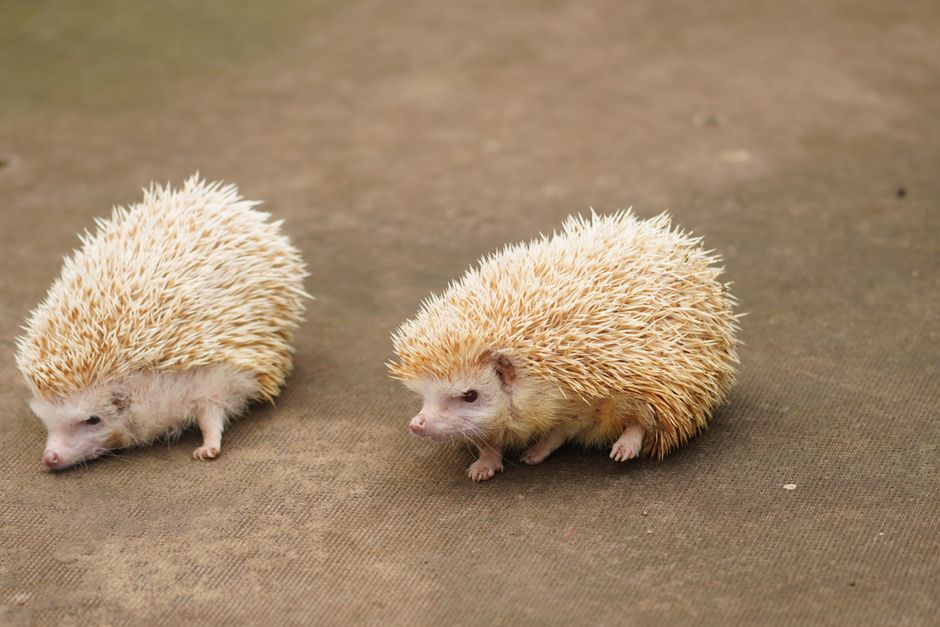
Hedgehog Quilling Signs: How to Comfort Your Pet
Recognize hedgehog quilling signs early and discover gentle ways to keep your prickly companion calm and comfortable.