Cockatoos Stealing Food: Intelligence and Hidden Risks
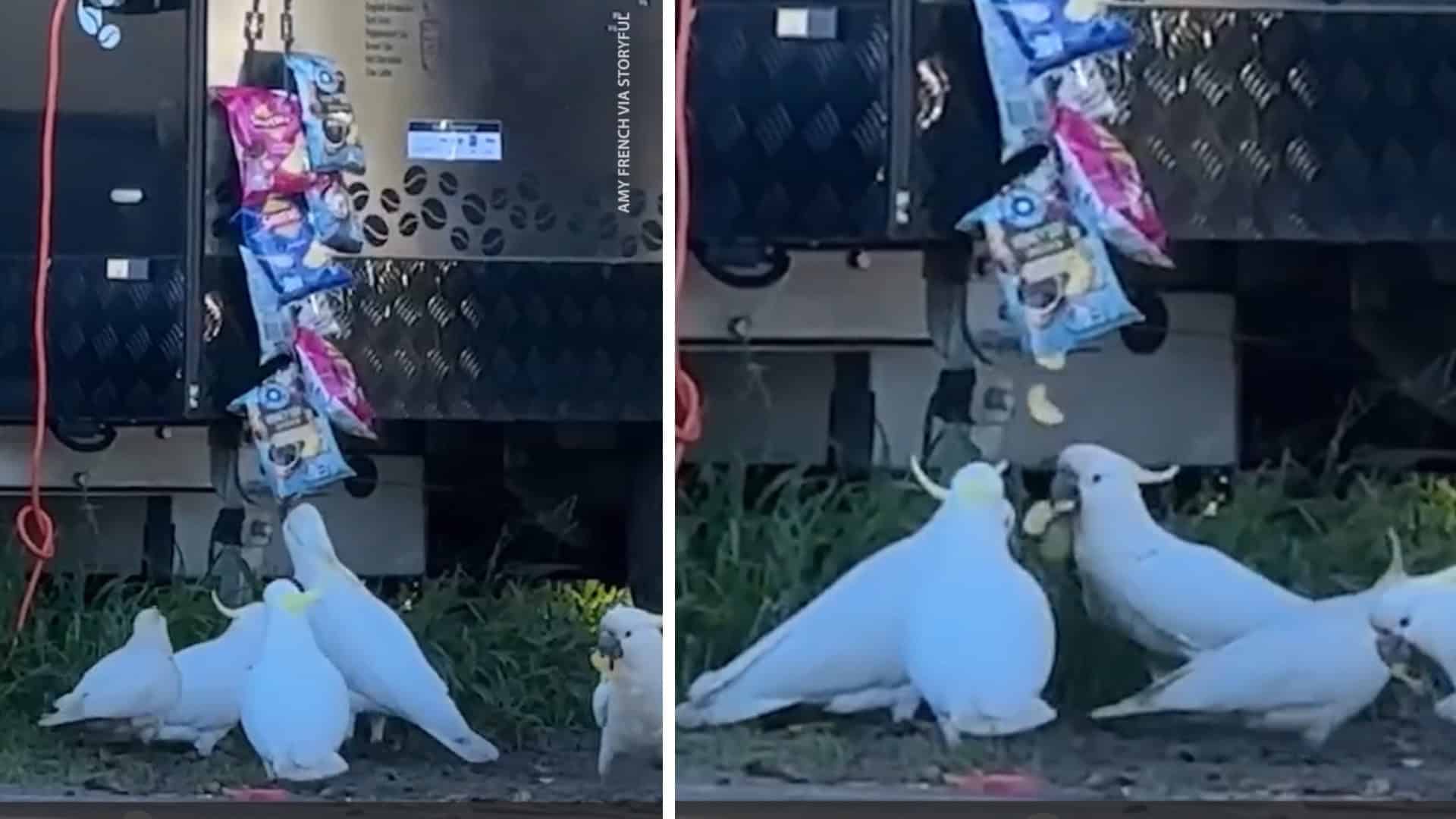
A wild flock swarming a food truck to grab dangling snack bags might look like a comedy sketch, but it is real life in suburban Australia. Reports of cockatoos stealing food from street stalls and picnic tables highlight the remarkable mental capacity of these parrots alongside a growing environmental conflict.
Cockatoos stealing food is an opportunistic foraging behavior where urban parrots target human meals by exploiting weak packaging, unlatched containers, and vendor displays. These intelligent birds use trial, observation, and strong motor skills to acquire calorie-dense snacks, demonstrating advanced problem-solving while exposing themselves to nutritional hazards.
For pet parents and wildlife enthusiasts, watching these heists offers a front-row seat to avian brainpower. At the same time, it raises urgent questions about bird health, urban wildlife management, and the welfare of captive parrots with similar foraging drives.
Why are cockatoos stealing food from outdoor vendors?
Cockatoos steal food from outdoor vendors because urban environments provide high-calorie, easily accessible rewards that these birds quickly learn to exploit. Human spaces concentrate carbohydrate-rich meals in predictable locations, turning snack carts and trash bins into prime foraging grounds for opportunistic flocks.
Wild cockatoos spend hours every day searching for native seeds, roots, nuts, and insect larvae. In towns and cities, their natural habitat shrinks, but human food waste fills the gap. A bag of fried chips offers an explosion of quick energy compared to digging up tough ground tubers. Once a single bird notices that pulling on a plastic clip or ripping a bag yields food, the behavior spreads rapidly.
Urban parrots also possess exceptional spatial memory. They remember delivery schedules, peak lunch hours, and which stalls leave snacks hanging within reach. When vendors turn their backs to handle customer orders, the birds strike with surprising speed. They land softly, grip the package with one foot, snip the hanger with their beak, and fly off before people can react.
Social learning and flock culture in urban birds
Cockatoos do not just figure out these tricks through solo trial and error. They learn by watching their flockmates, creating regional cultures of problem-solving. Researchers have documented entire neighborhoods where sulphur-crested cockatoos teach one another how to open heavy trash can lids using a multi-step sequence of lifting, walking, and flipping.
Food theft follows the same social pathway. Younger birds observe older, dominant members targeting food carts. They copy the angle of approach, the timing, and the physical technique needed to tear through foil bags. This cultural transmission means that once a food cart becomes a target, the problem rarely stops with just one bird.
What makes cockatoo intelligence so advanced?
Cockatoo intelligence is exceptionally advanced because parrots possess dense forebrain neuron counts that rival primates, enabling complex reasoning, planning, and tool manipulation. Their cognitive power allows them to solve multi-step puzzles, assess risks, and adapt their actions in real time.
A cockatoo views the world through an analytical lens. When confronting a bag of chips clamped to a rack, the bird must calculate weight, distance, grip strength, and human proximity. Their zygodactyl feet, with two toes facing forward and two facing backward, function like human hands. They can grasp an item firmly while using their curved, chisel-sharp beak to pry, twist, or shear materials open.
This high level of intellect creates big challenges when these birds live in homes. A bored pet parrot can develop severe behavioral distress without mental stimulation. Much like owners work on how to stop conure screaming by redirecting nervous energy into positive enrichment, cockatoo keepers must keep their birds busy to prevent destructive habits.
Cockatoos also demonstrate impulse control and patience when stalking food. They will sit quietly on light poles or roof gutters, observing vendor patterns for minutes before making a move. That level of calculated planning separates them from simple reflex-driven animals.
Why eating chips and human snacks harms wild and pet birds
Eating chips and processed human snacks harms birds because their digestive systems cannot process high levels of sodium, saturated fats, and artificial additives. Even small quantities of salted snacks can lead to sodium poisoning, kidney damage, and long-term metabolic disease in parrots.
Salt is a quiet killer for avian species. Parrots lack sweat glands and have delicate kidneys designed to handle only trace amounts of minerals found in fresh seeds, vegetation, and nuts. When a bird ingests salted potato crisps, its blood sodium level spikes, forcing its kidneys to work overtime. Severe salt overload can lead to dehydration, seizures, and rapid death.
The excessive fat in fried snacks presents another serious threat. Regular consumption of greasy foods causes hepatic lipidosis, commonly known as fatty liver disease. Over time, the liver enlarges and fails, leading to poor feather condition, overgrown beaks, and early mortality. Always consult an exotic-animal veterinarian if a captive bird accidentally consumes heavily seasoned or fried human food.
- High sodium levels cause acute kidney strain, dehydration, and potential neurological collapse.
- Cooking oils and saturated fats trigger rapid weight gain and fatal fatty liver disease.
- Preservatives, artificial flavorings, and onion or garlic powders can destroy red blood cells.
- Cardboard and plastic packaging fragments can cause fatal crop impactions or intestinal blockages if swallowed during frantic tearing.
How to channel cockatoo foraging instincts safely at home
You can channel cockatoo foraging instincts safely at home by providing complex puzzle toys, natural shredding materials, and hidden species-appropriate foods that require physical effort to retrieve. Satisfying this instinct prevents boredom, reduces feather-destructive behaviors, and keeps your bird mentally sharp.
Pet cockatoos carry the exact same wild problem-solving drive as the birds raiding street carts. If you serve their meals in an open dish, they finish eating in ten minutes and spend the remaining twelve hours looking for trouble. Making them work for their food mimics natural behaviors and keeps their minds balanced.
Start by wrapping raw, unsalted nuts or fresh vegetable chunks in plain, unprinted paper. Place these bundles inside clean cardboard boxes, wicker baskets, or puzzle drawers made from bird-safe woods like pine or birch. As your parrot learns how to destroy the outer layer to reach the prize, you can increase the difficulty by tying boxes shut with natural sisal rope or using multi-step acrylic puzzle feeders.
- Wrap safe treats like walnuts, pumpkin seeds, and fresh peppers in plain butcher paper for tearing.
- Scatter clean, pesticide-free branches and pine cones in the habitat to encourage stripping and chewing.
- Rotate puzzle toys every few days to challenge your parrot with new unlocking mechanisms.
- Provide stainless steel foraging skewers loaded with whole greens, sweet potato slices, and carrots.
Always research a species' full adult needs before buying or adopting any parrot. These birds can live for many decades, and their need for daily mental exercise never fades with age.
Final Thoughts
Seeing wild cockatoos stealing food from vendors gives us an unforgettable look at parrot ingenuity, but it also serves as a warning about the hazards of human junk food. Pet parents can take inspiration from these wild antics by turning everyday meals into exciting foraging puzzles inside the home. Explore our other RarePetCare bird guides to discover safe diets, enrichment ideas, and expert care tips for your feathered family.
Frequently Asked Questions
Can cockatoos eat potato chips safely?
No, cockatoos should never eat potato chips because the intense salt content and fried oils can cause kidney damage and fatty liver disease. Even a single chip can deliver a dangerous dose of sodium for a bird.
Why do wild cockatoos target human food instead of native plants?
Wild cockatoos target human food because processed snacks provide high concentrations of carbohydrates and fats with minimal physical effort. The birds quickly recognize packaging and take advantage of easy food sources in urban zones.
How smart are cockatoos compared to other animals?
Cockatoos possess cognitive abilities comparable to primates, showing proficiency in tool use, sequential problem solving, and social learning. Their high neuron density allows them to master multi-step tasks like opening latches and bins.
What should I do if my pet bird eats salty junk food?
Offer fresh water immediately to help flush excess sodium, and remove any remaining food scraps from the cage. Contact an exotic-animal veterinarian right away if you notice lethargy, excessive thirst, or balance problems.
Explore More Birds Guides
 🦜Birds
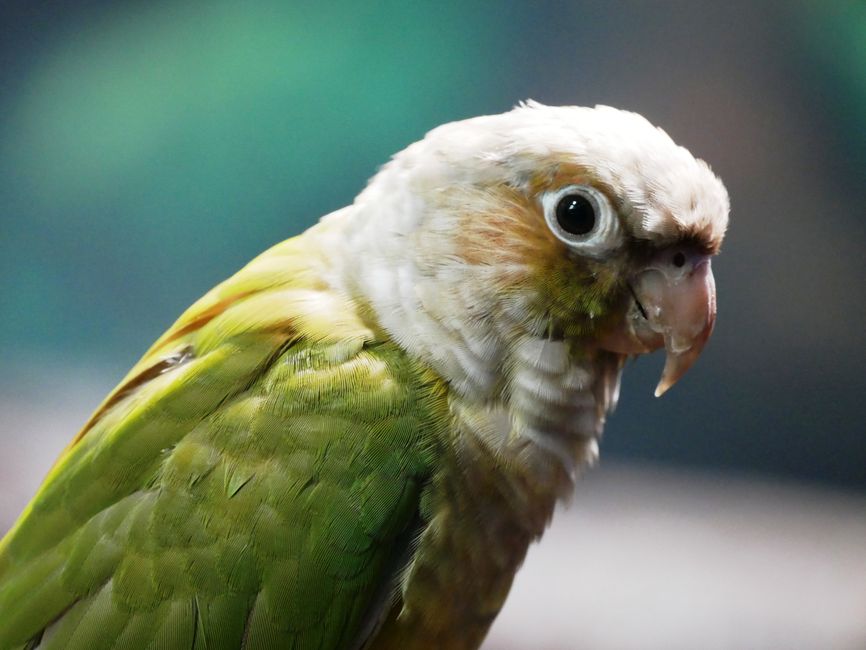
How to Stop Conure Screaming: 5 Practical Steps
Calm excessive conure noise with gentle routine adjustments, foraging enrichment, and positive reinforcement training.
 🦜Birds
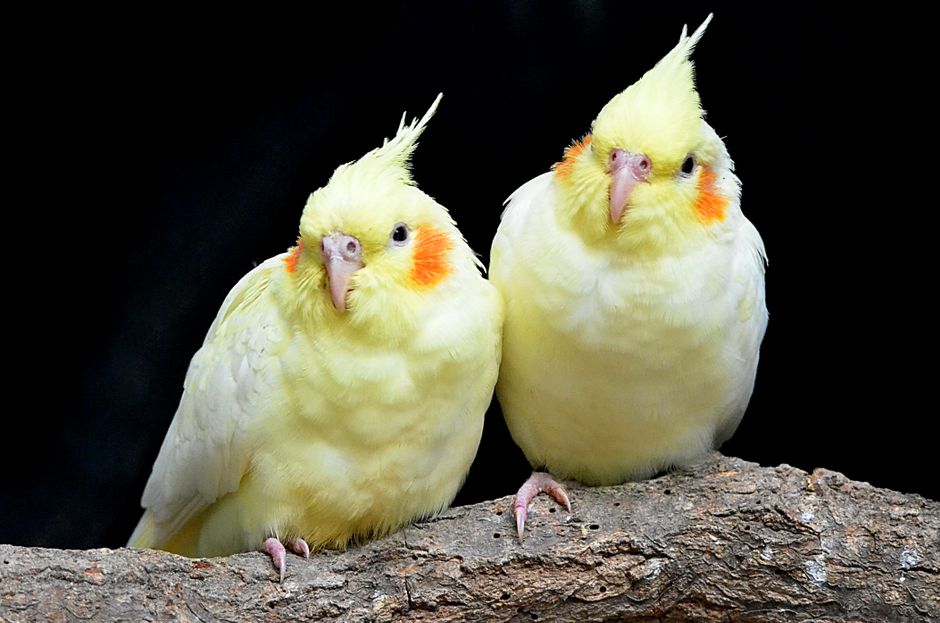
How to Bond with a Cockatiel: 5 Proven Steps
Discover how to bond with a cockatiel safely using patient body language, hand-feeding techniques, and daily trust-building routines.
 🦜Birds
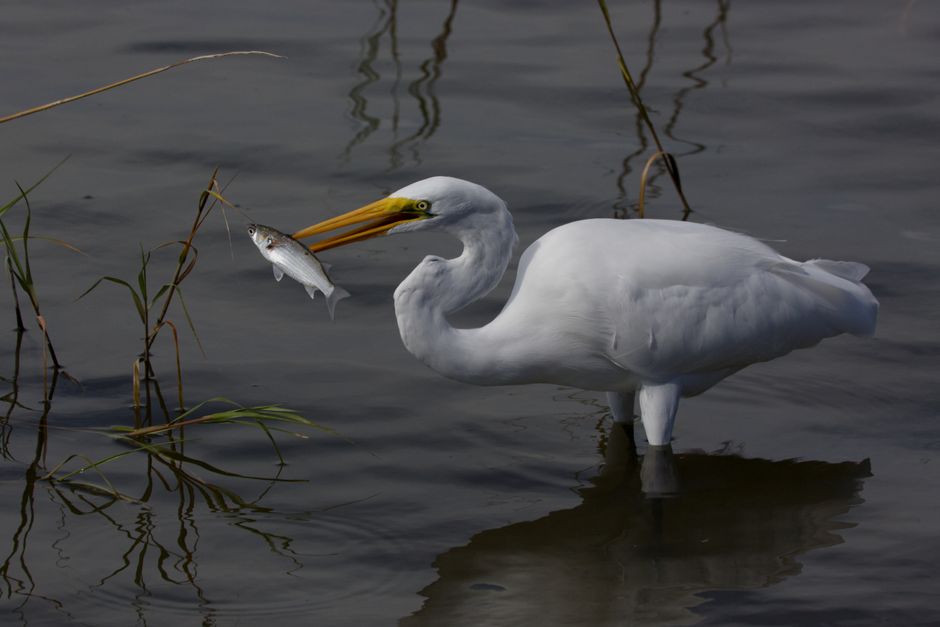
Great White Heron: Florida Hunting and Habits Guide
Discover how the great white heron hunts, nests, and thrives along Florida's coastline with this in-depth wildlife guide.