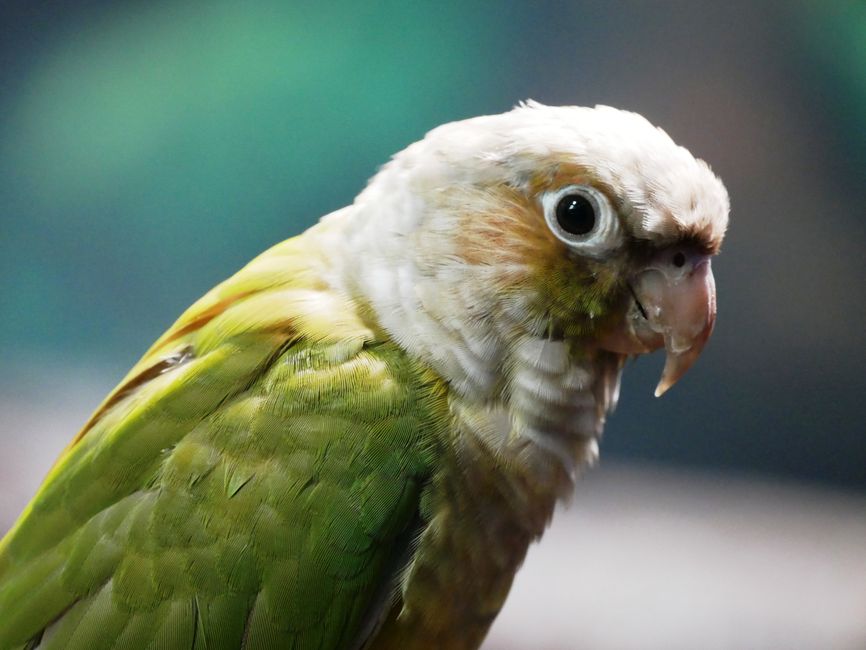
How to Stop Conure Screaming: 5 Practical Steps
Conure shrieks can pierce through walls and test the patience of any bird owner. Learning how to stop conure screaming requires identifying the trigger behind the noise, ignoring demanding shrieks, and rewarding calm vocalizations with attention. With a predictable routine and mental stimulation, you can guide your pet toward quiet, peaceful habits.
Parrots are naturally vocal animals that greet the morning sun and call to their flock before bedtime. Even so, non-stop screaming is almost always a learned habit rather than an unavoidable bird trait. When you understand the root cause of the noise, you can help your feathered companion feel secure without losing your hearing.
Why Do Conures Scream So Much?
Conures scream because calling out is their primary method of locating flock members, signaling fear, and demanding attention. In home settings, birds repeat loud calls when owners accidentally reward the behavior by rushing over or shouting back.
In the wild, conures live in dense tree canopies where visual contact is limited. Flock members rely on contact calls to confirm that everyone is safe. When you leave the room, your conure views you as a stray flock mate. If they let out an ear-splitting yell and you come running back, they learn that loud screaming brings quick results.
Boredom also plays a massive role in excessive vocalization. Conures have busy minds and high energy levels. Sitting in an empty cage with nothing to chew or solve leaves a bird frustrated. Just like reading body signals in other exotic pets, such as understanding leopard gecko tail wagging, learning your conure body language tells you why they call out.
Fear and sudden environmental changes can prompt vocal outbursts as well. New objects, shadows, unfamiliar visitors, or predatory shapes outside a window can startle your bird into an alarm call. Knowing the difference between an alarm shriek and a bored yell is your first step toward restoring peace.
How to Stop Conure Screaming with Daily Adjustments
To stop conure screaming through daily management, remove accidental rewards by ignoring loud outbursts while rewarding quiet whistles and natural chatters. Consistency across everyone in the household is essential to replace screaming with acceptable communication.
The most important rule is simple. Never shout back at a screaming conure. Birds love noise, drama, and intense energy. If you yell at your conure to be quiet, your bird thinks you are participating in a fun flock screaming session. Instead, turn your back, cross your arms, and leave the room the moment ear-piercing shrieks start.
Return only when your bird falls silent for several seconds. When your bird makes a pleasant sound, such as a soft peep or a gentle whistle, immediately offer verbal praise, a favorite seed, or head scratches. This teaches the bird that quiet sounds summon the flock, while screaming makes their favorite person disappear.
Establish a Calming Sleep Schedule
Overtired birds are irritable birds, and sleep deprivation is a common cause of daytime tantrums. Most conure species need between ten and twelve hours of dark, uninterrupted sleep every night. If your pet stays up late watching television with the family, exhaustion will trigger frequent, cranky screaming spells.
Move your bird into a quiet sleep cage in a low-traffic room if your main living area stays loud late into the evening. Cover the cage with a breathable, dark fabric. Stick to the same bedtime and wake-up times every day to keep stress levels down.
Use Foraging to Keep Beaks Busy
A busy conure is a quiet conure. In nature, wild birds spend hours searching for food, cracking hulls, and stripping tree bark. If you serve a full bowl of food that takes five minutes to eat, your pet spends the rest of the day looking for excitement.
- Hide pellets and nut pieces inside clean cardboard boxes or unwaxed paper cups.
- Wrap dried fruit treats in clean coffee filters or natural woven palm leaf toys.
- Provide fresh bird-safe wooden blocks, balsa chews, and woven shredder ribbons.
- Spread food dishes across several perches so your bird must travel to eat.
Start with easy foraging puzzles so your bird does not get discouraged. Once they realize that searching for treats is fun, they will spend noisy hours chewing toys instead of shrieking for your attention.
Can Diet Changes Reduce Excessive Screaming?
Dietary changes can significantly reduce conure screaming by stabilizing blood sugar levels and eliminating excess nervous energy. Diets high in sugar, fatty seeds, and artificial additives often cause hyperactivity that fuels vocal meltdowns.
Many conures suffer from nutritional imbalances caused by all-seed diets. Seeds are packed with fats that birds store as fuel, which can cause sudden spikes in energy and reproductive frustration. A base diet of high-quality formulated pellets, paired with fresh leafy greens and vegetables, keeps hormone spikes under control.
Limit sweet treats like sugary fruit bites, corn, and sunflower seeds to active training sessions. Always consult an exotic-animal veterinarian before overhauling your bird daily meal plan to ensure safe transitions. High-protein foods should also be regulated, as excess protein can trick the bird body into breeding condition, which naturally increases territorial calling.
How to Handle Screaming Triggers in the Home
You can handle screaming triggers by identifying specific household noises or sights that provoke your bird and rearranging the room to eliminate them. Relocating the cage away from busy windows or startling appliances creates a calm environment.
Take notes over three or four days to track when your bird gets loud. You may notice screams happen whenever the vacuum cleaner turns on, when children arrive home from school, or when shadows pass by an uncovered window. Placing the cage along a solid wall gives your conure a safe retreat where they do not feel exposed to potential predators.
Try playing soft background music, acoustic guitar tracks, or gentle nature sounds when you leave the room. Complete silence can feel threatening to prey animals, because wild jungles go quiet only when a predator lurks nearby. Gentle ambient sound reassures your bird that everything remains normal.
Final Thoughts
Knowing how to stop conure screaming takes patience, steady training, and a calm household routine. By providing mental stimulation and teaching your bird that quiet sounds earn attention, you can enjoy a happy, bonded relationship with your pet. Explore our other avian guides on RarePetCare to discover more expert tips for your exotic pets.
Frequently Asked Questions
Should I cover my conure cage when it screams?
Covering the cage during an active screaming fit can cause fear or backfire as an accidental game. Use cage covers strictly for nighttime sleep rather than as a punishment for vocalizing.
At what age do conures scream the most?
Conures typically scream most during adolescence and seasonal hormonal shifts between one and three years old. Clear boundaries and structured training during this life stage prevent lifelong bad habits.
Are green cheek conures quieter than sun conures?
Yes, green cheek conures have softer, scratchier voices and are generally much quieter than sun conures. Sun conures possess piercing alarm calls that can be heard from substantial distances.
Can clipping bird wings stop screaming?
Clipping wings will not stop screaming and often increases noise because it frustrates the bird and removes natural exercise outlets. Flight exercise actually burns nervous energy and promotes calmer indoor behavior.
Explore More Birds Guides
 🦜Birds
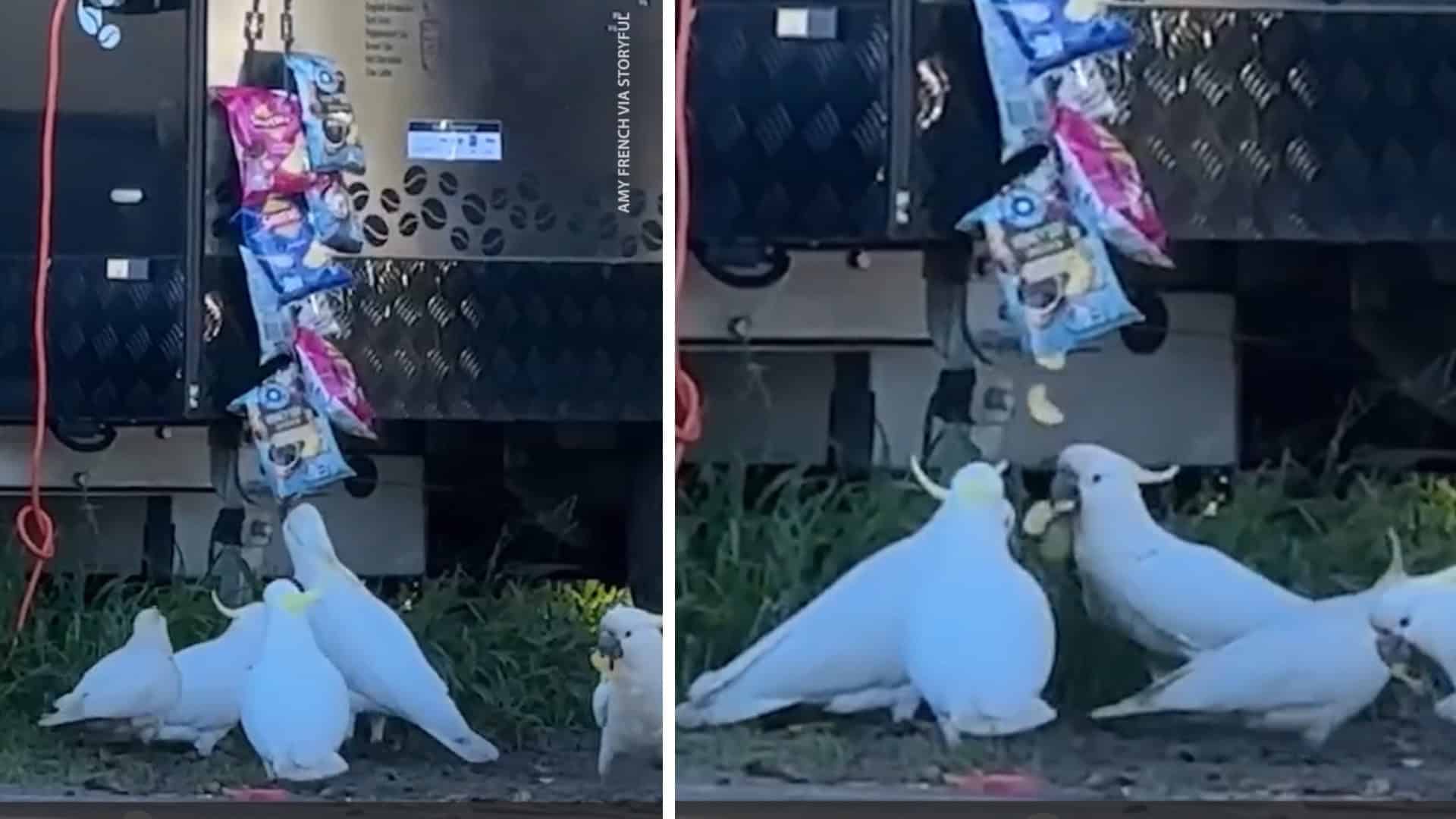
Cockatoos Stealing Food: Intelligence and Hidden Risks
Cockatoos stealing food from vendors proves their problem-solving power, but human junk food carries severe health risks for birds.
 🦜Birds
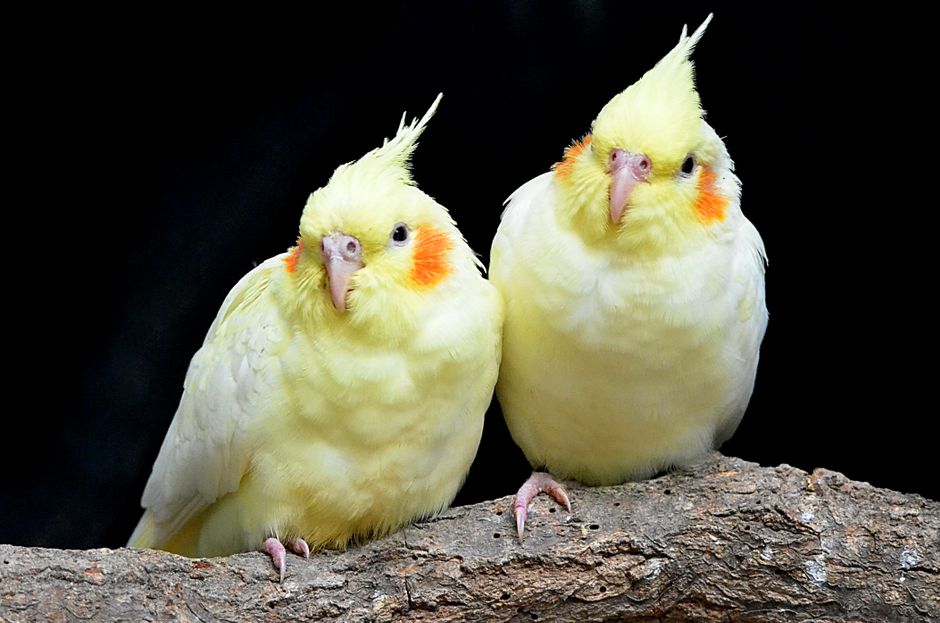
How to Bond with a Cockatiel: 5 Proven Steps
Discover how to bond with a cockatiel safely using patient body language, hand-feeding techniques, and daily trust-building routines.
 🦜Birds
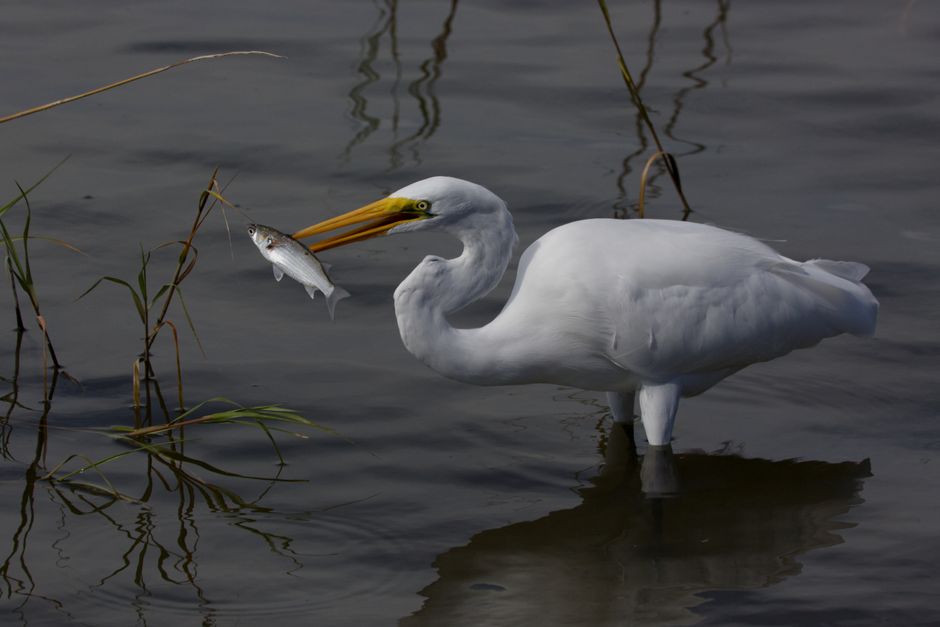
Great White Heron: Florida Hunting and Habits Guide
Discover how the great white heron hunts, nests, and thrives along Florida's coastline with this in-depth wildlife guide.