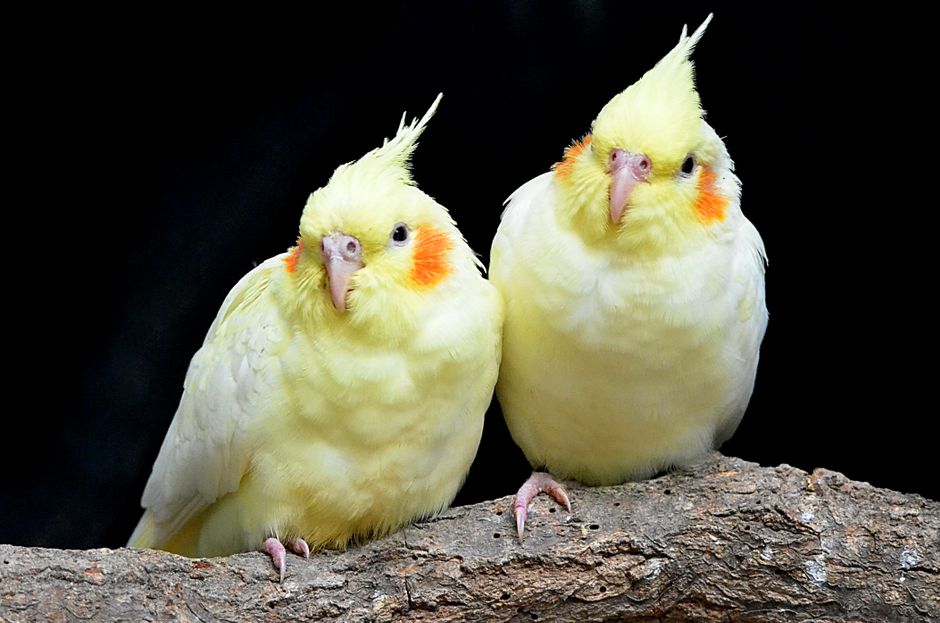
How to Bond with a Cockatiel: 5 Proven Steps
Bringing a new bird home is exciting, but learning how to bond with a cockatiel requires patience, gentle body language, and consistent daily routines. Cockatiels are naturally cautious flock animals that build trust slowly through predictable social contact, shared treats, and calm voice cues rather than direct physical handling.
When you first bring your bird home, everything in your house looks enormous and intimidating. Cockatiels are prey species in the wild, so their default reaction to sudden movements or unknown hands is fear. Rushing the process usually leads to hissing, biting, and setbacks that take weeks to undo. If you give your pet time to settle and follow a calm routine, your cockatiel will soon seek out your company on its own terms.
How long does it take to bond with a cockatiel?
Most cockatiels take between two weeks and three months to form a trusting bond with their owner, depending on their background, age, and previous handling. Hand-raised babies often settle in within a couple of weeks, while untamed or parent-raised birds require several months of quiet, daily patience.
Every bird moves at an individual speed. A cockatiel that was poorly socialized before coming to your home may need extra time just to stop trembling when you walk past the cage. In contrast, a bird that already associates human hands with millet sprays will advance much faster. Do not rush the timeline or compare your bird to videos online. Consistency and gentle daily contact matter far more than quick results.
Signs your cockatiel is starting to trust you
You can track progress by watching subtle shifts in body language. A fearful cockatiel flattens its feathers, holds its crest tightly slicked back, and retreats to the highest perch. As trust develops, you will see noticeable changes in how the bird behaves around you.
- Grinding its beak while relaxing near you in the evening.
- Preening its feathers or stretching a wing while you sit close to the cage.
- Holding its crest in a loose, curved resting position instead of slicked flat against its head.
- Calling out gently with flock chirps when you enter the room.
Step 1: Set up a calm environment and give your bird time to settle
The first step in bonding is placing the cage in a low-traffic area of a quiet room and giving your bird two to three days to adjust without forced interaction. Rushing in to pet or grab your cockatiel during the first forty-eight hours causes severe stress and sets trust back immediately.
Keep the cage against a solid wall so your bird feels protected from behind. Position perches at roughly chest height so you do not tower directly over your cockatiel, which looks threatening to a small prey animal. Talk to your bird in soft, soothing tones whenever you change food and water bowls. Avoid sudden gestures, loud music, and direct eye contact, which mimics the stare of a predator.
Unlike solitary exotic pets where low interaction is normal, birds require social integration. For example, while reptile keepers can read our guide on how long you can leave a snake alone to plan travel, cockatiels rely heavily on daily companionship to stay emotionally healthy. Set aside quiet time each afternoon just sitting near the cage, reading a book or working on a laptop, so your pet learns that your presence is peaceful and safe.
Step 2: Use treat bribery through the cage bars
Offer high-value treats like spray millet or sunflower seeds directly through the cage bars without trying to touch or grab your bird. Pairing your presence with delicious food is the fastest way to turn fear into positive curiosity.
Hold a long piece of spray millet on the outside of the cage bars near a perch where your cockatiel feels safe. Keep your hand completely still and let the bird decide when to walk over and take a bite. Never chase the bird around the cage with the treat. If your cockatiel backs away or hisses, your hand is too close, so move it back a few inches and wait quietly.
Repeat this exercise in brief five-minute sessions three to four times a day. Over several days, shorten the piece of millet so the bird must eat closer to your fingers. This stage teaches your cockatiel that your hands bring rewarding snacks rather than danger.
Step 3: Teach the step-up command inside the cage
Teach your cockatiel to step up onto your finger by offering a treat just out of reach while gently presenting your index finger as a perch right in front of its lower chest. Use a clear, cheerful verbal cue such as "step up" the exact moment the bird places its feet on your finger.
Position your finger horizontally, parallel to the bird's lower belly, just slightly higher than its current perch. Hold a spray of millet in your opposite hand so the bird must lean across your finger to reach the food. As your cockatiel steps one foot onto your finger, stay completely still so it feels secure.
Reward every small effort with praise and a nibble of millet. If the bird bites or lunges, do not yank your hand away with a loud shout, as dramatic reactions can reinforce biting as an effective defense. Instead, slowly remove your hand, wait a few minutes, and try again with the treat held slightly farther away to draw the bird forward calmly.
Step 4: Transition to out-of-cage bonding sessions
Begin out-of-cage bonding sessions inside a small, bird-proofed room with the cage door open so your cockatiel can explore and return to its safe space whenever it wants. Always cover windows with curtains, turn off ceiling fans, and keep other household pets safely out of the room before opening the cage.
Allow your bird to exit on its own rather than pulling it out by hand. Sit on the floor nearby with favorite treats on your lap or beside you on a clean towel. Many cockatiels enjoy foraging, so placing seeds on a flat surface encourages them to walk over and investigate at their own pace.
During these early out-of-cage sessions, focus on gentle companionship rather than trying to cuddle. Let the bird sit on your knee, arm, or shoulder while you speak softly. If your bird ever shows signs of fatigue, breathing heavily with wings held away from the body, guide it back to its cage for rest. As a welfare priority, always consult an avian veterinarian if you notice lingering lethargy, nasal discharge, or sudden changes in appetite during your daily routines.
How do you bond with a cockatiel that bites or hisses?
You bond with a biting or hissing cockatiel by backing away to a distance where the bird feels secure and rewarding calm behavior rather than reacting to aggression. Hissing is an honest warning that your bird feels trapped, so stepping back immediately shows that you respect its boundaries.
Never yell, tap the cage, or spray water at an anxious bird. Those actions destroy trust and confirm to the cockatiel that humans are hostile. Instead, slow your training down to the previous step where the bird was comfortable. Spend more days simply sitting beside the cage talking softly before presenting your hand again. Consistent patience always resolves fear-based aggression over time.
Final Thoughts
Understanding how to bond with a cockatiel comes down to daily patience, steady routines, and letting your feathered companion set the pace. Once your bird realizes that your hands bring treats, safety, and attention, you will enjoy a deeply affectionate companion for years to come. Take your time, stay observant, and explore our other exotic pet guides on RarePetCare to give all your animals the best care possible.
Frequently Asked Questions
Can you bond with an older cockatiel?
Yes, older cockatiels can bond deeply with new owners, though untamed adult birds usually require several months of consistent, gentle treat training.
Why does my cockatiel hiss when I put my hand in the cage?
Hissing is a defensive fear response indicating your cockatiel feels trapped, so you should back away slowly and use treats from outside the bars instead.
Where do cockatiels like to be petted?
Cockatiels generally prefer gentle scratches around the back of the neck, cheeks, and around the crest, while you should avoid touching their back or wings.
How many hours a day should I spend with my cockatiel?
Aim for at least one to two hours of direct social interaction and out-of-cage time each day to keep your cockatiel happy and well-adjusted.
Explore More Birds Guides
 🦜Birds
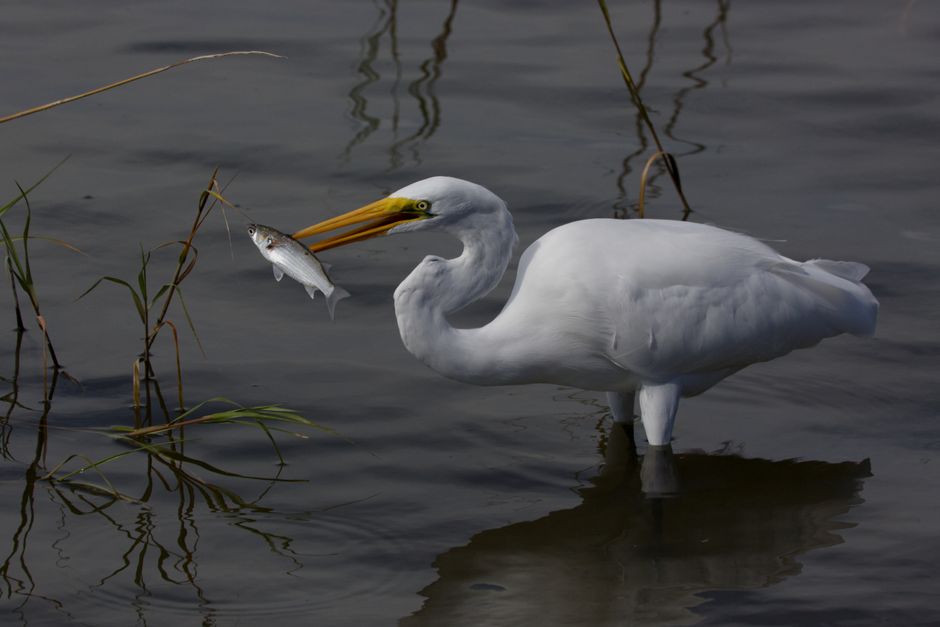
Great White Heron: Florida Hunting and Habits Guide
Discover how the great white heron hunts, nests, and thrives along Florida's coastline with this in-depth wildlife guide.
 🦜Birds
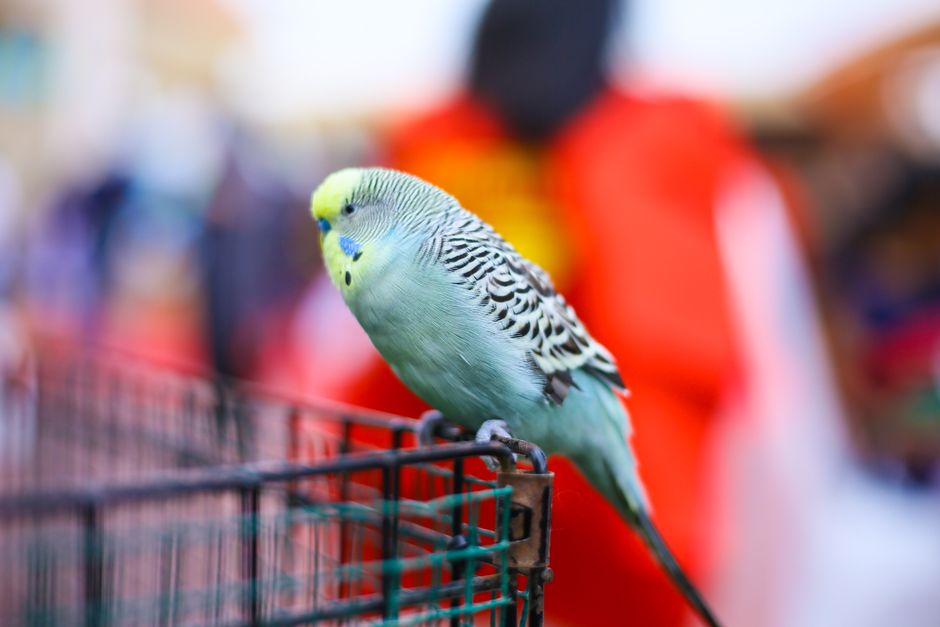
Why Is My Budgie Puffed Up? Causes and Next Steps
Discover why budgies puff up their feathers, how to tell relaxed behavior from illness, and what to do if your bird feels unwell.
 🦜Birds
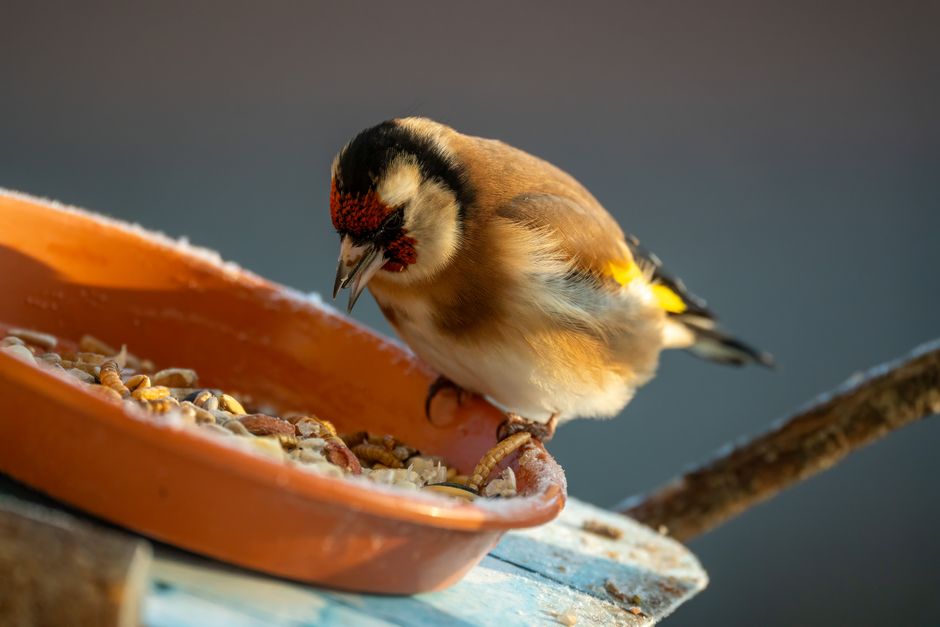
Bird Flu Backyard Feeders: Is It Safe to Feed Birds?
Feeding wild birds brings nature close, but bird flu risks at backyard stations mean pet parents must take precautions.