Diego the Tortoise: How One Reptile Saved His Species
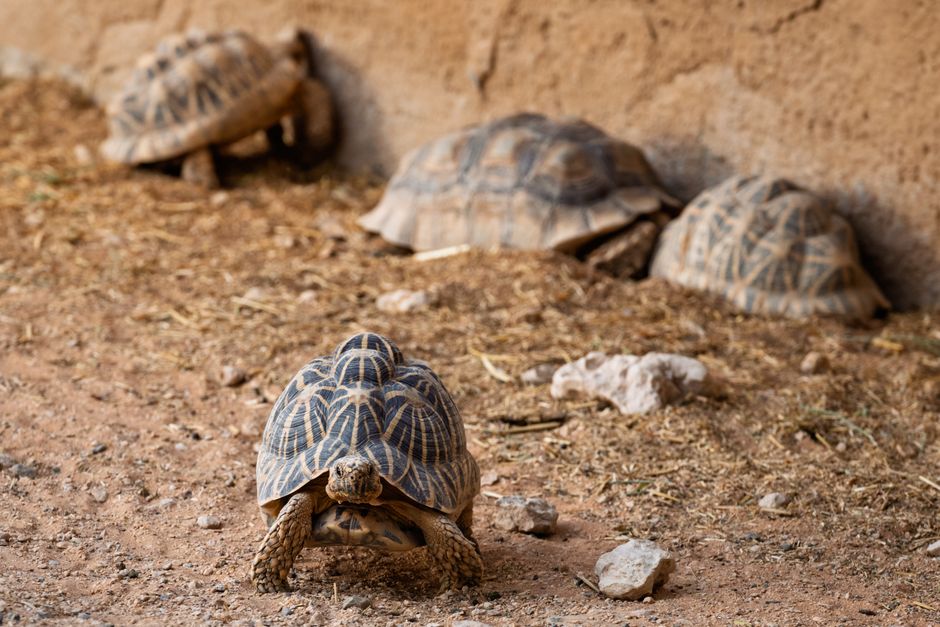
Diego the tortoise is a male Española giant tortoise credited with fathering hundreds of offspring to single-handedly help pull his wild population back from near extinction. After spending decades in captivity, he joined a vital breeding initiative before successfully returning to his native Galápagos home. His incredible journey proves that dedicated conservation work can turn the tide for endangered reptiles across the globe.
Who Is Diego the Tortoise?
Diego the tortoise is an Española Island giant tortoise who became world-famous for fathering roughly 800 offspring during a long-running captive breeding program. Hatched on Española Island in the Galápagos archipelago over a century ago, collectors transported him to the United States before wildlife protection laws existed. He lived at the San Diego Zoo for roughly thirty years, quietly thriving while his relatives back home faced total collapse.
When conservationists took inventory of the wild Española tortoise population in the 1960s, the picture looked grim. Feral goats introduced by passing sailors had devoured the native vegetation, leaving the island dry and barren. Only fourteen surviving tortoises remained in the wild, consisting of twelve females and two males.
Because those fourteen individuals lived scattered across vast terrain, they rarely crossed paths to mate. The species was functionally extinct until scientists gathered them into a managed breeding center on Santa Cruz Island. Keepers identified Diego at the San Diego Zoo, arranged his return to Ecuador in the 1970s, and introduced him to the breeding colony.
How Did Diego Help Save the Española Giant Tortoise?
Diego helped save the Española giant tortoise by siring roughly forty percent of all juvenile tortoises bred in captivity and released back into the wild. His high sex drive and active personality made him an immediate anchor for the program, producing hundreds of vigorous young tortoises across four decades.
In the wild, fragile tortoise hatchlings face intense pressure from predators and scarce food supplies. Inside the breeding center, specialists protected every clutch of eggs, monitored incubation temperatures, and shielded hatchlings from harm. Keepers provided high-fiber greens, fresh water, and safe outdoor pens until the young tortoises developed tough shells.
Once the young tortoises grew large enough to fend off natural threats, conservation teams transported them by boat and carried them inland on foot to repopulate Española Island. Similar to modern aquatic turtle projects, such as efforts detailed in our Pig-Nosed Turtle status and rescue plan, head-starting vulnerable young animals gives fragile chelonian species a real chance at survival.
The Unsung Heroes of the Breeding Colony
While Diego captured international headlines, he was not the only male doing heavy work. Genetic testing later revealed that another quiet male tortoise in the group, labeled E5 by researchers, fathered even more surviving offspring than Diego did.
This genetic variation proved to be a major victory for the recovery effort. Having multiple productive males prevented severe genetic bottlenecks, ensuring that the new wild population maintained enough genetic diversity to stay healthy and resist diseases.
Where Is Diego Living Today?
Diego currently lives as a free, wild tortoise on Española Island after officially retiring from the breeding program in 2020. Wildlife authorities released Diego and twenty-four fellow founder tortoises back into their ancestral home after concluding that the population had fully recovered.
Before his release, Diego underwent a strict quarantine period to ensure he did not carry foreign seeds or parasites into the restored ecosystem. Rangers then transported him back to the rocky terrain he had left nearly eighty years prior.
Today, Diego the tortoise currently lives freely alongside more than two thousand other tortoises on Española Island. Natural breeding now occurs across the landscape without any human assistance, allowing the veteran patriarch to spend his remaining years grazing on wild prickly pear cactus.
What Can Reptile Keepers Learn From Diego's Story?
Reptile keepers can learn from Diego's story that proper nutrition, spacious enclosures, and low stress levels are the foundations of long-term health and reproductive success in chelonians. While pet parents care for much smaller species at home, the core biological needs of captive reptiles remain consistent regardless of size.
If you are considering bringing any chelonian into your home, you must research a species' full adult needs before buying, especially since land tortoises can live for many decades and need expansive outdoor pens. Even common native species require specialized handling and care, which owners realize when exploring questions like can you pet a snapping turtle safely.
Every tortoise keeper can apply these core husbandry principles learned from professional breeding programs:
- Provide fibrous, low-protein greens and weeds to maintain steady gut motility and prevent shell pyramiding.
- Offer spacious outdoor enclosures where natural sunlight supports bone density and active foraging behaviors.
- Maintain proper ambient temperatures and humidity levels so respiratory systems remain clear and infection-free.
- Schedule annual wellness exams with a qualified exotic-animal veterinarian to catch potential nutritional deficiencies early.
Lifelong Commitments for Pet Parents
Giant tortoises can easily live past one hundred years, and even common pet species like Russian or Greek tortoises regularly live past fifty years. Acquiring a tortoise is often a multi-generational commitment that requires planning for your pet's future care.
Providing steady environmental parameters, proper calcium supplementation, and clean water lets pet tortoises thrive just like Diego did in his zoo habitat. Respecting their deliberate pace and long lifespans helps you build a rewarding bond that lasts a lifetime.
Why Giant Tortoises Matter for Island Ecosystems
Giant tortoises matter because they function as mega-herbivores and ecosystem engineers that sculpt the plant communities around them. By trampling dense brush, dispersing native seeds, and grazing heavily on aggressive vegetation, tortoises keep the environment balanced for other native creatures.
On Española Island, the absence of grazing tortoises allowed thick, woody shrubs to overrun the open spaces. This overgrowth threatened open-ground nesters like the waved albatross, which relies on clear runways to take flight from ocean bluffs.
When Diego's offspring returned to graze the island, they opened up pathways and cleared ground naturally. The success of this reintroduction demonstrates that protecting a single keystone reptile can restore an entire biological community from the soil up.
Final Thoughts
Diego the tortoise showed the entire world what patience, careful stewardship, and resilient biology can accomplish against impossible odds. His journey from an overlooked zoo resident to an international conservation hero reminds us that every individual reptile deserves our respect and protection. Take some time to explore more RarePetCare guides to learn practical tips for caring for your own unique companions at home.
Frequently Asked Questions
How many offspring did Diego the tortoise have?
Diego fathered roughly 800 offspring, which accounted for approximately forty percent of all tortoises produced during the Española captive breeding program.
How old is Diego the tortoise?
Experts estimate Diego is over one hundred years old, having hatched in the Galápagos Islands during the early twentieth century.
Where did Diego live before returning to the Galápagos?
Diego lived at the San Diego Zoo in California for roughly thirty years before scientists brought him back to Ecuador in 1976.
Is Diego the tortoise still alive today?
Yes, Diego is alive and retired in the wild on Española Island, where he was released in 2020 after the captive breeding program ended.
Explore More Reptiles Guides
 🦎Reptiles
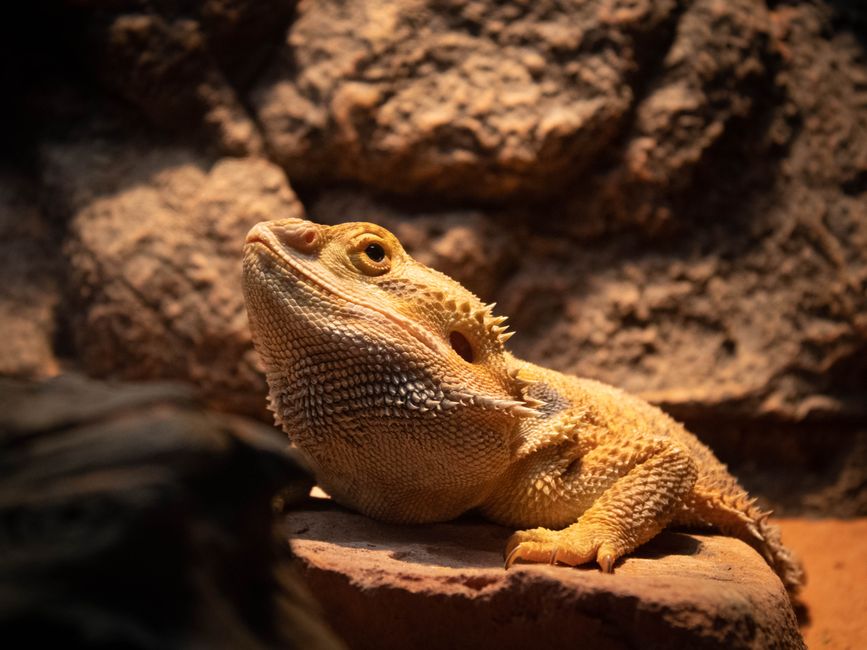
Bearded Dragon Shedding: Signs, Timeline, and Care
Learn how to spot bearded dragon shedding signs, handle stuck skin safely, and keep your reptile comfortable throughout the molting process.
 🦎Reptiles
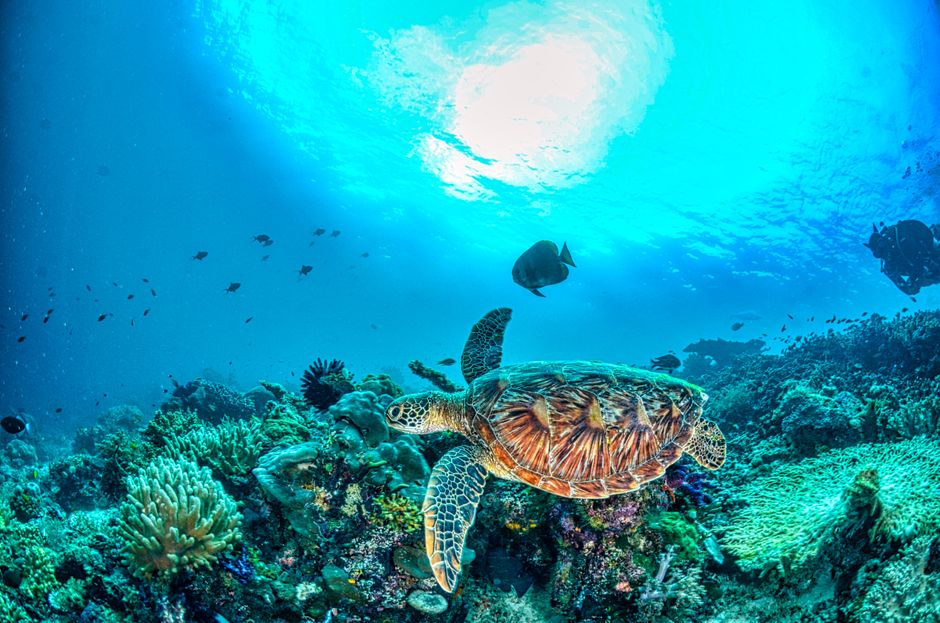
Pig-Nosed Turtle Status: Threats and Papua Rescue Plan
Discover why the pig-nosed turtle faces severe threats in Papua and what conservationists are doing to protect this unique river species.
 🦎Reptiles
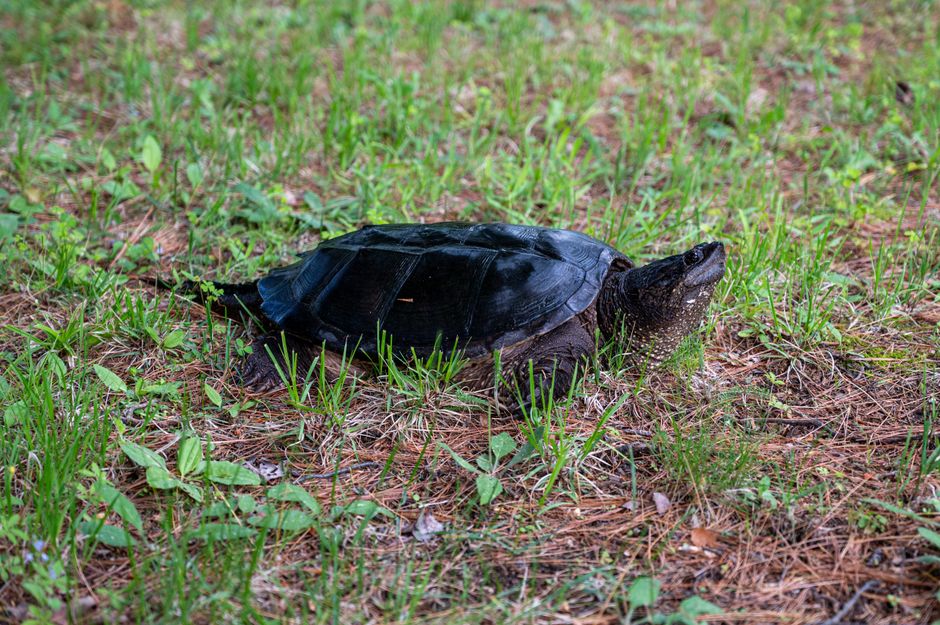
Can You Pet a Snapping Turtle? Chin Rubs and Safety
Discover whether snapping turtles enjoy chin scratches, how they show trust, and why petting them carries real safety risks.