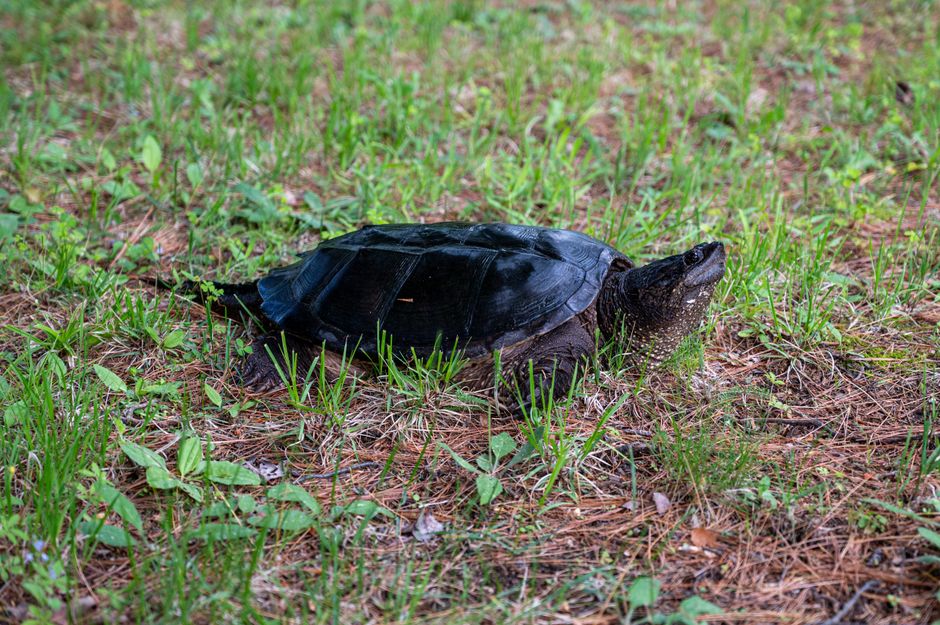
Can You Pet a Snapping Turtle? Chin Rubs and Safety
Seeing a massive reptile tilt its head upward to accept a gentle scratch looks like something out of a fantasy film. Many reptile keepers wonder: can you pet a snapping turtle, or is any physical contact simply asking for trouble? While a captive turtle may tolerate gentle chin scratches from a keeper it knows well, you should never attempt to touch an unfamiliar snapping turtle due to their lightning-fast strikes and powerful jaws. These ancient animals have a fearsome reputation, but captive environments can reveal unexpected layers of their personality.
Why Do Some Snapping Turtles Accept Chin Scratches?
Snapping turtles accept chin scratches because captive individuals can become habituated to a familiar human and may enjoy the tactile sensation of gentle touch on areas they cannot easily reach. Over time, predictable feeding routines reduce their defensive stress, allowing them to relax around people they trust.
In the wild, a snapping turtle lives on high alert. Predation threats, territorial disputes, and the search for food keep their nervous systems primed for defense. When raised in human care, that background pressure disappears. A turtle that receives food from the same pair of hands every week stops viewing that person as an apex predator. Instead, the keeper becomes a predictable, harmless part of its everyday environment.
Reptiles have sensitive skin, especially around the neck, chin, and plastron edges. Algae, shedding skin, and parasites often accumulate in folds that webbed feet cannot easily scrub clean. A steady, gentle scratch under the jaw can provide relief from minor skin irritation. When a turtle associates your hand with comfort rather than conflict, it may lift its chin or extend its neck to prolong the contact.
Temperature also plays a role in this curious behavior. Snapping turtles are ectothermic, meaning they rely on their surroundings to regulate body heat. Human fingertips radiate warmth. A calm reptile may find the localized warmth of your hand soothing, encouraging it to lean into the touch rather than pull away into its shell.
Can You Pet a Snapping Turtle Without Risking a Bite?
No, you can never pet a snapping turtle with zero risk of a bite. Even a long-term captive turtle retains strong wild reflexes, meaning sudden movements or misread body language can trigger an instantaneous defensive strike.
Snapping turtles did not evolve to be companion animals. Their jaws are built to crush tough prey, crack shells, and tear aquatic vegetation. When people ask can you pet a snapping turtle in their backyard pond, the answer is always an absolute no. Wild turtles perceive any outstretched hand as an immediate life-threatening attack. On land, where they lack the speed to swim away, snapping turtles fight back vigorously.
The physical mechanics of their strike make touching them hazardous. A common snapping turtle has a long, flexible neck that can reach backward halfway across its shell. You might think your fingers are at a safe distance, but the head can dart out faster than the human eye can track. An alligator snapping turtle strikes with even greater crushing power, though its neck is comparatively shorter.
Subtle Warning Signs That Precede a Strike
Turtles rarely strike without giving clear physical signals beforehand. Learning to read these early warnings is critical for any pet parent working near their enclosure.
- Hissing loudly as air is forced rapidly out of the lungs.
- Opening the beak slightly to display the pink interior of the mouth.
- Pulling the head tight against the body before an explosive lunge.
- Releasing a pungent, musky odor from glands near the bridge of the shell.
- Lifting the rear body high on all four legs to appear larger and more intimidating.
How Does Captive Turtle Behavior Differ From Wild Turtles?
Captive snapping turtles behave much more calmly than wild ones because regular meals and stable enclosures remove the survival stressors of nature. Consistent human interaction conditions the animal to realize that people do not pose an existential danger.
In natural waterways, a snapping turtle spends most of its daylight hours buried in mud or tucked under submerged logs. They rely on camouflage and ambush tactics. When forced onto open ground during seasonal migrations, their stress levels spike. You can read about how environmental shifts impact wild chelonians in our guide to olive ridley sea turtle nesting discoveries, which details how habitat shapes survival instincts across different species.
A captive turtle learns that the glass walls of its tank or the edges of its pond are safe boundaries. It learns when feeding time occurs and who provides the food. That conditioning replaces fight-or-flight reactions with curiosity. A turtle might swim to the front of the tank or walk toward a familiar voice because it anticipates a meal.
Habituation Versus True Emotional Affection
It is vital to distinguish between habituation and genuine emotional love. Reptiles do not possess the brain structures responsible for mammalian affection or pack loyalty. Famous calm snapping turtles do not love their owners the way a dog loves its family.
Instead, these turtles exhibit profound trust. Trust in a reptile means the complete absence of fear. When a prehistoric predator with jaws capable of severing a finger closes its eyes and lifts its head for a rub, it is demonstrating total comfort in your presence. That quiet peace is just as rewarding for an exotic pet enthusiast as cuddles are for a mammal owner.
Best Practices for Keeping and Interacting With Snapping Turtles
Interacting safely with a pet snapping turtle requires clear boundaries, quiet movements, and an enclosure designed to minimize the animal's everyday stress. Approaching the turtle should always be an elective choice on its part, never something forced upon it.
Before taking on any large aquatic reptile, research the species' adult housing and dietary needs thoroughly, and consult an exotic-animal veterinarian whenever unexpected health or behavioral changes appear. Many baby turtles start small in modest aquariums, but adults require hundreds of gallons of water and heavy-duty filtration. Poor water quality and cramped spaces create chronic irritation, making turtles far more prone to defensive biting.
Much like diagnosing stress patterns in other common captive reptiles, such as working through handling stress in a ball python, keeping a snapping turtle calm starts with stable environmental conditions. If water temperatures fluctuate or the turtle lacks hiding areas, it will view every human interaction as a threat.
- Never attempt to lift a snapping turtle by its tail, as this causes severe spinal trauma.
- Approach the animal from eye level with slow, deliberate gestures so you do not resemble a swooping predator.
- Keep your fingers well clear of the strike zone, which extends along the front and sides of the upper shell.
- Use feeding tongs rather than bare hands whenever offering fish, pellets, or insects.
- Always wash your hands thoroughly with warm water and soap after touching any aquatic turtle or its water.
Final Thoughts
If you ask experienced keepers can you pet a snapping turtle, they will remind you that respect always comes before affection. While rare captive individuals develop enough calm habituation to enjoy a gentle chin scratch, these animals remain formidable wild predators at their core. Understanding their body language, respecting their power, and meeting their habitat needs creates a safe relationship built on mutual peace. Browse our other RarePetCare guides to discover expert advice on caring for unique reptiles and aquatic pets.
Frequently Asked Questions
Do snapping turtles like to be petted?
Snapping turtles do not seek out affection like domestic mammals, but some habituated captive individuals tolerate and enjoy chin scratches for tactile relief. They view these gentle touches through the lens of safety and comfort rather than social bonding.
Why do snapping turtles stretch their necks out?
Snapping turtles stretch their necks out to inspect their surroundings, breathe at the water surface, or prepare for a defensive strike. In calm captive settings, a stretched neck can also signal that the turtle is leaning in toward a familiar stimulus.
Can a snapping turtle bite off a human finger?
Yes, an adult snapping turtle possesses beak-like jaws with enough crushing force to fracture bones and sever human fingers. Their strikes are exceptionally fast, which is why handlers must never place hands directly in front of the mouth.
How do you calm down an agitated snapping turtle?
To calm an agitated snapping turtle, step back immediately, eliminate loud noises, and allow the turtle space to submerge or hide. Giving the animal time in dark, undisturbed surroundings helps its natural defensive adrenaline dissipate.
Explore More Reptiles Guides
 🦎Reptiles
Pig-Nosed Turtle Status: Threats and Papua Rescue Plan
Discover why the pig-nosed turtle faces severe threats in Papua and what conservationists are doing to protect this unique river species.
 🦎Reptiles
Ball Python Not Eating? Causes and Simple Fixes
Discover why your ball python is refusing food and learn practical enclosure adjustments to end hunger strikes safely.
 🦎Reptiles
Reptiles of Israel: Native Species and Protection Guide
Learn about the diverse reptiles of Israel, their critical habitats, and how grassroots conservation efforts protect these unique species.