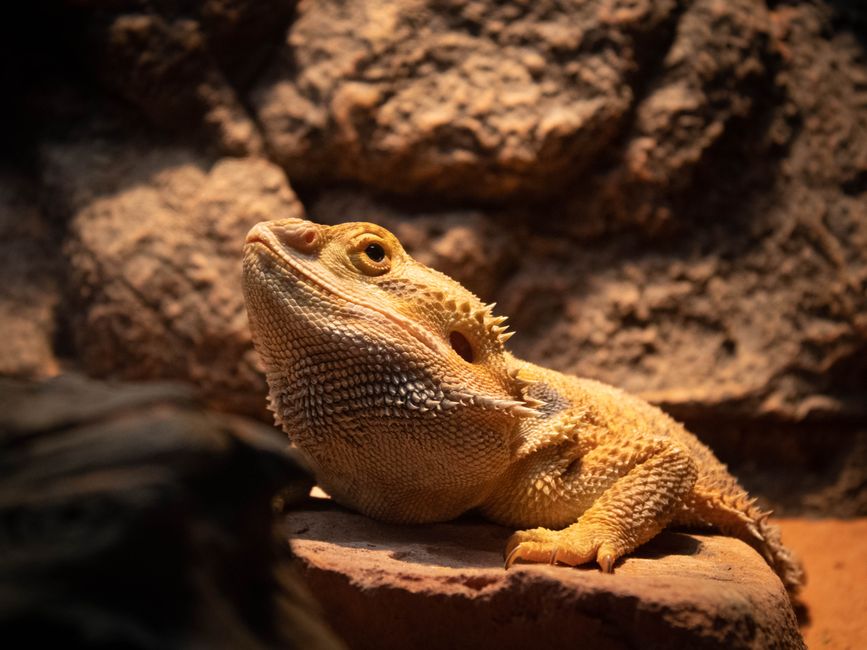
Bearded Dragon Shedding: Signs, Timeline, and Care
Watching your scaly companion peel like a sunburned tourist can feel alarming if you are a new reptile keeper. Bearded dragon shedding is the normal biological process where a lizard sloughs off dead outer skin to make room for growth and repair damaged tissue. Young dragons shed every few weeks because they grow fast, while adult dragons shed in smaller patches only a few times each year.
Seeing dull patches, milky skin, or sudden grumpiness is completely normal during this cycle. With the right care and a gentle approach, you can make the entire process smooth and stress-free for your pet.
What Are the Early Signs of Bearded Dragon Shedding?
The earliest signs of bearded dragon shedding include dull skin, milky gray coloring on specific body parts, and a sudden drop in appetite. You will also notice your dragon rubbing their body against enclosure decor, puffing out their beard, or acting unusually irritable when you attempt to hold them.
Reptile skin does not stretch like mammal skin. As your dragon grows, the old top layer of keratin loses its shine and begins to separate from the healthy skin underneath. This layer of separation fills with microscopic lymphatic fluid, which gives the scales a pale, waxy appearance right before peeling begins.
Do not panic if your lizard suddenly refuses their favorite greens or insects. Much like how a ball python not eating is often linked to an upcoming molt, bearded dragons commonly lose interest in food when tight skin makes movement uncomfortable. Their normal appetite will return once the old skin loosens up.
Behavioral Changes to Watch For
Your dragon might act like a completely different animal for a few days. They may hide in the cool end of the tank, avoid bright light, or hiss when you reach into the enclosure.
You might also catch your dragon bulging their eyes outward. This looks terrifying to beginners, but it is just a technique lizards use to stretch the tight skin around their eyelids and face. As long as the bulging only lasts for a few seconds at a time, it is normal shed behavior.
How Long Does Bearded Dragon Shedding Take?
A full bearded dragon shedding cycle typically takes anywhere from a few days to two full weeks depending on the dragon's age and health. Baby and juvenile dragons tend to shed their entire body in under a week, while adults usually shed in isolated patches over two to three weeks.
Young dragons grow at a rapid pace. Because their bodies expand quickly, their skin tends to lift and flake off in large sheets over a matter of days. You might find a whole tail sleeve or belly piece sitting on the substrate in the morning.
Adults shed much more slowly and rarely molt their whole body at once. An adult might shed just their head this month, followed by one back leg next month, and their torso weeks later. These patchy sheds can look messy, but they are completely normal for fully grown lizards.
Environmental factors also influence the timeline. If the enclosure is too dry, or if your dragon lacks rough basking surfaces to rub against, the dead skin can cling tightly and drag the process out longer than usual.
How to Help a Bearded Dragon Shedding Safely
You can help a bearded dragon shedding by providing rough decor for rubbing, misting hydration spots, and offering a shallow lukewarm bath if pieces cling stubbornly. In most cases, healthy dragons complete the process on their own without human intervention.
Start by checking the texture of your tank accessories. Slate basking rocks, clean branches, and textured caves give your pet safe surfaces to scratch their chin, stomach, and feet. When they push their body against rough textures, the friction pulls the loose skin free naturally.
Hydration is your dragon's best friend during a heavy molt. Regular shallow soaks in plain lukewarm water help hydrate the keratin layer so it lifts off cleanly. Keep the water level shallow, never deeper than your dragon's shoulder joints, and always supervise the entire soak.
- Place a textured slate stone directly under the basking light to create a natural rubbing surface.
- Offer shallow lukewarm soaks for ten to fifteen minutes every few days during heavy peeling.
- Lightly mist your dragon with warm water outside the main tank if they refuse to soak.
- Check their digits and tail tip daily to make sure no skin bands are forming.
What You Should Never Do to Stuck Shed
The golden rule of reptile molting is simple: never pull or peel shedding skin that is not completely detached. Tugging on dry scales can rip off fresh, developing scales beneath, leading to open wounds, bleeding, and permanent scarring.
If you see a loose edge, resist the urge to pull it like a piece of tape. If the base of that flake is still anchored to live tissue, pulling it causes intense pain. Only pick up skin that has already completely separated and fallen onto the substrate or sits loosely on top of the spikes.
Common Problems During Bearded Dragon Shedding
The most dangerous problem during bearded dragon shedding is stuck skin around the toes and tail tip, which can constrict blood flow and lead to tissue death. Other common complications include shed retained inside the ear canals or nostrils, skin infections, and eye irritation from loose flakes.
Tight rings of dead skin around narrow body parts act like tiny rubber bands. As the dragon grows, these unshed bands stay rigid, cutting off circulation to the tip of the tail or individual toes. Over time, the restricted tissue turns black, dies, and snaps off.
If you notice stubborn shed constricting a toe or the tail tip, increase your soaking routine and gently dab the spot with pure organic jojoba oil or an over-the-counter reptile shedding aid. Never use sharp tools or tweezers to pry tight bands off. As a welfare priority, always consult an exotic-animal veterinarian if stuck skin causes swelling, discoloration, or open sores, rather than trying to perform risky home surgery.
Shed plugs inside the nostril openings are another frequent complaint. Bearded dragons have small flap scales inside their nares. When ready, these plugs slide out on their own as your dragon rubs their snout. If you see a plug protruding, do not pull it forcefully, because you could damage the delicate nasal lining.
Final Thoughts
Patience and the right enclosure setup are the keys to managing bearded dragon shedding successfully. By keeping your pet hydrated, offering textured basking spots, and resisting the temptation to pull stuck flakes, you help your dragon shed smoothly and stay healthy. Take a look at our other reptile care guides to learn more ways to keep your exotic pets happy and thriving.
Frequently Asked Questions
Can you bathe a bearded dragon while shedding?
Yes, giving your dragon a short lukewarm soak for ten to fifteen minutes helps loosen tight, dry skin naturally. Keep the water shallow enough that your pet can keep their head easily above the surface without swimming.
Why is my bearded dragon angry while shedding?
Tight, drying skin causes physical itchiness and discomfort, making many dragons defensive and irritable. Giving them personal space and minimizing handling until the skin peels will reduce their stress.
Can I feed my bearded dragon while they are shedding?
You should continue offering fresh food daily, but do not worry if their appetite drops significantly. Many reptiles naturally eat less while shedding and resume their normal feeding routine once the loose skin is gone.
Is it normal for a bearded dragon to eat its own shed skin?
Yes, many lizards eat their shed skin to recycle lost nutrients like calcium and hide their scent from potential wild predators. It is completely safe and causes no digestive harm.
Explore More Reptiles Guides
 🦎Reptiles
Diego the Tortoise: How One Reptile Saved His Species
Discover how Diego the tortoise fathered over 800 offspring to rescue the Española giant tortoise from the brink of extinction.
 🦎Reptiles
Pig-Nosed Turtle Status: Threats and Papua Rescue Plan
Discover why the pig-nosed turtle faces severe threats in Papua and what conservationists are doing to protect this unique river species.
 🦎Reptiles
Can You Pet a Snapping Turtle? Chin Rubs and Safety
Discover whether snapping turtles enjoy chin scratches, how they show trust, and why petting them carries real safety risks.