Pig-Nosed Turtle Status: Threats and Papua Rescue Plan
The pig-nosed turtle is a distinct freshwater species native to northern Australia and southern New Guinea, famous for its fleshy, swine-like snout and flipper-shaped limbs. Unlike most freshwater turtles, it spends almost its entire life in water, coming ashore only to lay eggs. Because of heavy pressures from poaching and illegal sales, this extraordinary animal now faces critical conservation challenges across its home range.
For years, wildlife enthusiasts have admired this river dweller for its unusual appearance. Its unique biology also makes it fragile when human activity disrupts its native rivers. Understanding its biology, habitat needs, and legal status is crucial for anyone interested in exotic reptiles.
What makes this species different from other turtles?
The pig-nosed turtle is the only living freshwater turtle equipped with flippers rather than individual webbed toes. It also features a soft, leathery shell instead of hard, bony scutes, paired with a specialized mobile snout that acts like a built-in snorkel.
Biologists classify this creature in its own separate family, Carettochelys. It represents an ancient lineage that has survived for millions of years. While standard freshwater species pull their heads straight back or fold their necks sideways, this animal moves through deep river channels with the effortless grace of an oceanic swimmer.
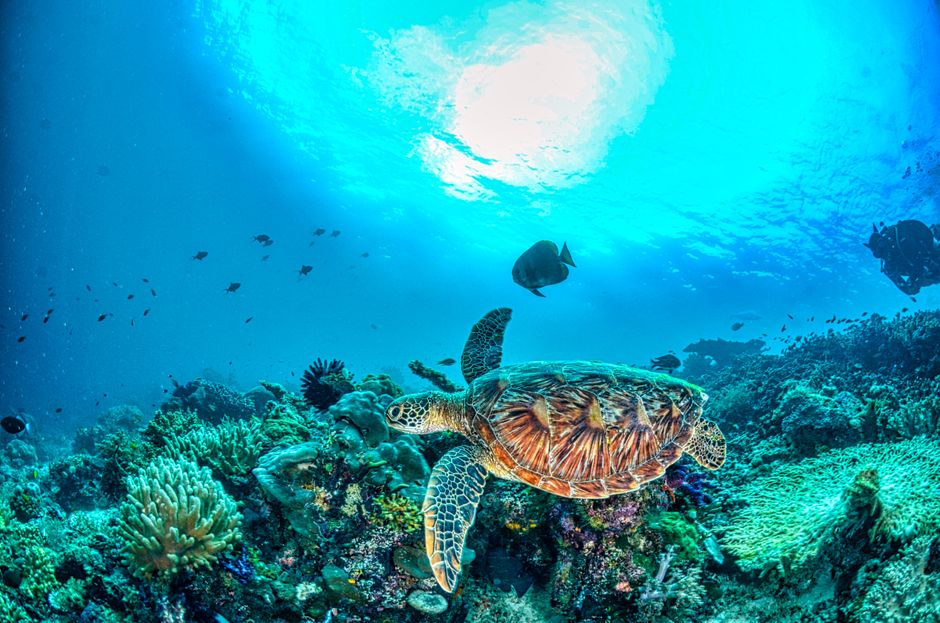
Its swimming motion looks remarkably similar to sea turtles, like those discussed in our overview of an olive ridley sea turtle encounter. True sea turtles live exclusively in marine waters, whereas this species depends completely on slow-moving tropical rivers, lagoons, and freshwater swamps.
Distinct physical adaptations
The snout serves a practical purpose beyond its comical looks. It is packed with sensory receptors that detect movement, vibrations, and scents in murky water. The animal can rest along the riverbed and poke just the tip of its nostrils above the waterline to breathe without exposing its body to predators.
Its flippers allow for fast, sustained propulsion against strong river currents. These limbs make walking on land nearly impossible. Adult females must drag themselves onto sandbanks with great effort simply to deposit their clutches during nesting season.
Why is the pig-nosed turtle in danger?
The pig-nosed turtle faces serious danger primarily due to excessive harvesting for local consumption and massive illegal collection for the international exotic animal market. Nesting females and freshly laid clutches are particularly vulnerable to poachers along remote riverbanks.
In southern Papua, river communities have traditionally gathered turtle eggs as a food source. Over recent decades, this subsistence collection turned into commercial-scale harvesting. High demand from overseas markets encourages collectors to scour riverbanks for every nest they can find.
Adult specimens are also captured for their meat and shells. Because these animals gather in specific river bends and shallow lagoons during the dry season, entire local populations can be wiped out in a single harvest cycle. Their slow reproductive rate means wild groups cannot recover quickly from intense harvesting pressure.
Smuggling and the pet trade
Wildlife traffickers prize this species because of its charming face and paddle limbs. Smugglers pack thousands of tiny hatchlings into tight containers, attempting to transport them through domestic airports and maritime shipping lanes.
Many hatchlings perish during transit from dehydration, crushing, or sudden temperature swings. Those that survive the journey often end up in illicit markets across Asia, Europe, and North America. Law enforcement seizures regularly recover thousands of juveniles at single transit points, highlighting the massive scale of the black market trade.
What rescue actions are conservationists taking in Papua?
Conservation teams in Papua are drafting targeted action plans that combine riverbank habitat protection, clutch rescue operations, and stricter law enforcement along trafficking hubs. These initiatives work alongside local indigenous communities to monitor nesting sites and release confiscated animals back into safe waterways.
One key strategy involves hiring local river residents as community wardens. When indigenous groups receive support to protect nesting beaches, poachers find it far harder to raid egg sites unnoticed. Guards help patrol sandbars at night, allowing females to lay undisturbed.
Wildlife agencies are also setting up specialized rehabilitation pools. When customs officers intercept smuggled hatchlings, wildlife teams nurse the young reptiles back to health before flying them back to Papua. Returning healthy juveniles to secure river systems gives wild populations a direct reproductive boost.
Better coordination between transport hubs, customs authorities, and forestry police has also closed common transit routes. Officials now inspect air cargo and inter-island boats more thoroughly, stopping smugglers before they exit provincial borders.
Can you keep this species as a pet in captivity?
In most regions, keeping this species as a private companion is either strictly illegal or heavily restricted due to its protected legal status and immense care demands. Captive care requires massive, filtered aquatic enclosures that average pet owners cannot practically maintain in a home.
Welfare considerations are paramount when evaluating any exotic animal, and prospective keepers must research a species' full adult needs before buying. As a general rule, any unusual health signs warrant a prompt visit to an exotic-animal veterinarian. This river species grows very large and produces significant biological waste, requiring industrial water filtration.
Unlike small aquarium sliders, an adult can weigh as much as a medium dog. They are also notoriously combative with other aquatic animals, often tearing into tank mates. Similar territorial traits appear in other large river reptiles, as explored in our guide on snapping turtle care considerations.
Managing this animal in captivity presents several distinct roadblocks:
- Huge adult body mass requiring thousands of gallons of conditioned water
- Soft skin and carapace that develop severe fungal or bacterial infections easily
- Sensitivity to chlorine, heavy metals, and sudden water chemistry shifts
- Fierce territorial aggression toward other turtles and bottom-dwelling fish
Because their wild numbers are falling, purchasing hatchlings without verified legal documentation directly fuels the illicit trade. True reptile enthusiasts support the species best by admiring them in the wild or in accredited public aquariums with specialized life-support systems.
Final Thoughts
Protecting the pig-nosed turtle requires strict enforcement against illegal collection and dedicated support for river habitats in Papua. Coordinated efforts between local indigenous patrols and regional wildlife authorities offer the best chance to secure their future. Explore more RarePetCare guides to learn about responsible reptile stewardship, unique aquatic species, and global wildlife conservation.
Frequently Asked Questions
What do pig-nosed turtles eat in the wild?
They are omnivorous feeders that consume fallen river fruits, figs, aquatic vegetation, snails, insects, and small crustaceans.
Where does the pig-nosed turtle live naturally?
The species lives in freshwater rivers, lagoons, and estuaries across southern New Guinea and the northern regions of Australia.
Why is this turtle often called the fly river turtle?
It earned the common name fly river turtle because early scientific specimens were documented along the Fly River in Papua New Guinea.
Is the pig-nosed turtle a softshell turtle?
It has a leathery, skin-covered shell like a softshell turtle, but it belongs to its own unique family, Carettochelyidae, rather than true softshell turtles.
Explore More Reptiles Guides
 🦎Reptiles
Can You Pet a Snapping Turtle? Chin Rubs and Safety
Discover whether snapping turtles enjoy chin scratches, how they show trust, and why petting them carries real safety risks.
 🦎Reptiles
Ball Python Not Eating? Causes and Simple Fixes
Discover why your ball python is refusing food and learn practical enclosure adjustments to end hunger strikes safely.
 🦎Reptiles
Reptiles of Israel: Native Species and Protection Guide
Learn about the diverse reptiles of Israel, their critical habitats, and how grassroots conservation efforts protect these unique species.