Do Turtles Really Breathe Through Their Rear Ends?
If you have ever wondered how aquatic turtles survive long winter months trapped beneath frozen pond ice without coming up for air, you are definitely not alone. It sounds like an impossible trick or a playground myth, but certain aquatic turtles really do possess an extraordinary biological mechanism that allows them to absorb oxygen through their rear end. Understanding this unusual survival adaptation gives pet parents a whole new appreciation for how wild reptiles survive extreme natural environments.
Do Turtles Really Breathe Through Their Rear Ends?
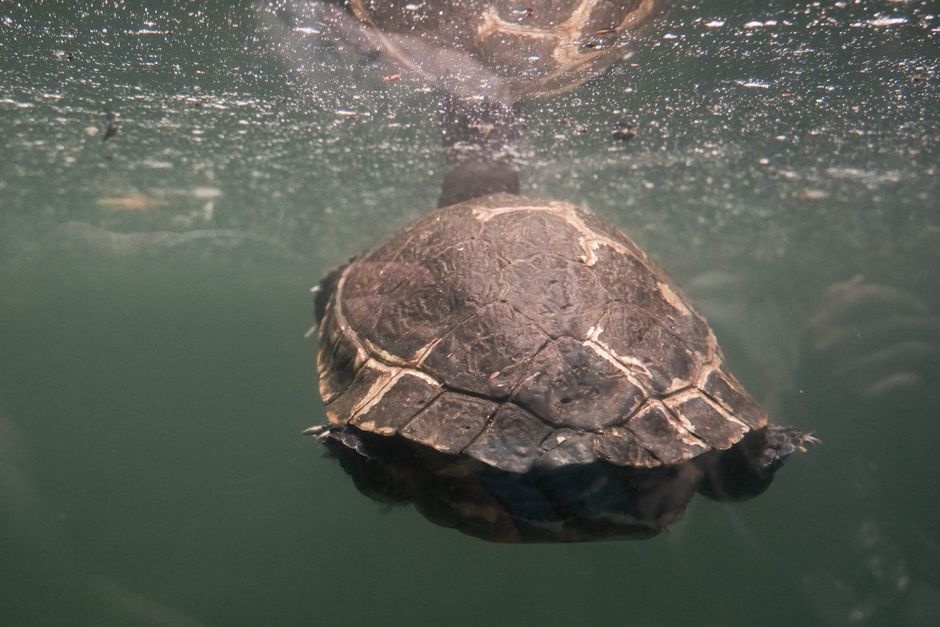
Yes, certain species of aquatic turtles can absorb oxygen through specialized tissues located inside their rear end. This process is known technically as cloacal respiration, and it functions as a critical backup breathing system. When cold winter temperatures drop, wild turtles settle into aquatic environments where surfacing for air is impossible. To survive, they pump water into specialized internal chambers near their cloaca, where dense networks of blood vessels extract dissolved oxygen directly from the surrounding water. This allows the turtle to sustain vital body functions without ever opening its mouth or expanding its lungs.
How Does Cloacal Respiration Work Inside the Turtle's Body?
The cloaca is a multi-purpose opening at the rear of the turtle that normally handles waste elimination and reproduction. Inside this area are tiny, highly vascularized sacs called cloacal bursae, which perform a function very similar to fish gills. As the turtle slowly expands and contracts internal muscles, water moves in and out across these thin, blood-rich membranes. Oxygen diffuses directly into the turtle's bloodstream while metabolic carbon dioxide diffuses out into the water. While this process cannot supply enough oxygen for an active turtle, it provides just enough to sustain a hibernating reptile in cold water.
How Long Can Turtles Stay Underwater Without Air?
Aquatic turtles can remain submerged underwater for several months at a time when trapped beneath surface ice during winter. In cold climates, wild freshwater turtles sink to the bottom of ponds or bury themselves loosely in soft mud before ice seals the surface. Because the frozen barrier prevents them from reaching atmospheric oxygen, they rely entirely on cloacal respiration combined with a metabolic state known as brumation. By staying almost completely motionless in near-freezing water, their heart rate drops significantly, reducing their oxygen demand to a small fraction of normal active levels. This unique state allows them to remain submerged safely from late autumn until spring thaws the surface ice.
Do Pet Turtles Need to Breathe Underwater in Captivity?
Pet turtles kept in warm indoor aquariums do not rely on cloacal respiration because their ambient environment remains warm and active all year round. However, if you care for outdoor pond turtles, you should always consult a qualified exotic animal veterinarian before allowing your pets to overwinter outside in cold weather. Indoor aquatic turtles will consistently rise to the surface to take normal breaths of air using their lungs. Pet owners should provide deep enough water for swimming, efficient water filtration systems, and accessible dry basking areas with proper heat lamps so their turtles can easily breathe and thermoregulate as nature intended.
Why Do Turtles Need Cloacal Respiration to Survive?
Turtles rely on cloacal respiration because winter ice creates an airtight barrier over northern lakes and ponds for months at a time. Without an alternative method of gas exchange, air-breathing aquatic turtles trapped underneath thick surface ice would quickly suffocate. Since turtles are cold-blooded animals, their internal temperature drops to match the cold water around them, automatically slowing their organ functions and biological processes. Cloacal respiration provides the steady micro-dose of oxygen necessary to keep their heart and brain alive during these extended periods of cold dormancy. It effectively transforms a frozen body of water from a dangerous trap into a safe sanctuary hidden away from land predators.
Can All Turtle Species Breathe Underwater This Way?
No, not all turtle species possess the specialized biological features needed to absorb oxygen through their cloaca. This remarkable survival trait is primarily found in specific freshwater turtles native to northern regions where surface water freezes solid each winter. Land tortoises, sea turtles, and many tropical freshwater species lack the highly vascularized cloacal bursae necessary for efficient underwater gas exchange. Species from warm regions naturally depend on surfacing regularly to inhale atmospheric air through their nostrils throughout the entire year. Responsible reptile owners should research the exact origin and care requirements of their chosen species to ensure their aquatic environment supports healthy natural behaviors.
Final Thoughts
Discovering how aquatic turtles use cloacal respiration to stay alive beneath icy pond surfaces reveals the amazing resilience of these prehistoric creatures. While wild turtles rely on this emergency adaptation during harsh winters, captive pets depend entirely on us to maintain warm, clean, and properly equipped aquatic habitats. Always reach out to an exotic pet veterinarian if you ever have questions regarding your turtle's breathing, lethargy, or overall wellness.
Frequently Asked Questions
What is the scientific term for turtles breathing through their rear ends?
The scientific term for this process is cloacal respiration. It allows specific aquatic turtles to absorb dissolved oxygen directly from water through specialized membranes near their cloaca.
Do indoor pet turtles use cloacal respiration in their tanks?
Indoor pet turtles rarely use cloacal respiration because home aquariums stay warm throughout the year. As long as water temperatures remain active and warm, pet turtles swim to the surface to breathe air using their lungs.
What happens to a turtle's heart rate when it stays underwater in winter?
When a turtle rests underwater for winter brumation, its body temperature drops and its heart rate slows dramatically. This extreme metabolic slowdown reduces oxygen demands so that cloacal respiration provides enough oxygen to keep vital organs alive.
Can sea turtles absorb oxygen through their rear ends?
No, sea turtles do not possess the specialized internal structures required for cloacal respiration. Sea turtles must periodically swim to the surface to breathe atmospheric air through their nostrils, even when resting.
Explore More Reptiles Guides
 🦎Reptiles
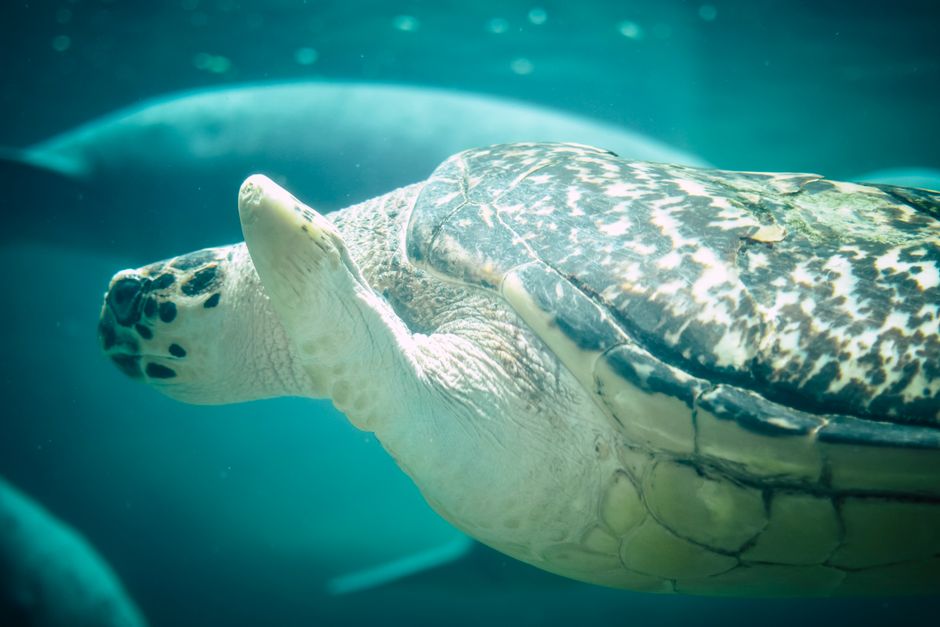
Hawksbill Sea Turtle Endangerment: What Happened
Learn the primary causes of hawksbill sea turtle endangerment, the history of the tortoiseshell trade, and how to protect them today.
 🦎Reptiles
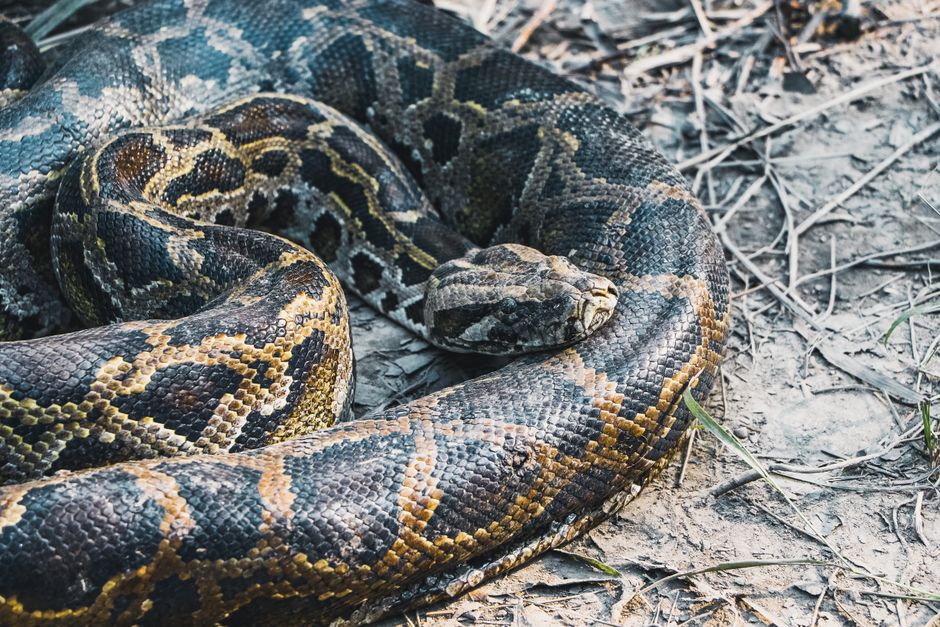
Longest Wild Snake Ever Found: A Record Python
A record-setting giant reticulated python discovered in Indonesia reveals how large wild snakes can grow in undisturbed rainforests.
 🦎Reptiles
Reptile Smuggling: Inside the Haneda Airport Bust
Japanese customs seized 200 lizards stuffed into socks at Haneda Airport, shining a light on illegal wildlife trafficking.