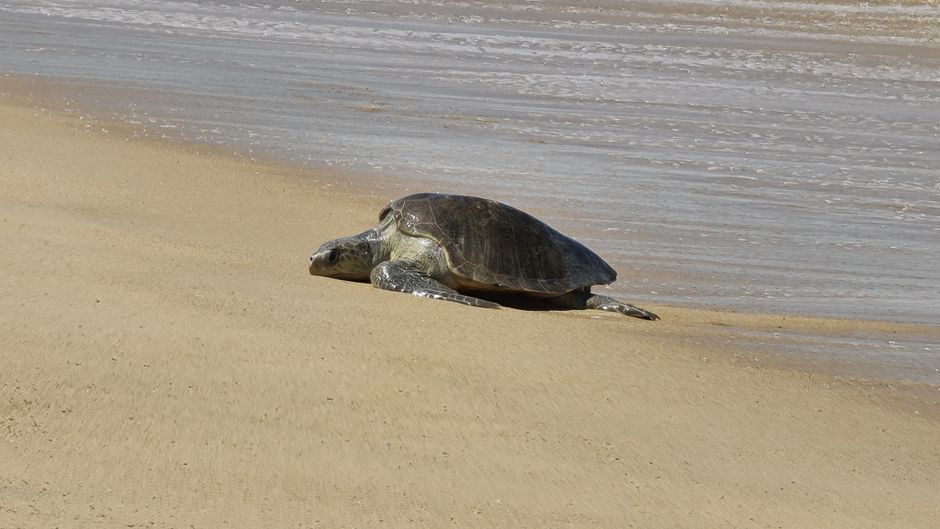
Olive Ridley Sea Turtle in California: Rare Nesting
Spotting an olive ridley sea turtle in California is an extraordinary event that immediately grabs the attention of marine biologists and reptile enthusiasts. An olive ridley sea turtle in California refers to the rare presence or nesting activity of this tropical marine reptile along the southern coastline of the state, far north of its typical nesting zones in Central America and Mexico. While individual turtles sometimes ride warm ocean currents north, seeing an adult female dig a nest on a local beach is nearly unheard of.
In late September, beachgoers in Seal Beach witnessed an adult female crawl out of the surf, haul herself up the sand, and deposit a clutch of eggs. Federal officials from NOAA Fisheries quickly confirmed the discovery. For reptile lovers and wildlife advocates, this surprise visit opens up fascinating questions about marine reptile behavior, shifting ocean patterns, and coastal wildlife rescue efforts.
Why Is an Olive Ridley Sea Turtle in California So Unusual?
An olive ridley sea turtle in California is unusual because this species relies almost exclusively on warm tropical and subtropical waters to feed and lay eggs. Southern California beaches feature cooler coastal waters and lower sand temperatures than the tropical nesting grounds these turtles need for successful natural incubation.
Most olive ridleys in the eastern Pacific nest in massive, synchronized gatherings called arribadas along the coastlines of Costa Rica, Nicaragua, and southern Mexico. During these events, thousands of females arrive at the exact same beach over several nights. A solitary turtle venturing hundreds of miles north to nest on a chilly, developed beach is an extreme departure from their normal life cycle.
Water temperature plays a major role in how reptiles function. Because marine turtles are ectothermic animals, prolonged exposure to cold Pacific currents can cause lethargy, cold-stunning, and digestive shutdown. When unusual warm-water pulses move up the Pacific coast, stray reptiles sometimes follow the warm currents past their usual geographical boundaries.
Typical Range and Nesting Habitats
Olive ridleys inhabit tropical regions of the Pacific, Atlantic, and Indian Oceans. They spend most of their lives in open ocean habitats, diving for crabs, shrimp, jellyfish, and small mollusks. Unlike green sea turtles that graze on seagrass beds near the shore, olive ridleys are nomadic pelagic foragers.
When it comes time to nest, these turtles seek out wide, soft sand beaches with high humidity and warm ambient temperatures. The sand must remain consistently warm throughout the incubation period for the embryos to develop. Because California beaches rarely maintain the sustained warmth required for tropical turtle eggs, nests laid here cannot hatch without direct human intervention.
What Happened During the Seal Beach Nesting Event?
During the Seal Beach nesting event, an adult female olive ridley emerged from the ocean, crawled past the high-tide line, and used her rear flippers to dig an egg chamber in the sand. Observers noticed the turtle in the evening and alerted local lifeguards and wildlife authorities, who secured the immediate area to prevent crowds from disturbing her.
Once the female finished depositing her clutch, she smoothed the sand over the nest with her shell and flippers before heading back into the surf. This entire process can take over an hour. While arribada nestings involve thousands of turtles moving at once, solitary nesting like this does happen occasionally in quieter corners of their home range.
NOAA Fisheries West Coast staff responded quickly to evaluate the site. Biologists verified the tracks, the nest site, and the species identification. Because the eggs faced low survival odds in the cool sand, trained conservation teams carefully excavated the nest to transport the eggs to a controlled facility. You can read more about how specialists handle these sensitive clutches in our guide on olive ridley sea turtle eggs.
What Threats Do Sea Turtle Nests Face on Busy Beaches?
Sea turtle nests on urban beaches face immediate threats from foot traffic, artificial lights, sand-cleaning machinery, and domestic predators. Without protection, a clutch laid on a popular public beach has almost no chance of surviving to the hatching stage.
Human activity reshapes the coastal environment in ways that disrupt wild reptiles. Artificial lighting from beachfront buildings and street lamps disorients both nesting females and emerging hatchlings, drawing them toward roadways instead of the ocean. In addition, heavily visited beaches are often compacted by tractors and crowds, which crushes egg chambers buried just beneath the surface.
- Foot traffic and beach umbrellas that can crush or pierce shallow egg chambers
- Off-leash dogs and scavenging wildlife like gulls, raccoons, and coyotes
- Nighttime light pollution that causes severe disorientation in marine hatchlings
- Sand compaction from daily grooming machinery and maintenance vehicles
- Unsuitable sand temperatures that halt natural embryo development
Anyone who keeps reptiles knows how sensitive eggs are to temperature, moisture, and handling. Any prospective pet parent must understand that wild marine turtles are strictly protected by law, and captive reptile keepers should always research a species full adult needs and legal status before acquiring any animal. Wild turtles belong in the ocean, and their nests require professional hands to navigate urban dangers.
How Wildlife Agencies Respond to Stray Marine Reptiles
Wildlife agencies respond to stray marine reptiles by cordoning off the area, monitoring the animal from a distance, and determining whether the eggs or turtle require rescue. Biologists prioritize reducing stress on the animal while keeping curious onlookers at a safe, respectful distance.
When an out-of-range turtle nests on a northern beach, wildlife officials coordinate with permitted marine research facilities. The eggs are gently removed without rotating them, placed into temperature-regulated incubators, and monitored around the clock. Once hatchlings emerge, biologists care for them until sea conditions are warm enough to release them into suitable offshore currents.
Southern California has seen a variety of tropical visitors in recent years when ocean currents shift. Warm water eddies occasionally carry other unusual species northward, including pelagic sea snakes. If you want to learn about similar occurrences along this coastline, check out our guide on venomous sea snakes in California to understand how marine animals react to changing coastal temperatures.
Final Thoughts
The arrival of an olive ridley sea turtle in California highlights the incredible adaptability of marine wildlife and the surprising encounters that can happen along our coastlines. Fast action by observant beachgoers and federal wildlife experts ensured that this rare clutch received the specialized care it needed to survive. Explore our other RarePetCare guides to discover more fascinating stories and expert care advice for unique reptiles and aquatic animals.
Frequently Asked Questions
Can olive ridley sea turtle eggs hatch naturally on California beaches?
No, Southern California sand temperatures are generally too cold to support the natural incubation process that olive ridley sea turtle eggs require.
Why do sea turtles travel so far north of their normal range?
Sea turtles follow shifting warm-water currents and offshore food supplies, which can push solitary animals far north of their traditional habitats.
What should you do if you find a sea turtle nesting on a public beach?
Keep a wide distance, avoid using flashlights or camera flashes, and call local wildlife authorities or NOAA Fisheries immediately.
Are olive ridley sea turtles considered an endangered species?
Yes, olive ridley sea turtles are classified as vulnerable globally and receive federal protection under the Endangered Species Act in the United States.
Explore More Reptiles Guides
 🦎Reptiles
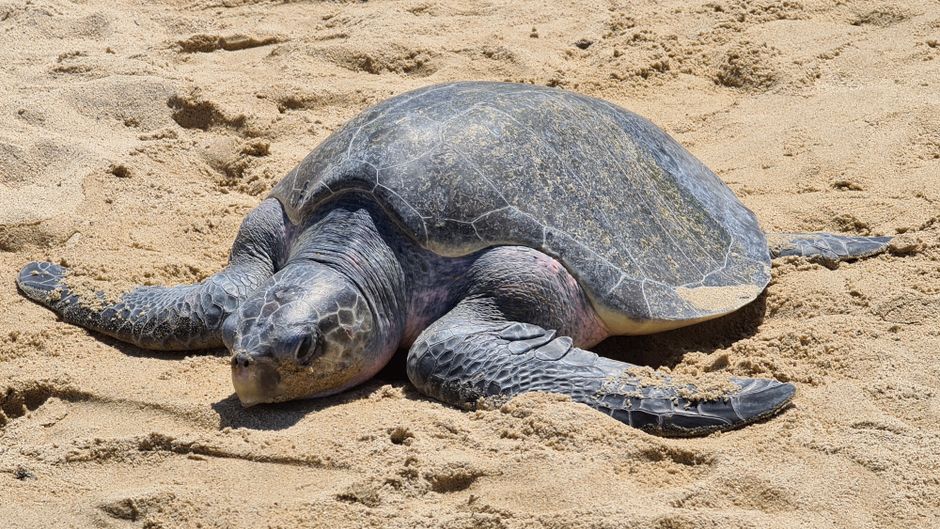
Olive Ridley Sea Turtle Eggs: Why Rescuers Move Them
Discover why wildlife experts relocate rare olive ridley sea turtle eggs when powerful ocean storms and high tides threaten coastal nests.
 🦎Reptiles
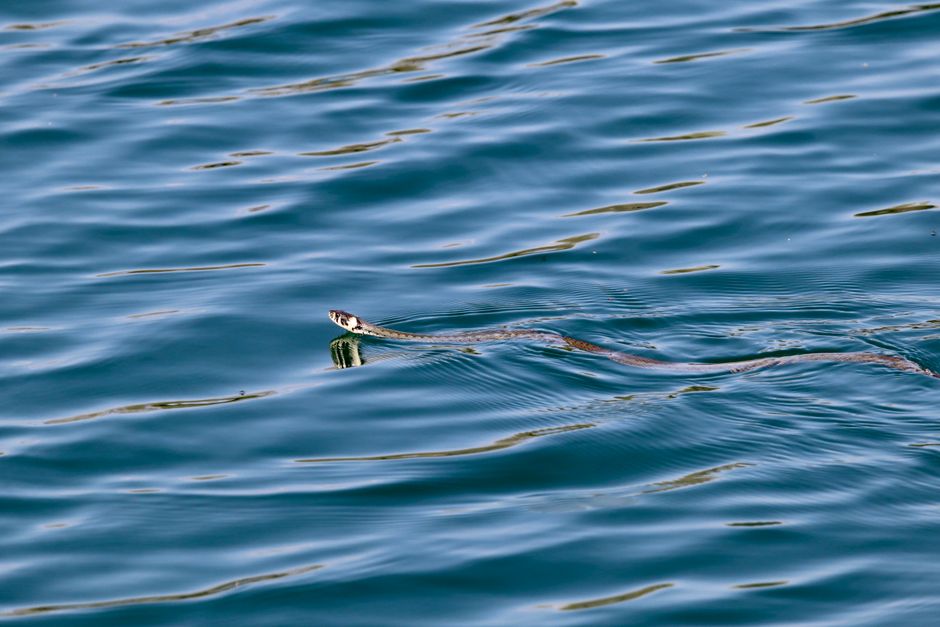
Venomous Sea Snakes in California: Why Are They Here?
Rare venomous sea snakes are washing up along the California coast. Learn why tropical marine reptiles travel north and how to stay safe.
 🦎Reptiles
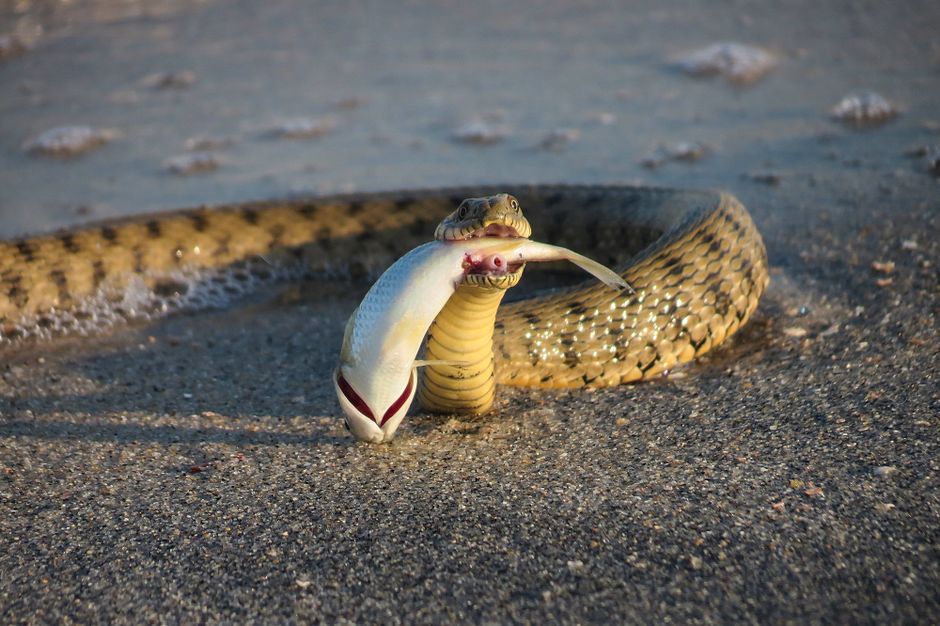
Cartwheeling Snake: How This Wild Reptile Escapes
Discover how the cartwheeling snake uses acrobatic rolls to escape predators at high speed in the tropical forests of Southeast Asia.