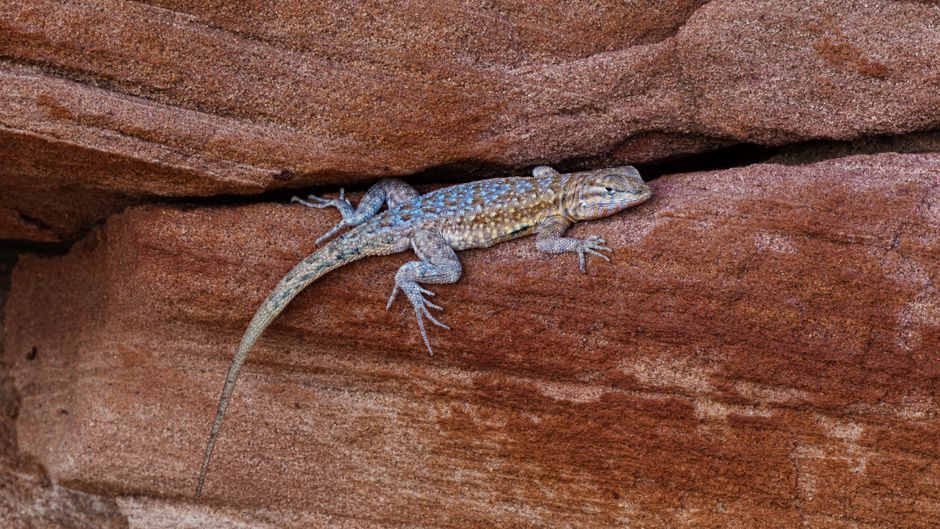
Dunes Sagebrush Lizard Protection Update: What You Need to Know
If you have been keeping an eye on updates regarding native North American reptiles, you might be asking about the dunes sagebrush lizard right now. Recent legal settlements have officially ended federal protections for this unique species, leaving many wildlife supporters wondering what happens next. Here is what you need to know about the current status and conservation efforts surrounding this native lizard.
What Happened To The Dunes Sagebrush Lizard Protections?
The federal protection status for the dunes sagebrush lizard recently ended following a legal settlement between the attorney general of Texas and the federal government. This agreement officially removed the lizard from its listed status under federal wildlife protections, altering how the species is managed at the federal level.
As part of the settlement terms, the United States Fish and Wildlife Service must reassess the status of the lizard to determine whether protections will be reinstated in the future. For wild populations, this change shifts immediate conservation oversight toward state policies and regional habitat agreements while the federal agency conducts its fresh review. Wildlife enthusiasts and environmental advocates are watching closely to see how local management plans adapt during this transition period.
Why The Status Is Being Reevaluated
Wildlife agencies reevaluate species listings when legal challenges occur or when new population reviews are mandated by judicial agreements. Reassessing the dunes sagebrush lizard allows experts to conduct updated field surveys and analyze current environmental data. This process helps determine if the species meets specific legal criteria for future federal listings based on modern scientific reviews.
Can You Keep A Dunes Sagebrush Lizard As A Pet?
No, you should not attempt to keep a wild dunes sagebrush lizard as a household pet. Wild populations of native lizards face unique survival challenges, and removing them from their natural habitat harms local ecosystems.
Native wild reptiles often have extremely specialized diets and thermal needs that are very difficult to recreate in home enclosures. If you are looking to bring a desert reptile into your home, it is always best to purchase a captive-bred species from a reliable breeder. Always consult an exotic-animal veterinarian for specific guidance when choosing a pet that suits your lifestyle. Taking time to research a species' full adult needs before buying ensures you can provide proper habitat and care. If you want to learn more about popular reptile pets, feel free to explore our reptiles section for detailed care guides.
What Does The Dunes Sagebrush Lizard Need To Survive In The Wild?
The dunes sagebrush lizard relies heavily on specialized sand dune ecosystems with native shrub cover to survive. These small lizards depend on loose sand for burrowing and native plants like shinnery oak for shade, shelter, and insect hunting.
Habitat disruption poses continuous challenges for wild desert reptiles. Without adequate plant cover, small lizards struggle to regulate their internal temperature during hot afternoon hours. Protecting undisturbed natural spaces remains the most effective way to help native populations maintain stable numbers without direct human intervention.
How Habitat Loss Affects Native Lizards
When native scrub vegetation is removed, wild lizards lose essential protection from intense heat and natural predators. The loss of plant cover also reduces local insect populations, which serve as the primary food source for native insectivores. Small changes in soil structure or plant health can quickly reduce the overall quality of a lizard's home territory.
How Can Reptile Enthusiasts Support Local Conservation Efforts?
Reptile enthusiasts can support local conservation efforts by participating in community science initiatives, supporting habitat preservation groups, and sharing accurate information about native species. Staying informed about wildlife policy changes helps animal lovers advocate for responsible habitat management.
Supporting regional conservation initiatives and reporting wild reptile sightings to local wildlife agencies helps researchers track population trends over time. Respecting wild animals by observing them from a distance and leaving them in their natural habitats is one of the best actions any pet owner can take. Responsible reptile stewardship extends beyond home terrariums to include protecting wild species in your local region.
Final Thoughts
Staying updated on legal developments regarding species like the dunes sagebrush lizard helps us understand how environmental policy impacts native wildlife. As the United States Fish and Wildlife Service works through its reassessment, supporting natural habitat preservation remains essential for local ecosystems. Responsible pet ownership and informed wildlife advocacy help ensure native reptiles continue to have a secure place in the wild.
Frequently Asked Questions
Where is the dunes sagebrush lizard naturally found?
The dunes sagebrush lizard is native to specific sand dune habitats in Texas and New Mexico. It relies on loose sand and native vegetation like shinnery oak for survival.
What agency oversees federal endangered species listings?
The United States Fish and Wildlife Service is responsible for evaluating and managing federal endangered species listings.
Why are wild desert lizards sensitive to habitat changes?
Desert lizards depend on specific plant cover and loose soil to regulate their body temperature and hide from predators. Removing native plants leaves them exposed to harsh weather and food shortages.
How can you tell if a pet reptile is captive-bred?
Reputable breeders and stores provide clear documentation showing that an animal was born in captivity. Captive-bred reptiles are generally healthier and better adapted to home care than wild-caught specimens.
Explore More Reptiles Guides
 🦎Reptiles
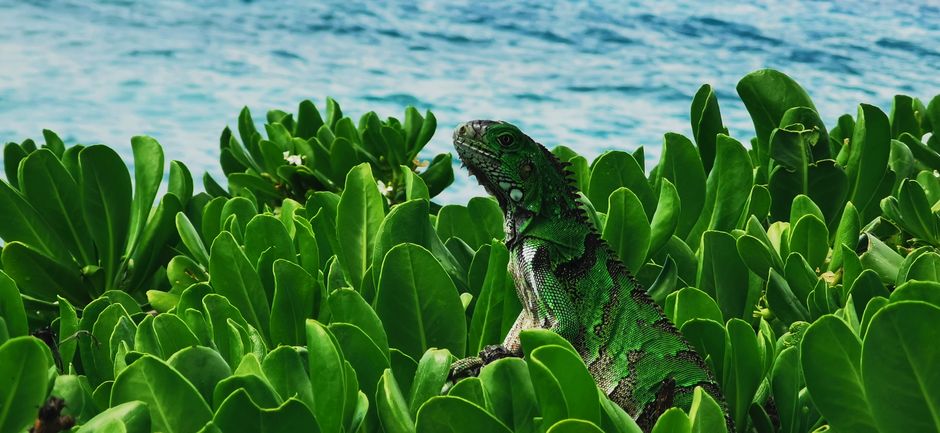
Marine Iguana: The Ocean-Feeding Lizard
Meet the marine iguana, the only lizard on Earth that dives into cold ocean waters to graze on underwater algae.
 🦎Reptiles
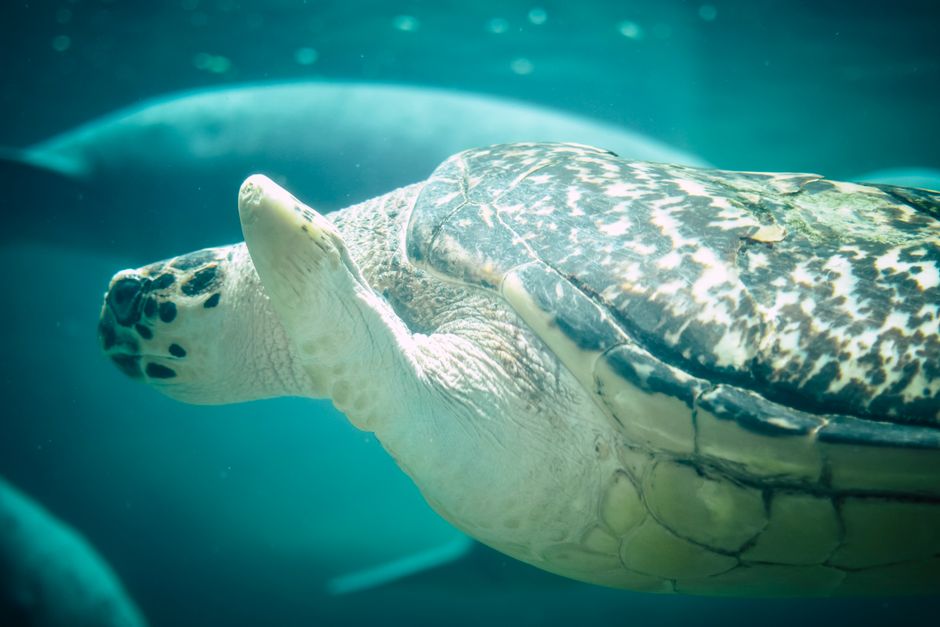
Hawksbill Sea Turtle Endangerment: What Happened
Learn the primary causes of hawksbill sea turtle endangerment, the history of the tortoiseshell trade, and how to protect them today.
 🦎Reptiles
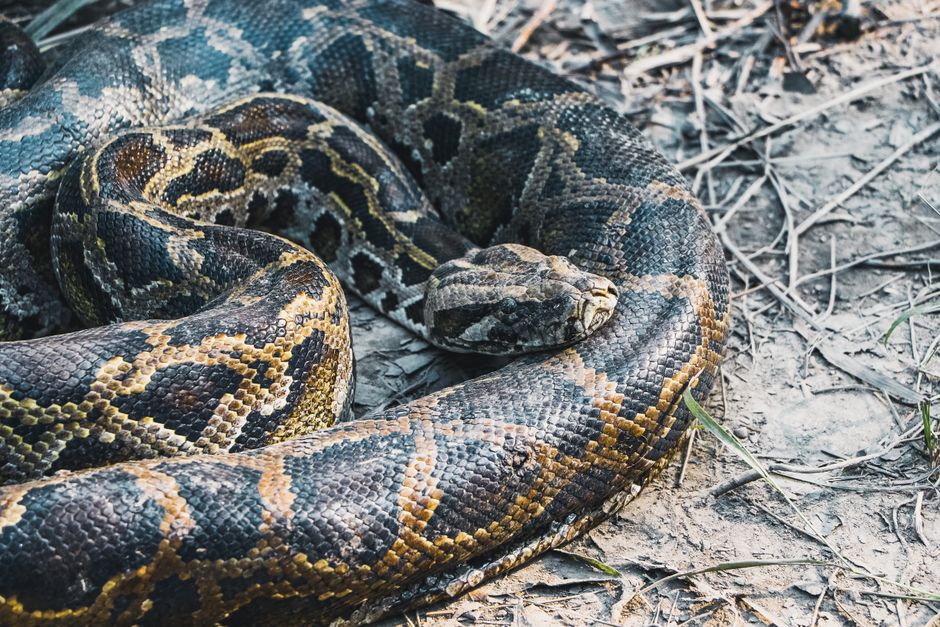
Longest Wild Snake Ever Found: A Record Python
A record-setting giant reticulated python discovered in Indonesia reveals how large wild snakes can grow in undisturbed rainforests.