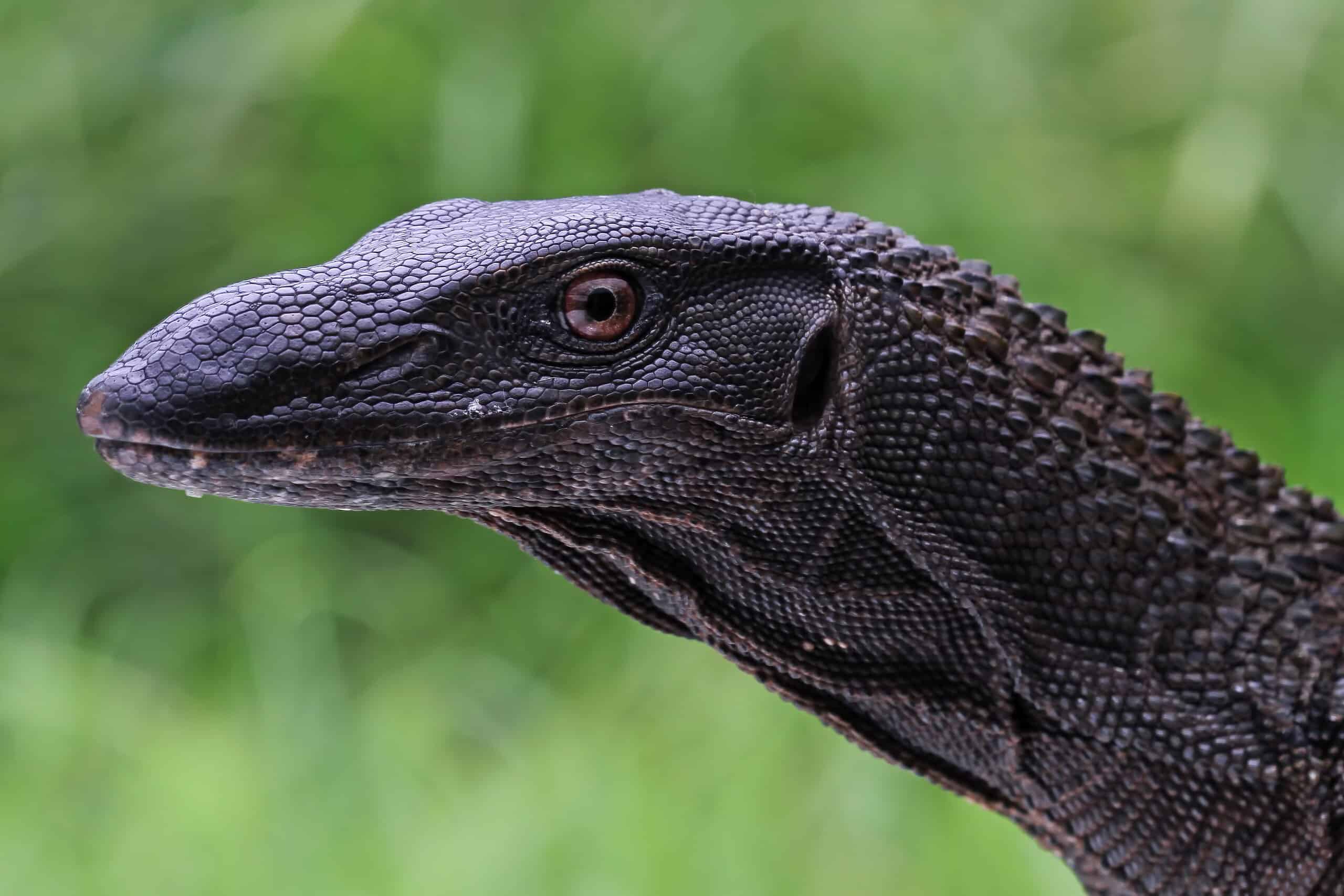
Escaped Monitor Lizard: How to Find and Secure Them
Few moments cause more immediate panic for a reptile parent than discovering an empty cage. An escaped monitor lizard refers to any captive monitor that slips past its barrier through structural failure, brute strength, or keeper error. These animals possess keen intelligence, sharp claws, and powerful muscles, making them exceptional escape artists. In Southern California, a five-foot black dragon water monitor named Phantom proved this point when he slipped out of a San Clemente shed on a Monday. In a surprising twist, his foster carer discovered the massive lizard scratching at the door on Thursday, actively trying to break back inside. While Phantom's story had a happy ending, handling a missing reptile requires quick thinking and a systematic search.
How Do Monitor Lizards Escape Enclosures?
Monitor lizards escape primarily by using their physical strength, sharp claws, and problem-solving skills to exploit loose latches, weak screen mesh, or warped framing. Unlike smaller reptiles that only exploit obvious gaps, a large water monitor can push against doors and test joints until something yields.
These lizards spend hours studying their territory. If a sliding track has slight play or a latch does not seat completely, the monitor will push, scratch, and wedge its snout into the seam. Over time, repeated pressure can pop open plastic latches, bend thin aluminum tracks, or loosen wooden framing.
Common Weak Points in Enclosures
Keepers often underestimate the mechanical force a fully grown monitor can generate. When setting up or inspecting housing, pay special attention to these vulnerable areas:
- Sliding glass panels that can be pushed sideways with claws or wedged open with a snout.
- Thin wire mesh or standard window screening that tears under heavy reptile claws.
- Exterior access doors that lack a secondary security latch or padlocked slide bolt.
- Ventilation cutouts that are fastened with staples or light adhesive rather than heavy bolts.
- Gaps around plumbing fixtures, drainage lines, or misting systems that expand when pushed.
Checking these trouble spots during your weekly maintenance routine prevents structural failures before they happen. Always test locks by pulling firmly from the inside position to verify they hold tight.
Where Do Escaped Monitor Lizards Usually Hide?
An escaped monitor lizard will seek out warm, quiet, and sheltered microclimates such as crawl spaces, beneath storage sheds, inside thick garden brush, or behind heat-producing household appliances. Because reptiles depend on external heat sources to function, their immediate movement is dictated by temperature and security.
If the escape happens indoors, check behind the refrigerator, under laundry appliances, and around water heaters first. These spots provide both the dark seclusion monitors crave and the ambient warmth they need to keep their core temperature up. Sofas, closets, and spaces under low furniture are also common indoor resting spots.
When an escape happens outdoors, the search area changes quickly. Water monitors are agile climbers and strong swimmers. They often head toward garden ponds, drainage culverts, low tree branches, or dense ground cover like ivy. During the hottest part of the day, an escaped monitor lizard might bask openly on concrete, rock walls, or patio stones before retreating to thick shade once warm.
What Should You Do Immediately After a Monitor Escapes?
If your monitor lizard escapes, immediately seal off all room exits, notify your immediate neighbors, and set up designated basking and feeding stations to lure the animal back. Staying organized and calm during the first hour dramatically improves your chances of locating the animal quickly.
Start by restricting the potential search radius. If the animal was housed indoors, shut every interior door, close toilet lids, and slide towels beneath door cracks to contain the reptile to a single room. If the escape occurred from an outdoor shed or backyard enclosure, check the perimeter fence for burrowing holes or open gates before expanding your search.
When tracking an escaped monitor lizard, avoid bringing out groups of loud searchers right away. Heavy foot traffic and shouting will frighten the animal, driving it deeper into hiding or up into tree canopies where spotting it becomes much harder. Walk slowly, listen carefully for rustling leaves or shifting debris, and check dark crevices with a bright flashlight.
It is also wise to prepare for potential safety risks during recovery. Large monitors have powerful jaws, sharp teeth, and heavy tails that can whip defensively when the animal feels threatened. Always keep heavy leather handling gloves and a large transport bin nearby. Never corner a stressed lizard with bare hands. As an important welfare rule, pet parents must thoroughly research adult sizes, space demands, and handling requirements before bringing home giant monitors. Unlike low-maintenance species covered in our crested gecko care guide, giant monitors demand specialized handling gear and heavy enclosures built for powerful predators.
Why Would an Escaped Monitor Lizard Try to Return?
An escaped monitor lizard will often attempt to return because its captive enclosure represents a secure, predictable source of warmth, familiar territory, and food that the wild environment does not offer. While wild surroundings seem inviting at first, unfamiliar terrain quickly becomes stressful for a captive-bred or long-term captive reptile.
This behavior was clear in the case of Phantom, the five-foot black dragon water monitor in San Clemente. After spending three days wandering the neighborhood, he returned to his home shed on his own accord. His foster carer spotted him actively trying to push his way back into the warm, secure building he had escaped from earlier that week.
Captive monitors associate their enclosures with survival resources. Outside, temperatures drop at night, predatory animals like dogs or coyotes create constant danger, and water is not always easy to find. Once the initial novelty wears off, a monitor will frequently retrace its scent trail back to its primary basking site and feeding station. Placing familiar hide boxes and warm food dishes near the enclosure entrance can encourage this exact homing behavior.
How Can You Secure an Enclosure to Prevent Future Escapes?
To secure a monitor lizard enclosure against future escapes, install heavy-gauge steel hardware cloth, use double-entry door systems, and secure every access hatch with keyed padlocks or locking hasps. Routine wood screws and friction latches are simply not strong enough to hold an adult monitor long term.
If you keep a monitor in an outdoor shed or custom room, create a two-door vestibule at the entrance. This airlock design ensures that even if the lizard slips past the first door while you are cleaning or feeding, it remains trapped in a small entryway rather than reaching the open yard.
Reinforce all structural materials to withstand daily wear and moisture. Water monitors produce high humidity, which can soften wooden framing and rust cheap fasteners over time. Use marine-grade sealants, heavy aluminum angle iron, and thick acrylic panels instead of lightweight plastic. Regularly inspect the entire perimeter for signs of persistent scratching or claw marks, which indicate that your lizard has found a weak spot it intends to test again.
Final Thoughts
Dealing with an escaped monitor lizard is one of the most stressful challenges an exotic reptile owner can face. By understanding their need for warmth, securing weak structural points, and remaining patient during searches, you can safely bring your companion home. Take time today to inspect your latches and enclosure walls, and explore our other RarePetCare guides to keep your exotic pets healthy and safe.
Frequently Asked Questions
Are escaped water monitors dangerous to humans?
Water monitors generally avoid humans and prefer to flee, but they can deliver painful bites and tail whips if cornered or restrained.
How long can an escaped monitor lizard survive outside?
A monitor can survive for several weeks or months outside during warm weather, but prolonged exposure to freezing or chilly temperatures will quickly prove fatal.
What bait works best to trap an escaped monitor?
Strongly scented protein foods like warm cooked egg, canned fish, or whole thawed rodents work best to lure a hungry monitor into a live trap.
Should I call animal control if my pet monitor lizard escapes?
Yes, notifying local animal control and exotic rescues helps ensure your pet is safely identified and returned rather than mistaken for an invasive threat.
Explore More Reptiles Guides
 🦎Reptiles
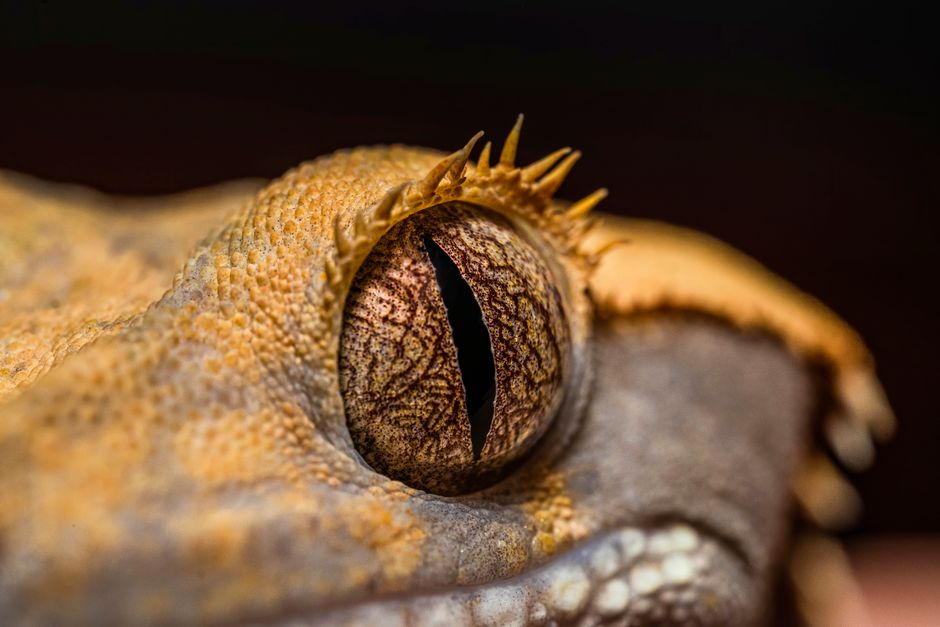
Crested Gecko Care for Beginners: Simple Step-by-Step Guide
Master crested gecko care for beginners with easy tips on vertical terrariums, powdered diets, misting schedules, and safe handling.
 🦎Reptiles
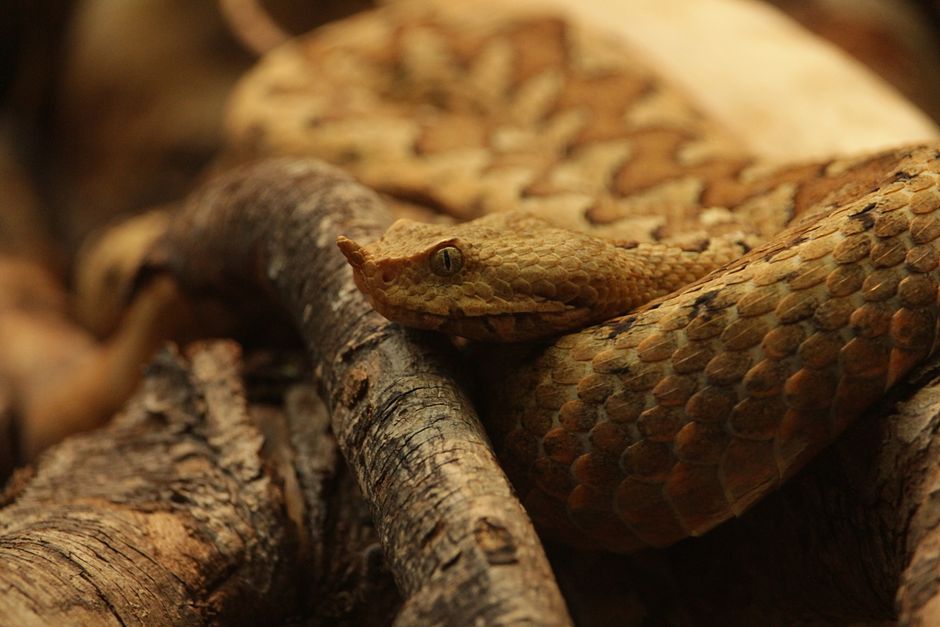
Field Herping in Borneo: Wild Reptile Guide
Plan your adventure with our complete guide to field herping in Borneo and discover rare endemic reptiles in ancient rainforests.
 🦎Reptiles
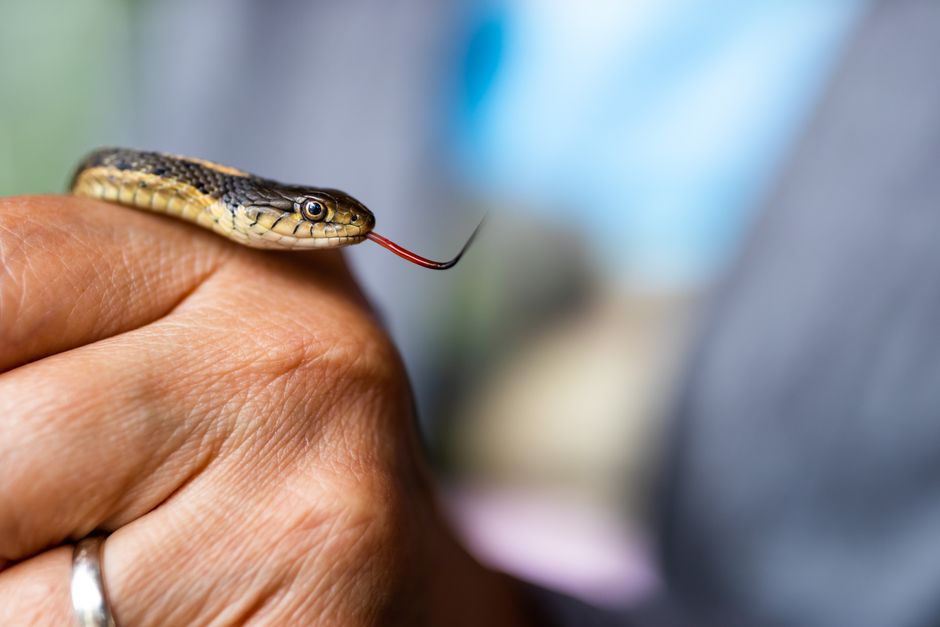
San Francisco Garter Snake: Wild Release and Care
Discover the vibrant San Francisco garter snake, recent captive releases in California, and proper care for captive garter snakes.