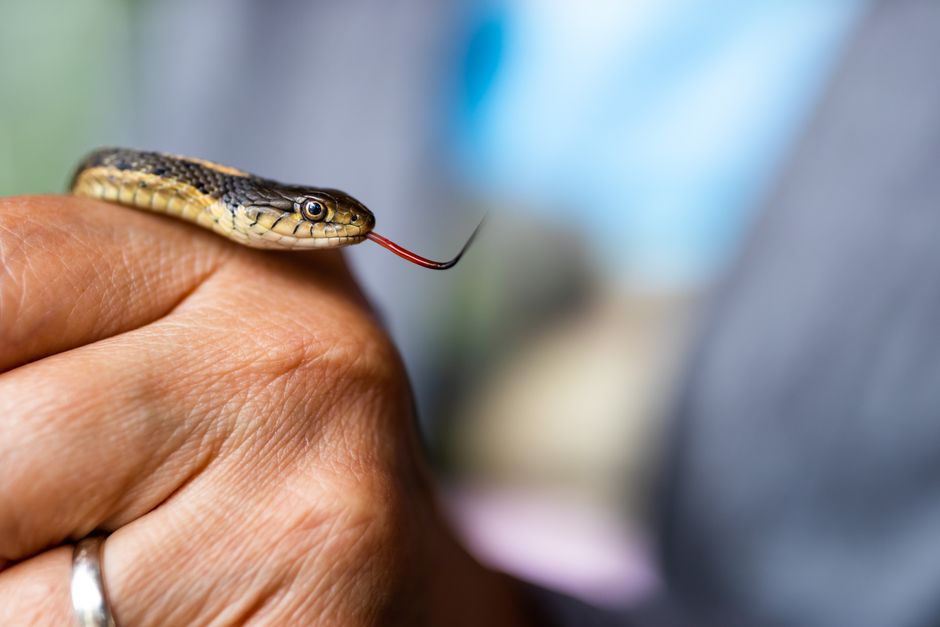
San Francisco Garter Snake: Wild Release and Care
The San Francisco garter snake is one of the most striking reptiles in North America, celebrated for its brilliant turquoise belly and scarlet racing stripes. This colorful serpent lives only along a narrow coastal strip south of San Francisco and was among the first animals placed under the protection of the federal Endangered Species Act. Seeing captive-bred individuals return to their ancestral marshlands offers a genuine beacon of hope for reptile enthusiasts and conservationists alike.
For reptile lovers, understanding this animal provides a window into both wild ecology and responsible captive keeping. Here is what makes this serpent unique, how conservation releases function, and what pet parents need to know about keeping non-endangered garter snakes in domestic terrariums.
What makes the San Francisco garter snake so rare?
The San Francisco garter snake is exceptionally rare because its native distribution is restricted to San Mateo County and a tiny pocket of northern Santa Cruz County. Unlike wide-ranging colubrids that adapt to diverse environments, this serpent depends heavily on specific freshwater marshes, spring-fed ponds, and surrounding coastal uplands. When human housing and roadways expanded across the peninsula throughout the twentieth century, these delicate wetland corridors vanished rapidly.
Today, only fragmented patches of ideal habitat remain. These snakes spend warm summer months hunting around shallow aquatic vegetation. In winter, they retreat into upland rodent burrows to stay dry and avoid cold snaps. When roads and subdivisions separate these two landscapes, snakes get hit by vehicle traffic or trapped in unsuitable areas during their seasonal migrations.
Primary threats to coastal populations
Habitat loss is not the only challenge this colorful reptile faces. The local food web has also suffered substantial disruption. The primary diet of the San Francisco garter snake consists of native amphibians, particularly the California red-legged frog and the Pacific tree frog.
- Invasive American bullfrogs have spread through local waterways, competing with native frogs and actively eating young garter snakes.
- Agricultural runoff and pesticide contamination degrade water quality, reducing amphibian egg survival and leaving snakes without prey.
- Historic over-collection by commercial poachers in the mid-twentieth century drove wild counts to dangerously low numbers before federal protections began.
- Severe coastal droughts reduce seasonal ponds to dry mud, eliminating hunting grounds before juvenile snakes finish growing.
Can you legally keep a San Francisco garter snake as a pet?
You cannot legally buy, sell, or keep a pure San Francisco garter snake as a private pet in the United States without specialized scientific research permits. Both federal legislation and California state wildlife laws classify this subspecies as fully endangered, making private possession a criminal violation. While captive collections exist in European zoos and private European hobby groups, domestic pet parents in the United States must enjoy them through education and field observation.
Always research the legal status and adult requirements of any exotic reptile before purchasing one from an expo or breeder. Many closely related garter snakes are completely legal, captive-bred, and widely available. Choosing an accessible species ensures you follow wildlife laws while keeping native populations safe from poaching pressure.
Reptile keepers who love the vibrant colors of this serpent often choose legal alternatives. Red-sided garter snakes, California red-sided garter snakes, and eastern garter snakes display stunning patterns without legal complications. These legal varieties possess the same curious personality, active daytime habits, and communal tendencies that make the genus popular among reptile hobbyists.
How captive breeding and release programs help wild snakes
Captive breeding programs help endangered snakes by raising neonates through their most vulnerable life stage before reintroducing them into safe, restored habitat. In the wild, baby garter snakes suffer high mortality rates from birds, bass, bullfrogs, and small mammals. Raising young snakes in specialized breeding facilities shields them from predation until they reach a hardy size with high survival odds.
A major milestone occurred when conservation teams released 62 captive-raised San Francisco garter snakes into carefully managed wild habitats. Biologists spent years restoring wetlands, removing invasive predators, and planting native vegetation to ensure the release site could support the new arrivals. Each snake underwent thorough health screenings to guarantee no captive pathogens entered the local ecosystem.
This reintroduction strategy mirrors other successful global initiatives, such as the historic broad-headed snake release efforts used to rebuild vulnerable populations in Australia. When field teams combine predator control with targeted captive releases, reptile colonies can rebound in areas where they previously disappeared. Protecting native nesting sites along the Pacific coast, similar to ongoing work with sea turtle eggs in California, demonstrates how dedicated intervention protects regional biodiversity.
What do legal pet garter snakes need to thrive?
Legal pet garter snakes need a secure glass terrarium with moderate temperatures, full-spectrum lighting, clean drinking water, and a diet of appropriately sized whole prey. Because garter snakes are diurnal, they explore their habitat throughout the day and display far more visible activity than nocturnal constrictors. Setting up a naturalistic vivarium allows them to climb, forage, and bask just as they would along a marsh edge.
Creating the right enclosure layout keeps your pet healthy and prevents unnecessary stress. Garter snakes are slender and remarkably nimble, so escape-proofing the terrarium is your first priority.
- Enclosure size: A standard long glass terrarium with a locking screen lid works well for an adult single snake or a compatible pair.
- Substrate: Aspen shavings, coconut husk fiber, or cypress mulch allow for natural burrowing behavior without raising humidity too high.
- Thermal gradient: Provide a warm basking area around the high eighties in degrees Fahrenheit on one side, with a cool retreat in the mid-seventies on the other.
- Water dish: Use a sturdy, shallow water bowl large enough for soaking, and change the water daily to prevent bacterial buildup.
- Hiding spots: Place at least two secure hides in the enclosure, positioning one in the warm zone and one on the cool end.
Feeding and general health management
Feeding pet garter snakes requires a balanced approach. In the wild, they hunt small fish, earthworms, frogs, and slugs. In captivity, the safest and most nutritious staple food consists of thawed frozen pinky or fuzzy mice. Rodents provide balanced calcium and vitamin ratios without the risk of parasites found in wild-caught amphibians.
If your snake prefers aquatic scents, you can offer whole feeder fish, but choose carefully. Avoid goldfish and wild minnows, which contain thiaminase, an enzyme that destroys vital vitamin B1 in your snake over time. Safe choices include feeder guppies, platies, or small pieces of fresh tilapia dusted with a reptile vitamin supplement. If your snake shows signs of lethargy, respiratory wheezing, or feeding refusal, consult an exotic-animal veterinarian for practical diagnostic guidance.
Final Thoughts
The San Francisco garter snake stands as a living reminder of the beauty native reptiles bring to our natural world and the critical need for habitat conservation. Learning how dedicated wildlife teams raised and returned 62 of these serpents to the wild shows that recovery is always possible with proper resources. Explore our other RarePetCare guides to learn more about responsible exotic reptile ownership and native wildlife care.
Frequently Asked Questions
Why is the San Francisco garter snake endangered?
The species suffered severe population declines due to urban development destroying its coastal wetlands, along with threats from invasive bullfrogs and historic poaching.
Where does the San Francisco garter snake live in the wild?
This snake lives exclusively in San Mateo County and a small part of northern Santa Cruz County along the central coast of California.
Can common garter snakes live together in captivity?
Yes, many non-aggressive garter snake species tolerate communal housing if they are similar in size and given ample space, hides, and food.
What should pet garter snakes eat?
Pet garter snakes thrive on appropriately sized thawed frozen mice, supplemented occasionally with safe thiaminase-free fish like guppies or clean earthworms.
Explore More Reptiles Guides
 🦎Reptiles
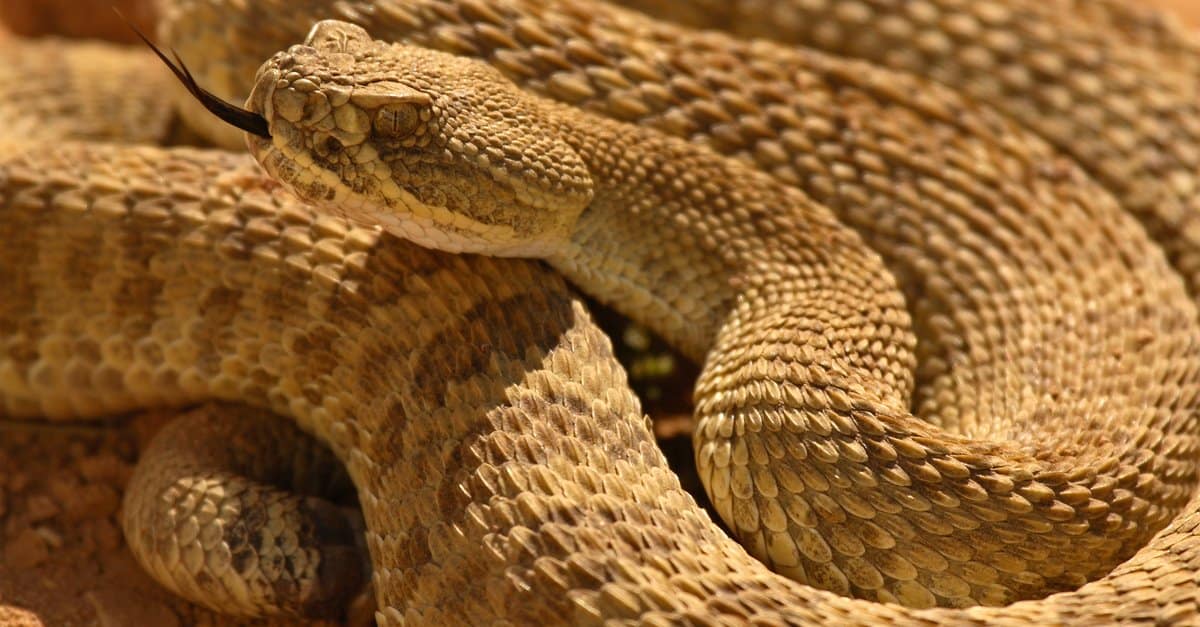
Rattlesnake Mega Den: What Happens Deep Underground?
Thousands of prairie rattlesnakes gather in a Colorado mega den each fall before vanishing into deep underground rock cracks for winter.
 🦎Reptiles
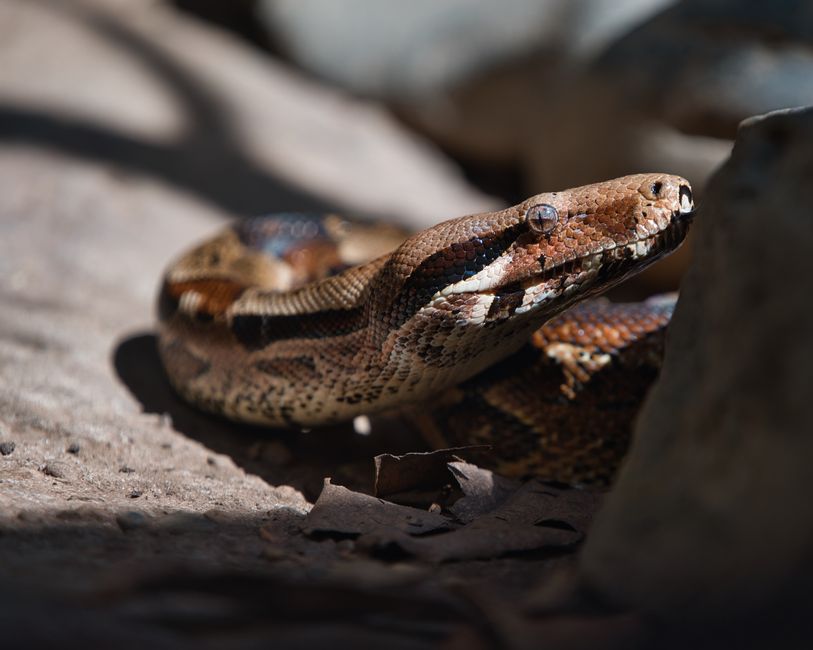
Broad-Headed Snake Release: Saving an Australian Icon
A historic broad-headed snake release in Australia provides vital hope for a threatened elapid and teaches big lessons about reptile care.
 🦎Reptiles
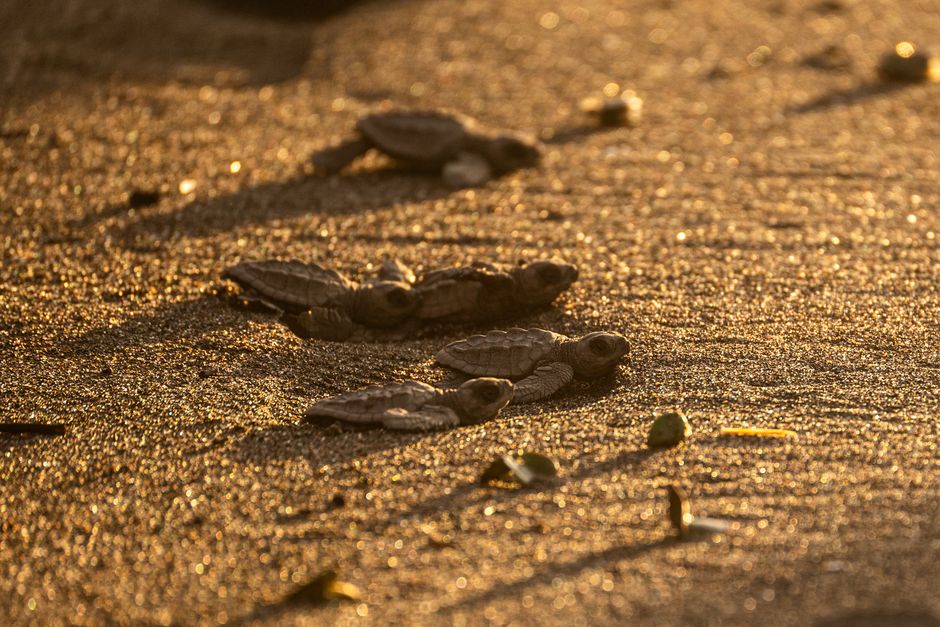
Sea Turtle Eggs in California: The Rare Hatching Story
Rare olive ridley sea turtle eggs laid on Southern California beaches have hatched after receiving specialized care in Long Beach.