Field Herping in Borneo: Wild Reptile Guide
Field herping in Borneo gives wildlife enthusiasts a chance to observe some of the rarest reptiles and amphibians on the planet. Field herping in Borneo means searching for wild reptiles and amphibians across the world's third-largest island, which is split between Malaysia, Indonesia, and Brunei. Its ancient tropical rainforests shelter hundreds of unique species found nowhere else on Earth.
For reptile keepers and pet parents, seeing these animals in their native habitats offers priceless lessons in animal behavior, microclimates, and natural biology. Observing how a wild lizard rests on moist bark or how a pit viper coils on a branch can transform how you view captive reptile care at home.
What Makes Field Herping in Borneo So Special?
Field herping in Borneo is unique because its rainforests have stood for millions of years, allowing hundreds of endemic reptile and amphibian species to evolve undisturbed. The island features extraordinary biodiversity across its lowland jungles, coastal mangroves, peat swamps, and mist-covered mountain slopes.
Borneo is divided among three sovereign countries: Malaysia, Indonesia, and the nation of Brunei. Because the island remained isolated for vast geologic eras, many resident species developed strange adaptations. You can find gliding tree frogs, earless monitor lizards, and arboreal pit vipers that blend perfectly into mossy canopy branches.
Field herpers frequently travel from across the globe just to witness these animals in the wild. While captive bred pets teach us plenty, nothing compares to watching a reptile interact with its true wild environment. These observations remind us that every captive species has complex environmental needs shaped by thousands of generations in dense forest cover.
Which Reptiles and Amphibians Can You Find in Borneo?
You can find hundreds of species in Borneo, ranging from massive reticulated pythons and bright green pit vipers to tiny litter frogs and bizarre endemic lizards. The forest understory and waterways offer endless opportunities for daytime and nighttime searches.
Among the most famous finds is the Bornean earless monitor lizard. This rare, semi-aquatic reptile spends much of its life burrowing along clean forest streams. You can also spot horned frogs that resemble fallen leaves, gliding lizards that sail between trees, and cat geckos walking slowly along low foliage.
Vipers and Arboreal Snakes
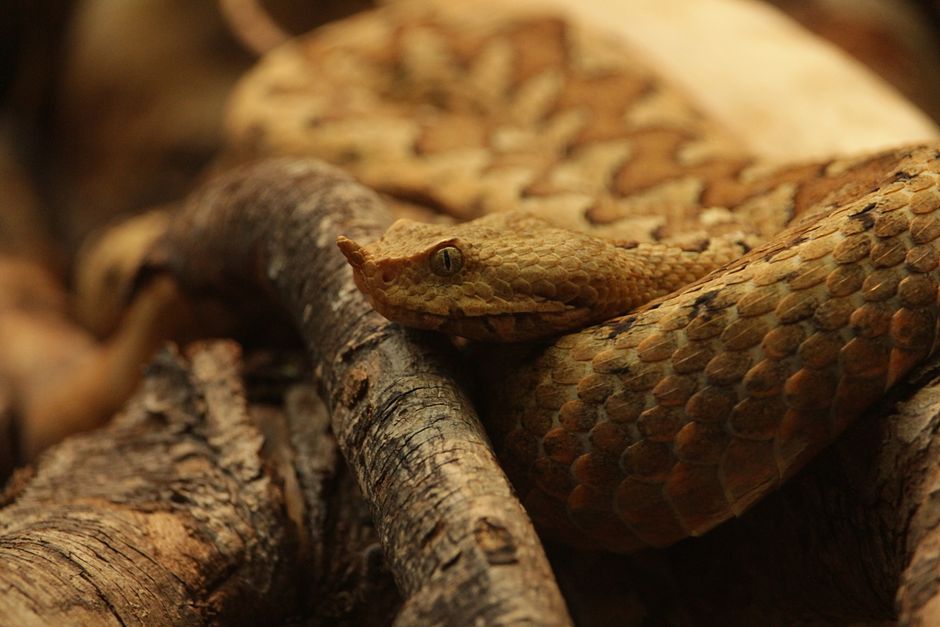
Borneo is famous for its arboreal pit vipers, including Wagler's pit viper and the Bornean keeled pit viper. These snakes are ambush hunters that spend hours coiled motionlessly on branches above forest trails or near jungle streams. Seeing wild vipers is thrilling, similar to reading about hidden snake colonies like the rattlesnake mega den formations found in North America. Unlike ground-dwelling vipers, Bornean species have prehensile tails that anchor them securely to thin twigs while they wait for prey.
Endemic Frogs and Lizards
Frogs dominate the night sounds in Borneo. Tree frogs gather near pooled water along forest paths, while river toads perch on slick boulders in fast-moving water. Meanwhile, day-active lizards like anglehead dragons cling vertically to saplings, relying on cryptic coloration to avoid predators like raptors and civets.
What Gear Do You Need for Borneo Rainforest Herping?
You need high-output headlamps, breathable quick-dry clothing, sturdy waterproof boots, and specialized snake tongs or hooks to herp safely in Borneo. The high humidity and dense terrain demand dependable gear that withstands heavy rain and mud.
Preparing your pack before heading into the jungle makes the difference between an exhausting trip and a rewarding journey. Moisture is your biggest challenge, so waterproof dry bags for your electronics and cameras are essential.
- High-lumen headlamp with extra rechargeable batteries for night walks.
- Knee-high rubber boots or rugged hiking boots paired with leech socks.
- Lightweight, breathable long-sleeve shirts and pants to protect against insects and thorny vines.
- A sturdy snake hook for gently lifting ground debris without using bare hands.
- A camera with a macro lens and external flash to document your finds without getting too close.
Always pack clean drinking water, electrolyte tablets, and a compact first aid kit. Jungle trails can be disorienting in the dark, so a handheld GPS unit or an experienced local field guide is vital for every night hike.
How Do You Practice Safe and Ethical Field Herping?
Safe and ethical field herping requires never touching venomous species, putting every turned log back in its original position, and maintaining a respectful distance from wildlife. Responsible field herpers leave the habitat exactly as they found it so resident animals continue to thrive.
Always remember that wild animals are not pets. Unlike captive reptiles, wild specimens endure intense stress when handled by humans. Flash photography should be kept to a minimum so you do not blind nocturnal animals that rely on sharp vision to hunt and evade danger.
Conservation ethics matter just as much as personal safety. Many Bornean species face steep population drops due to habitat loss and illegal collection for the pet trade. Supporting wild conservation initiatives, much like the targeted efforts seen in the broad-headed snake release program in Australia, helps keep vulnerable reptiles safe in their native ranges.
Before you ever consider bringing any exotic reptile into your home, always research a species' full adult needs and legal status, and make sure you have access to a qualified exotic-animal veterinarian. Wild reptiles belong in the wild, and wild populations must be protected from poaching.
What Should You Expect During a Night Walk in Borneo?
During a night walk in Borneo, you should expect thick humidity, loud choruses of calling frogs, and active nocturnal wildlife appearing around water sources. Most Bornean reptiles and amphibians sleep during the day and only emerge once the sun drops and temperatures cool.
Night herping requires patience and a sharp eye. You will often scan leaves, branches, and stream banks inch by inch with your flashlight beam. Eye shine from geckos, spiders, and sleeping birds will catch your light from high in the trees.
Walking slowly is the secret to finding cryptic species. If you rush down a jungle trail, you will walk right past camouflaged vipers and tree lizards that sit completely still. Take frequent pauses, listen for moving water, and examine both the ground litter and the branches overhead.
Final Thoughts
Field herping in Borneo is an unforgettable journey that reveals the stunning natural history of ancient rainforest reptiles. By respecting local habitats and viewing these remarkable animals with care, you help protect one of the world's greatest biodiversity hotspots. Check out more RarePetCare guides to learn about fascinating reptile species, wild habitats, and responsible animal care.
Frequently Asked Questions
What is the best time of year for herping in Borneo?
The rainy season, typically running from November to March, offers the highest amphibian and reptile activity across Borneo.
Do you need a guide to go herping in Borneo?
Yes, hiring a licensed local guide is strongly recommended for safety, navigation, and finding cryptic wildlife in protected national parks.
Are there dangerous venomous snakes in Borneo?
Yes, Borneo is home to highly venomous pit vipers, cobras, and kraits, so you should never touch or harass wild snakes.
Can you legally keep wild reptiles found in Borneo as pets?
No, collecting wild reptiles in Borneo is illegal, and wild animals should never be removed from their natural habitats.
Explore More Reptiles Guides
 🦎Reptiles
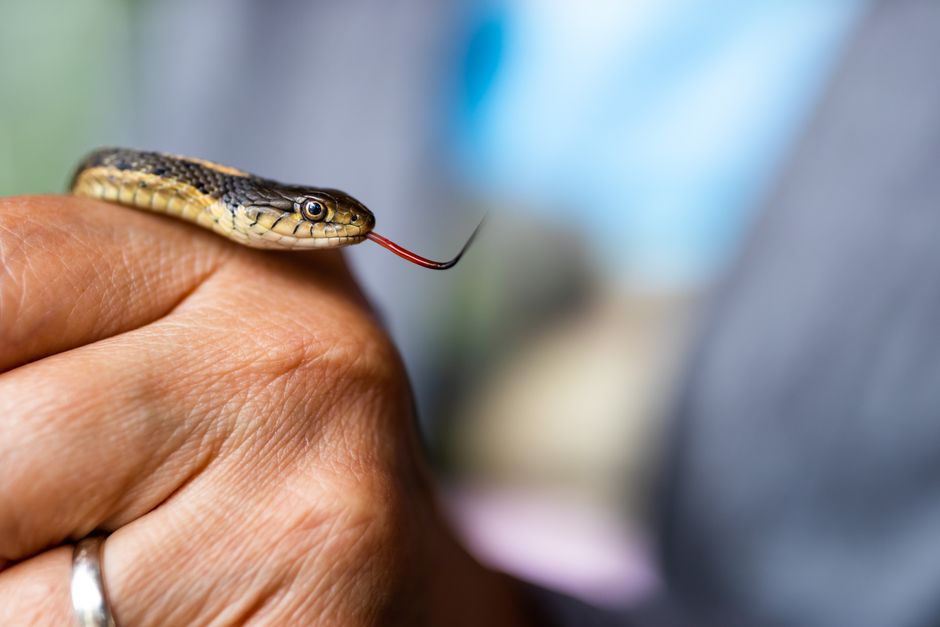
San Francisco Garter Snake: Wild Release and Care
Discover the vibrant San Francisco garter snake, recent captive releases in California, and proper care for captive garter snakes.
 🦎Reptiles
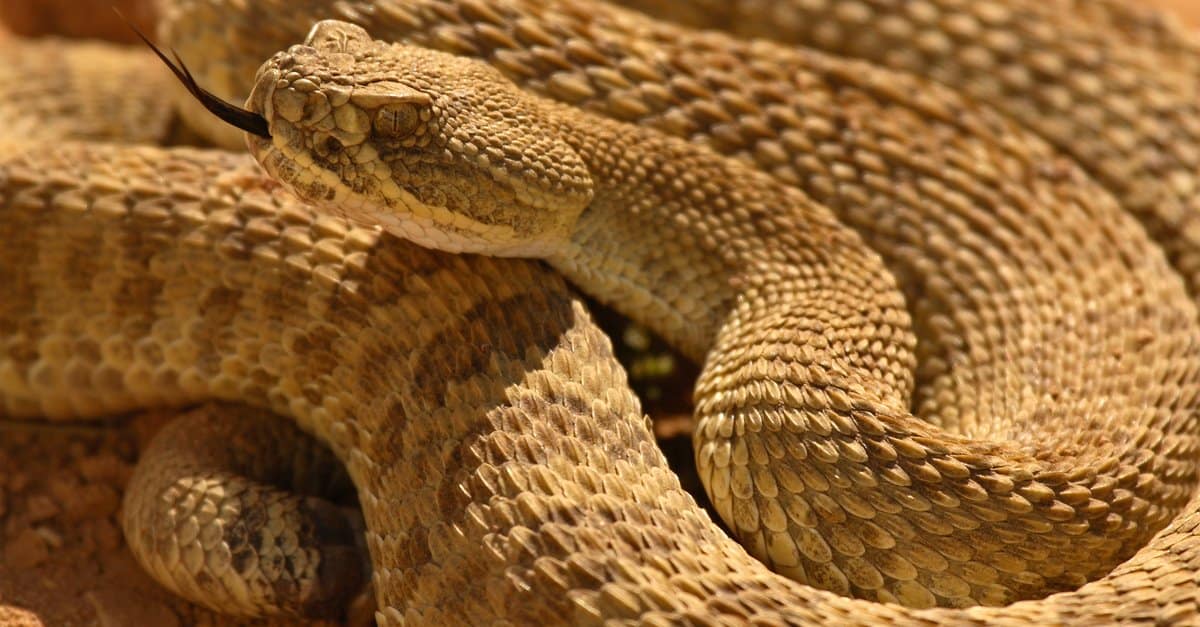
Rattlesnake Mega Den: What Happens Deep Underground?
Thousands of prairie rattlesnakes gather in a Colorado mega den each fall before vanishing into deep underground rock cracks for winter.
 🦎Reptiles
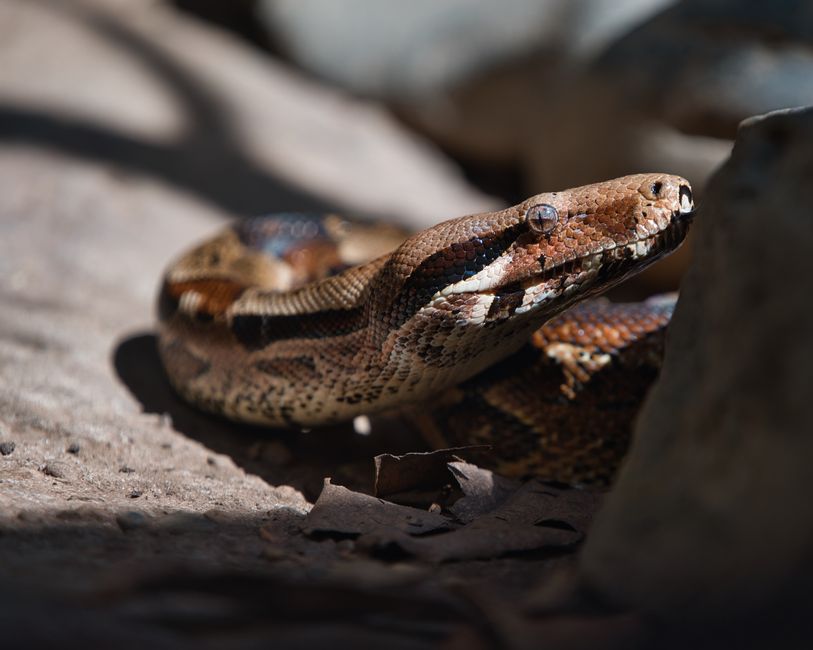
Broad-Headed Snake Release: Saving an Australian Icon
A historic broad-headed snake release in Australia provides vital hope for a threatened elapid and teaches big lessons about reptile care.