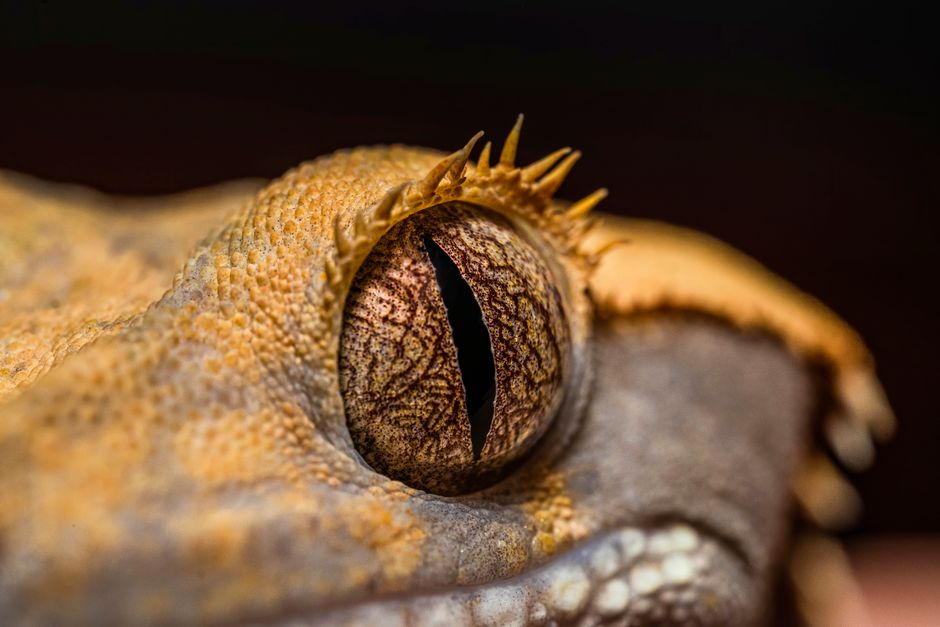
Crested Gecko Care for Beginners: Simple Step-by-Step Guide
Are you looking for an easy, rewarding reptile companion? Crested gecko care for beginners centers on three simple pillars: providing a tall vertical terrarium, misting daily to maintain moderate humidity, and feeding a nutritionally complete powdered fruit diet mixed with water. These calm, arboreal lizards thrive at typical indoor room temperatures without needing complex basking bulbs, making them one of the best first-time reptiles.
Bringing home your first crestie is an exciting milestone. With their velvety skin, comical eyelash crests, and gentle nature, they quickly become household favorites. To help you get everything right from day one, here is a practical walkthrough of their essential daily needs.
What Enclosure Size Does a Crested Gecko Need?
An adult crested gecko needs a vertically oriented enclosure that measures at least twenty gallons, with plenty of height for climbing. Because these lizards spend nearly all their lives off the ground, vertical space matters far more than floor area. A front-opening glass terrarium gives you easy access for feeding and cleaning without startling your pet from above.
Young hatchlings or very small juveniles should start in a smaller space first. Placing a tiny baby gecko directly into a huge adult enclosure can make it difficult for them to locate their food bowls and water droplets. A smaller starter tub or ten-gallon vertical tank helps young geckos feel secure and ensures you can monitor their bowel movements and appetite easily.
Branch and Foliage Placement
Vertical territory only works if your gecko can actually use it. Fill the upper two-thirds of the tank with sturdy climbing branches, cork bark tubes, and dense synthetic or live plants. Broad leaves offer sheltered hiding spots where your gecko can sleep comfortably through the day. If your lizard spends all its time pressed flat against the bare glass, it usually means there are not enough horizontal resting perches or leafy cover available.
How Do You Maintain Proper Humidity and Temperature?
Crested geckos require a daily humidity cycle that fluctuates between fifty and eighty percent, along with steady room temperatures between the low seventies and mid-seventies Fahrenheit. They do not tolerate high heat well, so temperatures above the low eighties can quickly cause dangerous heat stress. In most homes, normal room heating keeps them comfortable without any extra ceramic heat emitters.
To maintain their moisture balance, establish a consistent misting routine. Spray the enclosure thoroughly in the evening using clean, dechlorinated water. The humidity will spike to around eighty percent overnight, allowing your gecko to drink fresh water droplets from leaves and tank walls. During the day, allow the terrarium to dry down to around fifty percent before misting again. Constant, soggy dampness without drying out can trigger respiratory troubles and skin issues.
- Mist heavily at dusk to encourage active drinking and nocturnal exploration.
- Use a reliable digital hygrometer placed mid-tank to track your moisture levels accurately.
- Provide a shallow water dish on an elevated ledge so clean water is always available.
- Avoid placing the enclosure in direct sunlight, which can rapidly overheat the glass.
What Do Crested Geckos Eat?
Crested geckos eat commercially prepared powdered diets formulated specifically for fruit-eating geckos, mixed with water into a smooth paste. These commercially prepared meals contain all the balanced vitamins, minerals, proteins, and calcium your lizard needs to stay healthy. You simply stir the powder with water until it reaches the consistency of applesauce or ketchup, then place it in a feeding cup.
Feed young geckos fresh food daily, while adults thrive when offered fresh food every other day. Always remove uneaten diet within twenty-four hours so it does not dry out or mold. If your new pet seems hesitant to eat right after moving into a new home, do not panic. Environmental changes often disrupt reptile appetites. Just like with amphibians experiencing feeding issues, such as in our guide on what to do when a Pacman frog is not eating, environmental stress is often the main culprit. Give your gecko a few quiet, undisturbed days to settle in and explore on its own.
Offering Feeder Insects Safely
Live insects are not strictly necessary if your gecko eats a quality prepared diet, but offering them once or twice a week provides great mental enrichment and physical exercise. Gut-loaded feeder insects, such as small crickets or dubia roaches, encourage natural hunting behaviors. Always dust feeder insects with calcium powder before offering them, and never offer bugs that are wider than the space between your gecko's eyes.
How Do You Handle a Crested Gecko Safely?
The safest way to handle a crested gecko is to use the hand-over-hand ladder technique, allowing the lizard to walk forward across your open palms at its own pace. Never squeeze your gecko, grab it by the tail, or pin it against a surface. Crested geckos can drop their tails if they feel cornered or frightened, and unlike many other lizard species, their tails do not grow back.
When you first bring your lizard home, give it at least two full weeks to adjust to its habitat before attempting any handling. Once it is eating consistently, start with short sessions lasting three to five minutes inside or right next to the open enclosure. Keep your movements slow and deliberate. Over time, your gecko will learn that your hands represent a safe climbing surface rather than a predator.
- Sit on the floor or near a soft bed during handling sessions to prevent injury from sudden jumps.
- Let the gecko walk across your fingers freely instead of attempting to hold it tightly.
- Keep initial sessions brief to avoid overwhelming a shy or young reptile.
- Always wash your hands thoroughly with soap and warm water both before and after handling.
What Are the Signs of a Healthy Crested Gecko?
A healthy crested gecko displays clear, bright eyes, a firm belly, clean nostrils, and an active curiosity during nighttime hours. During the day, it should sleep quietly in a hidden perch, waking up around dusk to climb and hunt. Its skin should shed cleanly in one piece without leaving tight bands of unshed skin around the toes or tail tip.
As part of responsible pet ownership, research your reptile's lifetime care requirements thoroughly and locate an exotic-animal veterinarian before any health emergencies arise. Watch for warning signs such as chronic weight loss, sunken eyes, shaky limbs, or stuck shed on the tiny toe pads, which can prevent them from climbing smooth surfaces. Regular weight checks using a simple digital kitchen scale will help you spot subtle health shifts long before physical signs show up.
Final Thoughts
Mastering crested gecko care for beginners comes down to creating a stable environment with vertical climbing space, proper moisture cycles, and balanced nutrition. Once you establish a simple daily misting and feeding routine, your crestie will reward you with years of fascinating behavior and gentle companionship. Take a moment to explore our other reptile care guides on RarePetCare to keep learning how to give your exotic pets the very best life.
Frequently Asked Questions
Do crested geckos need a heat lamp?
Most crested geckos do well at normal room temperatures between seventy and seventy-eight degrees Fahrenheit and do not need a heat lamp. If your home regularly drops below the upper sixties, use a low-wattage ceramic heat element connected to a thermostat.
Can you keep two crested geckos together?
No, crested geckos are solitary animals and should always be housed alone. Housing multiple geckos together frequently leads to territorial fighting, severe stress, tail loss, and bite injuries.
How long do crested geckos live in captivity?
With consistent care, balanced nutrition, and safe housing, crested geckos commonly live fifteen to twenty years in captivity. Preparing for their long lifespan is an essential step before bringing one home.
Why does my crested gecko lick its eyes?
Crested geckos do not have movable eyelids, so they use their long tongues to wipe away dust and keep their clear eye scales clean and moist.
Explore More Reptiles Guides
 🦎Reptiles
Escaped Monitor Lizard: How to Find and Secure Them
Learn how to find an escaped monitor lizard, why they break out, and the best ways to keep your reptile enclosure completely secure.
 🦎Reptiles
Field Herping in Borneo: Wild Reptile Guide
Plan your adventure with our complete guide to field herping in Borneo and discover rare endemic reptiles in ancient rainforests.
 🦎Reptiles
San Francisco Garter Snake: Wild Release and Care
Discover the vibrant San Francisco garter snake, recent captive releases in California, and proper care for captive garter snakes.