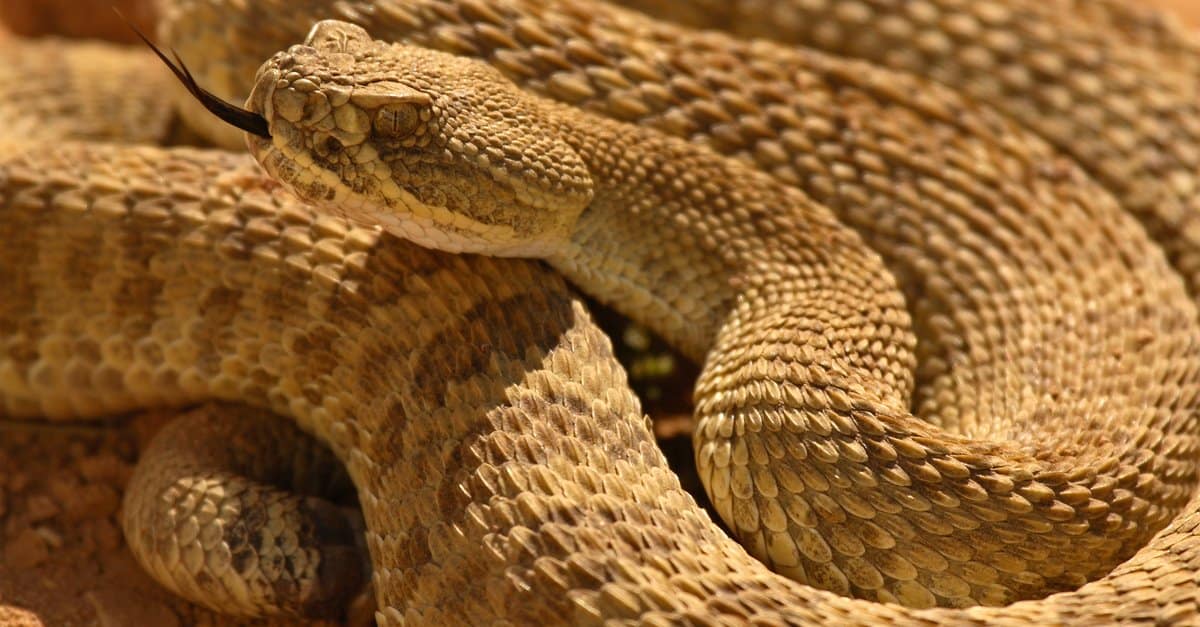
Rattlesnake Mega Den: What Happens Deep Underground?
A rattlesnake mega den is a massive communal winter shelter where hundreds or even thousands of snakes gather in deep rock crevices to survive freezing temperatures. In places like Colorado, up to two thousand prairie rattlesnakes return to the exact same rocky site year after year. These snakes bask together during warm autumn days before disappearing into underground cracks far beyond human sight.
For reptile lovers, watching these animals gather offers a rare glimpse into a secretive wild world. While cameras can track them during the summer, the cold weather forces them deep into places technology cannot easily reach.
What Is a Rattlesnake Mega Den?
A rattlesnake mega den is a natural underground refuge, known as a hibernaculum, where thousands of rattlesnakes congregate to avoid freezing winter temperatures. These sites sit on hillsides, rock outcroppings, or limestone fissures that extend deep below the regional frost line.
In North America, prairie rattlesnakes rely on these unique geological formations for collective survival. Surface winter weather in places like Colorado can drop far below zero for weeks. By retreating tens of feet underground, the snakes find stable, cool temperatures that stay just above freezing. They do not sleep deeply the entire time. Instead, they enter a slow metabolic state called brumation, resting in tangled clusters until spring warmth returns.
These mega sites are surprisingly rare across the continent. Snakes require specific conditions, including proper humidity, protection from predators, and safe vertical drops that trap warm geothermal air. When a site works well, generations of snakes continue using it across hundreds of years.
Why Do Prairie Rattlesnakes Gather in Huge Numbers?
Prairie rattlesnakes gather in huge numbers primarily because suitable underground winter shelters that stay above freezing are extremely scarce on the open plains. Combining in one reliable location ensures every snake finds safety from lethal surface frost.
Safety in numbers also protects individual snakes from predators. Badgers, birds of prey, and coyotes often hunt around rocky outcrops in late autumn. Having dozens of watchful eyes and warning rattles helps alert the entire colony to nearby danger. When danger approaches, snakes slip quickly back into narrow crevices where mammals cannot follow.
Gathering together also aids thermal regulation during the transition weeks of autumn. Snakes are cold-blooded animals that rely on external heat to function. By basking in tight groups on sun-warmed rocks, they share ambient warmth and slow down their cooling at night.
The Role of Scent and Social Cues
Prairie rattlesnakes use chemical scent trails left by older snakes to find their way back to communal dens. Pheromone markers laid down on the ground guide young snakes on their very first migration from summer hunting grounds.
Recent wildlife research shows that rattlesnakes are much more social than people once believed. Mothers often stay close to their newborn pups near den entrances, resting side by side in quiet family groups. Understanding these wild behaviors helps conservationists protect native populations, much like the targeted field projects highlighted in the broad-headed snake release effort in Australia.
Where Do Rattlesnakes Go When Winter Arrives?
When freezing winter weather arrives, rattlesnakes move deep into subterranean rock fissures and hollow caverns that lie well below the frost line. They travel through narrow stone channels where digital cameras, sunlight, and radio signals cannot easily follow.
Scientists can monitor the den entrances all summer with live cameras, but late autumn brings a complete underground retreat. The snakes slide into vertical cracks that can reach dozens of feet beneath the soil. Once inside, they squeeze into tight crevices where the surrounding rock prevents rapid temperature swings.
Inside these deep stone pockets, thousands of snakes often pile together in living tangles. This physical contact helps reduce moisture loss through their skin over months of dry winter air. Without adequate underground humidity, many snakes would dehydrate and die long before the first warm rains of April.
Life Inside the Deep Hibernaculum
Life inside the dark hibernaculum slows down to a near standstill for four to six months. The snakes stop eating completely because their bodies are too cold to digest food safely.
During brumation, a snake takes only a few breaths per minute, and its heart beats at a tiny fraction of its normal summer rate. They shift positions occasionally, moving slightly higher or lower in the rock fissures as outdoor temperatures fluctuate. Here is what keeps them alive through the freeze:
- Stable ambient temperatures that stay consistently between thirty-five and fifty degrees Fahrenheit.
- Adequate rock humidity that stops their skin and respiratory systems from drying out.
- Complete darkness that keeps their activity levels low and saves their stored fat reserves.
- Inaccessible stone barriers that block digging predators from reaching the resting colony.
What Can Reptile Keepers Learn From Wild Dens?
Reptile keepers can learn from wild dens that microclimates, proper seasonal cycling, and stable humidity are essential for long-term reptile health. Recreating natural temperature gradients helps captive snakes thrive throughout the year.
Many captive reptiles, even common pet species, carry ancient genetic instincts tied to seasonal cycles. While captive colubrids and boas may not need deep winter brumation unless you plan to breed them, they still require secure hiding spots with distinct moisture zones. Offering a humid hide filled with damp moss mimics the cool, moist conditions snakes seek underground.
Always research a species' full adult needs and environmental biology before bringing any reptile into your home. When working with captive snakes that show unusual winter lethargy, consult an exotic-animal veterinarian for specific guidance instead of guessing about their seasonal care.
Final Thoughts
The mysterious rattlesnake mega den reminds us of how remarkably adaptable wild reptiles really are. Seeing thousands of prairie rattlesnakes band together shows that these misunderstood animals possess intricate social ties and incredible survival skills. Explore our other guides on RarePetCare to discover more fascinating animal secrets and practical captive reptile care tips.
Frequently Asked Questions
How many snakes live in a rattlesnake mega den?
A single mega den can house anywhere from hundreds to upwards of two thousand prairie rattlesnakes during the coldest winter months.
Do rattlesnakes freeze to death in winter?
No, rattlesnakes survive by moving deep below the frost line into rock fissures where underground temperatures stay safely above freezing.
Do rattlesnakes sleep the entire winter?
They do not sleep continuously, but instead enter brumation, a state of low activity and slow metabolism where they occasionally shift positions.
When do rattlesnakes leave their winter den?
Rattlesnakes usually emerge from their underground dens between late April and early May once spring sunshine warms the rock entrance.
Explore More Reptiles Guides
 🦎Reptiles
Broad-Headed Snake Release: Saving an Australian Icon
A historic broad-headed snake release in Australia provides vital hope for a threatened elapid and teaches big lessons about reptile care.
 🦎Reptiles
Sea Turtle Eggs in California: The Rare Hatching Story
Rare olive ridley sea turtle eggs laid on Southern California beaches have hatched after receiving specialized care in Long Beach.
 🦎Reptiles
Leopard Gecko Tail Wagging: Causes and Meaning
Discover why leopard geckos wag their tails, from predatory excitement to defensive warnings, and learn how to read their body language.