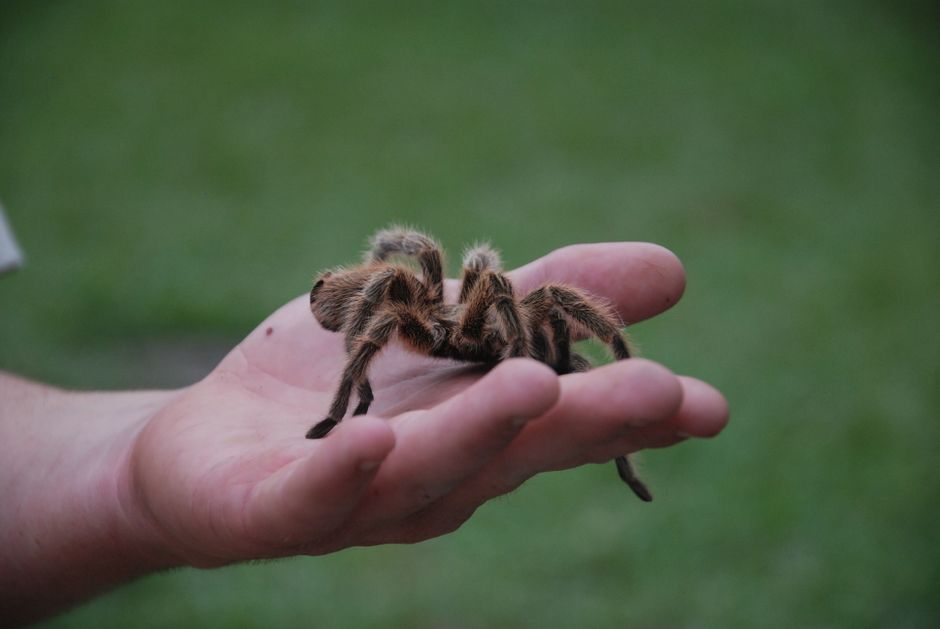
Gooty Sapphire Ornamental Tarantula: Care and Facts
Few creatures capture the imagination quite like a brilliant electric-blue spider resting on tree bark. The Gooty sapphire ornamental tarantula, scientifically known as Poecilotheria metallica, is a rare arboreal tarantula native to a tiny forest region in southern India. Famous for its dazzling sapphire hue and intricate body patterns, this critically endangered tree-dweller has become an icon among exotic pet keepers.
While its appearance is breathtaking, keeping this spider requires special respect and careful planning. Whether you are curious about its wild status or thinking about adding one to your collection, understanding its habits is essential. Let us explore everything you need to know about this remarkable arachnid.
What Does the Gooty Sapphire Ornamental Tarantula Look Like?
The Gooty sapphire ornamental tarantula is best known for its striking metallic blue coloration, geometric patterns, and vivid yellow accents under its legs. Mature specimens display a shimmering cobalt hue across their carapace and legs, paired with white and silver markings along the abdomen.
Males and females can differ noticeably once they reach maturity. Adult females tend to keep their rich, intense blue colors throughout their adult lives. They are also stockier and have wider bodies. Mature males, by contrast, often look slimmer, have longer legs relative to their body size, and may fade into a duller grayish-blue after their ultimate molt.
Color Changes as They Grow
Spiderlings do not hatch with bright metallic blue bodies. Young spiderlings start out with a subtle grayish-lavender or dull brown shade. As they molt and grow, the blue becomes richer and more intense with every stage. Watching a young specimen slowly develop its signature sapphire shades is one of the most rewarding parts of raising one.
Underneath their front walking legs, you will also notice bright lemon-yellow markings. In the wild, the spider flashes these bright patches when threatened. This startling color display warns predators to back off before the spider feels the need to bite.
Where Does the Gooty Sapphire Tarantula Live in the Wild?
In the wild, the Gooty sapphire ornamental tarantula lives exclusively in a small, fragmented patch of deciduous forest in Andhra Pradesh, southern India. These spiders are strictly arboreal, meaning they spend their entire lives off the ground in tall trees.
They make their homes in tree hollows, deep bark crevices, and natural cavities high above the forest floor. During daylight hours, they tuck themselves away into these dark nooks to hide from daylight and predators. At night, they venture out onto the trunk and nearby branches to hunt for passing prey.
Because their wild range covers only a tiny geographic area, their natural home is under intense pressure. Deforestation, timber harvesting, and agricultural expansion have led to severe habitat fragmentation. For similar reasons affecting forest balances, changes in prey availability matter deeply, as explained in our guide on how insect declines affect wildlife and habitats. The International Union for Conservation of Nature lists this species as Critically Endangered, making captive breeding programs vital for keeping the species alive without taking spiders from the wild.
How Do You Set Up an Enclosure for This Tree-Dweller?
An enclosure for a Gooty sapphire ornamental tarantula must prioritize vertical height, proper cross-ventilation, and plenty of natural climbing bark. Because this is a climbing species, floor space is far less important than vertical room.
A tall glass or acrylic terrarium works best for an adult. Make sure the enclosure features plenty of side ventilation holes to allow fresh air to flow freely. Stagnant, humid air is dangerous for arboreal tarantulas and can cause respiratory issues or fungal growth.
Key Enclosure Essentials
When putting together a home for your spider, keep the layout functional and secure. Here are the core items to include:
- A tall slab of cork bark leaning vertically against the back wall to give the spider a secure, natural retreat.
- A base layer of moisture-retaining substrate such as coconut fiber, kept slightly damp but never soaking wet.
- Artificial silk plants or foliage secured near the top to provide extra cover and webbing anchor points.
- A shallow, elevated water dish hot-glued to the side or placed on a secure ledge so the spider can drink easily.
Always inspect the lid and door latches carefully. These spiders can squeeze through surprisingly small openings, so ensure all gaps are tightly sealed.
What Does a Gooty Sapphire Ornamental Tarantula Eat?
The Gooty sapphire ornamental tarantula eats a carnivorous diet made up entirely of live insects such as crickets, roaches, and captive-bred worms. They are ambush predators that rely on vibration and speed rather than messy web snares to catch meals.
In captivity, offer gut-loaded feeder insects that have been fed nutritious grains and vegetables. Dubia roaches, red runner roaches, and banded crickets are all excellent staples. Spiderlings will readily take down small cricket drumsticks or flightless fruit flies until they grow large enough to tackle live pinhead crickets.
Feeding frequency depends on your spider's age and body condition. Growing juveniles typically take food every few days, while mature adults eat once every one to two weeks. Always remove uneaten live prey within twenty-four hours. Leftover feeder insects can bother or even injure a tarantula while it is molting and defenseless.
What Temperament Does This Species Have?
The Gooty sapphire ornamental tarantula has a skittish, lightning-fast temperament and should never be handled with bare hands. Members of the Poecilotheria genus are known for their incredible speed, defensive posture, and medically significant venom.
This is not an aggressive spider that actively hunts people, but it is extremely defensive when startled or cornered. If it feels threatened, its first instinct is usually to bolt into its cork bark hide. However, if it cannot run, it will rear up on its hind legs, show off its yellow threat markings, and strike quickly.
Safety and Handling Best Practices
Because their venom packs a painful punch, you must practice safe husbandry habits every time you service the enclosure. Here is how to keep both you and your spider safe:
- Never attempt to hold or touch this spider with your fingers.
- Use long tongs or forceps when removing uneaten prey, debris, or water dishes.
- Keep a clear catch cup nearby whenever you open the terrarium door for maintenance.
- Work inside a quiet room with the doors closed to avoid losing the spider if it bolts unexpectedly.
Before purchasing any exotic pet, always research its full adult needs, space demands, and safety requirements. If you ever have concerns about an exotic pet experiencing unusual health issues, consult an exotic-animal veterinarian for professional guidance.
Final Thoughts
Caring for a Gooty sapphire ornamental tarantula is a thrilling and visual experience for intermediate and advanced keepers who appreciate beauty from a safe distance. Their glowing sapphire body, arboreal acrobatics, and unique wild history make them one of the true gems of the arachnid world. Take your time setting up a secure vertical enclosure, provide steady food and clean water, and you will enjoy one of the most stunning spiders on Earth. Explore our other guides on RarePetCare to discover more fascinating exotic species and expert keeping advice.
Frequently Asked Questions
Is the Gooty sapphire ornamental tarantula venom dangerous to humans?
Yes, its venom is medically significant and can cause intense pain, muscle cramping, swelling, and sweating, though it is not considered fatal to healthy adults.
Can you hold a Gooty sapphire ornamental tarantula?
No, you should never handle this species because it is exceptionally fast, defensive, and carries potent venom.
Why is the Gooty sapphire tarantula so blue?
Its vivid blue color is produced by microscopic structures within the spider's hairs that reflect blue light wavelengths, rather than by blue chemical pigments.
How fast do Gooty sapphire tarantulas grow?
They grow moderately fast compared to terrestrial species, with males often reaching adulthood in one to two years and females maturing in two to three years under warm conditions with regular feeding.
Explore More Invertebrates Guides
 🕷️Invertebrates
How Do Tarantulas Eat? The Surprising Process
Discover how tarantulas eat through external digestion, breaking down prey into liquid before consuming it.
 🕷️Invertebrates
How Insect Declines Affect Wildlife and Habitats
A massive review of wildlife studies reveals that insect loss threatens animals far beyond just food chains, impacting shelter and defenses.
 🕷️Invertebrates
Praying Mantis Not Eating? Key Causes and Fixes
Discover why your praying mantis is refusing food, how to spot premolt signs, and what you can do to get them eating safely again.