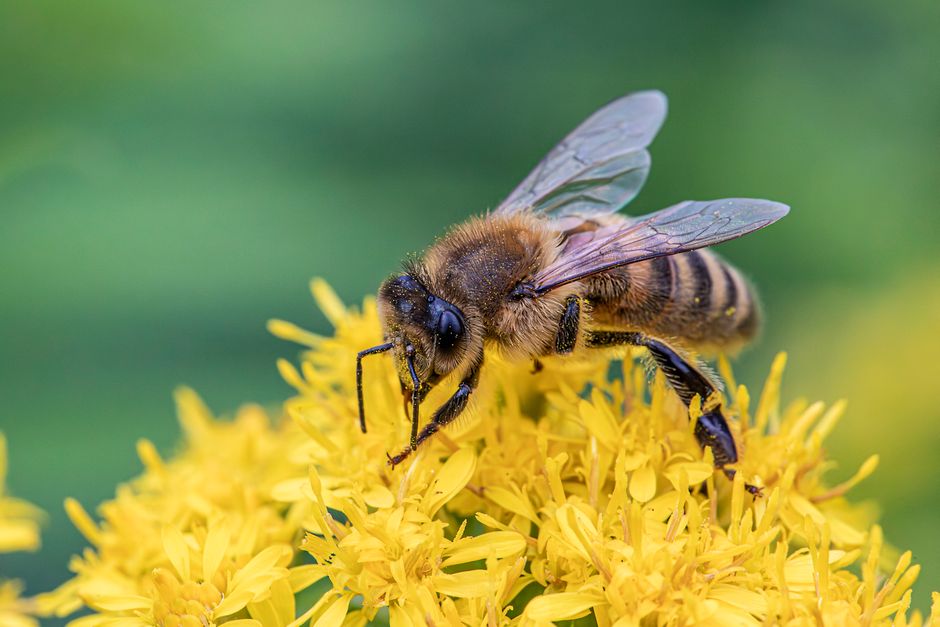
How Insect Declines Affect Wildlife and Habitats
When you think about insects, you might picture noisy crickets or pests in your garden. Learning how insect declines affect wildlife reveals a much deeper story. Recent reviews of hundreds of wildlife studies show that mammals, birds, reptiles, and amphibians depend on insects for survival in ways that go far beyond their daily meals.
How insect declines affect wildlife is simple yet severe: when bug numbers crash, animals lose essential proteins, shelter structures, mutual defenses, and clean ecosystems. Without stable insect populations, wild vertebrates struggle to breed, feed their young, and avoid predators in disrupted habitats.
Why Are Bugs So Important to Mammals, Birds, and Reptiles?
Insects form the structural base of terrestrial ecosystems, providing essential proteins, soil conditioning, and pollination that thousands of vertebrate species require. Birds use them to fuel long migratory flights, while small mammals and reptiles rely on them for daily survival. Without these tiny invertebrates, the entire energy flow across land and freshwater habitats stalls.
Many wild animals eat insects exclusively. These insectivores have digestive systems specifically built to process chitin, the tough material that makes up insect shells. When insects become scarce, these animals cannot simply switch to eating seeds or plants. Their bodies cannot extract enough energy from vegetation to keep them alive.
Bugs also recycle nutrients that keep habitats healthy. Beetles, ants, and flies break down decaying wood, leaves, and animal waste. This activity returns vital minerals back into the soil, helping plants grow and providing lush cover for ground-dwelling creatures. When these decomposers disappear, forest floors dry out, and soil quality drops fast.
How Insect Declines Affect Wildlife Beyond Basic Food Chains
Insect losses harm wildlife by stripping away physical shelters, reducing access to nesting materials, and dismantling natural chemical defenses. Animals interact with bugs in complex arrangements that scientists are only now beginning to measure in detail. Losing these relationships puts fragile species at immediate risk.
Many vertebrates rely on the physical presence of insects to build safe homes. Ants, termites, and burrowing beetles excavate deep chambers, hollow out fallen logs, and create soft soil conditions that larger animals repurpose for survival. When these industrious invertebrates vanish, the physical architecture of the habitat breaks down.
Loss of Shelter and Nesting Materials
Certain birds and small rodents use materials produced directly by insects to construct their nests. Spider silk and caterpillar cocoons provide elastic, durable binding for hummingbirds and songbirds building cradles for their eggs. Without these sticky, resilient insect fibers, nests become fragile and fall apart during heavy rain or strong wind.
Termite mounds and ant galleries provide thermal retreats for reptiles and amphibians. Tree frogs and small lizards frequently hide inside these structures to escape intense midday heat or freezing nights. In drier regions, abandoned insect burrows are often the only damp spots where soft-skinned amphibians can avoid lethal dehydration.
Breakdown of Mutual Defenses
Some animals form protective partnerships with aggressive insects to keep predators away. Several bird species intentionally build their nests right next to stinging wasp colonies. The wasps ignore the birds but attack climbing predators like tree snakes, raccoons, and monkeys that attempt to raid the nests.
Other animals gather natural toxins from the bugs they consume. Poison dart frogs do not produce their own venom. They absorb alkaloids from native mites, ants, and small beetles. If those specific prey insects disappear, the frogs lose their signature chemical defense, leaving them vulnerable to predators that would normally avoid them.
Which Animals Suffer Most When Insect Numbers Drop?
Aerial insectivores, ground-foraging songbirds, and moisture-dependent amphibians experience the sharpest declines when insect numbers drop. These species have fast metabolisms, narrow diets, and short breeding seasons that leave no margin for food shortages.
Because their lives move so quickly, even a few weeks of low insect activity can cause a complete reproductive failure for these vulnerable creatures. Understanding these specific vulnerabilities helps researchers see why certain animal communities collapse faster than others:
- Songbirds and swallows: Parent birds must gather hundreds of soft caterpillars and flying insects each day to raise a single clutch of chicks to fledging weight.
- Amphibians: Salamanders, newts, and tree frogs rely on seasonal hatches of aquatic bugs to build fat stores before winter or breeding seasons.
- Small reptiles: Geckos, anoles, and juvenile snakes depend on soft-bodied insects to grow their skeletons and develop healthy scales.
- Insect-eating bats: Microbats must catch thousands of night-flying moths, mosquitoes, and beetles each evening just to maintain their high body temperature.
Larger predators feel the strain indirectly. In wild food chains, apex hunters depend on a healthy population of small prey animals to sustain themselves. For instance, understanding predator dynamics in nature, such as how bobcats hunt rattlesnakes, highlights how top predators depend on stable numbers of mid-sized reptiles that originally grew up eating abundant insects.
What Does This Mean for Exotic Pet Keepers?
Widespread insect declines disrupt the commercial supply chains that exotic pet owners rely on for healthy live feeders, while also altering the native environments where our pet species originate. When wild bug communities suffer, it serves as an urgent wake-up call to manage captive diets with greater care and consistency.
As wild insect diversity drops, commercial breeders often struggle to maintain diverse feeder stocks like silkworms, hornworms, and specialty roaches. Many pet keepers end up relying too heavily on basic crickets or mealworms. Feeding only one or two insect species leads to nutritional deficiencies in captive bearded dragons, chameleons, and geckos.
This situation reinforces an important rule of animal welfare. Always research a species full adult dietary needs before purchasing an exotic reptile or amphibian, and consult an exotic-animal veterinarian if your pet shows signs of nutritional stress. Pet owners must ensure their captive-bred feeder bugs are thoroughly gut-loaded with fresh greens and dusted with calcium to replace the complex nutrients that wild bugs provide.
Reptile health is directly connected to proper early nutrition and habitat stability. Observing developmental issues in wild and captive reptiles, such as the developmental factors seen in two-headed turtle causes and care, shows how sensitive developing reptiles are to environmental disruptions and maternal health.
How Can Pet Owners Help Protect Insect Populations?
Pet owners can support insect populations by eliminating outdoor chemical pesticides, creating wildlife-friendly outdoor spaces, and supporting sustainable commercial insect breeders. You do not need a large farm to make a real difference for your local invertebrate community.
Simple changes in your own backyard can offer immediate refuge to native bees, beetles, and moths that feed local wildlife. Here are practical ways you can create a safer space for insects right at home:
- Stop using synthetic lawn sprays: Broad-spectrum insecticides kill beneficial ladybugs, bees, and ground beetles alongside nuisance pests.
- Plant native blooming plants: Native flowers provide pollen and nectar tailored to the exact mouthparts of local insect species.
- Leave fallen leaves in garden beds: Leaf litter acts as an insulated winter blanket for overwintering caterpillars, pupae, and beneficial soil microbes.
- Turn off unnecessary outdoor lights: Bright porch lights disorient night-flying moths and beetles, exhausting them before they can mate or lay eggs.
Never release commercial feeder insects into your local environment. Feeder crickets, roaches, and mealworms can introduce parasites or outcompete native species. Keep your pet feeders safely contained indoors while doing your part to protect the wild bugs outside your door.
Final Thoughts
Gaining a clear understanding of how insect declines affect wildlife reminds us that every living creature is connected to the smallest organisms around it. Protecting wild bugs preserves the food, shelter, and balance that wild animals need to flourish. Explore our other guides on RarePetCare to learn more about keeping your exotic animals happy and healthy.
Frequently Asked Questions
Why is the loss of insects bad for birds?
Birds lose their primary source of protein and fat, which prevents parent birds from gathering enough food to keep their chicks alive.
Do reptiles rely on insects for anything besides food?
Yes, many reptiles use old insect burrows and termite mounds as cool, damp shelters to escape predators and extreme weather.
Can exotic pets eat wild bugs caught outside?
No, wild bugs often carry parasites and traces of lawn pesticides that can make your exotic pets severely ill.
How does insect loss affect animals that do not eat bugs?
Herbivores and large carnivores suffer because insects pollinate plants, aerate soil, and feed the small prey animals that larger predators hunt.
Explore More Invertebrates Guides
 🕷️Invertebrates
Praying Mantis Not Eating? Key Causes and Fixes
Discover why your praying mantis is refusing food, how to spot premolt signs, and what you can do to get them eating safely again.
 🕷️Invertebrates
Why Is My Hermit Crab Buried? Key Reasons
Learn why hermit crabs bury themselves in the substrate, how to tell if they are molting, and why you should never dig them up.
 🕷️Invertebrates
Why Is My Tarantula on Its Back? Molting vs Dying
A tarantula on its back is almost always preparing to molt. Learn how to tell molting from illness and how to keep your pet safe.