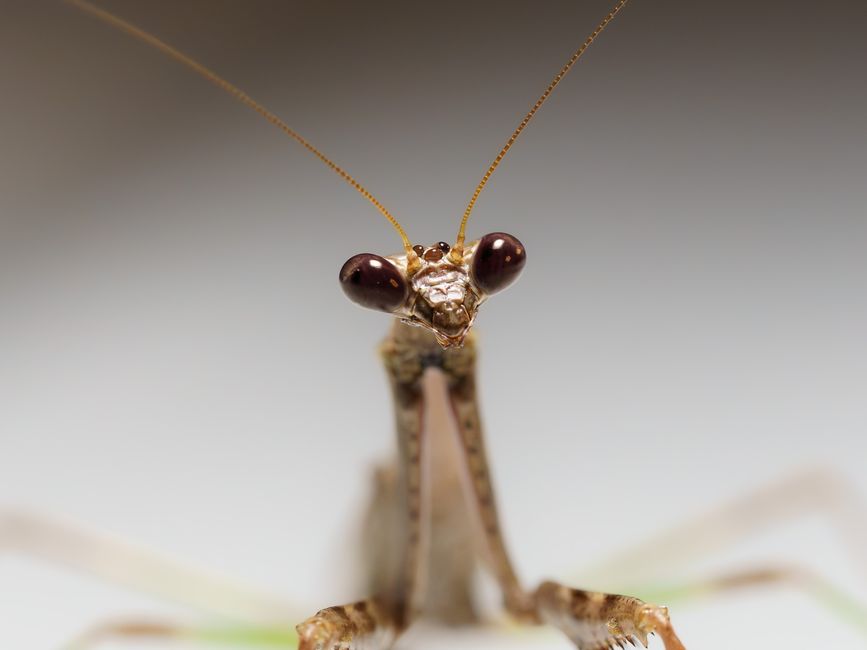
Praying Mantis Not Eating? Key Causes and Fixes
Finding your praying mantis not eating can be alarming for any pet parent. In most cases, a praying mantis refuses food because it is preparing to molt, feels stressed by feeder insects that are too large, or needs adjusted enclosure temperature and humidity. Understanding their natural feeding rhythm will help you solve the problem quickly.
Why Is My Praying Mantis Not Eating?
A praying mantis usually stops eating because it has entered the premolt stage, is already full from a previous meal, or feels threatened by its environment. Mantises are opportunistic ambush predators, but their biological needs change dramatically throughout their lifecycle. When their internal signals tell them to shed their exoskeleton or rest, they will firmly refuse even their favorite live prey.
Age and life stage also play a major role. Young nymphs eat frequently, often every one to two days, because they grow at a rapid pace. Mature adults eat less often and will sometimes fast for days without any negative health effects. Always research your specific mantis species to understand its adult lifespan and ideal care standards, as different varieties come from distinct climates around the globe.
Signs Your Mantis Is Preparing to Molt
The most common reason for a healthy nymph to refuse food is that it is getting ready to shed its skin. During premolt, a mantis cannot digest prey properly because its body is focusing all available energy on loosening the old exoskeleton. Offering food during this sensitive window can actually cause serious stress or physical injury.
You can usually confirm your pet is in premolt by watching for clear physical and behavioral shifts:
- Hanging upside down from the top mesh or a high branch without moving for long stretches.
- A dull, cloudy appearance to the outer skin and slight swelling around the wing buds.
- Swatting feeder insects away with their forelegs instead of grabbing them.
- Refusing water drops or ignoring prey that walks directly past their face.
If you observe these signs, remove all live insects from the habitat immediately. A cricket or mealworm left unattended can chew on a soft, freshly molted mantis and cause fatal injuries.
How Long Does a Mantis Fast Before Molting?
Young nymphs may stop eating for only twenty-four to forty-eight hours before shedding their skin. Sub-adults and larger nymphs can easily fast for four to seven days before the molt takes place. Once the molt is complete, wait at least one or two days before offering food again so their delicate new mouthparts and claws have time to harden.
Enclosure Temperature and Humidity Issues
Incorrect temperatures or humidity levels will slow down a mantis's metabolism and cause it to stop hunting. Because invertebrates rely on their surrounding environment to regulate their body functions, cool air makes them sluggish and lowers their appetite. If your room drops too low, your pet simply will not have the energy to strike at prey.
Humidity is equally critical for feeding and overall health. Air that is too dry causes dehydration, which drains your pet of the fluid reserves needed to produce digestive enzymes. Just as you monitor environmental conditions in a leopard gecko tank setup, you should keep reliable gauges inside your mantis habitat to verify that conditions match what your specific species requires.
Give the enclosure a light mist with clean, dechlorinated water once or twice a day. Many mantises prefer to drink droplets off leaves and tank walls before they show interest in solid food.
Problems with Feeder Insects and Presentation
A mantis will often ignore food if the insect is the wrong size, moving too quickly, or failing to catch its eye. Mantises hunt based on motion and visual cues. If a feeder insect burrows into the substrate or sits motionless on the floor, your pet may never register it as a meal.
Size also matters greatly. As a practical rule, never offer an insect that is larger than half the length of your mantis's body. Large, aggressive prey items can intimidate your pet, prompting it to retreat into a defensive threat posture instead of striking.
The Best Feeders to Stimulate Appetite
If your pet has turned down standard pet store crickets, switching up the menu often triggers a strong predatory strike:
- Small flies, such as fruit flies for tiny nymphs or bottle flies for larger species.
- Soft-bodied waxworms or small silkworms offered gently from soft-tipped feeding tweezers.
- Small, clean roach nymphs placed directly within your mantis's line of sight.
Avoid feeding wild-caught insects from your garden. Outside bugs often carry harmful pesticides, parasites, or defensive toxins that can easily sicken a captive mantis.
Old Age and Natural Life Cycles
Adult praying mantises naturally slow their feeding intake as they reach the final stages of their life. Once a mantis develops full wings, it has completed its final molt and will never shed again. Over the following months, older adults gradually become less agile and will eat much smaller meals less frequently.
Female mantises also exhibit sudden appetite changes connected to egg production. A female may eat heavily for a week while producing an egg case, known as an ootheca, and then completely ignore food for several days before and after laying. If your pet appears active and alert, a short fast during adulthood is normal natural behavior.
Final Thoughts
Dealing with a praying mantis not eating usually comes down to checking for an upcoming molt, dialing in the tank humidity, or offering smaller live prey. Give your pet a quiet, stress-free space and watch closely for signs of shedding before attempting another feeding. Explore our other RarePetCare guides to learn more practical tips for keeping your exotic pets healthy and happy.
Frequently Asked Questions
How long can a praying mantis survive without food?
A healthy praying mantis can comfortably go without food for up to two weeks, provided it has access to clean drinking water droplets.
Should I hand-feed my praying mantis if it refuses to hunt?
You can offer pre-killed insects directly to your mantis's mouthparts using blunt forceps, allowing a drop of insect fluid to touch its lips to stimulate eating.
Can crickets harm a praying mantis that is not eating?
Yes, uneaten live crickets can nibble on your mantis or cause severe injuries during a molt, so you must remove them immediately if your pet shows no interest.
How do I tell if my mantis is sick or just molting?
A molting mantis will hang securely upside down and refuse food, while a sick mantis will often sit weakly on the tank floor or struggle to grip branches.
Explore More Invertebrates Guides
 🕷️Invertebrates
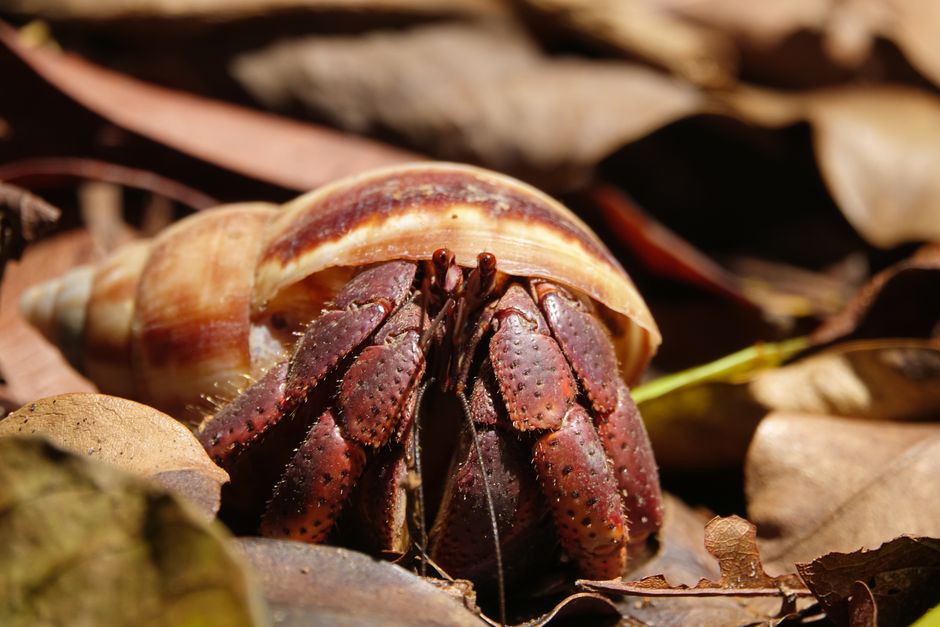
Why Is My Hermit Crab Buried? Key Reasons
Learn why hermit crabs bury themselves in the substrate, how to tell if they are molting, and why you should never dig them up.
 🕷️Invertebrates
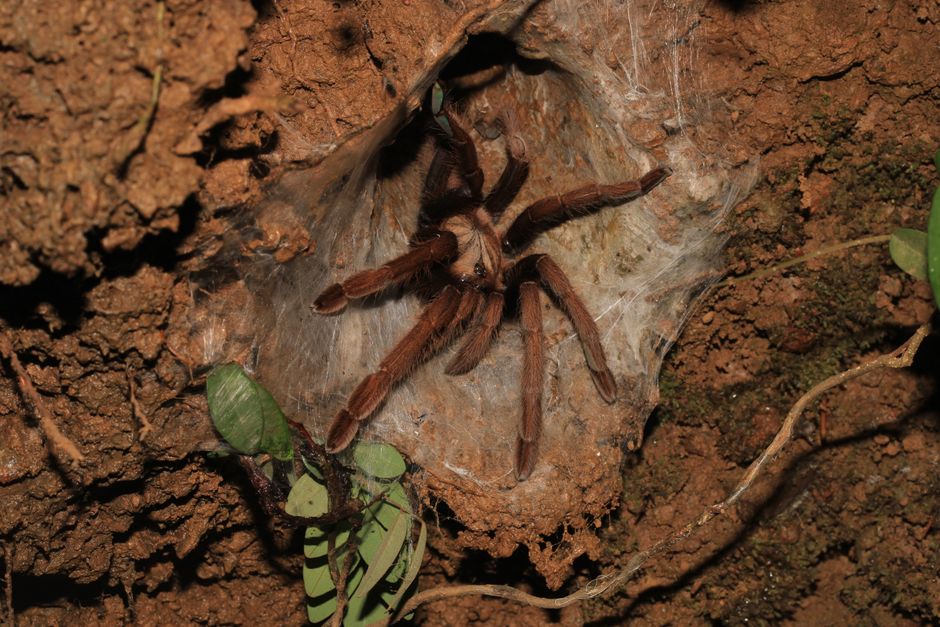
Why Is My Tarantula on Its Back? Molting vs Dying
A tarantula on its back is almost always preparing to molt. Learn how to tell molting from illness and how to keep your pet safe.
 🕷️Invertebrates
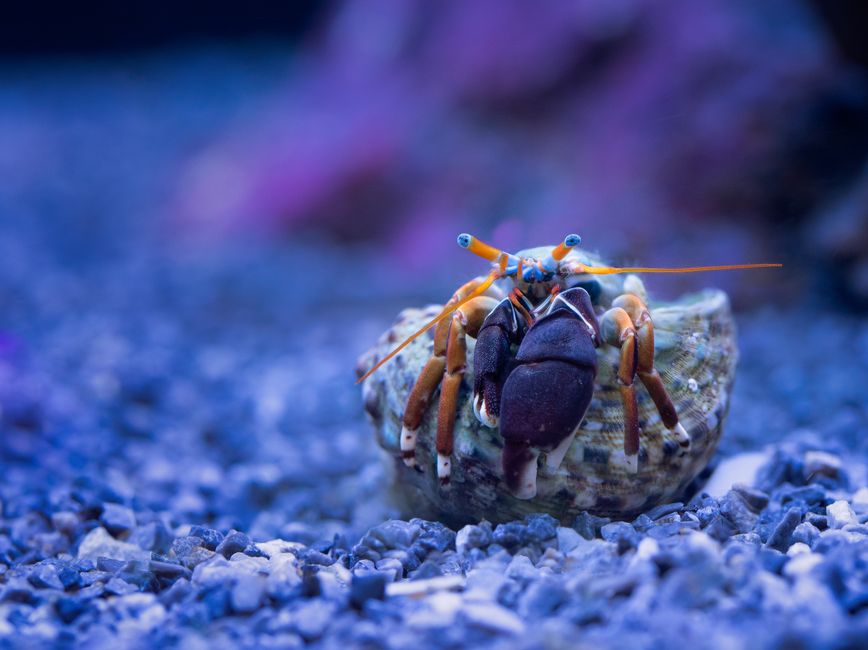
Why Is My Hermit Crab Leaving Its Shell?
Discover why your hermit crab is out of its shell and learn the immediate steps you should take to protect its soft body.