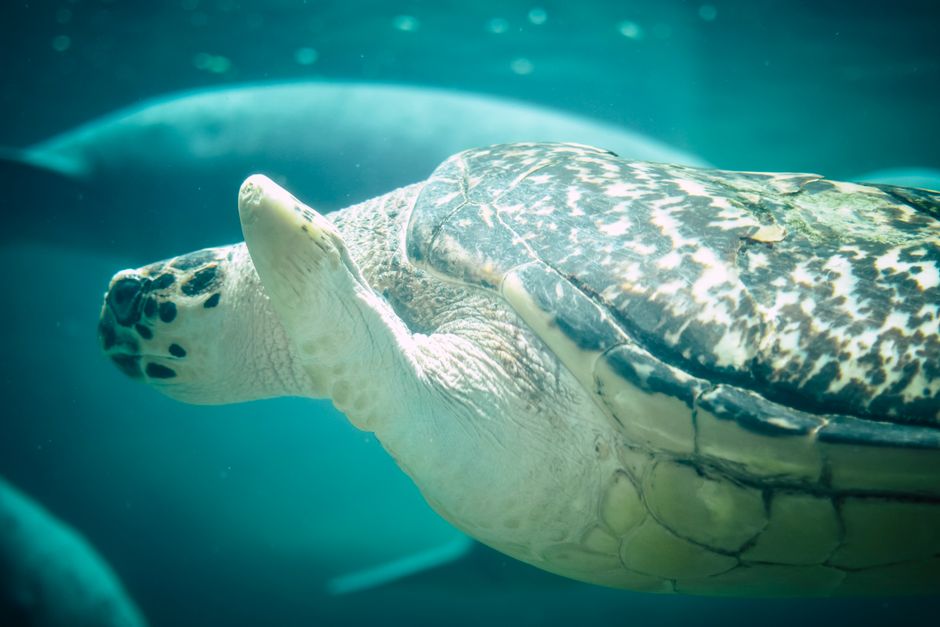
Hawksbill Sea Turtle Endangerment: What Happened
Few marine animals possess shells as visually striking as the hawksbill turtle. Sadly, that natural beauty nearly caused their complete extinction. Hawksbill sea turtle endangerment is the direct result of centuries of intensive hunting for their unique tortoiseshell plates, combined with coral reef degradation, accidental fishing capture, and coastal development. Today, these reptiles remain critically endangered across the globe despite international bans on commercial trade.
For hundreds of years, artisans hunted these turtles to craft combs, jewelry, and luxury ornaments. Even though protective laws took effect decades ago, poaching and illicit sales remain an ongoing crisis. Understanding what brought these ancient marine reptiles to the brink gives us clear insight into how we can help protect them.
What Drives Hawksbill Sea Turtle Endangerment Today?
Hawksbill sea turtle endangerment is primarily driven by targeted hunting for their shells, incidental capture in commercial fishing gear, and the destruction of coral reef habitats. While international trade treaties banned the tortoiseshell market decades ago, demand on the black market and continuous human disturbance along tropical coastlines keep their populations at critically low levels.
Beyond intentional hunting, these turtles face heavy losses from standard fishing operations. Longlines, gillnets, and bottom trawls often capture turtles accidentally, leading to severe injury or drowning before the gear is retrieved. Because hawksbills need to surface periodically for air, being trapped underwater in heavy netting is fatal.
Coastal development also creates serious issues for breeding females. When hotels, homes, and roadways build up along sandy coastlines, nesting mothers lose access to dark, quiet shores. Artificial beachfront lighting frequently disorients freshly emerged hatchlings, leading them away from the sea toward danger.
The Persistent Threat of the Black Market
Although global treaties outlawed the commercial tortoiseshell trade, an underground market still thrives in popular tourist hubs. Souvenir stalls, small boutique shops, and private sellers continue to offer polished turtle products disguised as modern resin or vintage antiques. Illegal trade networks operate similarly to other illicit operations, much like wildlife trafficking operations like the Haneda Airport reptile smuggling bust, hiding wild-caught reptile parts behind false paperwork and tourist novelties.
Travelers often buy these items without realizing they are purchasing an endangered animal part. As long as buyers pay for genuine tortoiseshell curios, poachers will take the risk of harvesting wild hawksbills from vulnerable reef habitats.
Why Was Tortoiseshell in Such High Demand?
Tortoiseshell was historically prized because the hawksbill's keratin scutes can be softened with heat, shaped into complex molds, and polished to a rich amber luster. Artisans across Europe, Asia, and the Americas valued the material above ordinary horn or wood for luxury goods, hair accessories, and inlaid furniture.
Unlike other sea turtles, whose shell plates fit closely edge-to-edge, the hawksbill grows thick, overlapping scutes over its bony carapace. These plates display striking patterns of gold, brown, amber, and deep black. When placed in boiling water or exposed to steam, the plates soften, allowing craftsmen to weld multiple pieces together without visible seams.
Throughout the eighteenth, nineteenth, and twentieth centuries, entire industries relied on these raw shell imports. European aristocrats collected tortoiseshell snuffboxes and hand mirrors, while craftsmen in East Asia refined traditional tortoiseshell carving into high-status ceremonial items. Massive amounts of raw shell were shipped across oceans every year, decimating nesting populations that had taken thousands of years to establish.
How Does Shell Harvesting Harm Marine Ecosystems?
Harvesting hawksbills disrupts marine ecosystems because these turtles perform a specialized job as the primary grazers of sea sponges on tropical coral reefs. Without hawksbills feeding on aggressive sponge species, sponges rapidly overgrow, smothering living corals and destroying the foundation of entire reef communities.
Many marine sponges contain dense glass-like spicules and toxic chemical compounds that prevent most fish from eating them. Hawksbills are among the very few animals equipped to digest these toxic sponges safely. By clearing space on the sea floor, they allow slow-growing corals to settle, anchor, and build the physical structures that shelter thousands of marine organisms.
A healthy hawksbill population supports the reef in several distinct ways:
- Preventing fast-spreading sponges from choking out delicate stony corals.
- Creating physical feeding openings in tough sponge walls, giving reef fish access to food sources they cannot otherwise reach.
- Recycling nutrients between the ocean floor, coral surfaces, and open pelagic waters.
When poachers remove hawksbills from a reef, that entire underwater zone changes. Sponges spread unchecked, fragile coral structures weaken, and overall biodiversity drops across the ecosystem.
What Can We Do to Help Hawksbill Turtles Recover?
Hawksbill recovery requires stopping the demand for wild shell products, protecting tropical nesting beaches from light pollution, and supporting localized marine conservation programs. Everyday travelers and ocean lovers can make an immediate difference by learning how to spot genuine tortoiseshell and choosing responsible ecotourism operators.
Efforts to reverse hawksbill sea turtle endangerment face many hurdles, but direct consumer action has proven to be an effective tool. When travelers refuse to purchase raw or polished marine curios, local souvenir markets lose their financial incentive to fund poaching expeditions.
Here are practical steps anyone can take to protect wild turtles:
- Learn to tell the difference between real tortoiseshell and synthetic resin, avoiding any amber-colored jewelry or trinkets when traveling through tropical coastal regions.
- Support nesting beach patrols that relocate exposed eggs to safe, monitored hatcheries away from poachers and predators.
- Turn off or shade outdoor lighting when staying in beachfront rentals during local turtle nesting and hatching seasons.
- Support certified marine protected areas that ban destructive fishing practices over active coral reefs.
Exotic pet enthusiasts know how critical it is to protect reptiles in their natural environments. Just as a responsible owner must research a species thoroughly and consult an exotic-animal veterinarian for health guidance before bringing any unusual pet home, wild marine species demand our informed respect and active protection.
Final Thoughts
Reversing hawksbill sea turtle endangerment will take decades of sustained beach protection, anti-poaching enforcement, and consumer education across the globe. By staying informed about the products we purchase and supporting healthy coral habitats, we give these unique reptiles a fighting chance at long-term survival. Explore our other RarePetCare wildlife guides to learn how responsible care and habitat awareness help protect unique species worldwide.
Frequently Asked Questions
How can you tell real tortoiseshell from plastic or resin?
Real tortoiseshell feels warm and natural to the touch, shows organic color variations under bright light, and lacks the uniform repeating patterns found in molded synthetic imitations.
Are hawksbill sea turtles legal to keep as pets?
No, hawksbill sea turtles are strictly protected under international and national wildlife laws, making them completely illegal to own, sell, or transport as private pets.
What do hawksbill sea turtles eat in the wild?
Hawksbill turtles eat primarily sea sponges, along with occasional jellyfish, sea anemones, algae, and small crustaceans found along shallow tropical coral reefs.
Where are hawksbill sea turtles found?
Hawksbills live in tropical and subtropical waters of the Atlantic, Pacific, and Indian Oceans, spending most of their time around coastal coral reefs and quiet bays.
Explore More Reptiles Guides
 🦎Reptiles
Longest Wild Snake Ever Found: A Record Python
A record-setting giant reticulated python discovered in Indonesia reveals how large wild snakes can grow in undisturbed rainforests.
 🦎Reptiles
Reptile Smuggling: Inside the Haneda Airport Bust
Japanese customs seized 200 lizards stuffed into socks at Haneda Airport, shining a light on illegal wildlife trafficking.
 🦎Reptiles
Leopard Gecko Tank Setup: Easy Beginner Guide
Learn how to build a safe, comfortable leopard gecko tank setup with proper heating, smart hides, and clean substrate.