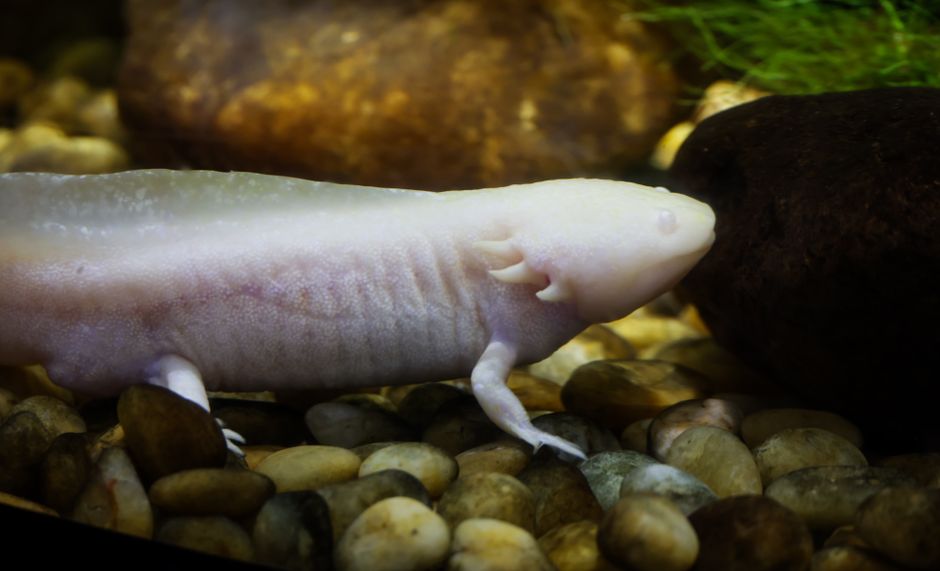
Hellbender Salamander Guide: Facts, Habitat, Care
What Is a Hellbender Salamander?
The hellbender salamander is a massive, fully aquatic amphibian native to clear, fast-flowing rivers and streams in eastern North America. Reaching over two feet in length, it holds the title of the largest salamander on the continent and breathes almost entirely through its wrinkled, folded skin.
You might have heard this fascinating animal called by some very unusual nicknames. Anglers and river explorers often call it the snot otter, lasagna lizard, or devil dog. Despite those funny names, this ancient creature represents a vital branch of native wildlife that scientists are studying more closely than ever before.
Unlike typical land salamanders, these giants spend their entire lives submerged under water. They rely on clean, cool river bottoms filled with flat boulders. Because their skin is permeable, they act as an early warning system for the health of local waterways. When rivers become dirty or silted, these gentle giants are often the first animals to struggle.
Where Does the Hellbender Salamander Live in the Wild?
A hellbender salamander lives strictly in swift, cold streams across the Appalachian mountains and parts of the Ozarks. They require rocky river beds where rushing water provides high levels of dissolved oxygen.
These amphibians hide beneath large, flat stones called shelter rocks during daylight hours. At night, they emerge along the riverbed to walk along gravel bars in search of prey. Because they do not have external gills as adults, they depend entirely on cool, oxygen-rich currents flowing across their bodies.
Why Clean Waterways Matter
Sediment runoff from construction, agriculture, and deforestation poses a massive threat to wild populations. Fine silt fills the spaces beneath river rocks, smothering nesting sites and trapping adult salamanders. When silt settles over gravel beds, it also wipes out the small aquatic animals these predators need to survive.
Chemical runoff presents another serious hurdle. Agricultural pesticides and lawn fertilizers easily absorb through their thin skin. For amphibian lovers who enjoy keeping species at home, learning about environmental sensitivity is crucial. For example, keeping captive species healthy requires strict water and food purity, as outlined in our guide on what White's tree frogs eat and how captive diets impact amphibian wellness.
What Makes the Hellbender Salamander So Unique?
The hellbender salamander is unique because it absorbs up to ninety percent of its oxygen directly through deep, ruffled folds of skin along its sides. This bizarre design gives the creature its ruffled look and allows it to breathe without surfacing.
Their flat heads and paddle-like tails make them hydrodynamic, helping them press against the riverbed even in powerful rapids. Their eyes are tiny and lack eyelids, meaning their vision is quite poor. Instead of relying on sight, they use specialized sensory cells along their bodies to detect vibrations and chemical trails in dark river currents.
Another surprising trait is the thick, sticky mucus covering their entire body. This slimy layer protects the animal from riverbed abrasions, repels parasites, and makes it nearly impossible for predators like river otters or large fish to hold onto them. Local folklore claimed the slime was toxic to humans, but researchers have proven that the mucus is harmless, even if it feels unpleasant to touch.
What Does a Hellbender Salamander Eat?
The hellbender salamander feeds primarily on fresh river crayfish, which make up the vast majority of its natural diet. They also consume small fish, aquatic insect larvae, water snails, and occasionally other small amphibians.
Hunting takes place under cover of darkness. The salamander waits quietly near the entrance of its rocky shelter until an unsuspecting crayfish walks within striking distance. Using a rapid suction feeding motion, it snaps open its wide mouth, creating a vacuum that pulls the prey inside instantly.
- Crayfish form the primary source of nutrition throughout every stage of adult life.
- Small bottom-dwelling fish, like sculpins and minnows, provide seasonal protein.
- Aquatic nymphs, such as hellgrammites and stoneflies, sustain younger juveniles.
- Shed skins and fish eggs are occasionally scavenged along the river bottom.
Their powerful jaws can easily crush hard crayfish shells. Because they maintain a slow metabolism in chilly water, adult individuals do not need to eat daily. A single large meal can sustain them for several days while they rest under their favorite boulders.
Can You Keep a Hellbender Salamander as a Pet?
No, you cannot keep a wild hellbender salamander as a pet because they are strictly protected by state and federal wildlife laws. Removing one from a stream is illegal, and their extreme environmental requirements make them nearly impossible to care for in standard home aquariums.
These wild giants need hundreds of gallons of chilled water, powerful circular flow pumps, and specialized biofiltration to mimic turbulent mountain streams. In addition, capturing wild specimens harms fragile breeding populations that conservationists are working hard to restore. Anyone interested in pet amphibians should focus on captive-bred, manageable species instead.
If you love exotic animals, always research a species' full adult needs and legal status before bringing any new companion into your home. Responsible pet parents always purchase captive-bred animals from reputable breeders and consult an exotic-animal veterinarian whenever specialized housing or health concerns arise.
How Scientists Are Working to Save the Hellbender Salamander
Scientists and conservation groups are saving wild populations by installing artificial concrete nesting boxes and running head-start breeding programs in zoos. These efforts protect fragile eggs from predators and silt before releasing healthy juveniles into restored streams.
Biologists regularly survey rivers by gently lifting rocks with special tools to check on wild nests. When fertile eggs are found in rivers with declining numbers, researchers take a small clutch to specialized zoo facilities. There, young salamanders grow under ideal conditions until they reach a size where wild fish and water snakes cannot easily eat them.
The Role of Habitat Restoration
Restoring river banks with native trees and shrubs prevents soil erosion and helps keep water temperatures cool. Tree canopies block direct sunlight, maintaining the cold temperatures that hold peak oxygen levels. Working with local landowners to fence off riverbanks from cattle has already helped several historic streams bounce back.
Public education has also shifted attitudes along popular fishing rivers. Decades ago, uninformed anglers sometimes killed these creatures out of fear or superstition. Today, educational signs along public waterways teach fishermen how to safely release hooked salamanders back into the current without harming their delicate skin.
Final Thoughts
The hellbender salamander is a true living relic of North American natural history that deserves our respect and protection. By keeping mountain streams clean and supporting clean water initiatives, we can ensure this gentle river giant continues to thrive for generations to come. Explore more RarePetCare guides to learn about unique wildlife and discover practical care advice for your favorite home companions.
Frequently Asked Questions
Why is the hellbender called a snot otter?
People call it a snot otter because its body produces a thick, slick coating of protective mucus that makes it extremely slimy to hold.
Is a hellbender salamander dangerous or venomous?
No, hellbenders are completely non-venomous and harmless to humans, though they may deliver a mild defensive nip if grabbed.
How big does a hellbender salamander get?
Adult hellbenders typically reach lengths between twelve and twenty-nine inches, making them the largest salamanders in North America.
How long can a hellbender salamander live?
In clean, undisturbed wild habitats, these long-lived amphibians can survive for twenty-five to thirty years, and sometimes even longer in human care.
Explore More Amphibians Guides
 🐸Amphibians
What Do White's Tree Frogs Eat? Complete Diet Guide
Discover the ideal feeder insects, safe portion sizes, and feeding schedules to keep your pet White's tree frog healthy and thriving.
 🐸Amphibians
White's Tree Frog Habitat Setup: Beginner Guide
Build the ideal White's tree frog habitat setup with proper tank size, gentle heat, humidity control, and safe substrate choices.
 🐸Amphibians
Axolotl Tank Mates: Safe Options and Big Risks
Discover why most fish and snails make unsafe axolotl tank mates, and how to create a rich, stress-free aquarium for your aquatic pet.