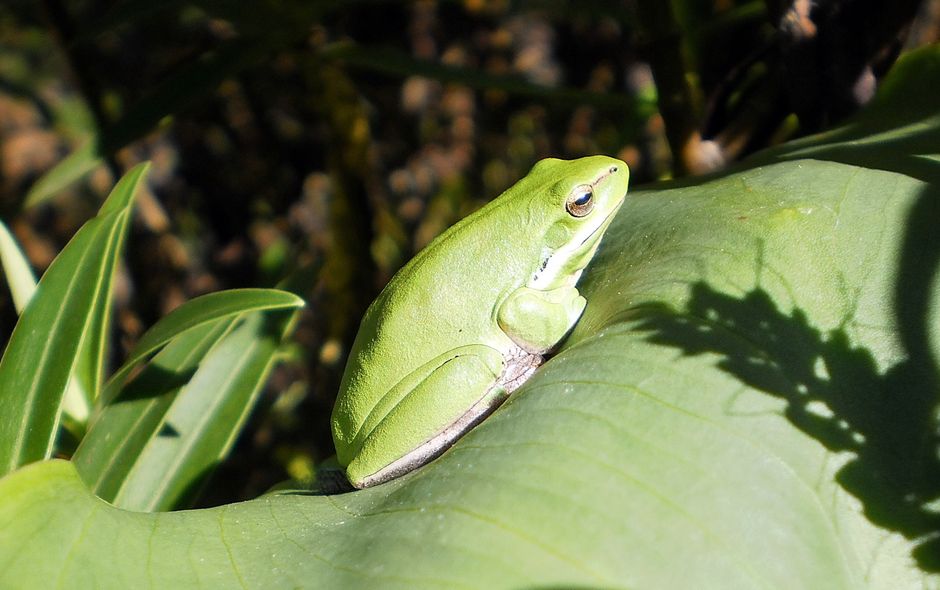
What Do White's Tree Frogs Eat? Complete Diet Guide
White's tree frogs are famous for their hearty appetites and curious personalities. What do White's tree frogs eat in captivity? White's tree frogs are strict carnivores that eat a diet made up entirely of live gut-loaded insects like crickets, dubia roaches, and hornworms dusted with calcium and multivitamin powders. These plump tree frogs will try to swallow almost anything that wiggles in front of them, so feeding a balanced insect menu keeps them energetic and helps prevent severe nutritional diseases.
What are the best staple insects for a White's tree frog?
The best staple insects for a White's tree frog are live crickets and captive-bred roaches such as dubia roaches. These feeder bugs provide lean protein, have digestible outer shells, and stimulate your frog's natural hunting behavior. Crickets should always be purchased from a reputable feeder supplier rather than caught outdoors, where bugs can carry parasites or dangerous lawn chemicals.
Dubia roaches are another top staple choice because they offer higher meat-to-shell ratios than crickets. They do not chirp, cannot climb smooth plastic dishes, and are gentle on your frog's digestive tract. When offering roaches, pick nymphs that are smaller than the space between your frog's eyes to prevent choking or impaction.
Before offering any insect to your pet, remember to gut-load the feeders for at least twenty-four hours. Gut-loading simply means feeding your crickets or roaches nutritious fresh foods like squash, carrots, and dark leafy greens. Whatever nutrients your feeder bugs consume pass directly into your tree frog when it strikes its meal.
What insects should you feed only as occasional treats?
Occasional treat insects for White's tree frogs include waxworms, mealworms, superworms, and hornworms. These insects should be fed no more than once every week or two because they are either very high in fat or have tough outer exoskeletons that can upset a frog's sensitive stomach.
High-fat feeder options
Waxworms are loved by nearly all tree frogs, but they are essentially pure fat. Feeding waxworms too frequently can quickly lead to obesity, which puts dangerous pressure on your frog's internal organs. Reserve waxworms for underweight rescues or as an infrequent reward.
Chitin-heavy feeder insects
Mealworms and superworms possess thick, fibrous shells made of hard chitin. White's tree frogs struggle to break down heavy chitin, which can lead to painful bowel blockages if eaten in large numbers. Soft-bodied hornworms make a far better occasional treat because they provide gentle moisture and contain very little fat, though their high water content can cause runny droppings if overfed.
How often should you feed a White's tree frog?
You should feed young growing White's tree frogs every day, while healthy adult frogs only need to eat two to three times per week. Adult frogs have slow metabolisms and will readily overeat if food is offered daily, leading to health complications.
A sensible adult meal consists of three to four appropriately sized staple insects per feeding. Always feed your frog in the evening or at night when it wakes up and becomes naturally active. Daytime feeding often results in ignored insects that may bite your sleeping frog or die inside the enclosure.
Portion control is critical for this species. White's tree frogs are notorious for developing thick fat folds over their eyes and ear drums when overfed. If you notice your frog growing heavy ridges above its eyes, cut back your insect counts slightly and monitor its shape over the coming weeks.
Proper enclosure conditions also affect appetite. An incorrect thermal gradient or low humidity can cause your frog to refuse meals entirely. Checking your setup with our White's tree frog habitat setup guide ensures your pet has the warmth it needs to digest its food smoothly.
What foods should you never feed a White's tree frog?
You must never feed a White's tree frog wild-caught bugs, human food, dog or cat food, or dead insects from a can. Wild insects often carry agricultural pesticides and harmful parasites, while processed human and pet foods contain artificial additives, salt, and fats that can quickly kill an amphibian.
Avoid these dangerous items when planning your frog's menu:
- Wild-caught insects collected from your yard, garden, or basement
- Processed meats such as hot dogs, beef strips, or cooked chicken
- Dead freeze-dried or canned insects, which lack moisture and fail to trigger hunting reflexes
- Insects larger than the distance between your frog's eyes
- Fireflies or lightning bugs, which contain chemical toxins that are lethal to frogs
Also, avoid using whole pinky mice as regular meals. While some keepers offer pinkies to adult frogs, whole rodents are loaded with dense fats that cause lipid buildup behind the eyes and place heavy strain on the liver. Keep your frog's diet firmly centered on wholesome, dusted invertebrates.
How should you dust insects with vitamins and minerals?
You should dust your feeder insects with a high-quality calcium powder at almost every feeding and a multivitamin powder once weekly. Amphibians cannot produce all their vital nutrients on their own, making supplemental dusting essential for avoiding metabolic bone disease.
To dust insects, place your crickets or roaches into a clean plastic cup, sprinkle a small pinch of supplement powder inside, and swirl the cup gently until the bugs have a light, even white coating. Avoid caking the insects in heavy powder, as this can irritate your frog's eyes and tongue. A light dusting looks like a fine coat of powdered sugar.
Make sure your calcium supplement includes vitamin D3 if your frog does not receive low-level ultraviolet lighting. Vitamin D3 allows your pet to absorb calcium through its gut lining properly. As part of responsible care, consult an exotic-animal veterinarian if your frog shows limb weakness or an arched spine, which can signal long-term dietary deficiencies.
Keep in mind that digestive stress or dietary shifts can sometimes alter skin appearance. If your pet looks unusually dark during feeding days, reviewing our guide on why your White's tree frog is turning brown can help you distinguish normal color adjustments from genuine enclosure stress.
Final Thoughts
Learning what do White's tree frogs eat is simple once you stick to high-quality staple bugs like gut-loaded crickets and dubia roaches. Keep treats rare, dust your feeders with calcium regularly, and watch your frog's body condition to prevent unnecessary weight gain. Explore our other RarePetCare guides to learn more about amphibian habitats, daily care routines, and keeping your exotic pets thriving.
Frequently Asked Questions
Can White's tree frogs eat fruit or vegetables?
No, White's tree frogs are obligate carnivores and cannot digest plant matter. Fresh fruits and vegetables should only be given to feeder insects during gut-loading.
Do White's tree frogs need a water dish if they eat moist insects?
Yes, your frog needs a clean, shallow dish of dechlorinated water daily. White's tree frogs absorb moisture directly through their belly skin rather than drinking from bowls.
How do I know if my White's tree frog is overweight?
An overweight White's tree frog will develop thick, droopy skin folds that hang over its eyes and eardrums. If these fatty ridges droop heavily, reduce feeding frequency and portion sizes.
Can I feed my White's tree frog earthworms?
Yes, store-bought nightcrawlers make an excellent, calcium-rich meal for White's tree frogs. Avoid red wigglers, which release a foul-tasting, bitter fluid that frogs quickly spit out.
Explore More Amphibians Guides
 🐸Amphibians
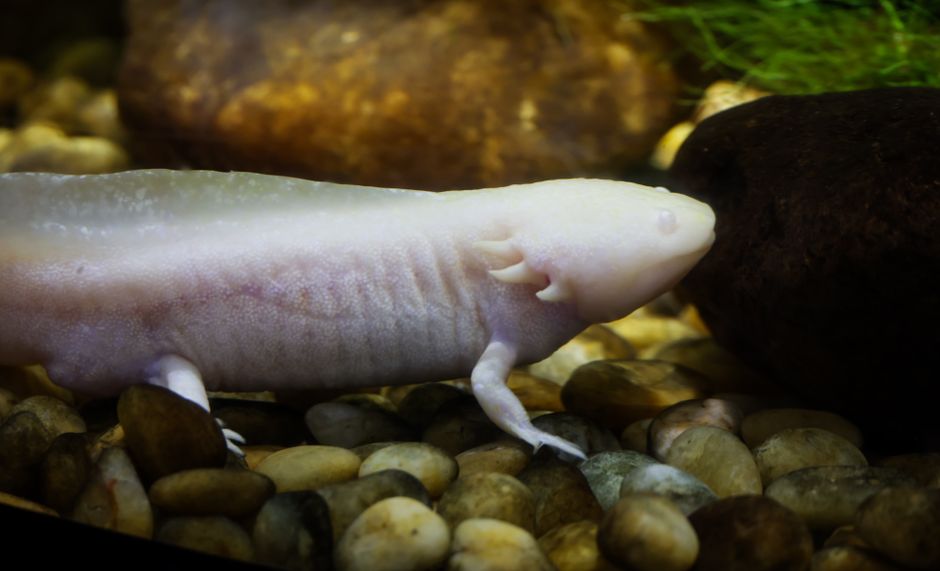
Hellbender Salamander Guide: Facts, Habitat, Care
Meet the hellbender salamander, North America's largest aquatic amphibian known as the snot otter, and discover why rivers need them.
 🐸Amphibians
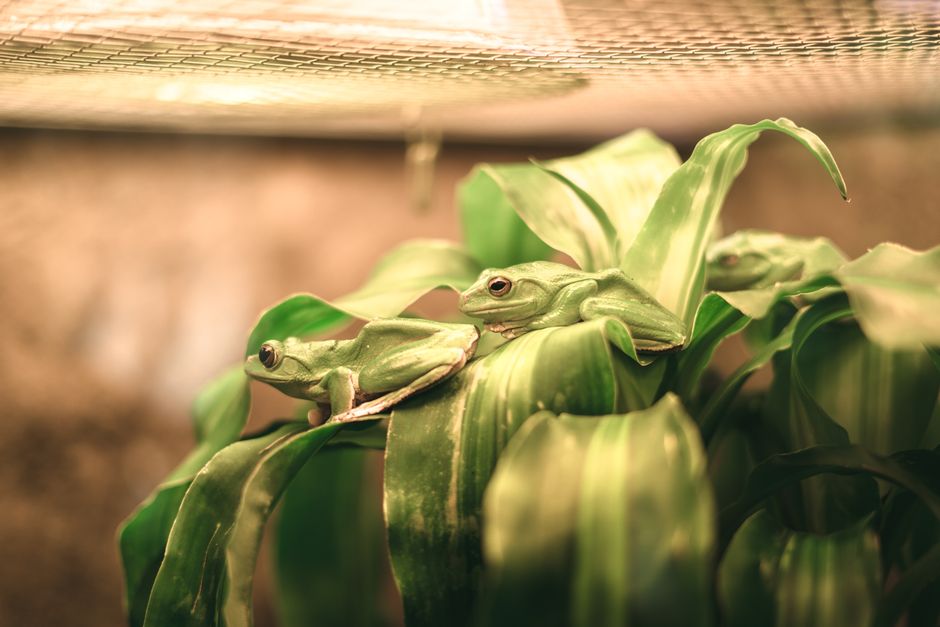
White's Tree Frog Habitat Setup: Beginner Guide
Build the ideal White's tree frog habitat setup with proper tank size, gentle heat, humidity control, and safe substrate choices.
 🐸Amphibians
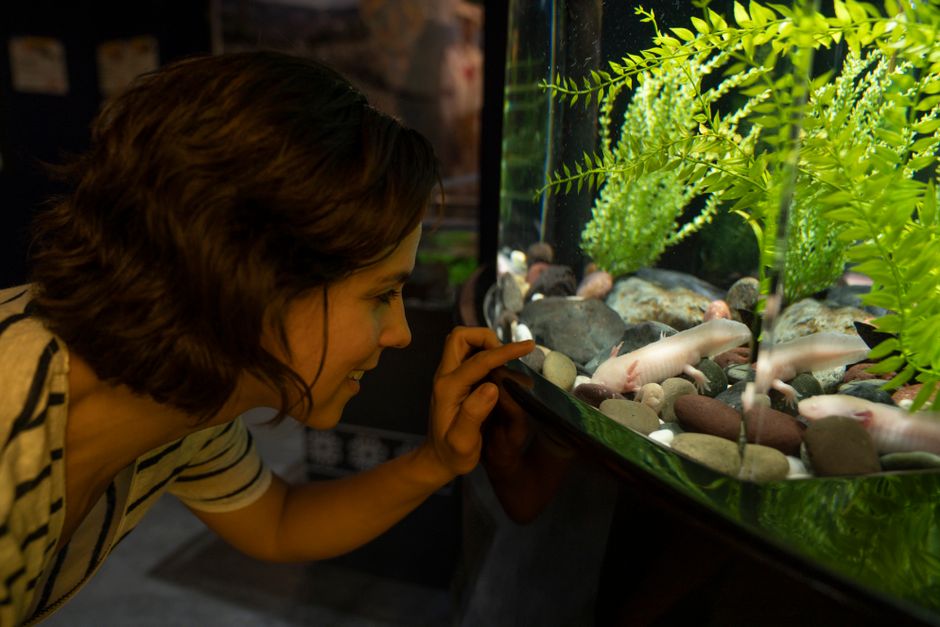
Axolotl Tank Mates: Safe Options and Big Risks
Discover why most fish and snails make unsafe axolotl tank mates, and how to create a rich, stress-free aquarium for your aquatic pet.