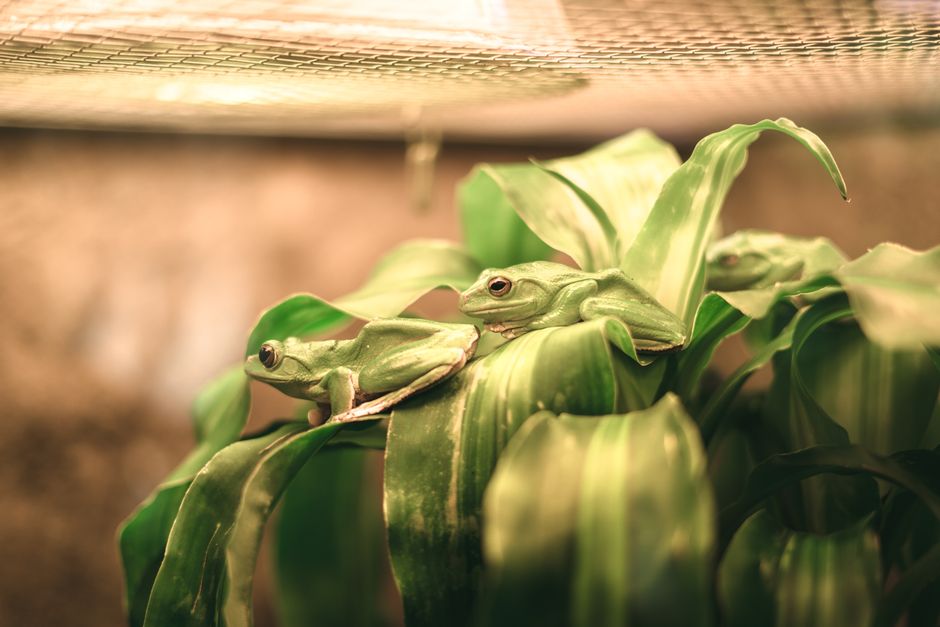
White's Tree Frog Habitat Setup: Beginner Guide
Setting up a comfortable home for your pet amphibian is the most important step you can take as an owner. A proper White's tree frog habitat setup requires a tall glass terrarium, safe tropical substrate, climbing branches, clean water, and carefully monitored heat and humidity levels. Getting these elements right keeps your frog active, healthy, and stress free for years to come.
What Size Tank Does a White's Tree Frog Need?
A single adult White's tree frog needs an upright terrarium that emphasizes vertical climbing height over floor space. These arboreal amphibians spend most of their waking hours high up on branches and glass walls, so tall enclosures suit their natural instincts far better than standard long fish tanks.
Young froglets can start in smaller upright enclosures while they grow. As your frog reaches adult size, upgrade to a larger vertical terrarium with secure ventilation. If you plan to house two or three frogs together, provide extra vertical room so each individual can claim its own resting spot without competing.
Always choose an enclosure with a tightly latching screen top. These frogs have strong suction-cup toe pads and can climb smooth surfaces with ease. A loose screen or an unlatched door will quickly lead to an escape. As a core welfare rule, research a species' full adult needs before buying your enclosure so you do not have to replace undersized equipment later.
What Substrate Is Safe for a White's Tree Frog?
The safest substrate for a White's tree frog is a moist, loose tropical medium such as coconut fiber or chemical-free organic soil. These materials hold moisture well, cushion accidental falls from high perches, and reduce the risk of digestive impaction if a small piece is accidentally swallowed during feeding.
Avoid small gravel, wood chips, dry bark nuggets, and small decorative pebbles. White's tree frogs are enthusiastic eaters with wide mouths and lunging strike habits. When they lunge for a cricket, they often pull in whatever bedding sits underneath their prey. Hard or jagged materials cannot pass through an amphibian digestive tract and can cause life-threatening blockages.
Bioactive Bedding and Drainage
Many keepers prefer a bioactive setup that uses a false bottom drainage layer beneath the coconut fiber. A layer of clay balls separated by a fine mesh screen prevents standing water from saturating the soil. This prevents foul smells, keeps root systems healthy if you use live plants, and stops dangerous bacterial growth from building up in stagnant swampy soil.
How Do You Control Heating and Lighting?
White's tree frogs require a gentle thermal gradient with a warm upper basking zone and a cooler lower area. You can provide this warmth using a low-wattage overhead heat bulb or a ceramic heat emitter placed securely above the mesh screen lid.
Never place heat pads inside the tank where your frog might sit directly on hot glass. Instead, mount heating elements overhead and connect all heat sources to a reliable thermostat. Check both the warm canopy and the cool forest floor daily using digital probe thermometers or an infrared temperature gun. Analog dial thermometers stuck to the glass are notoriously inaccurate and can mislead you about your tank conditions.
While these frogs are largely nocturnal, providing low-level overhead UVB lighting supports natural day and night cycles. Gentle UVB exposure helps amphibians process nutrients and maintain skin vitality. Keep lighting on a consistent timer so your pet receives regular daylight hours followed by uninterrupted darkness each night.
How Do You Maintain Proper Humidity and Water Quality?
You can maintain proper humidity in a White's tree frog terrarium through daily misting and a broad water dish, keeping the air pleasantly moist without turning the enclosure soggy. White's tree frogs prefer moderate humidity with good airflow, rather than the dripping, stagnant dampness that some tropical dart frogs require.
Use a digital hygrometer mounted at mid-tank level to monitor moisture trends. A daily misting with pure treated water in the morning and evening allows the tank to dry out slightly between mistings. Proper ventilation through the top screen prevents stale air, which is a leading trigger for skin issues and respiratory trouble in tree frogs.
If you notice color changes along with lethargy, check your moisture and temperature levels right away. Environmental stress is a frequent reason why is my White's tree frog turning brown, because amphibian skin reacts quickly to dry air or cold drafts.
Always provide a shallow, wide water bowl filled with conditioned water. Never use straight tap water, because chlorine, chloramines, and heavy metals absorb directly through sensitive amphibian skin. Change this water daily, since tree frogs often soak at night and use their water dish as a bathroom.
What Decor and Climbing Items Should You Include?
The best decor items for a White's tree frog habitat are sturdy branches, thick cork bark rounds, and broad-leafed plants that can support a heavy-bodied frog. Unlike slender tree frogs, an adult White's tree frog has a plump body that easily bends fragile twigs and flimsy silk foliage.
Arrange your climbing decor to take full advantage of vertical space using these key items:
- Thick cork bark tubes placed vertically or angled against the glass to create secure daytime hiding retreats.
- Sturdy branches or driftwood secured firmly so they cannot slip or shift under your frog's weight.
- Broad-leafed live plants like sturdy pothos or heavy-duty artificial foliage suction-cupped high on the glass.
- Smooth hollow caves or half logs on the substrate level for ground-level shelter.
Make sure every branch, tube, and perch is smooth and free from sharp edges. Amphibian skin is delicate, thin, and prone to abrasions if it scrapes against rough wood. Clean all new decor thoroughly with hot water before installing it in the terrarium.
Final Thoughts
Designing a great White's tree frog habitat setup takes careful planning, but watching your frog climb and thrive makes the effort completely worthwhile. Focus on vertical space, stable temperatures, moderate humidity, and safe decor to keep your pet healthy. Explore more RarePetCare guides to learn practical tips for keeping your exotic pets happy and safe.
Frequently Asked Questions
Can you use tap water in a White's tree frog tank?
You should never use untreated tap water because chlorine and heavy metals absorb through frog skin. Always treat tap water with an amphibian-safe dechlorinator or use bottled spring water.
How often should you mist a White's tree frog enclosure?
Most keepers mist the enclosure once or twice daily to keep humidity in the target range. Allow the enclosure surfaces to dry slightly between mistings to avoid stagnant, soggy conditions.
Do White's tree frogs need live plants in their setup?
Live plants are not mandatory, but sturdy varieties like pothos work very well. You can also use heavy-duty artificial silk plants as long as they can support your frog's weight.
Can two White's tree frogs live together in the same habitat?
Yes, White's tree frogs are generally social and can share a habitat if they are similar in size. Ensure the enclosure provides ample vertical space and multiple feeding areas to prevent competition.
Explore More Amphibians Guides
 🐸Amphibians
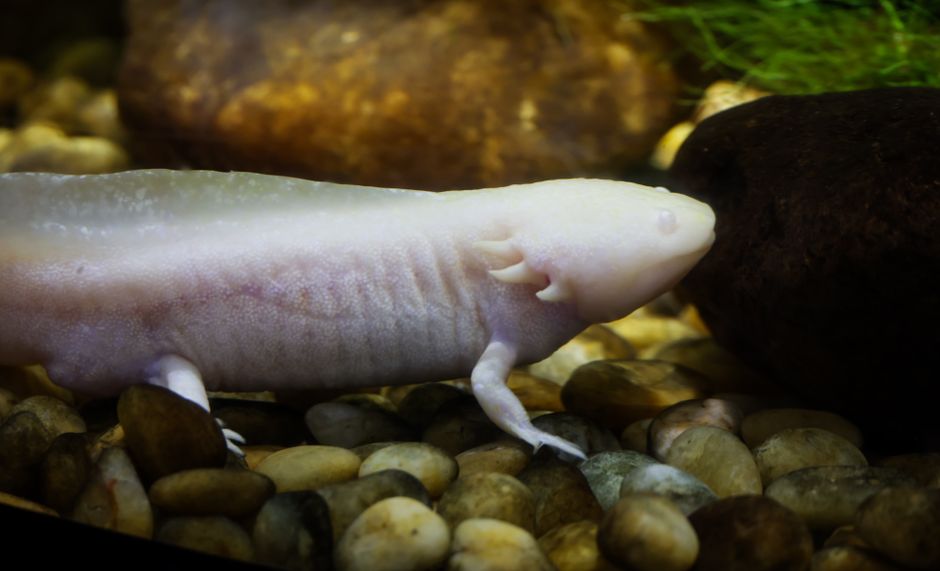
Hellbender Salamander Guide: Facts, Habitat, Care
Meet the hellbender salamander, North America's largest aquatic amphibian known as the snot otter, and discover why rivers need them.
 🐸Amphibians
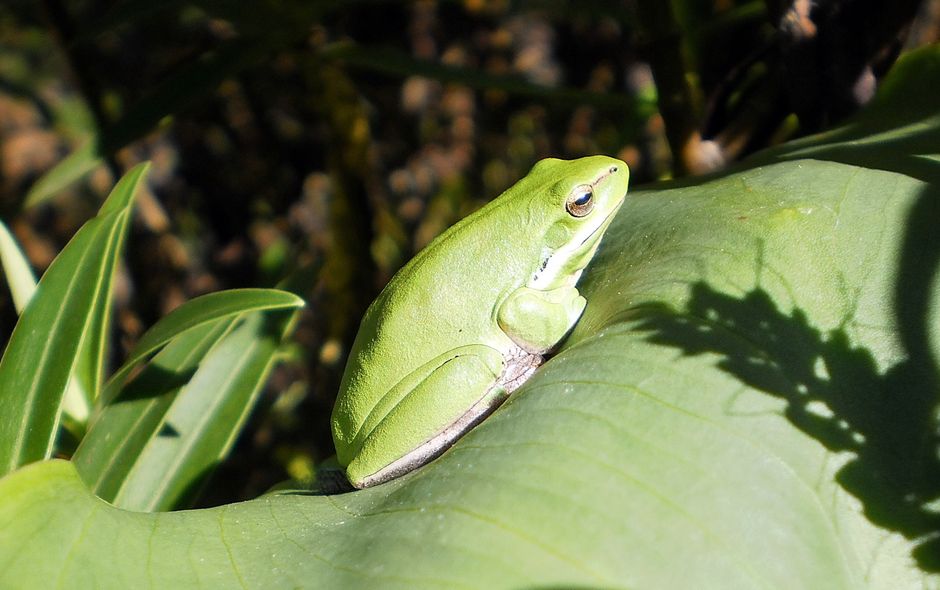
What Do White's Tree Frogs Eat? Complete Diet Guide
Discover the ideal feeder insects, safe portion sizes, and feeding schedules to keep your pet White's tree frog healthy and thriving.
 🐸Amphibians
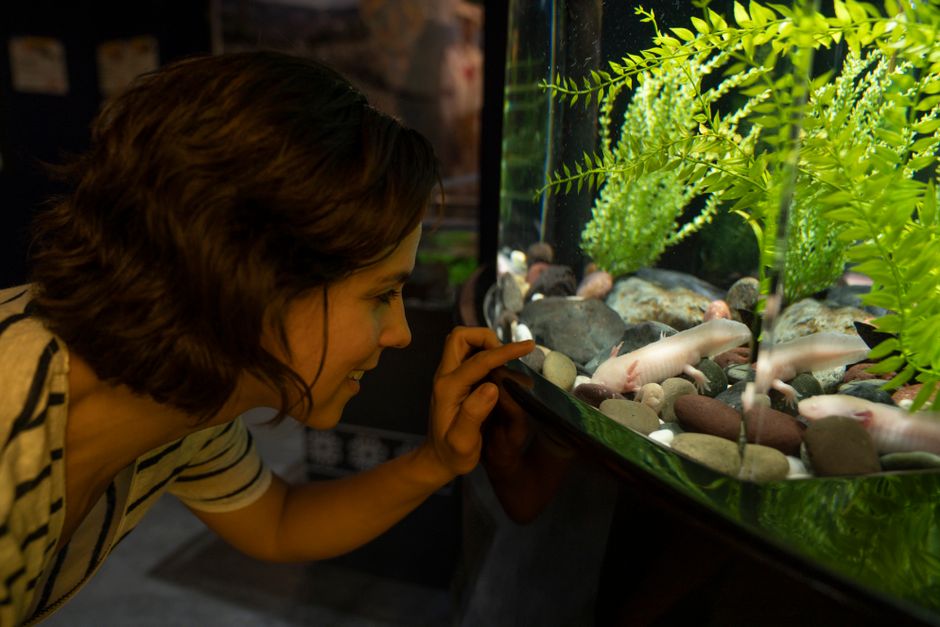
Axolotl Tank Mates: Safe Options and Big Risks
Discover why most fish and snails make unsafe axolotl tank mates, and how to create a rich, stress-free aquarium for your aquatic pet.